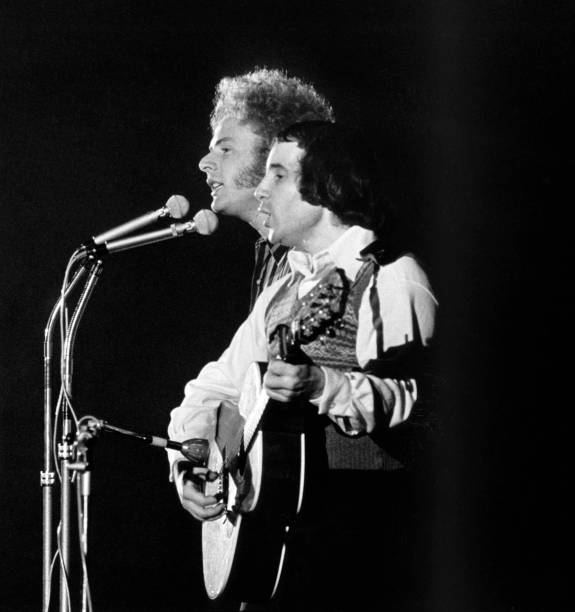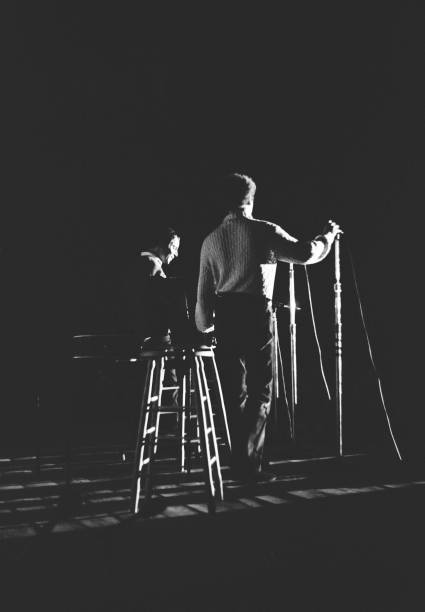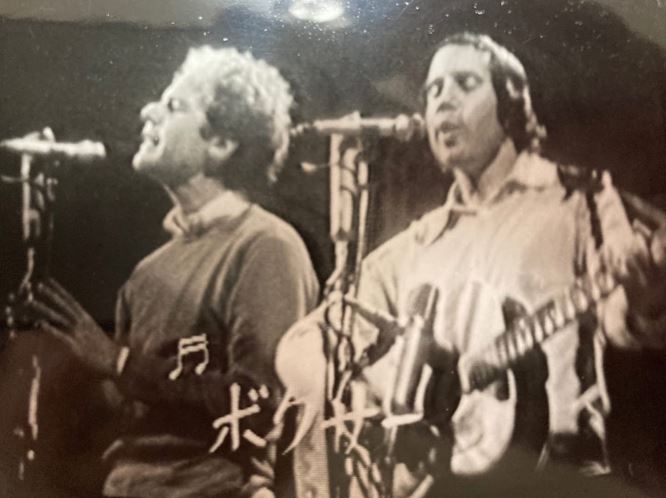
1969


1969

Tracks List

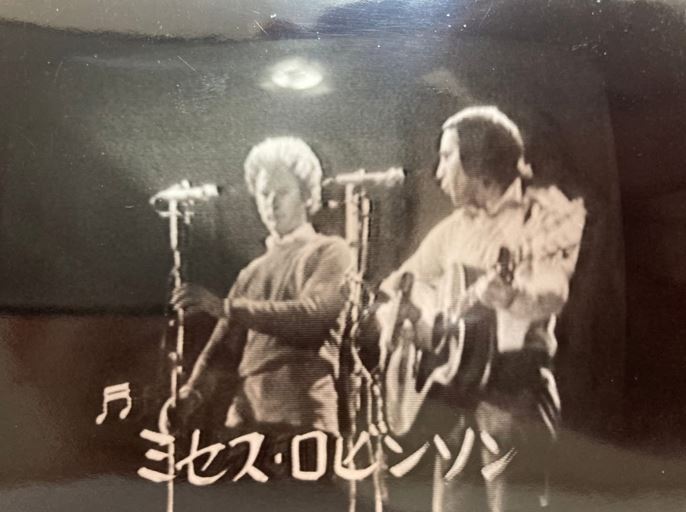
Mrs Robinson

Fakin'It

The boxer

So long Franck Lloyd Wright

Why don't you write me

Silver haired daddy

Cuba si - Nixon no

Bridge over troubled water

Sound of silence

Bye bye love

Homeward bound

At the zoo

America

Song for the asking

A poem on the underground wall

For Emily whenever I may find her

April come she will

Eddie Simon

APRIL 1969

16 april

New York

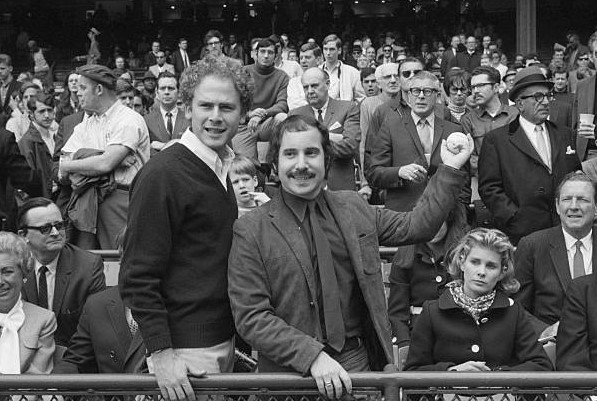
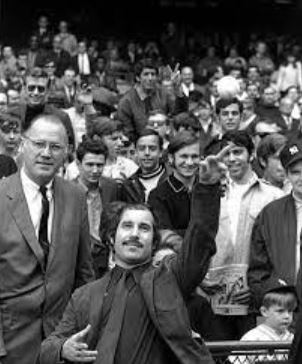
Simon and Garfunkel throws out the first ball of the game between the New York Yankees and the Washington Senators at New York's Yankee Stadium, April 15, 1969. From left to right, Simon's singing partner Art Garfunkel, baseball commissioner Bowie Kuhn, Simon, and Yankees president Mike Burke

NOVEMBER 1969

01 nov

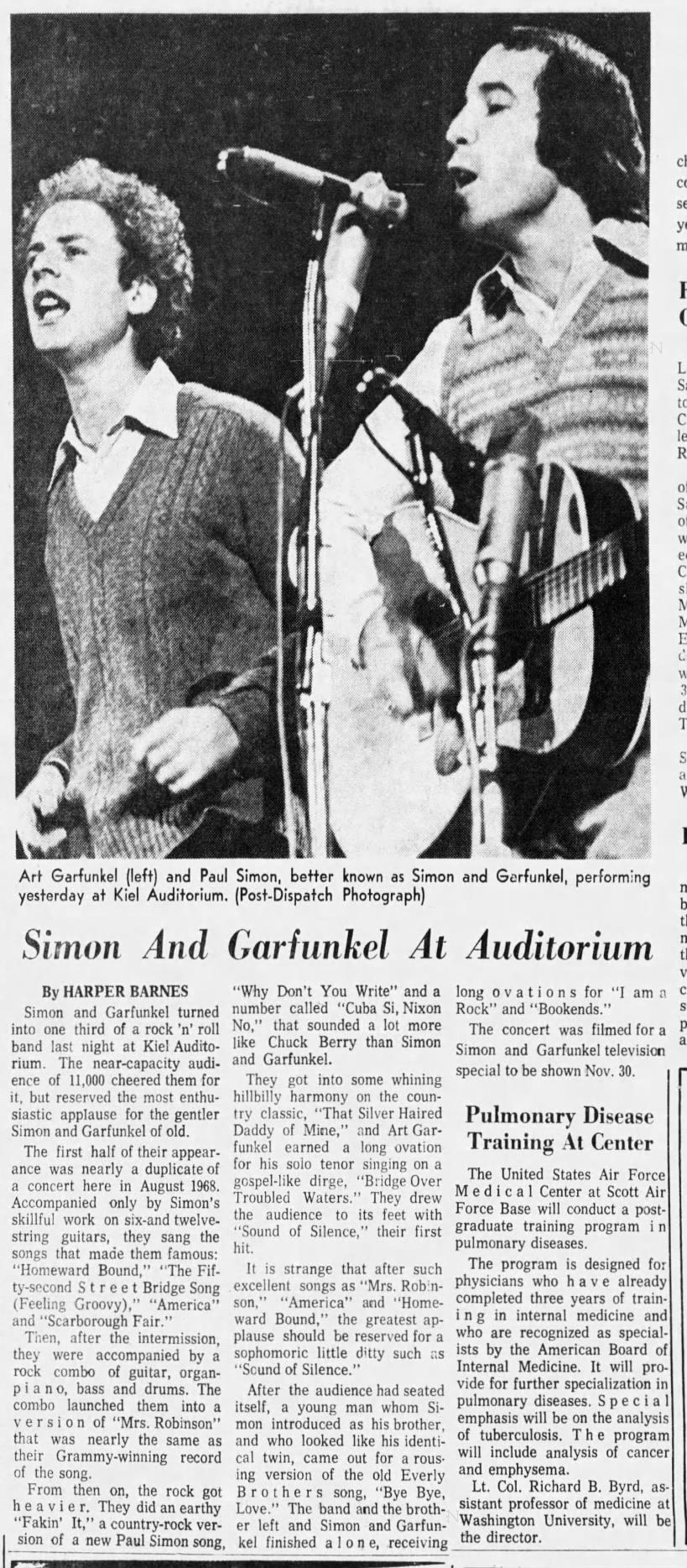
Saint Louis Missouri

Kiel Auditorium

08 nov

Carbondale Illinois

SIU Arena

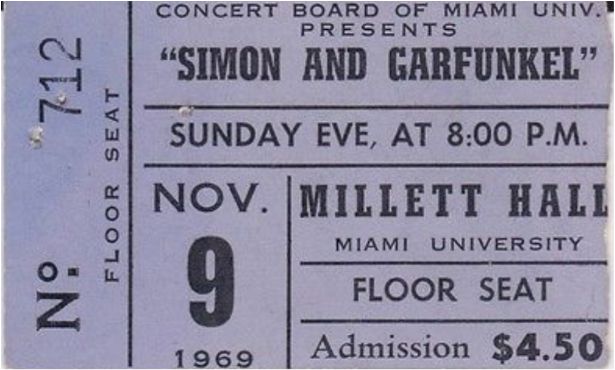
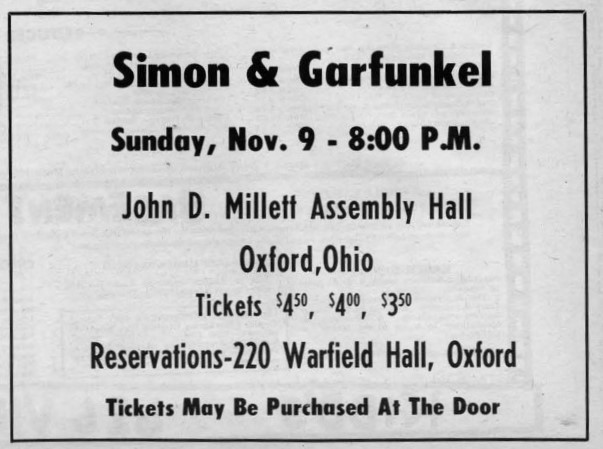
09 nov

Oxford Ohio

Millett Hall Miami University

Note: Some bootleg listings mention “Nov 11,” but concert references and university-related sources commonly give the date as November 9, 1969.

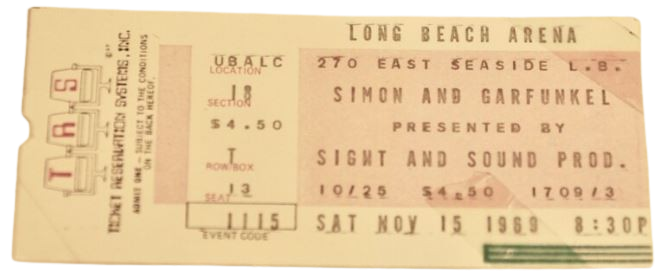
15 nov

Long Beach

17 nov

Miami

Millett Hall

17 nov

Anaheim

Convention Center

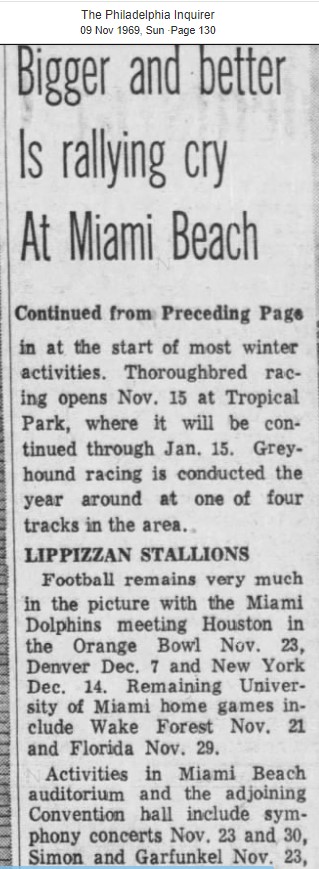
23 nov

Miami

Miami Beach Auditorium/Convention Hall

24 nov

Albuquerque

University of New Mexico

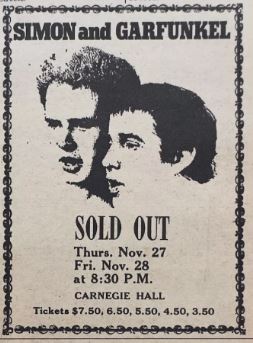
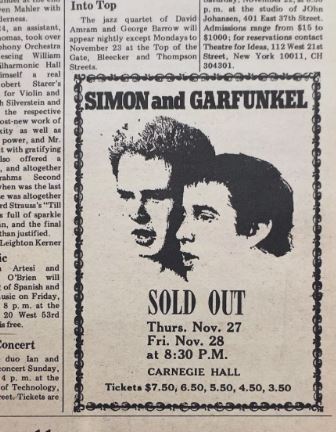
27 nov

New York

Carnegie Hall

28 nov

New York

Carnegie Hall

30 nov

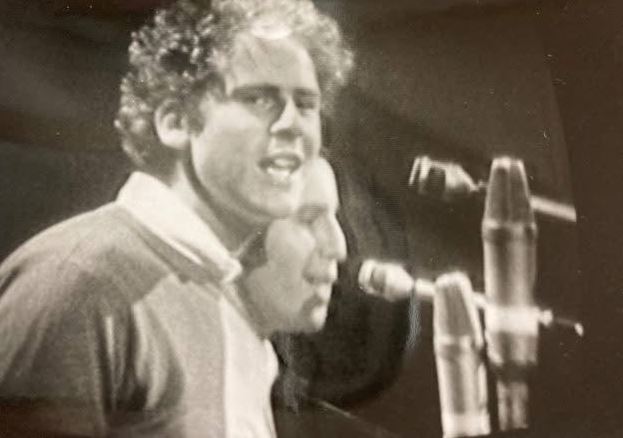
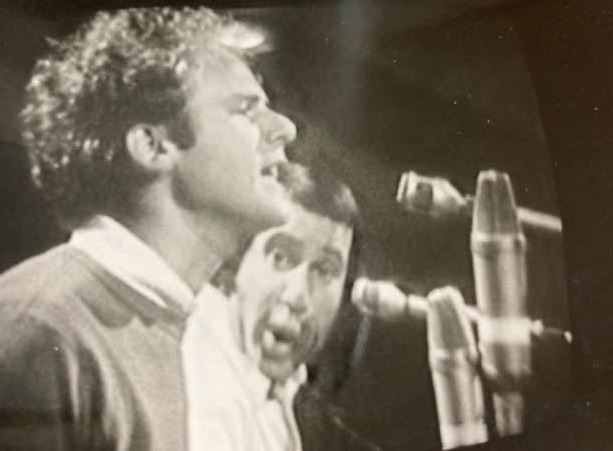
CBS TV

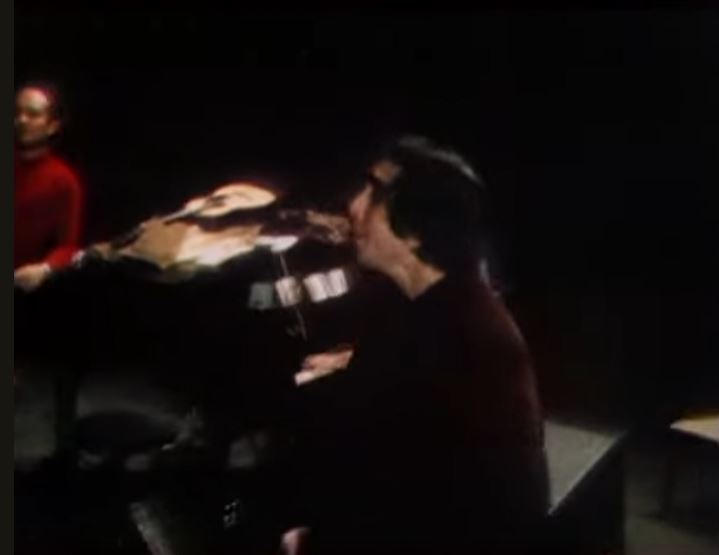
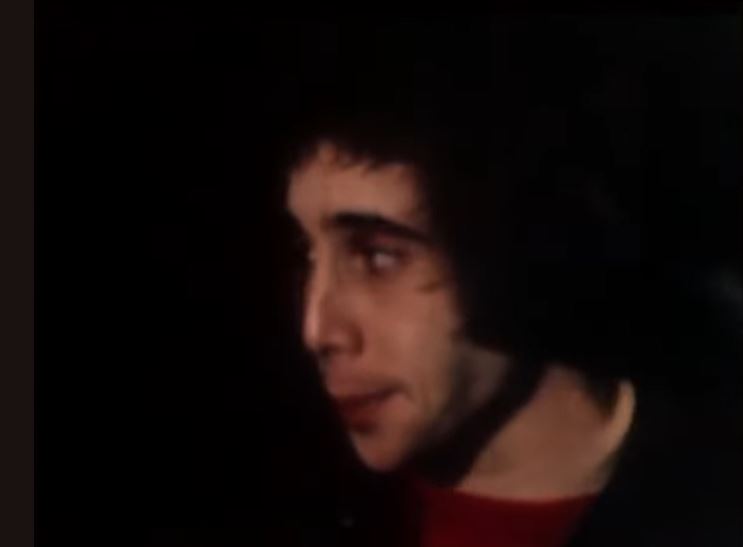
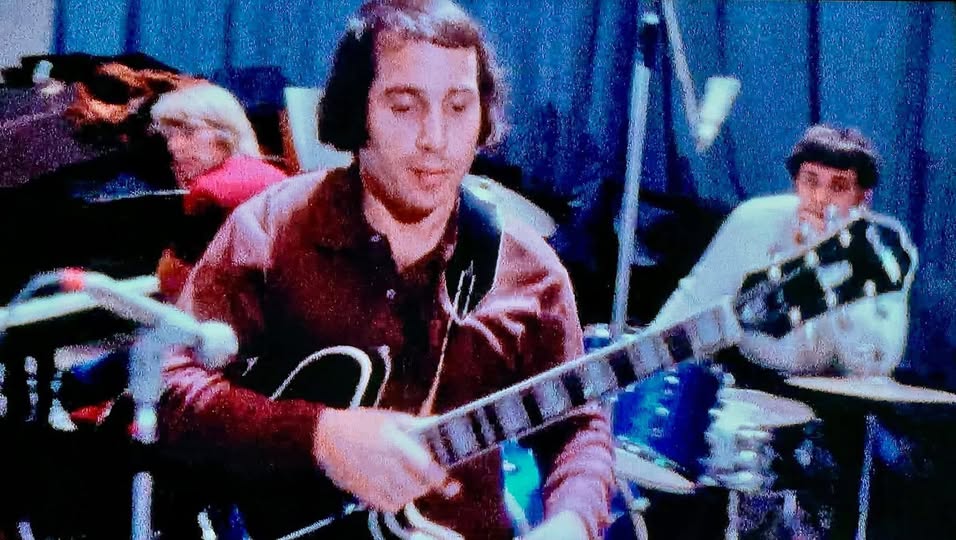
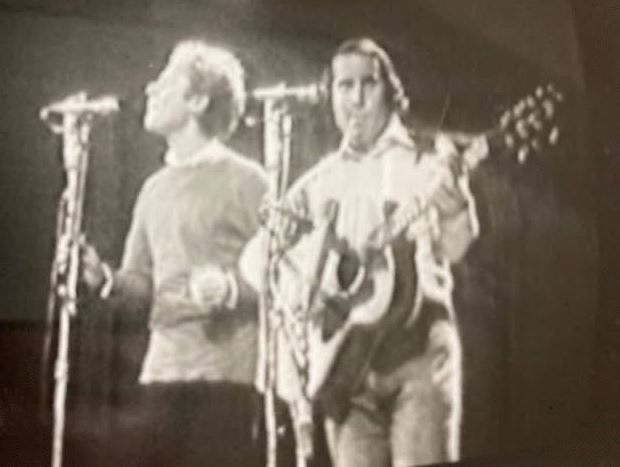
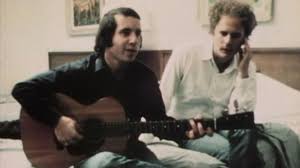
Songs Of America

  1. Context and intent
    The program is designed as a music-documentary: it combines Simon & Garfunkel performances with on-the-road footage (backstage moments, travel, conversations) and edited news/social imagery. The goal is to portray the duo within an America marked by intense social and political tension at the end of the 1960s (Vietnam, protests, violence, poverty, and broader unrest).
  2. Overall structure (how it’s built)
    The special constantly alternates between three kinds of sequences:
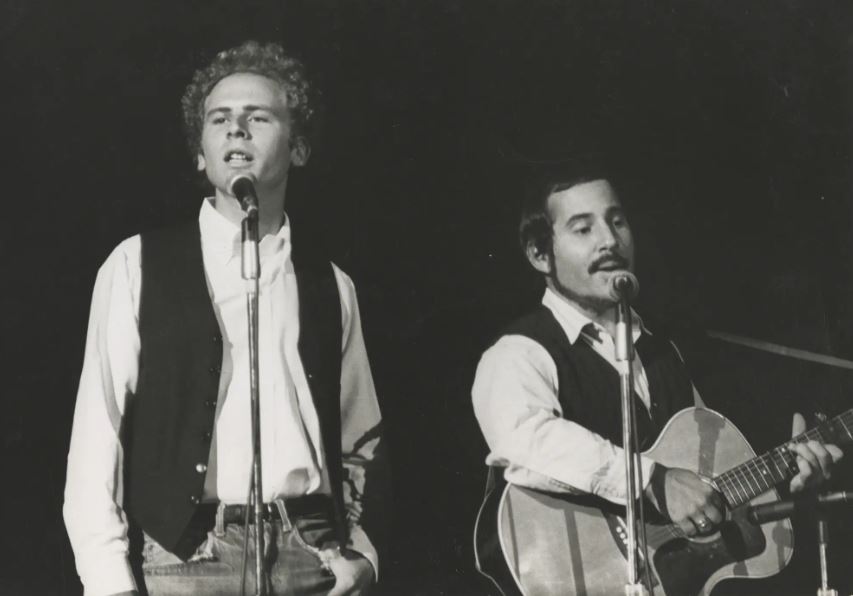
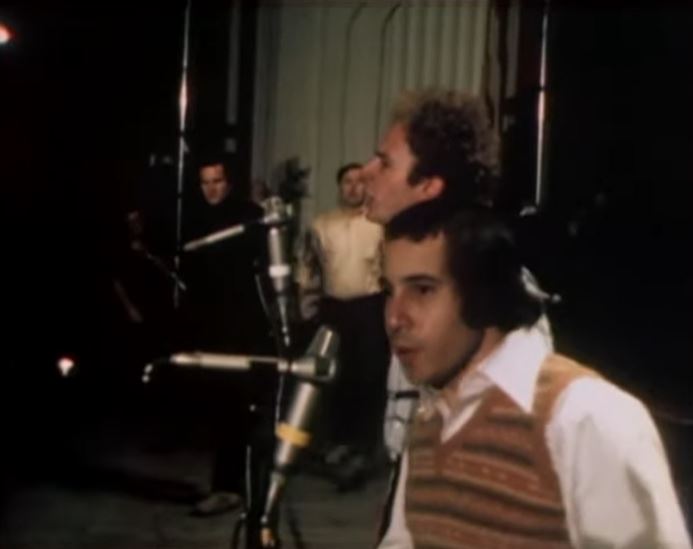
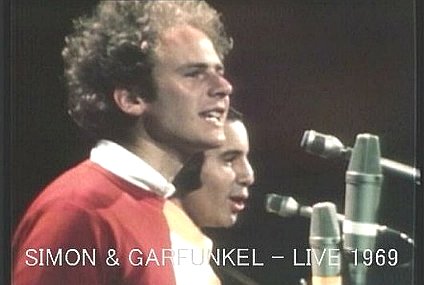
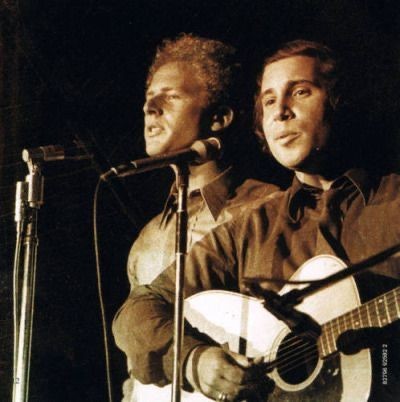
  • Musical performances: songs filmed in concert during the 1969 tour, plus rehearsal/studio moments tied to the Bridge Over Troubled Water era.
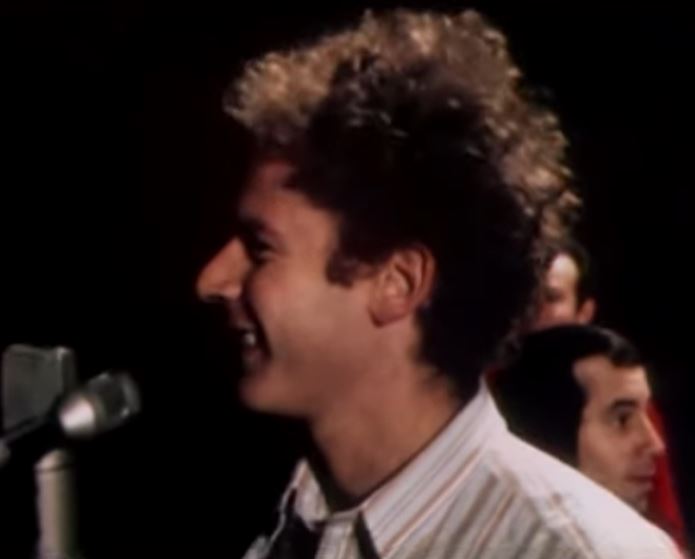
  • Behind-the-scenes / daily life: hotels, dressing rooms, travel shots, and exchanges between Paul Simon and Art Garfunkel, showing fatigue, pressure, and reflection on their public role.
  • “America in the late 1960s” (documentary montage): news and social footage showing demonstrations, war, injustice, and key figures/events of the period. The editing repeatedly contrasts an “idealized America” with a harsher reality.
  1. A striking opening
    The program is introduced by actor Robert Ryan, then quickly shifts into a more serious tone. The contrast between a “TV special” format and a documentary feel is immediate, setting up the idea that this is an artistic portrait in a troubled time.
  2. The main thread: the artist’s role
    A central theme is the implicit question: “What is a song worth when the country feels like it’s burning?”
    Through direct moments and the overall editing, the film raises:
  • what it means to be an artist in a political crisis,
  • the boundary between entertainment and engagement,
  • how songs can function as commentary on their era.
  1. Why the special remains notable
    This is not just a filmed concert. The songs are placed in dialogue with current-events imagery, giving the program a strong documentary and political dimension. That approach also helps explain its “controversial” reputation: the project was originally conceived as a sponsor-backed special (often linked in accounts to Bell/AT&T), but the sponsor reportedly withdrew before airing, and the program ultimately ran on CBS.

?? 1969

Ames, Iowa, USA

University Of Iowa