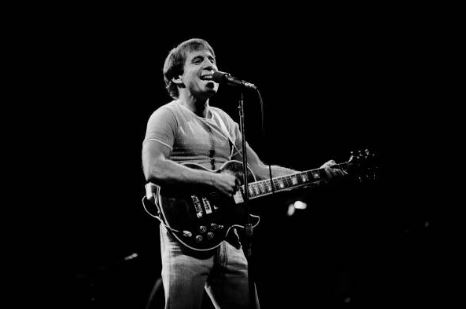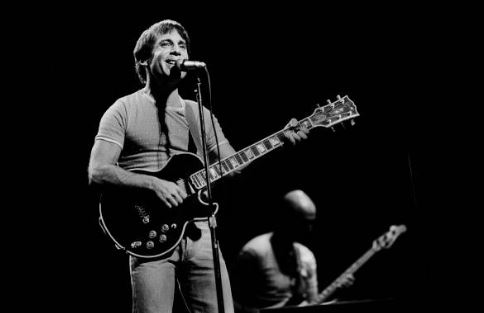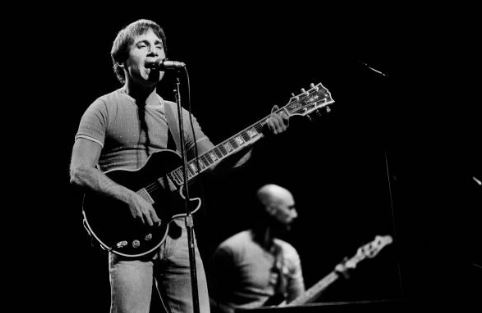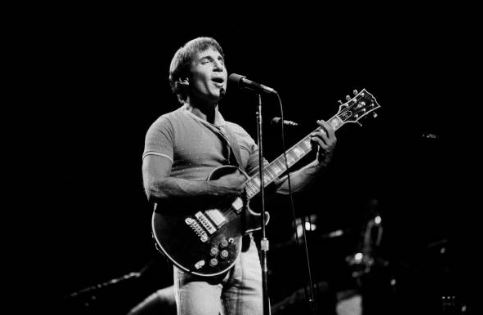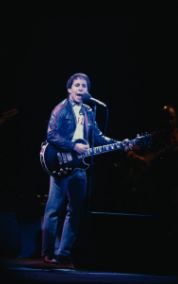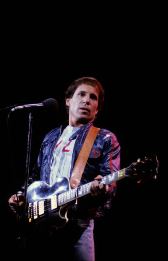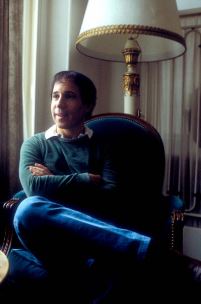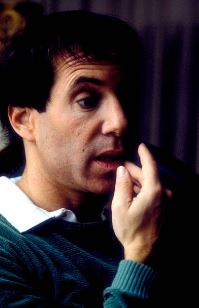
198019811982 |
|
 |
 |
 |
 |
 |
 |
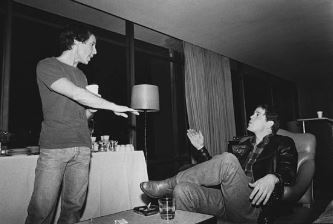
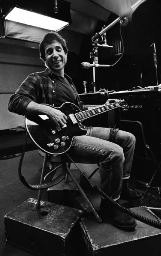
Paul Simon & Lou Reed |
 |
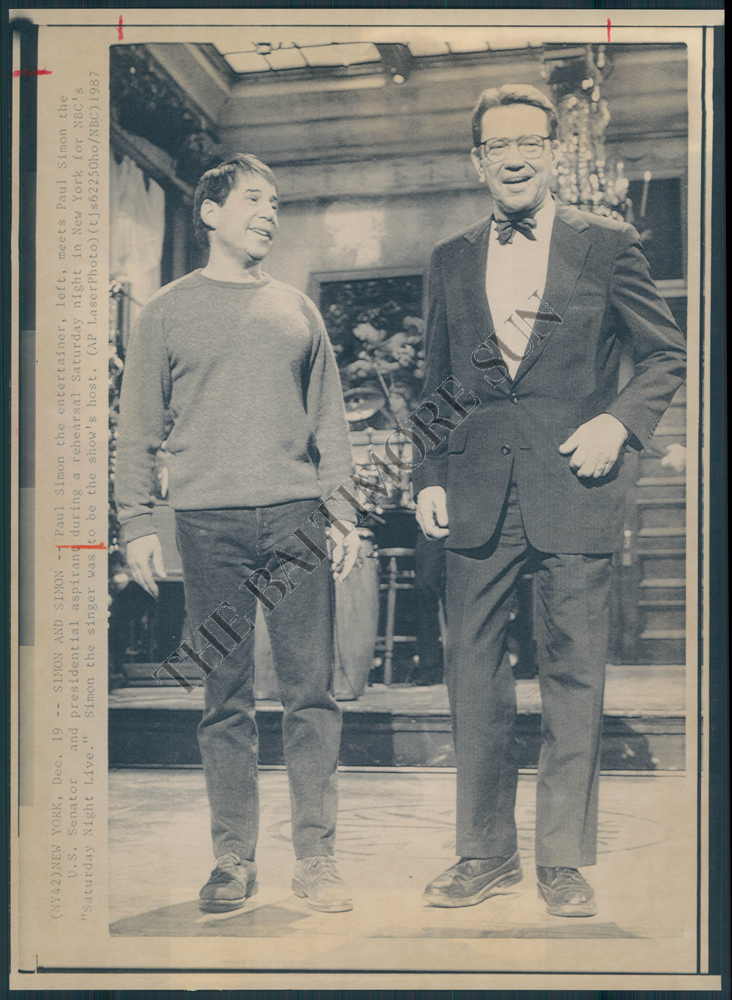
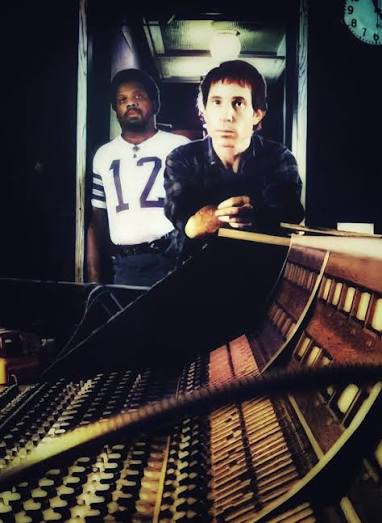
Paul Simon and The Senator Paul Simon |
 |
 |
 |
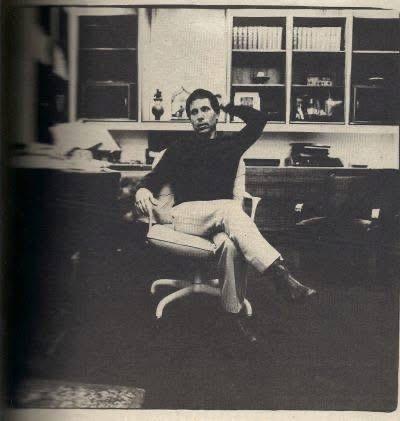
NY 1981 |
 |
1980 |
|||
MARCH 1980 |
|||
MOVIE |
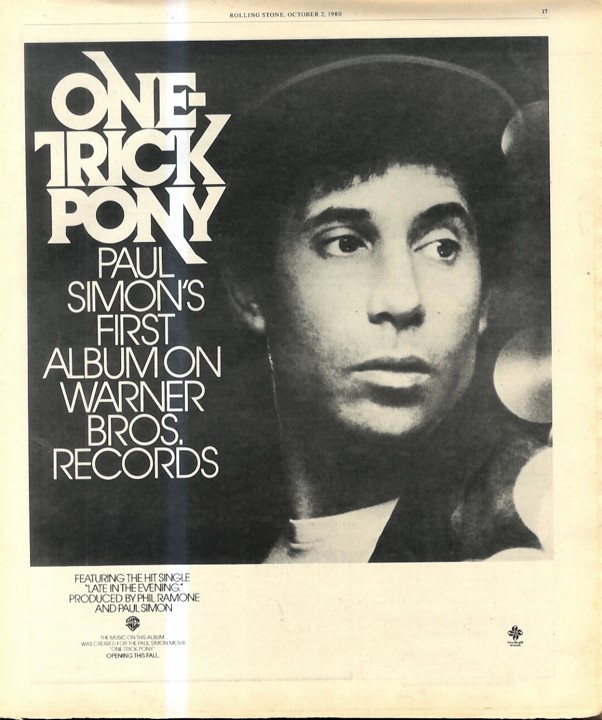
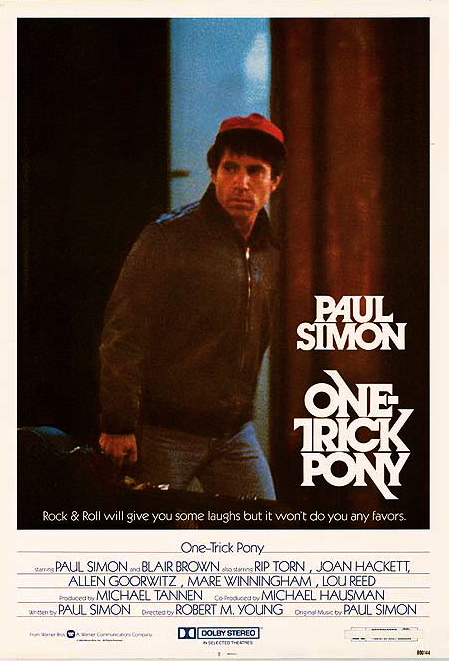
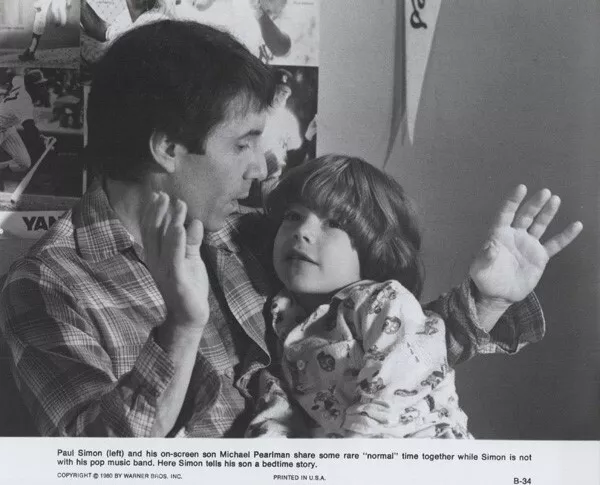
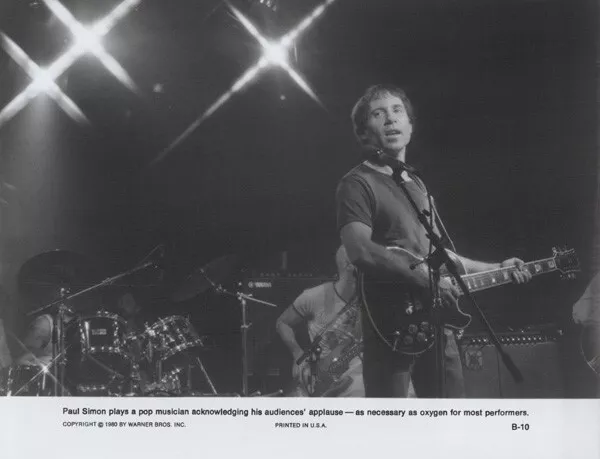
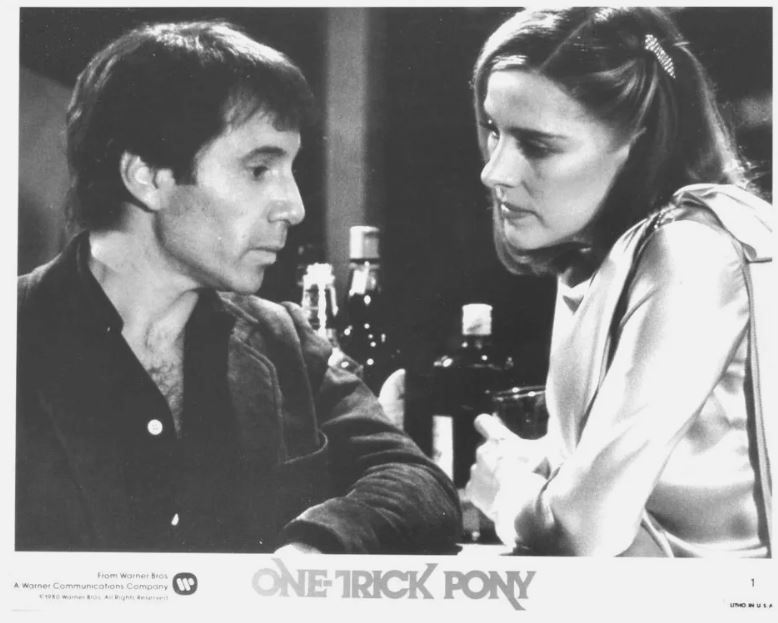
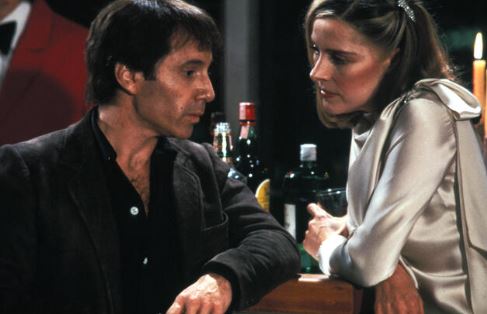
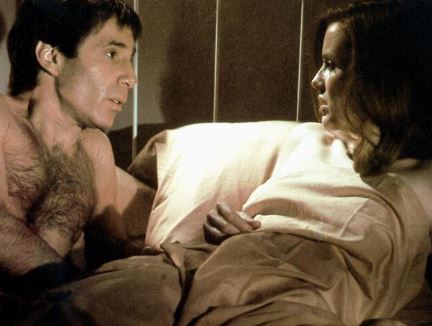
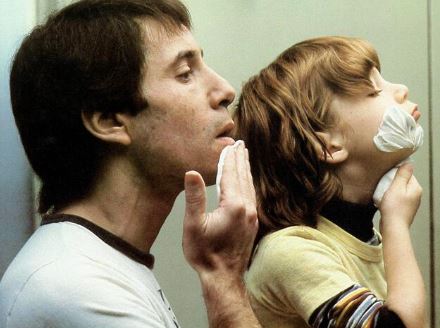
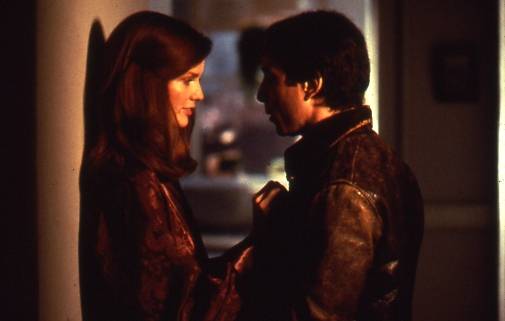
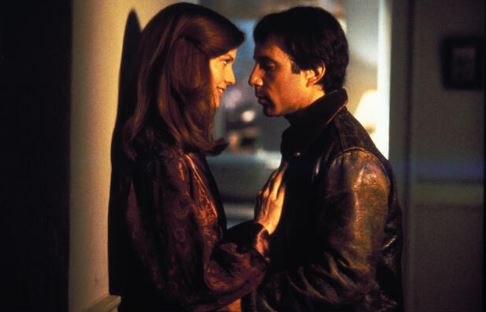
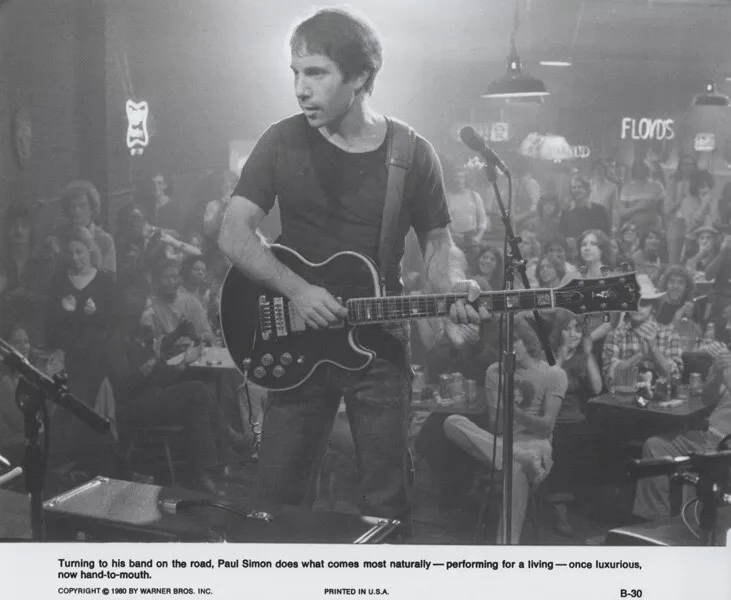
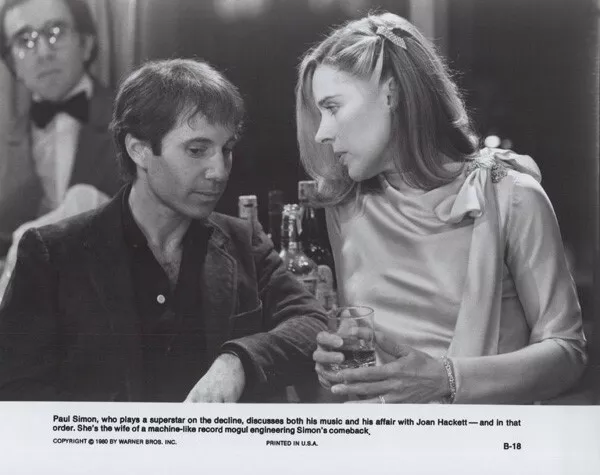
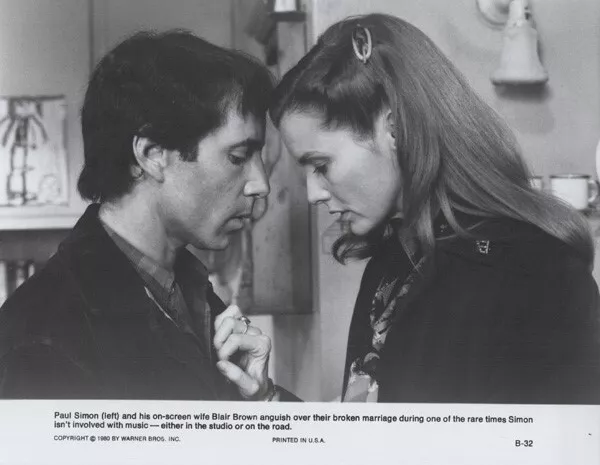
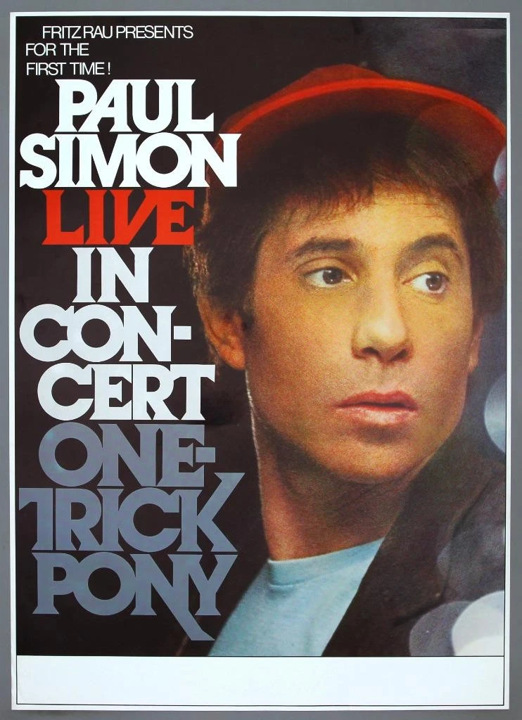
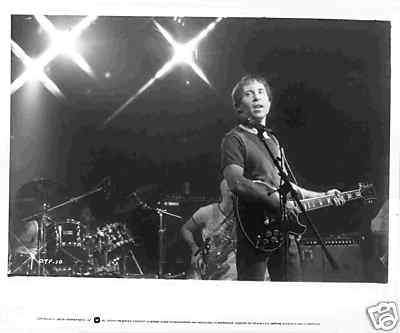
FILM One Trick Pony
|
|
|
15 mar |
New York |
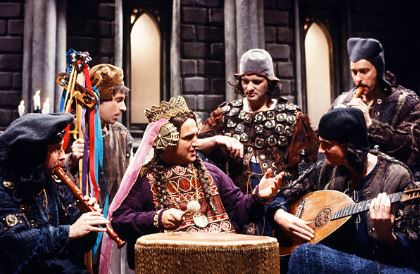
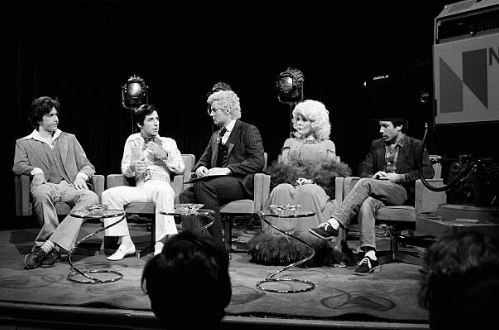
SLN
|
|
Date ?? |
Dallas Fort Worth (Tewas) |
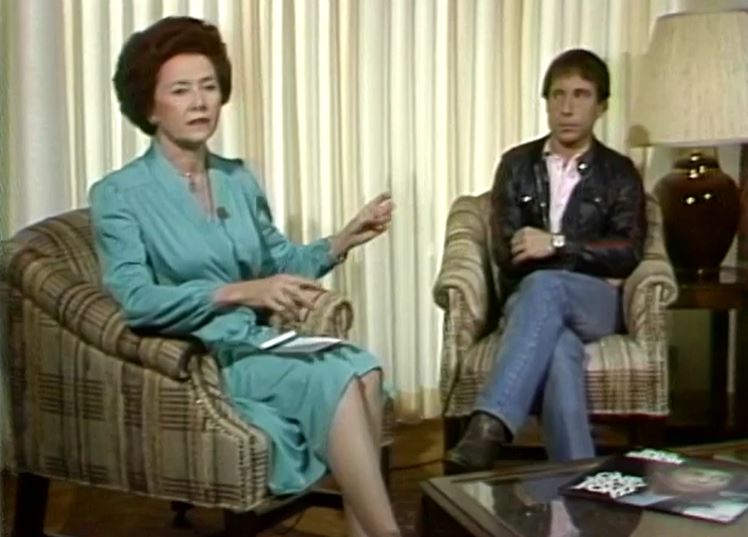
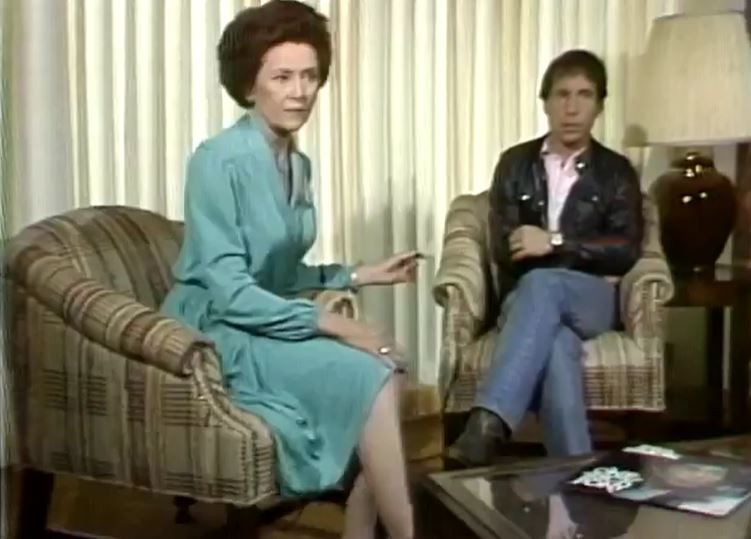
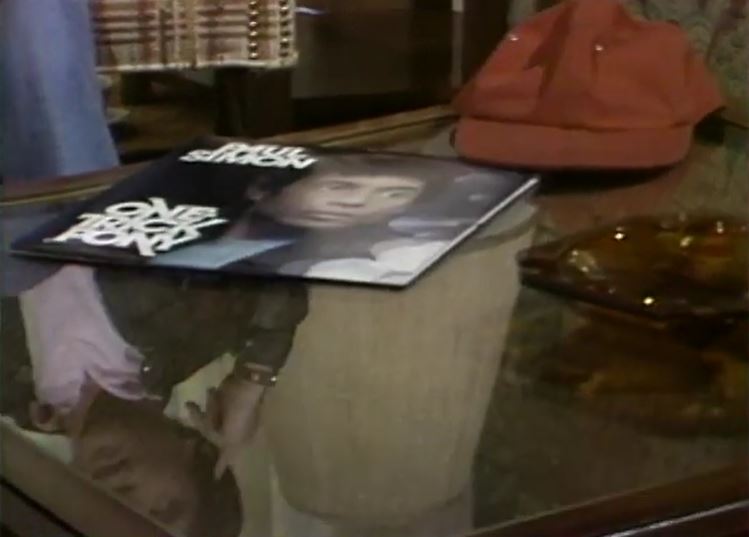
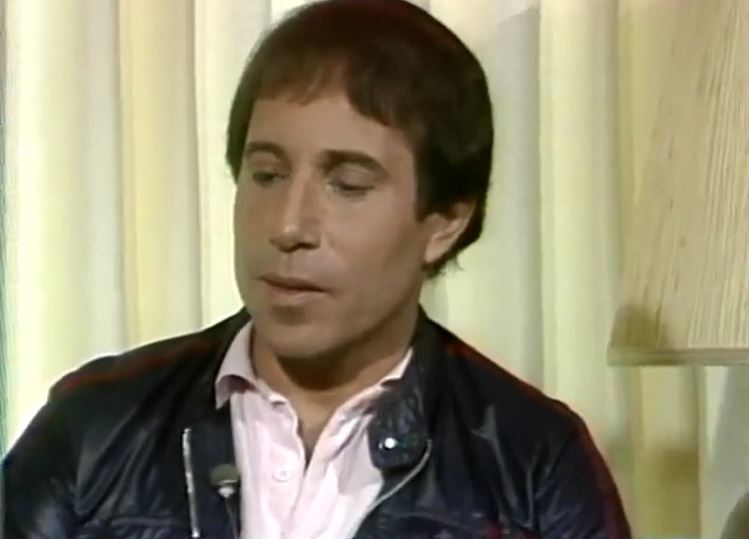
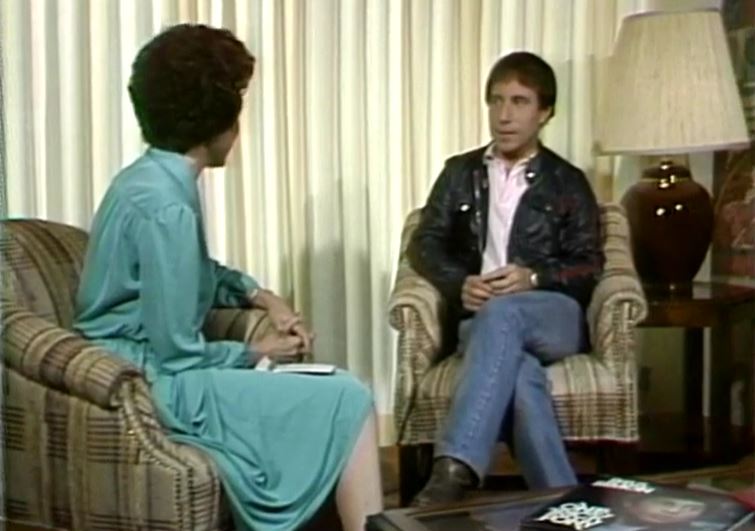
NBC 5 (KXAS-TV) interviewer : Bobbie Wygant In this 1980 Bobbie Wygant interview, Paul Simon is mainly promoting One-Trick Pony: moving into film, playing a musician under record-industry pressure, and the tug-of-war between commercial demands and artistic freedom. He also touches on how the movie connects to the One-Trick Pony album/soundtrack and the meaning of the title—being boxed in as a “one-trick pony.”
|
|
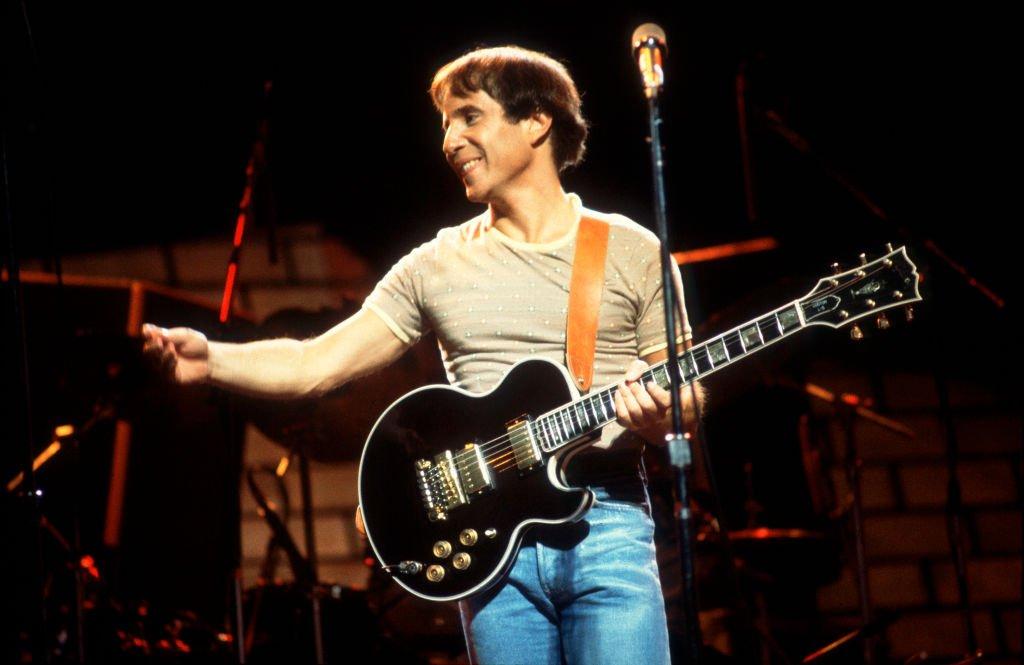
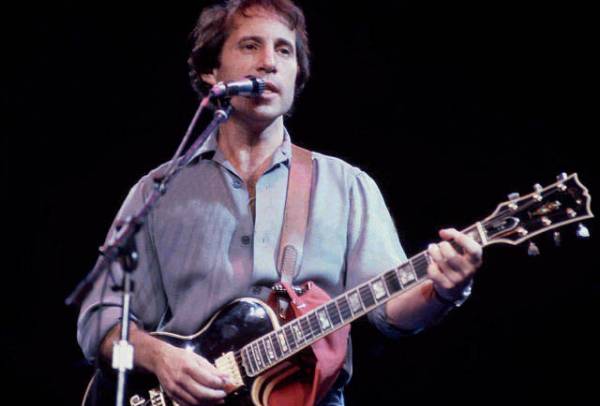
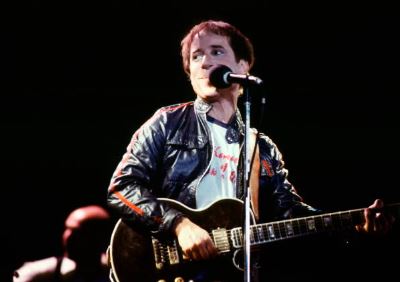
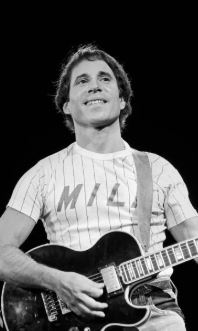
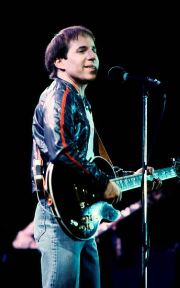
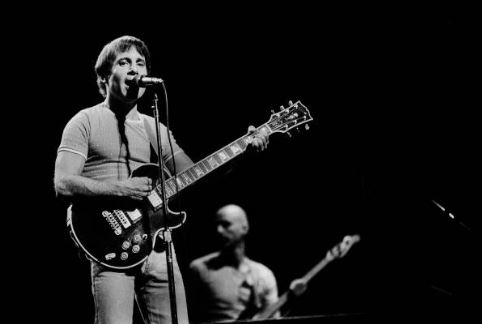
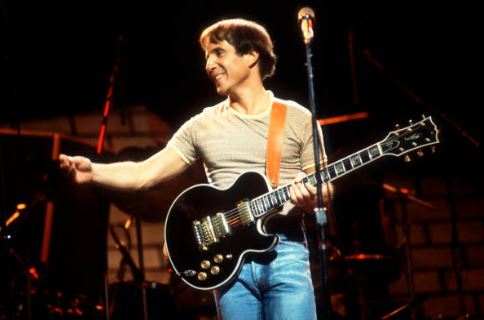
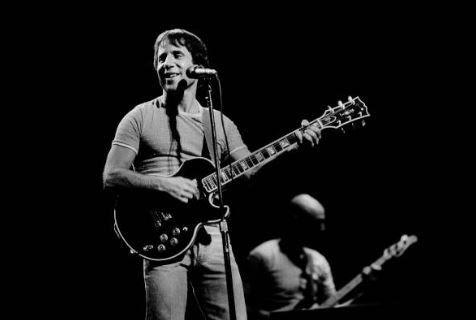
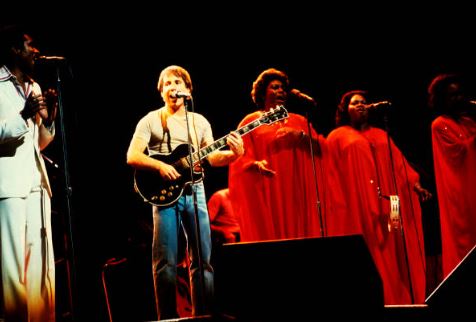
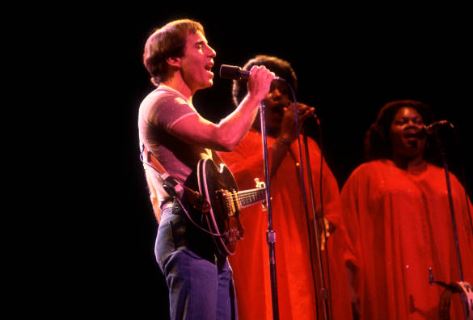
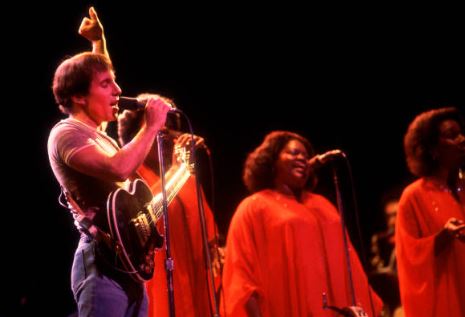
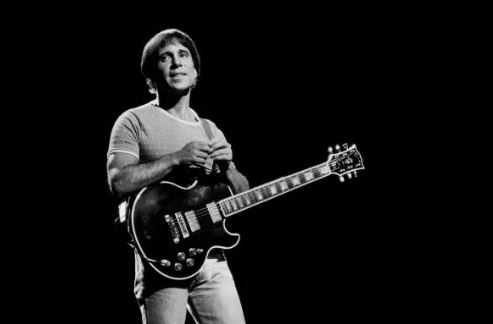
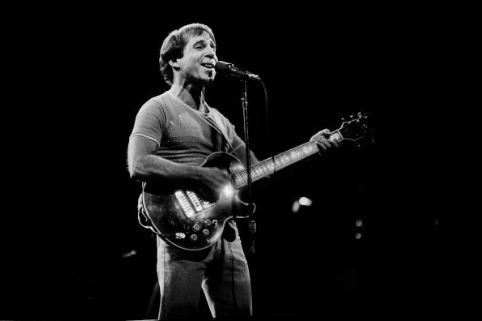
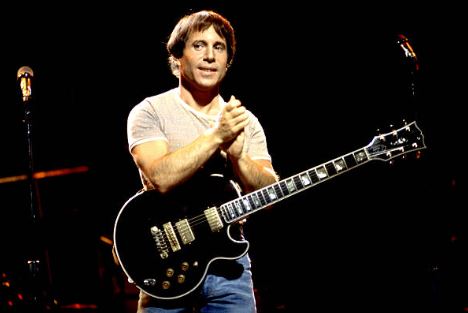
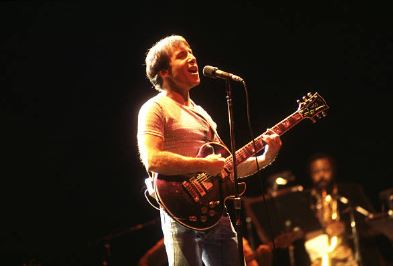
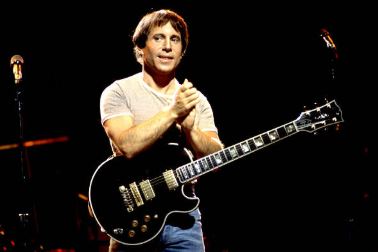
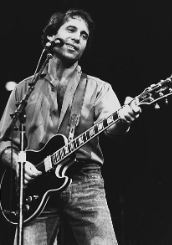
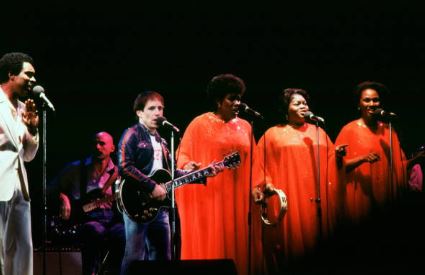
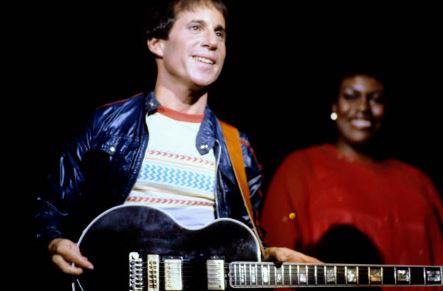
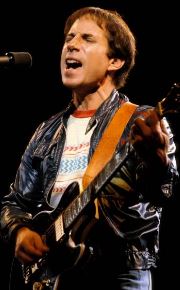
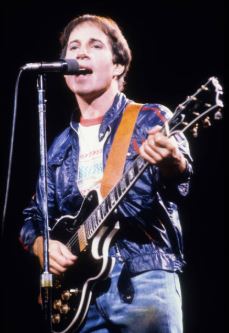
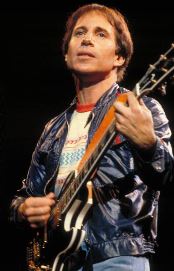
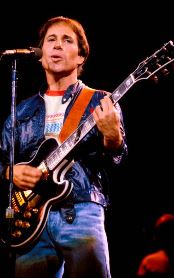
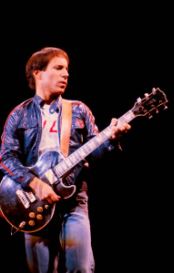
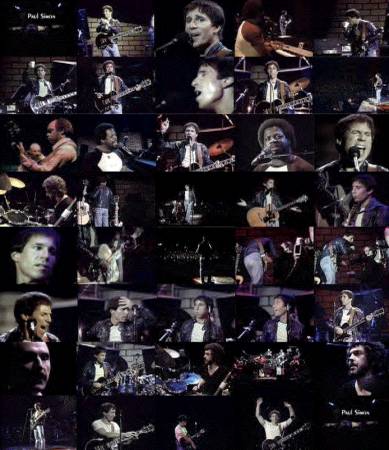
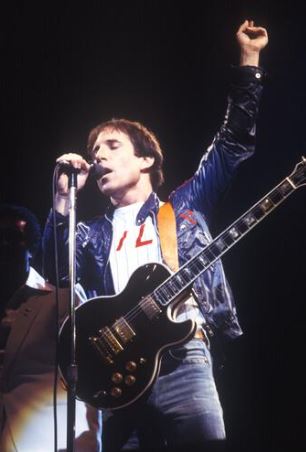
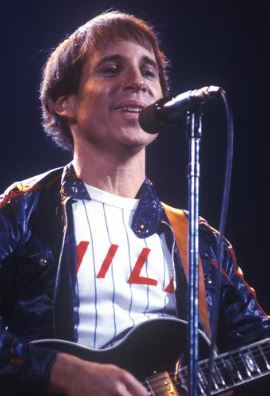
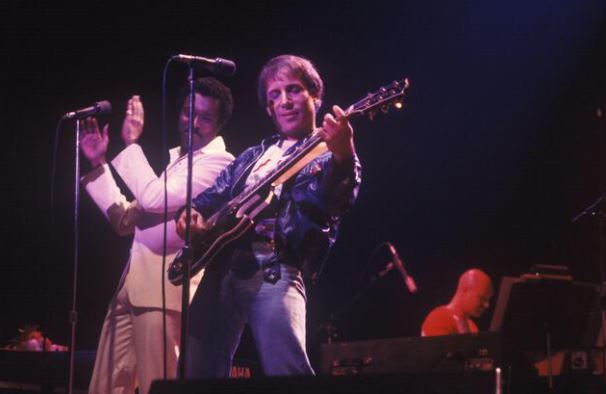
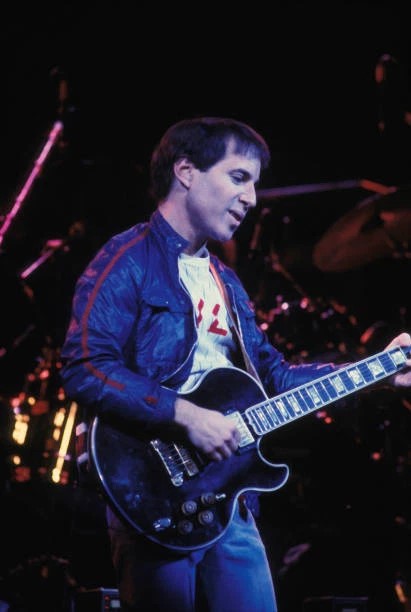
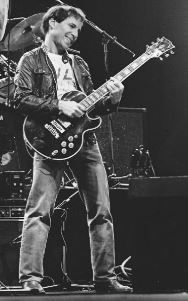
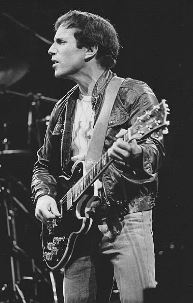
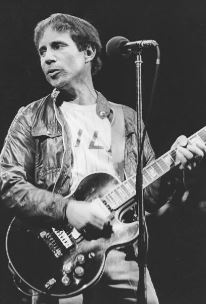
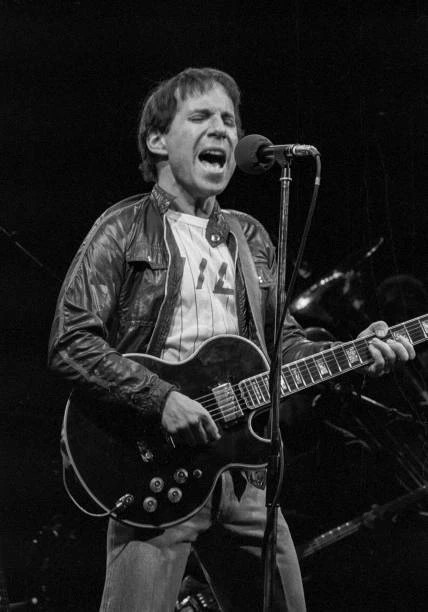
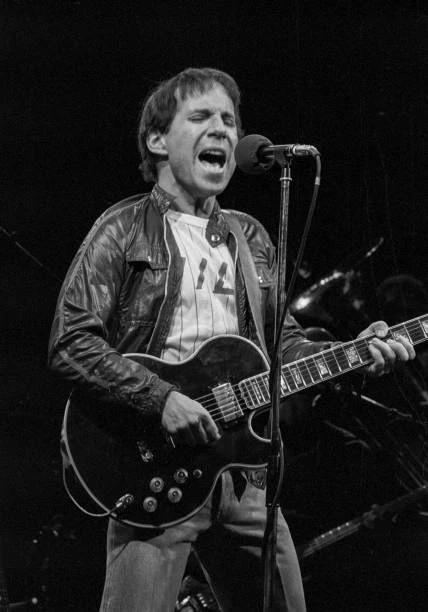
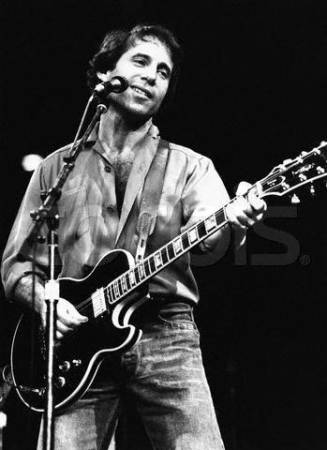
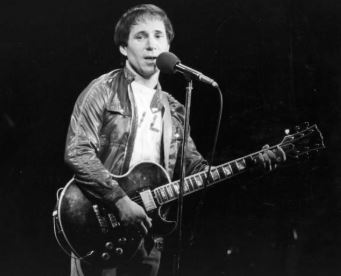
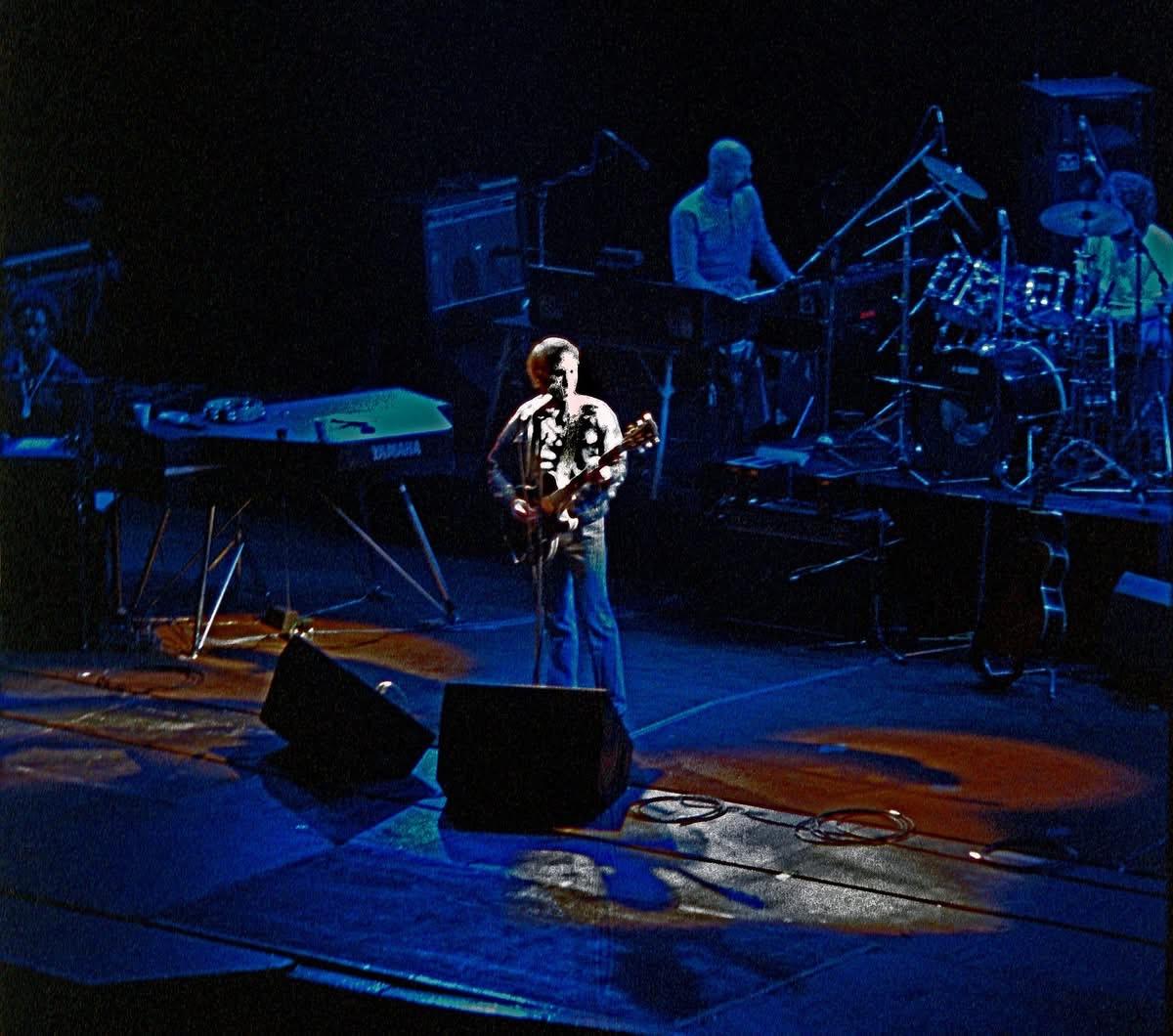
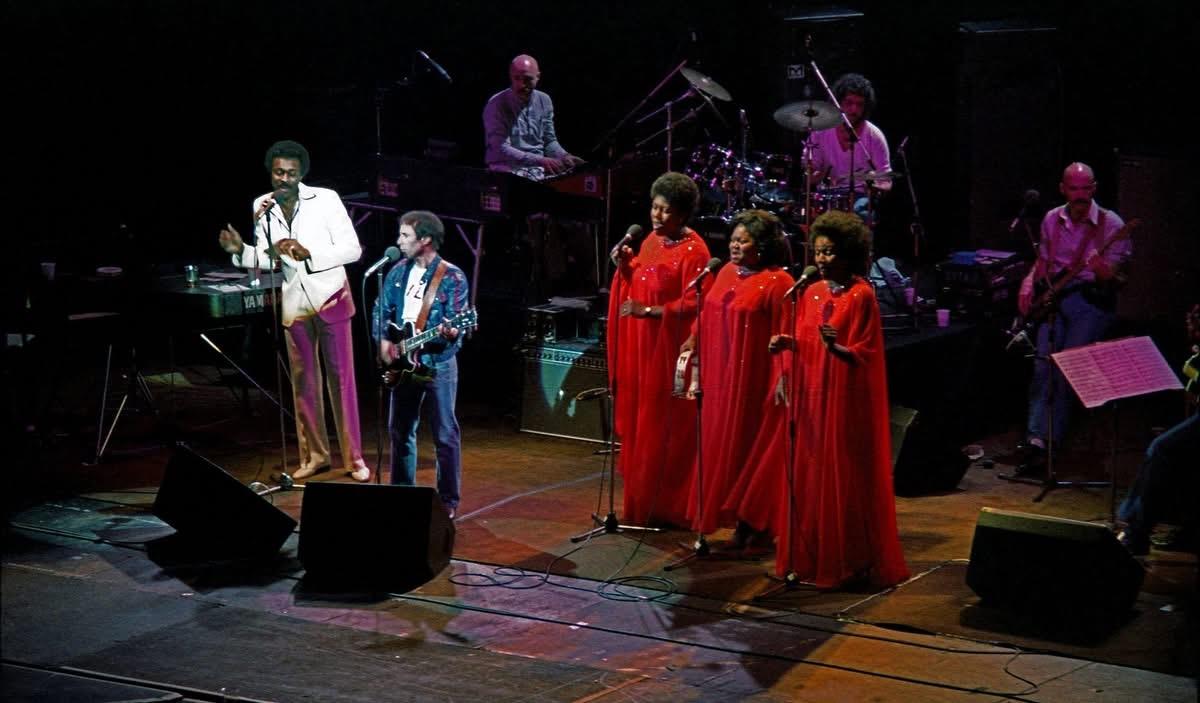
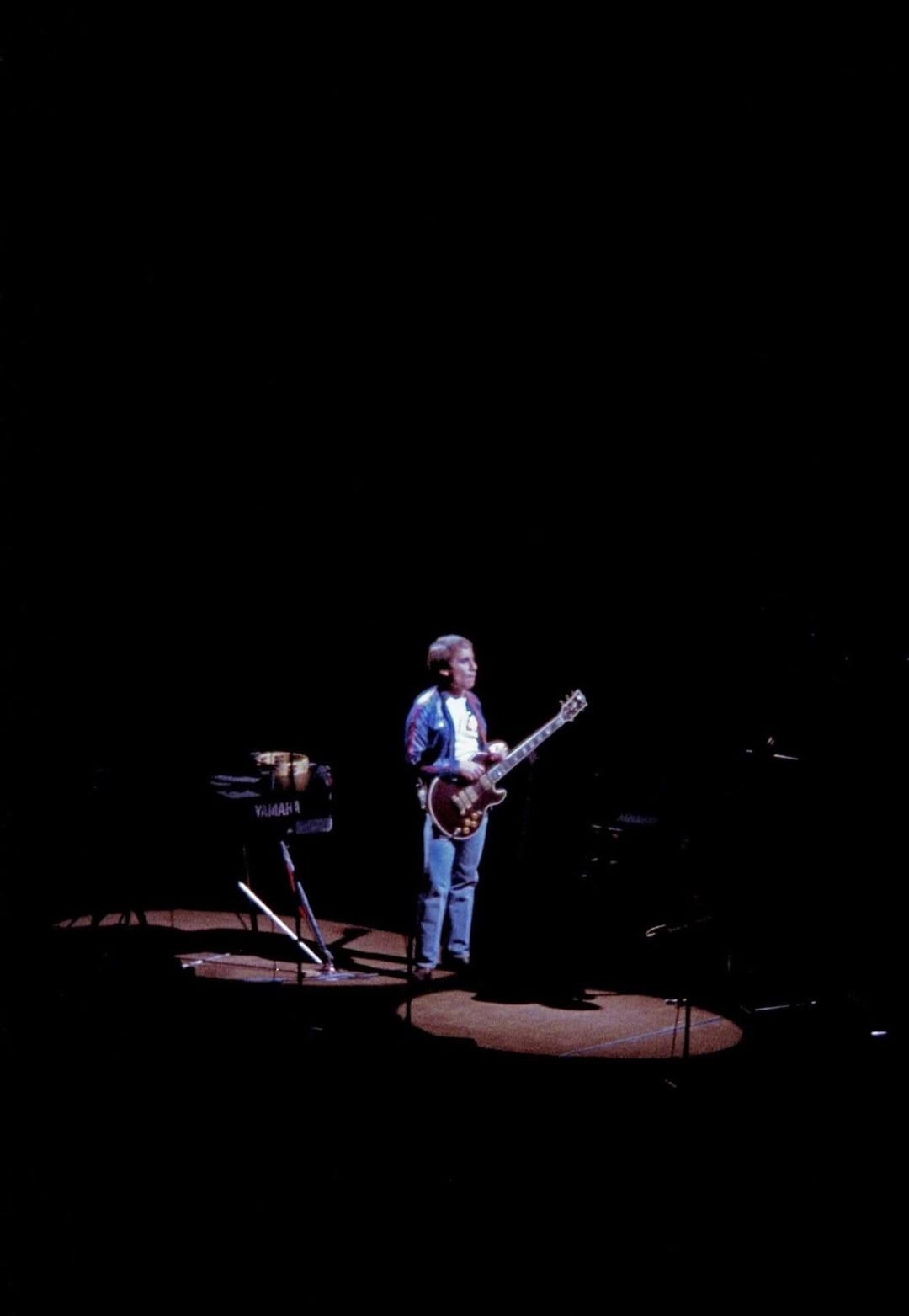
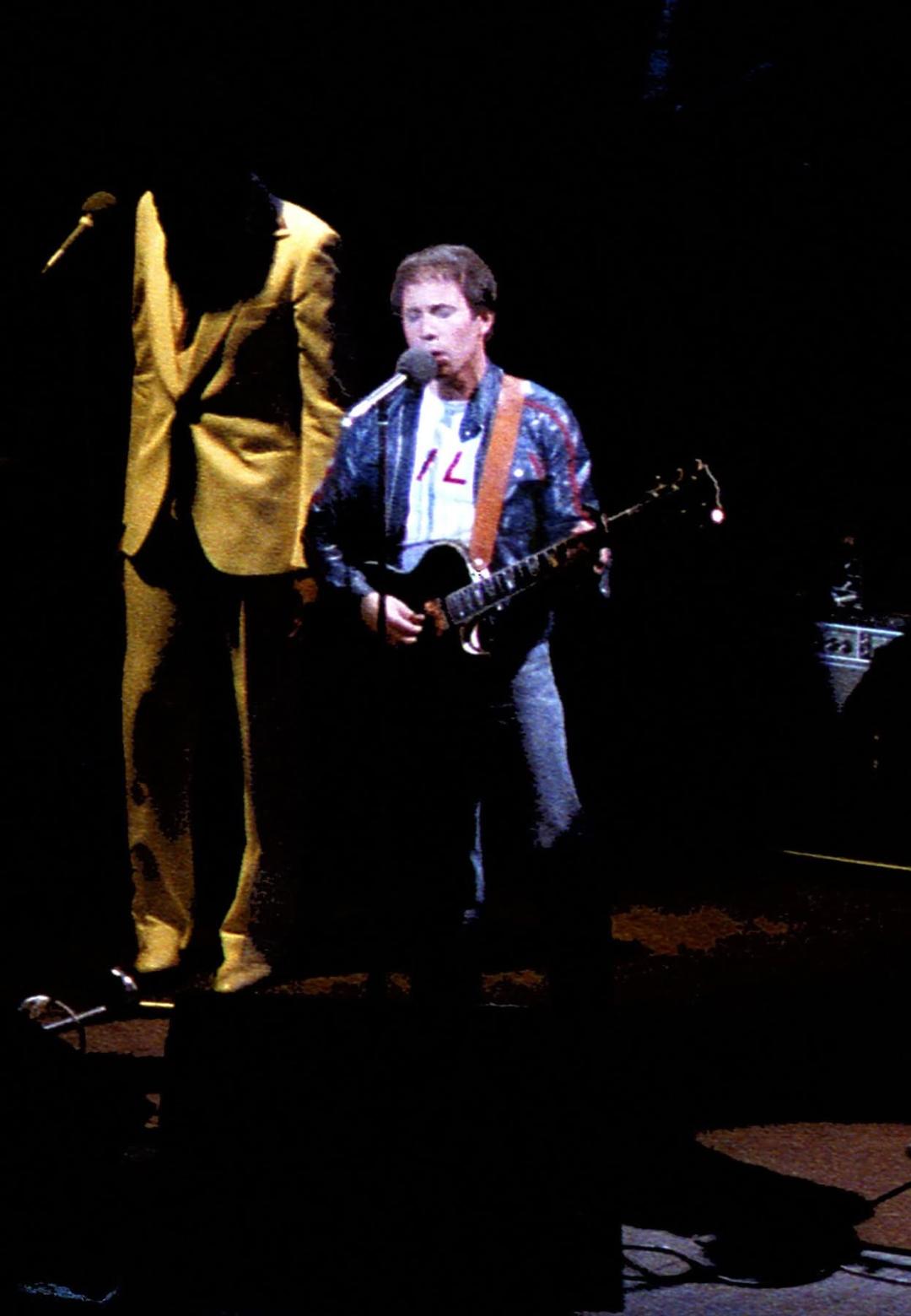
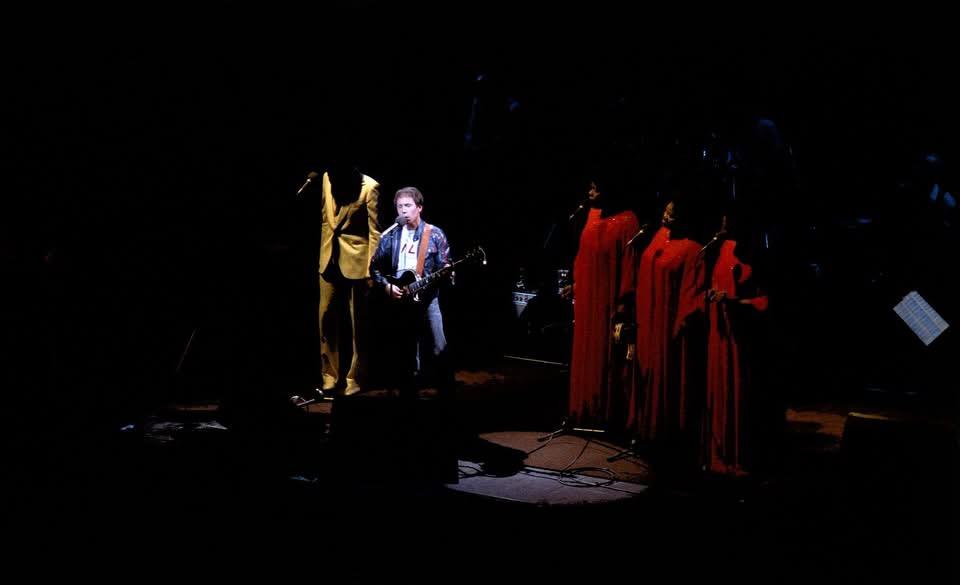
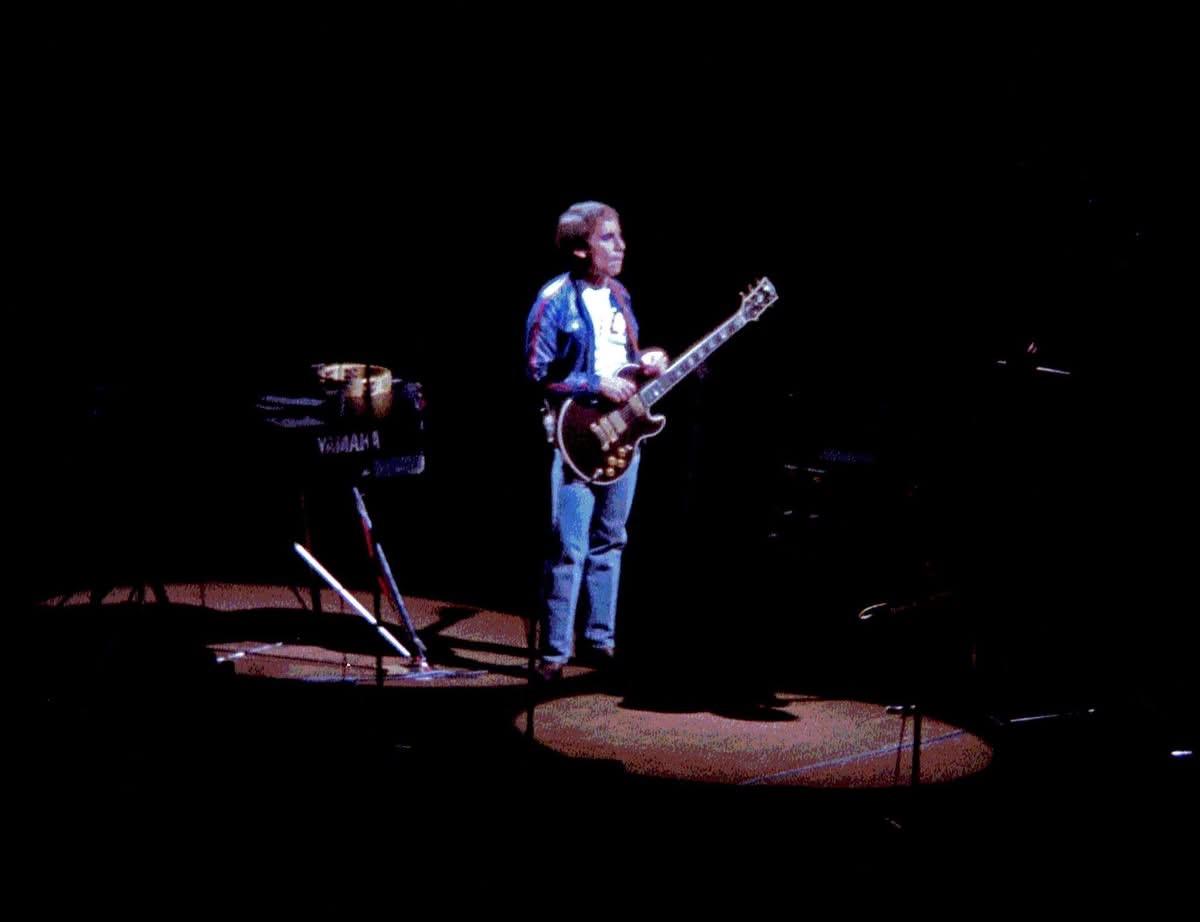
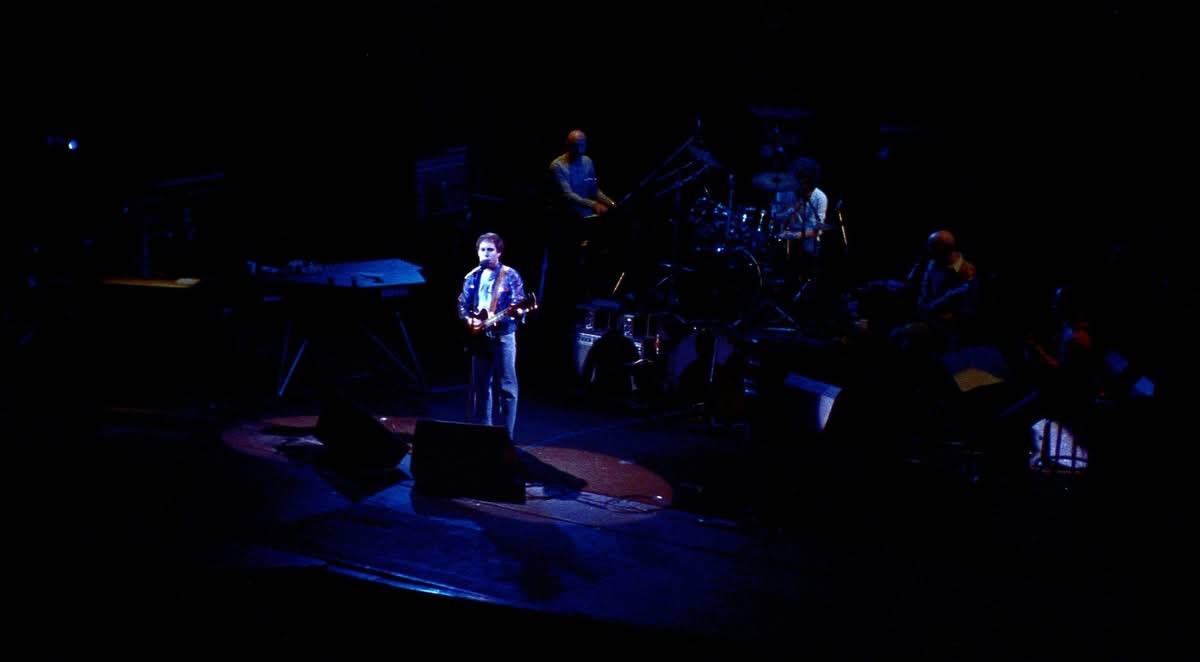
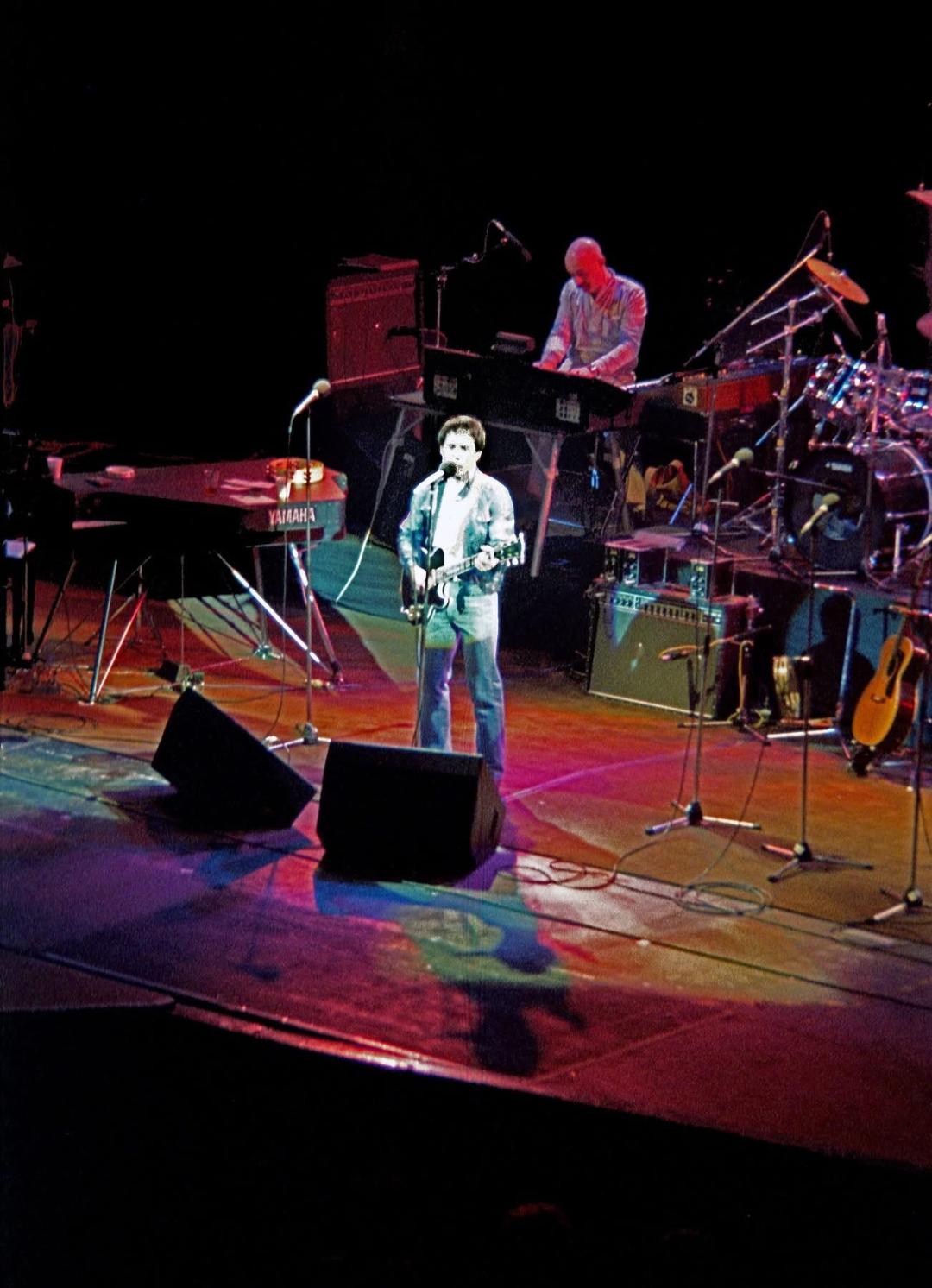
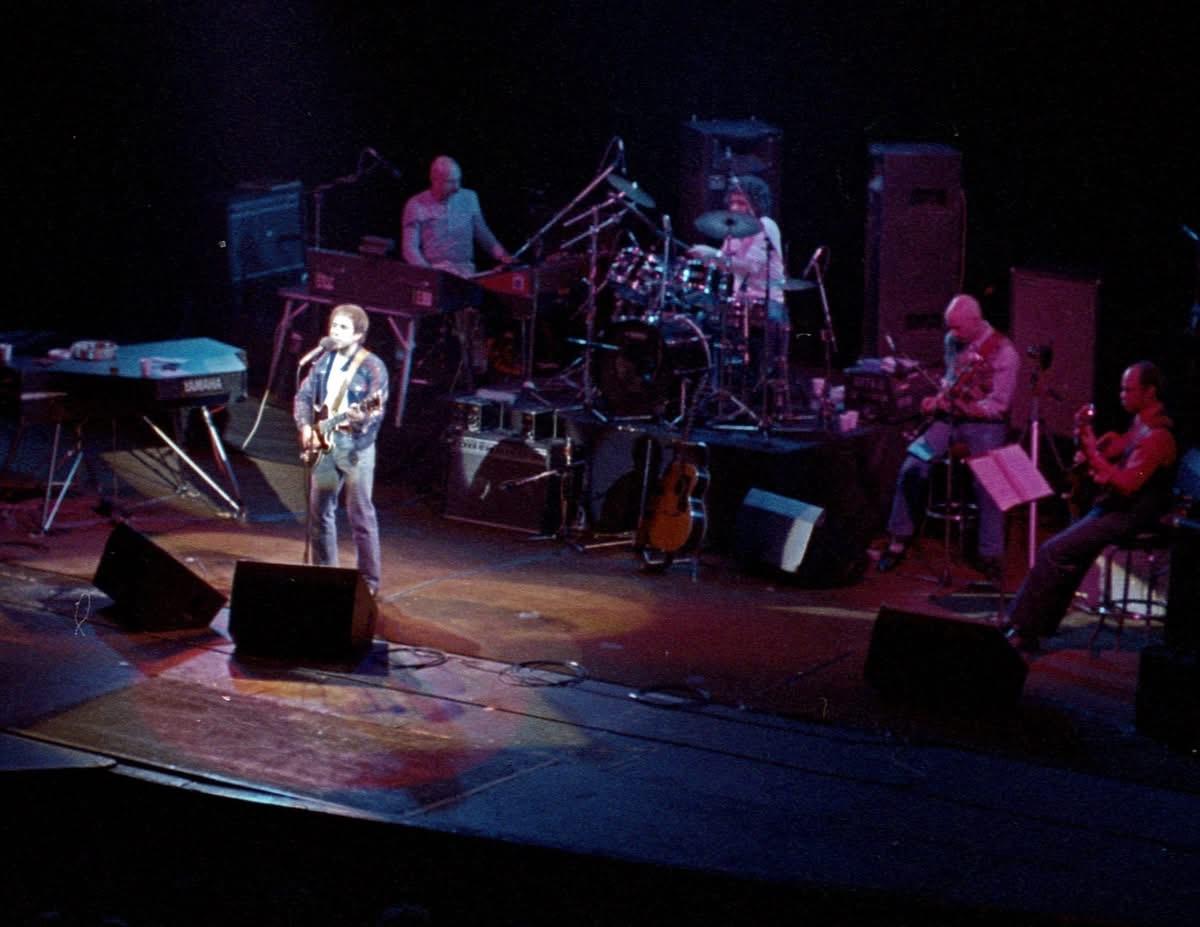
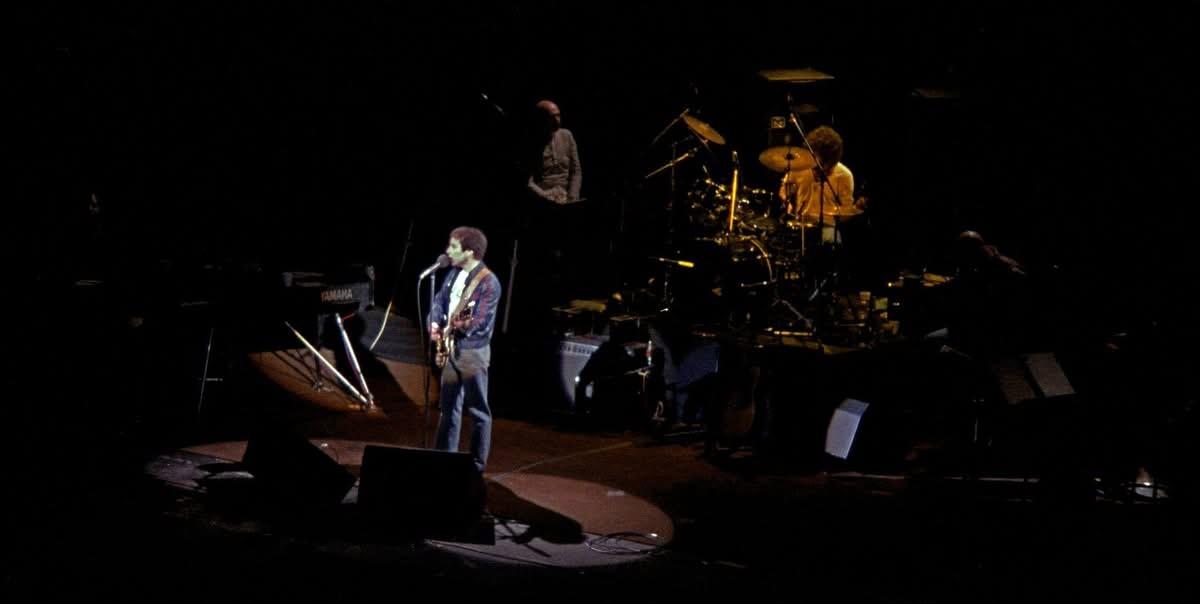
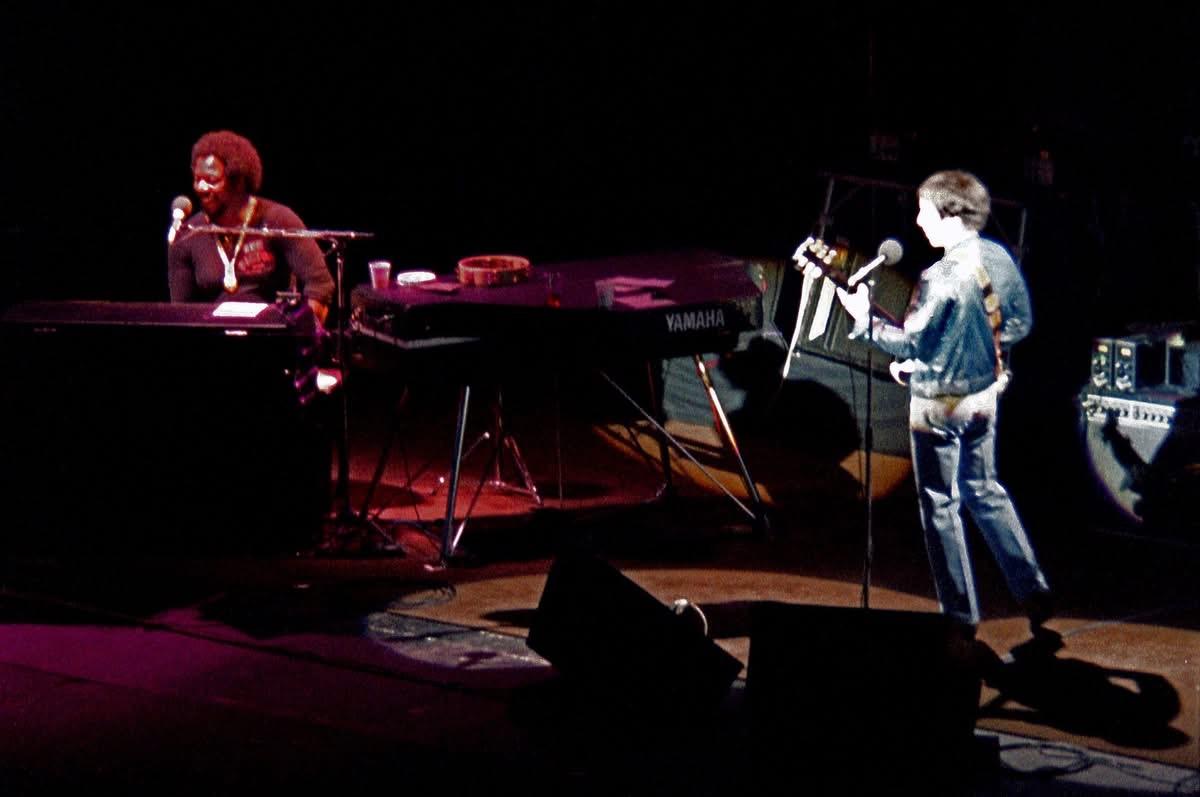
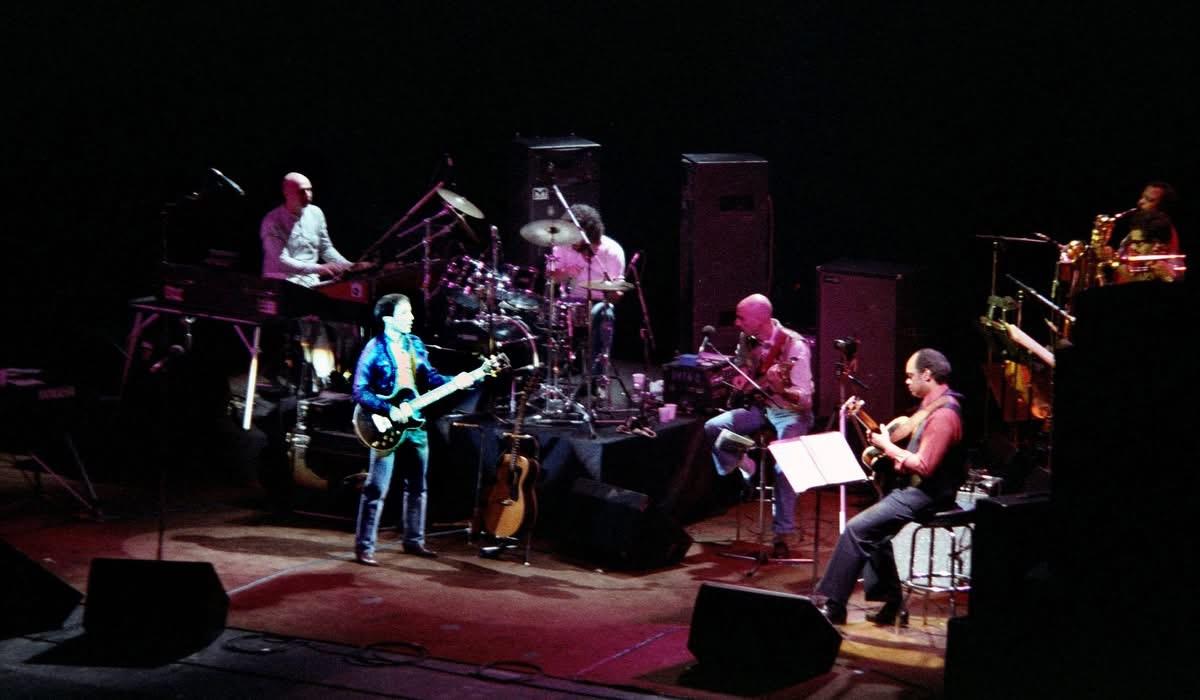
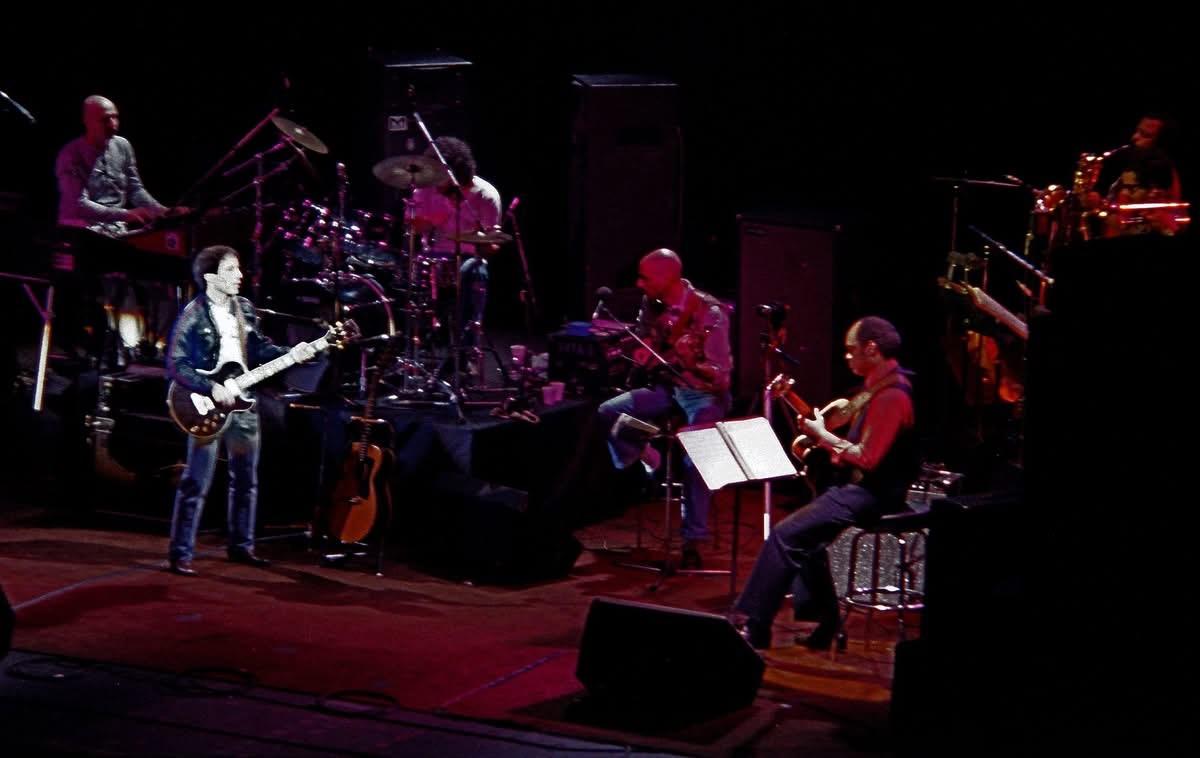
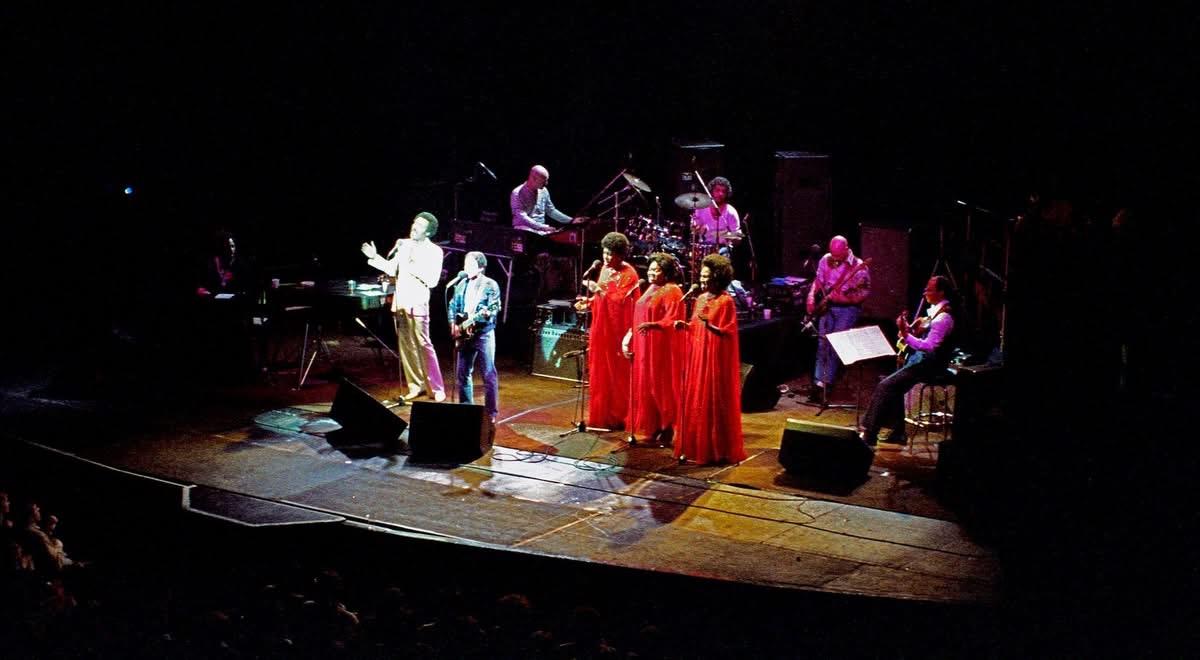
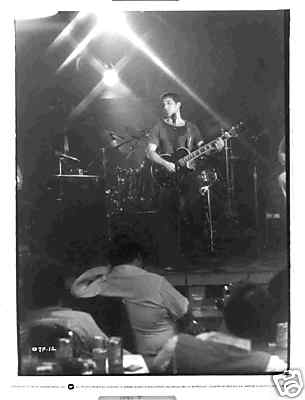
One trick pony tour 1980The Fall Tour
Tracks List Me & Julio Down By The Schoolyard
|
|||
SEPTEMBER 1980 |
|||
13 sept |
Cleveland, OH, USA |
Cleveland Music Hall
|
|
17 sept |
San Francisco USA |
San Francisco Civic
|
|
20 sept |
Universal City, CA, USA |
Universal Amphitheater Los Angeles
|
|
22 sept |
Universal City, CA, USA |
Universal Amphitheater Los Angeles
|
|
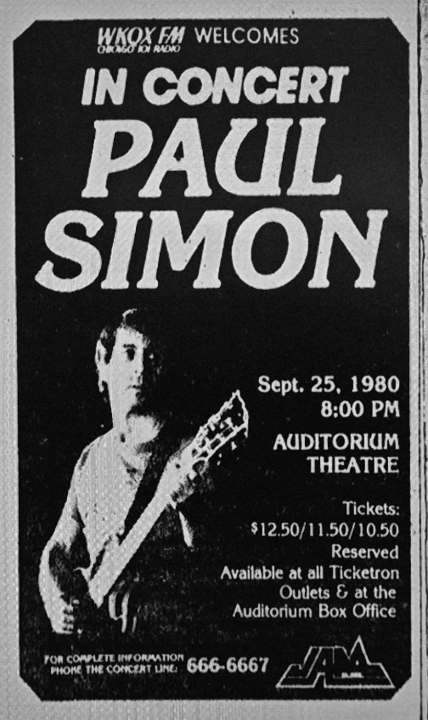
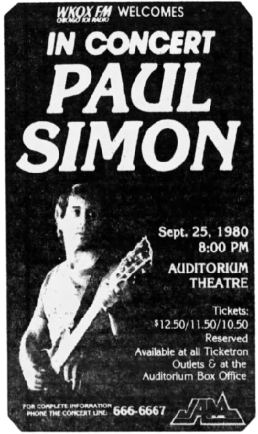
25 sept |
Chicago, IL, USA |
|
|
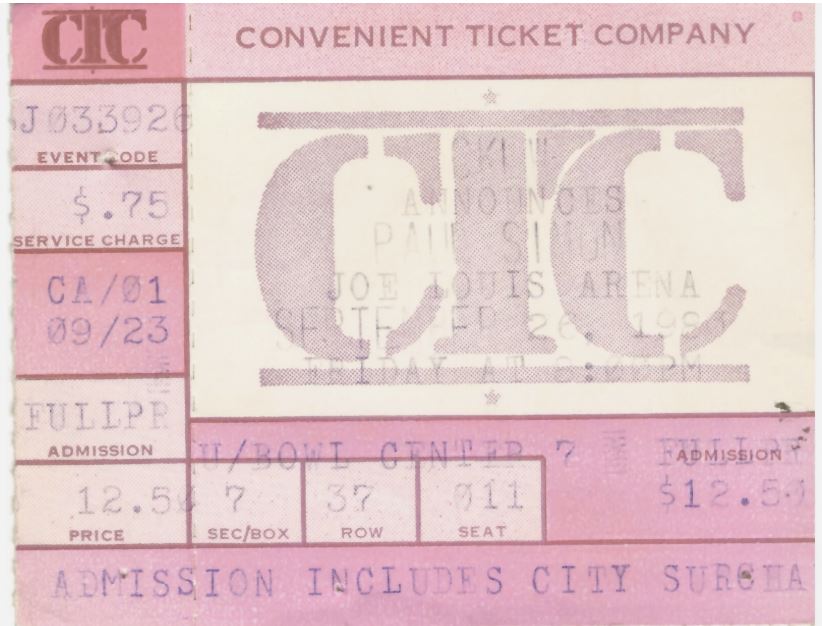
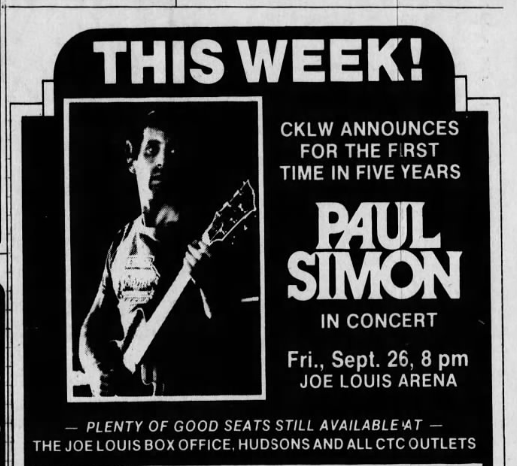
26 sept |
Detroit |
Joe Louis Arena Detroit Michigan
|
|
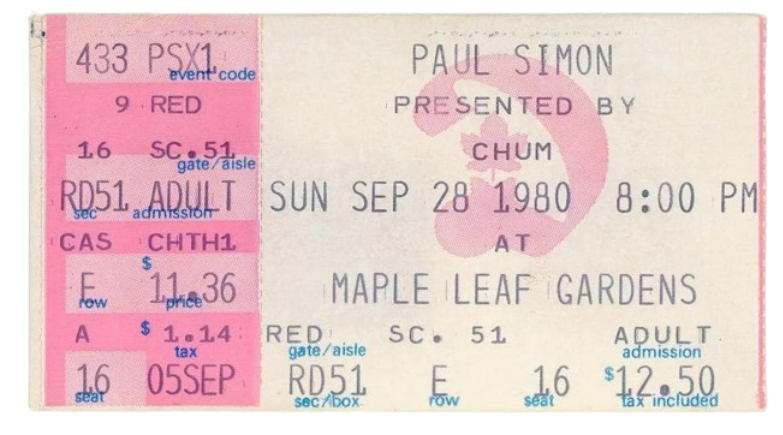
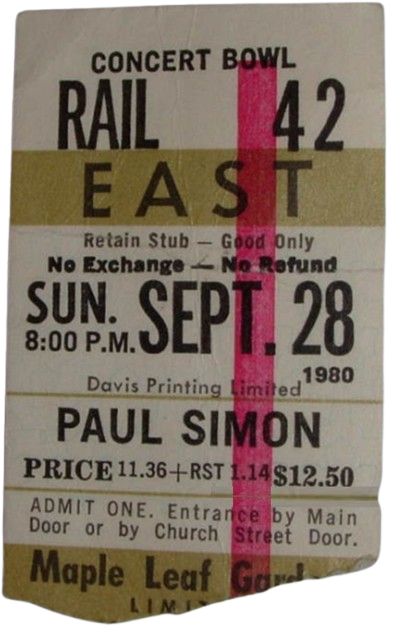
28 sept |
Toronto |
Maple Leaf Gardens
|
|
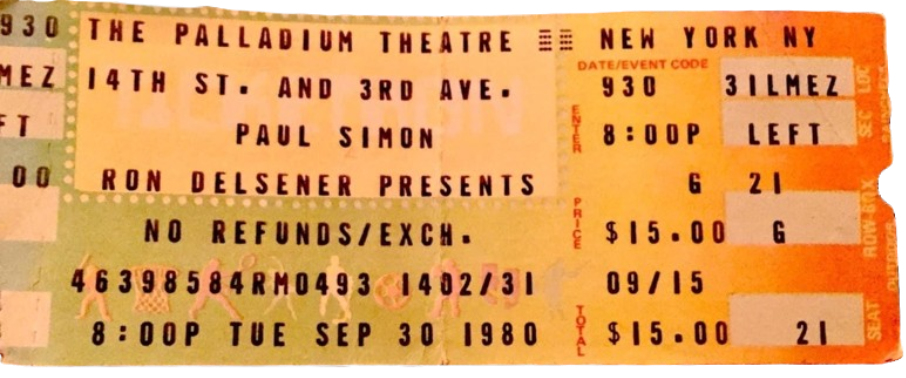
30 sept |
New York, NY, USA |
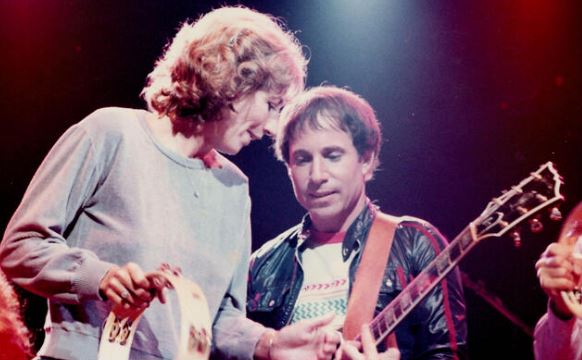
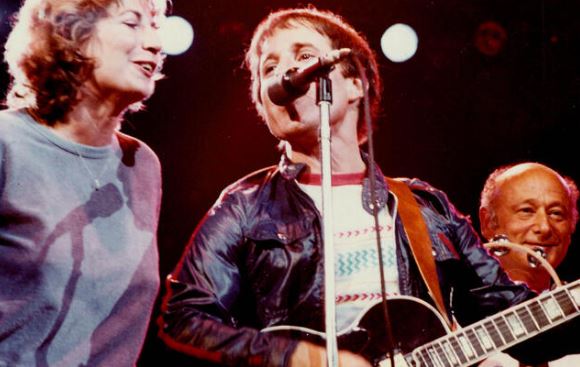
PAUL SIMON and PENNY MARSHALL |
|
OCTOBER 1980 |
|||
01 oct |
New York, NY, USA |
Palladium
|
|
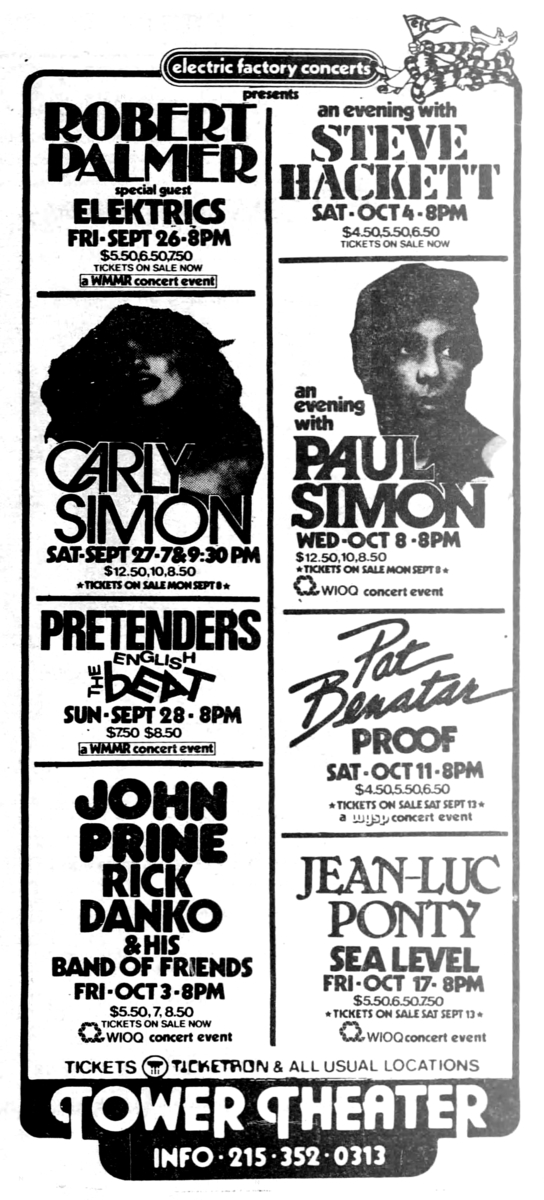
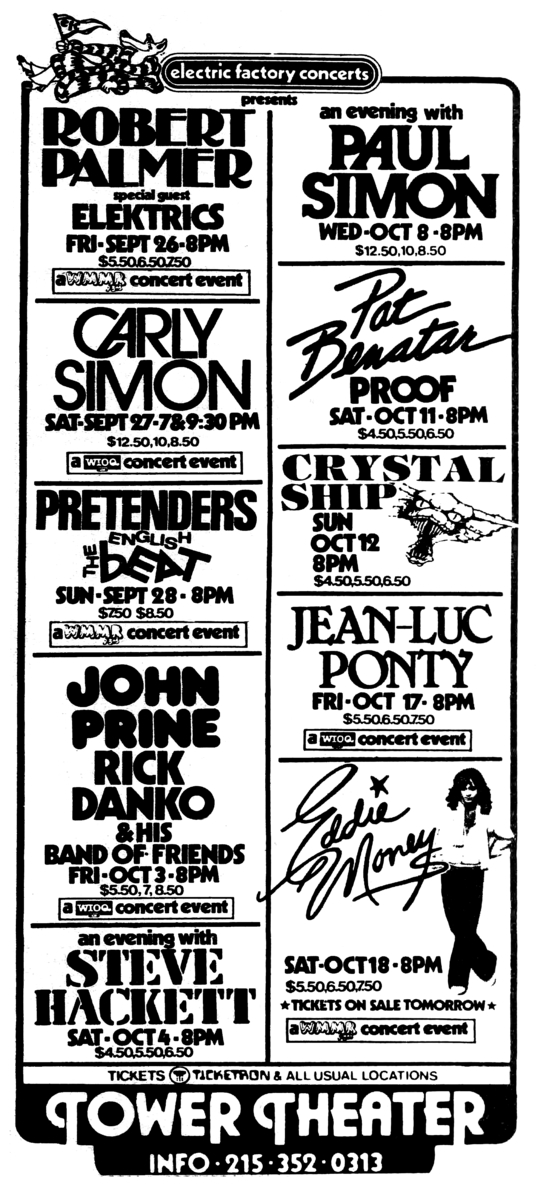
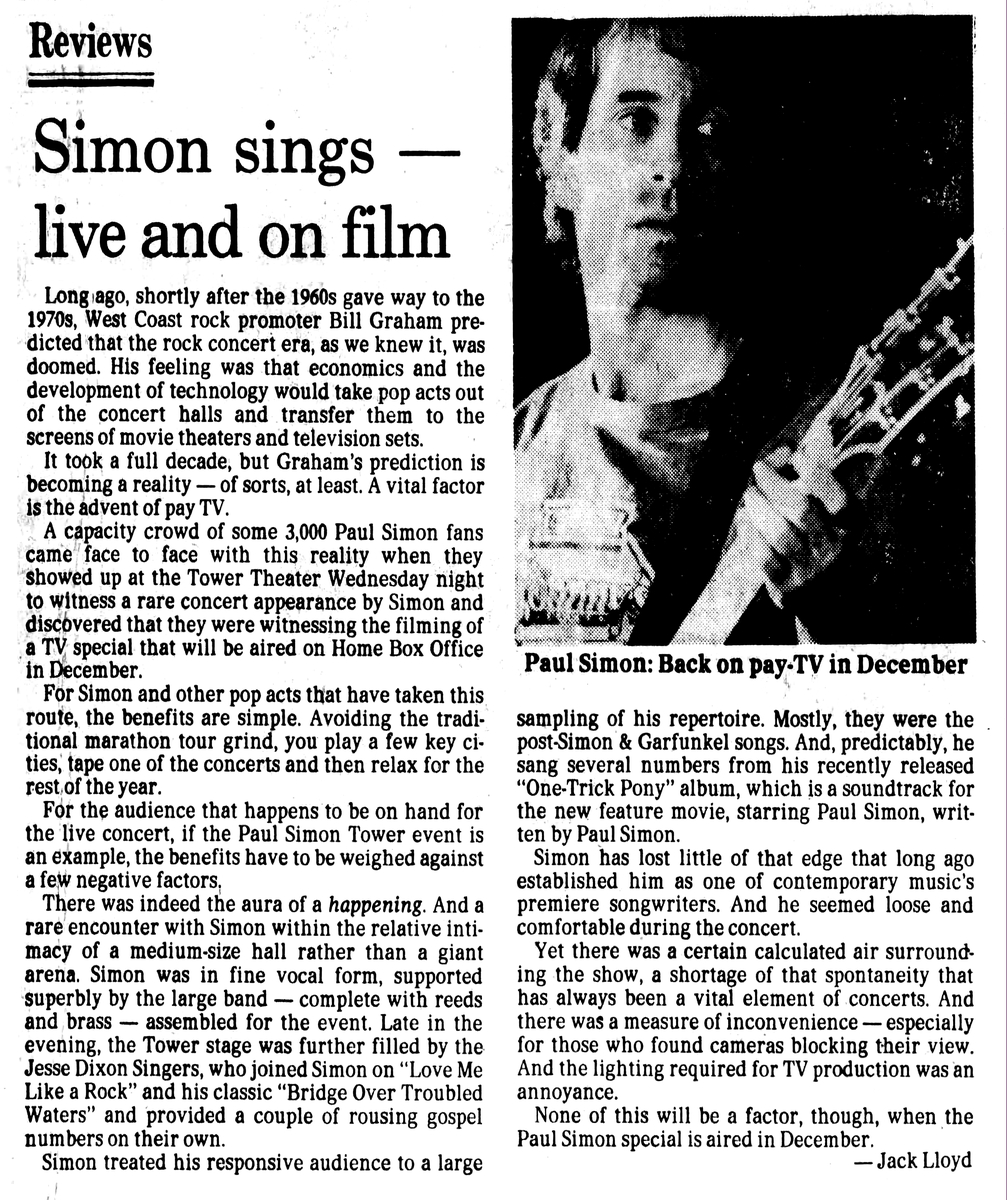
08 oct |
Philadelphia, PA; USA |
|
|
09 oct |
???? |
|
|
10 oct |
Atlanta GA; USA |
|
|
12 oct |
Fort Worth, TX, USA |
Will Rogers Auditorium |
|
18 oct |
Vienne |
|
|
20 oct |
TV |
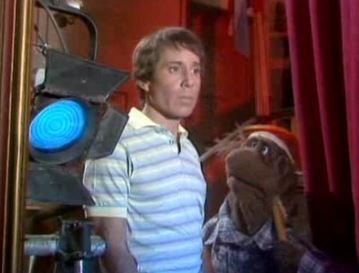
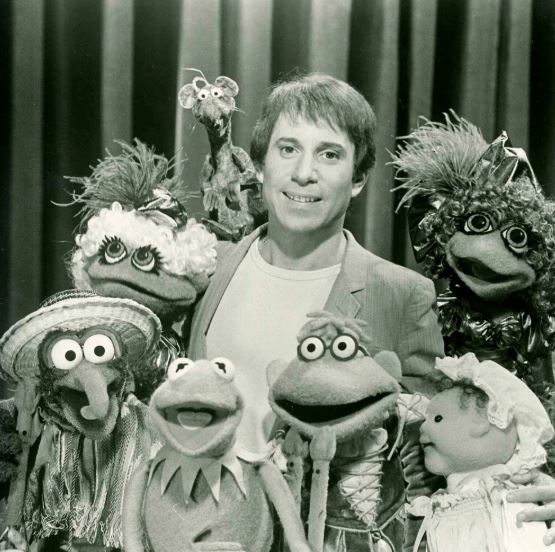
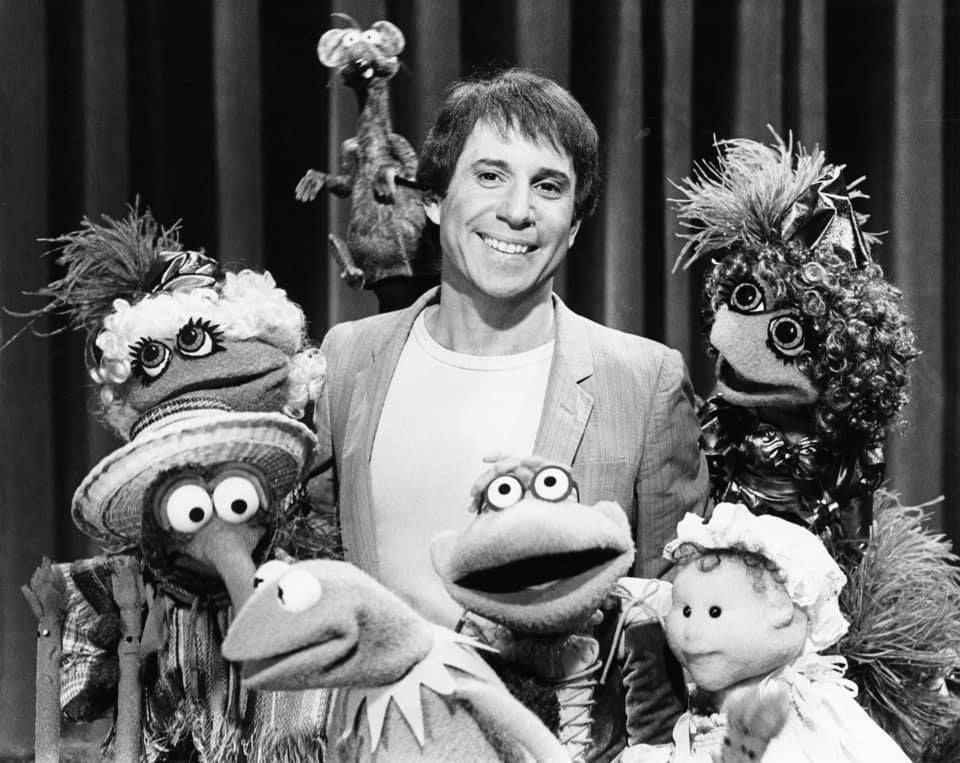
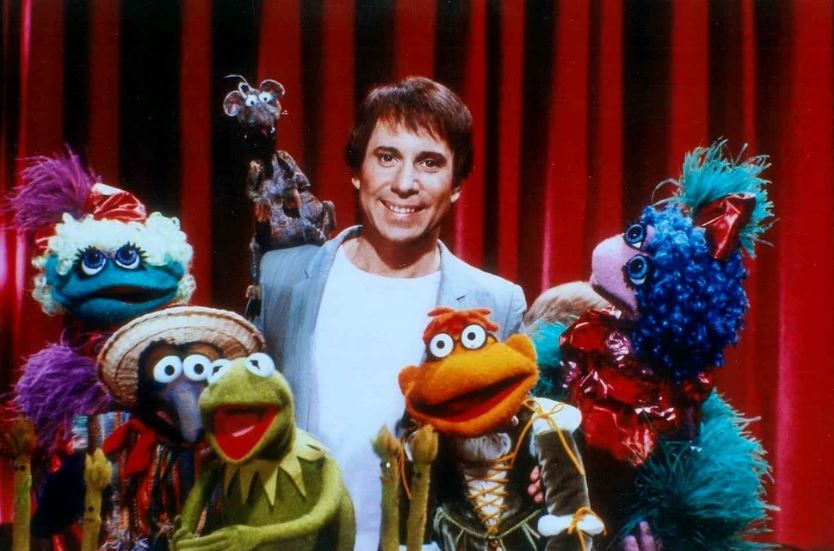
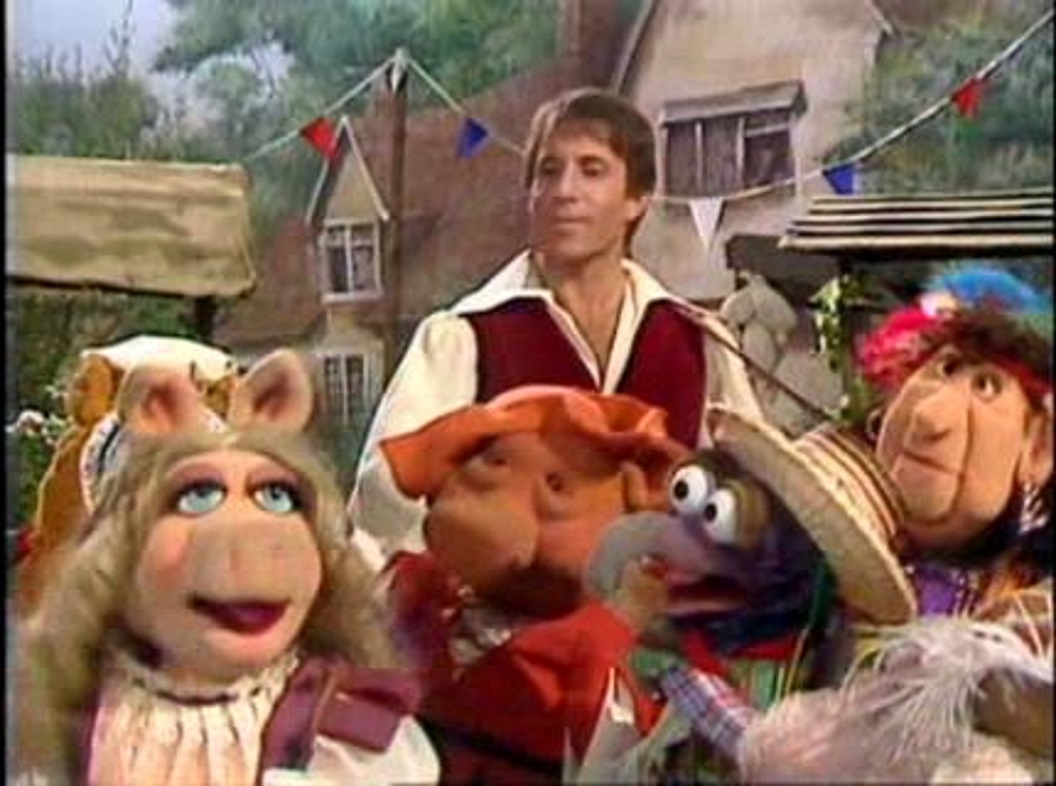
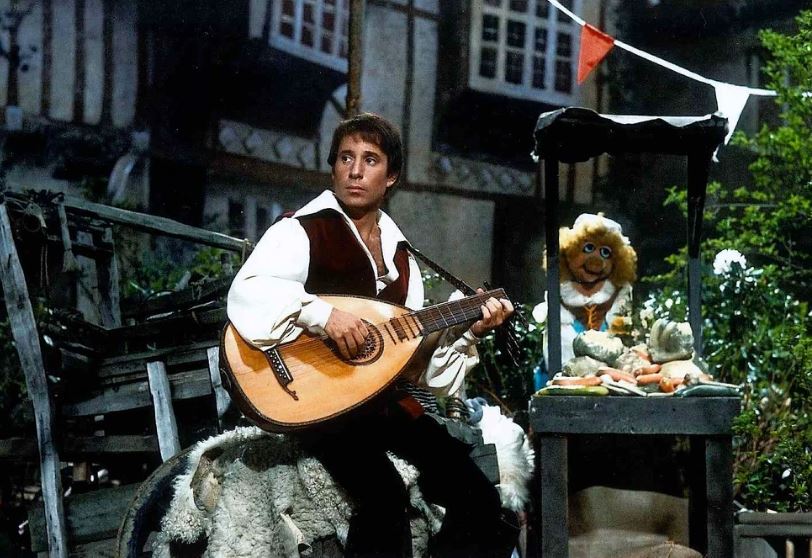
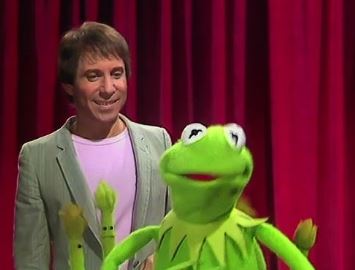
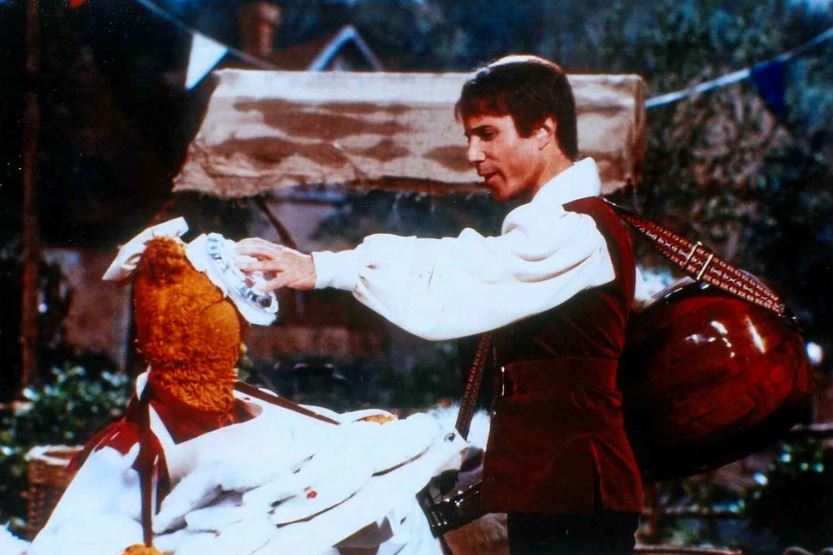
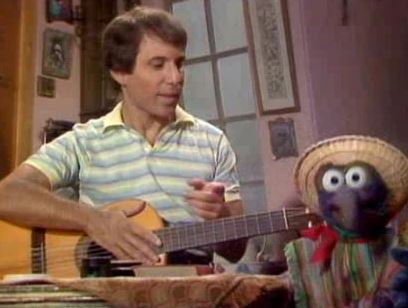
Muppets Show
|
|
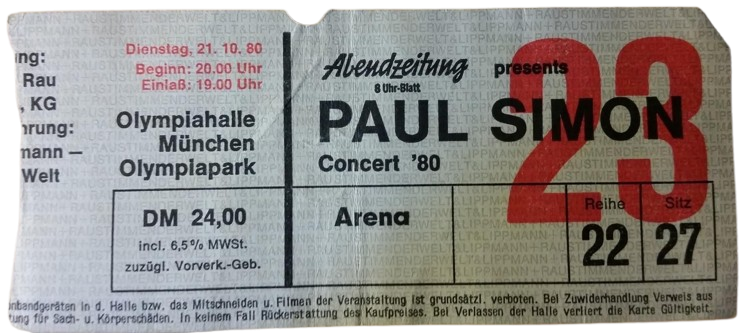
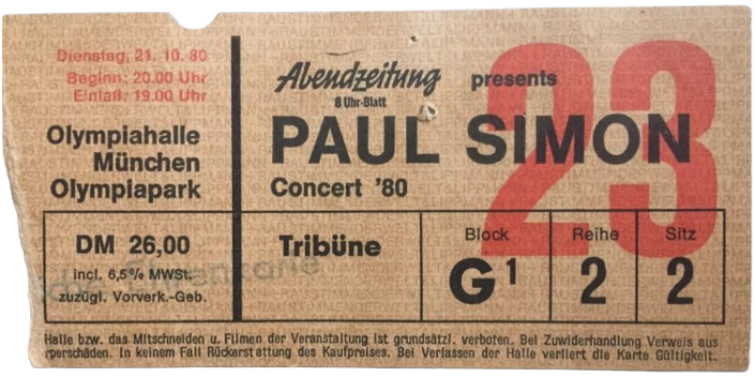
21 oct |
Munich, Allemagne |
|
|
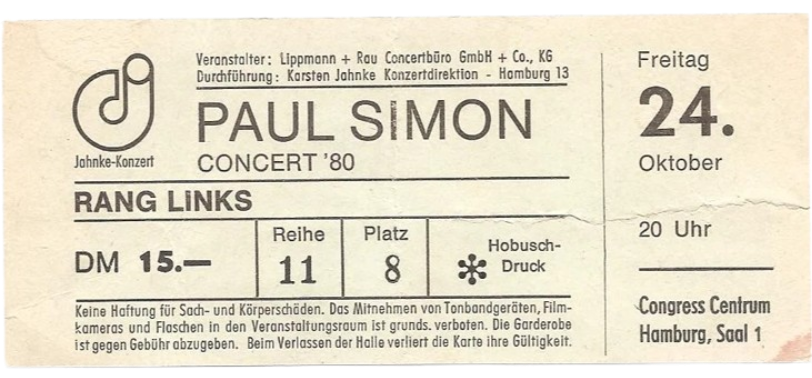
24 oct |
Hamburg |
Congress Centrum
|
|
26 oct |
Copenhagen, Denmark |
Tivolis Koncertsal,
|
|
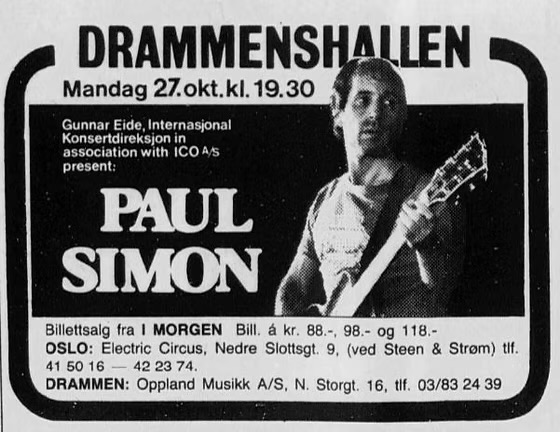
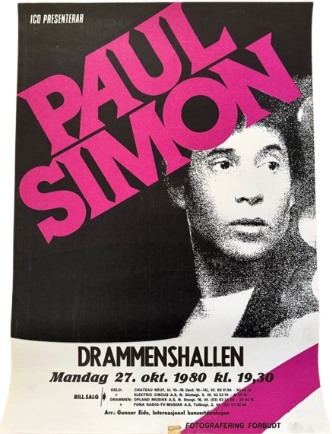
27 oct |
Drammen – Norway |
Drammenshallen
|
 |
28 oct |
Goteborg Scandinavie |
|
|
29 oct |
Paris |
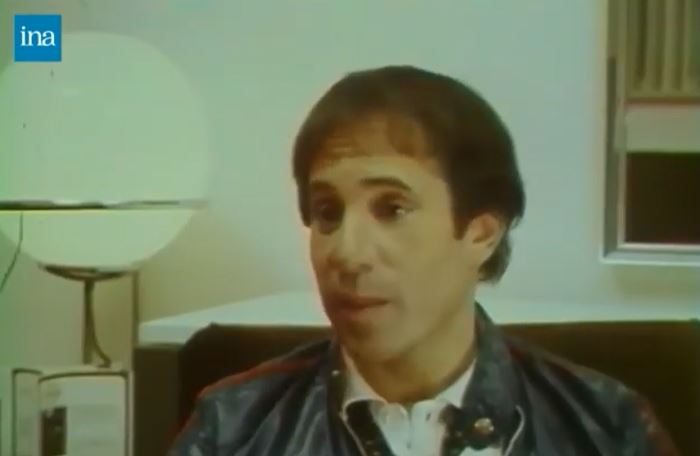
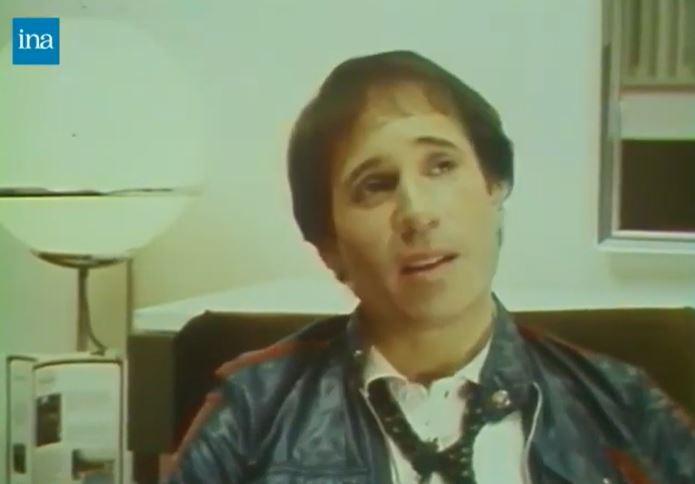
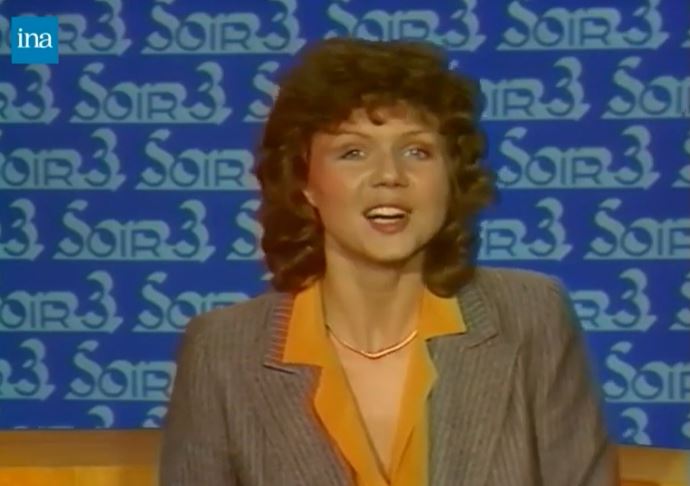
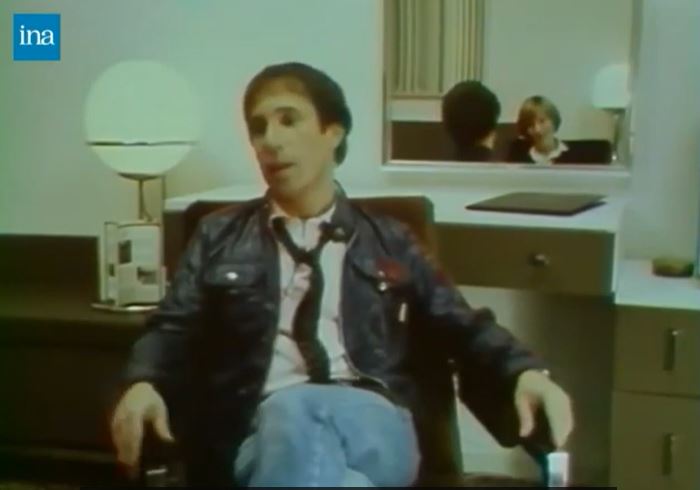
FR3 Soir 3 1) Context of the Interview Paul Simon appears on Soir 3 as part of the promotion for his One-Trick Pony project — both the album and film — and the European leg of his supporting tour. He was in Paris and discussed his music and career just prior to that evening’s performance at the Théâtre des Champs-Élysées. 2) Introduction & Public Perception Simon responds to the idea that he is seen as a melancholic or serious artist. He addresses the perception of his personality and music, noting that while some of his work may sound introspective, his intentions as a songwriter are more varied, and he does not subscribe to the stereotype of being simply melancholy. 3) Reflection on Simon & Garfunkel He reflects on his time with Art Garfunkel and the early days of their collaboration. Simon speaks about the emotional depth of the songs they created together and acknowledges how their music connected with audiences over the years. While he does not go into a long nostalgic reverie, he recognizes the importance of that chapter in his life and career. 4) Career Before Success Simon tells a memorable story from his early career, including an anecdote about being arrested in Paris — an incident he recounts with humor and care, showing his comfort in discussing both professional and personal moments. 5) Artistic Motivation & New Work In addition to reflecting on the past, he talks about his current artistic motivations, especially related to the One-Trick Pony album and film. He describes his approach to writing music, the emotional themes in his work, and what drives him at that stage of his career.
|
|
30 oct |
|
||
NOVEMBER 1980 |
|||
01 nov |
London BBC |
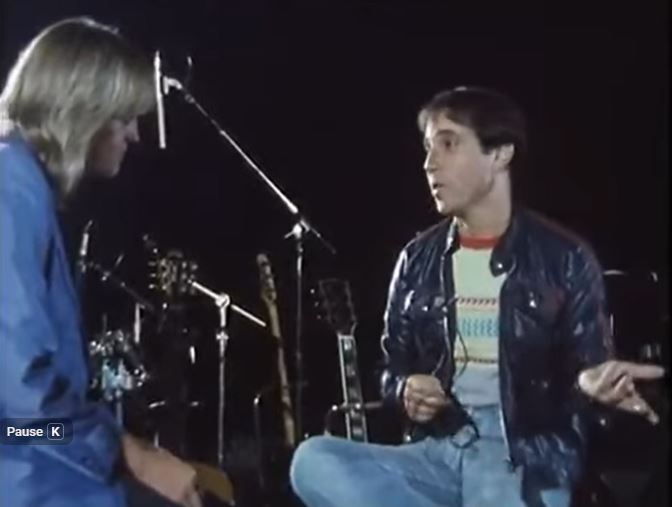
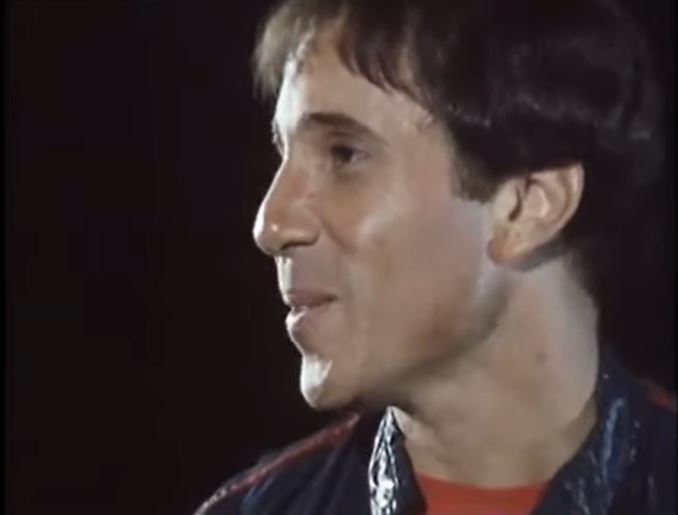
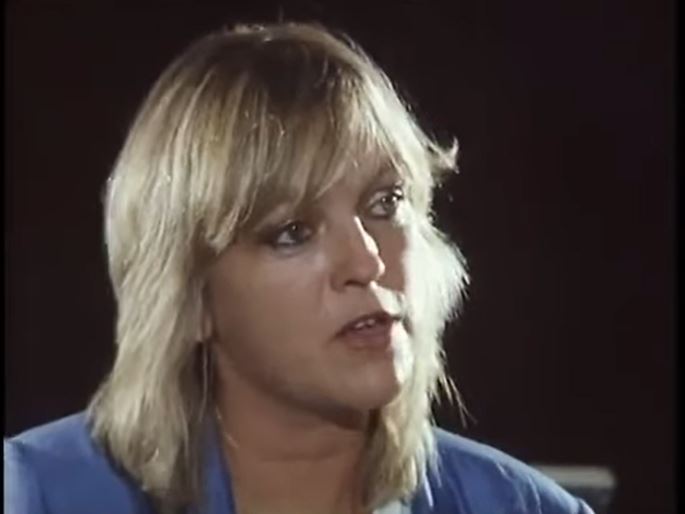
On the 1st of November 1980, Paul Simon told Annie Nightingale on The Old Grey Whistle Test about striking a balance between playing new material and his previous hits
|
|
01 nov |
Frankfurt, Allemagne |
|
|
02 nov |
Brussel, Belgique |
Vorst National
|
|
03 nov |
Amsterdam, Holland |
Carre |
|
04 nov |
Londres, Angleterre
|
||
06 nov |
Londres, Angleterre
|
 |
|
07 nov |
Londres, Angleterre
|
Hammersmith Odeon |
|
08 nov |
Londres, Angleterre
|
Hammersmith Odeon
|
|
1981 |
|||
OCTOBER 1981 |
|||
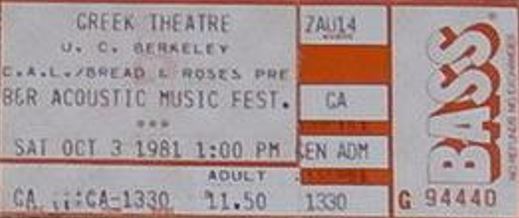
02 oct |
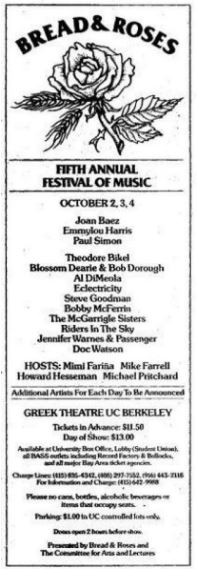
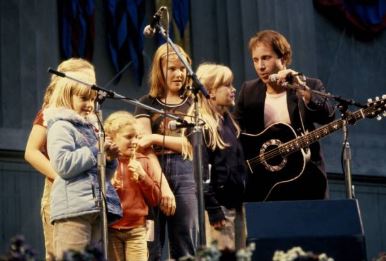
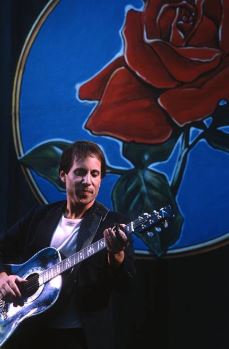
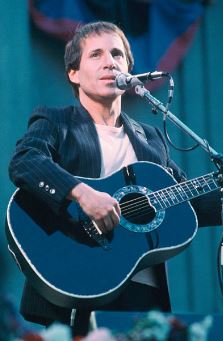
Berkeley, CA, USA |
|
|
25 feb |
Grammy Awards |
||
1982 |
|||
MAY 1982 |
|||
20 may |
New York |
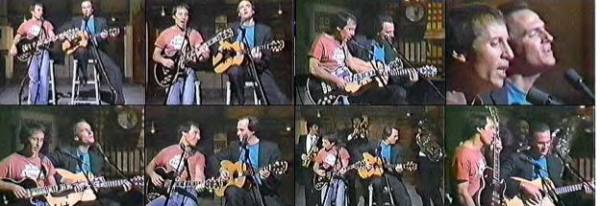
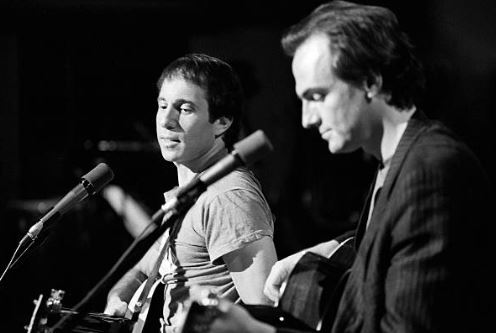
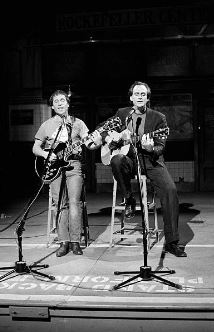
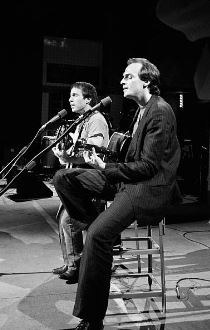
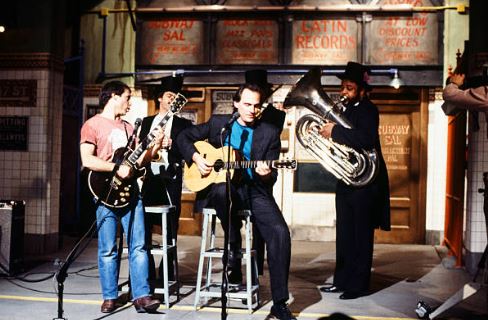
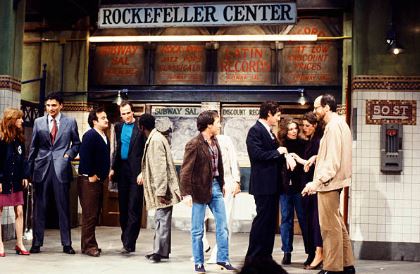
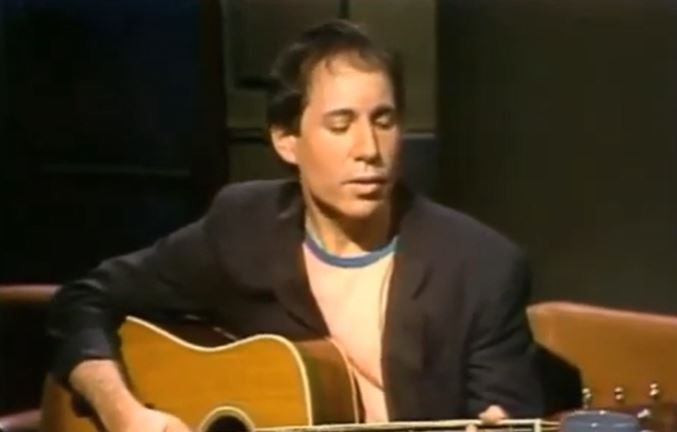
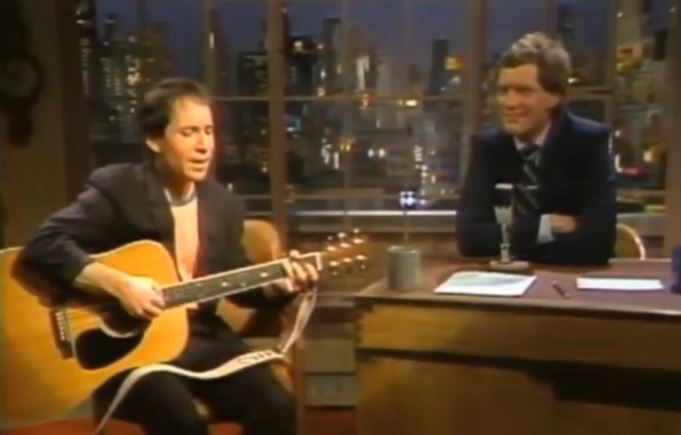
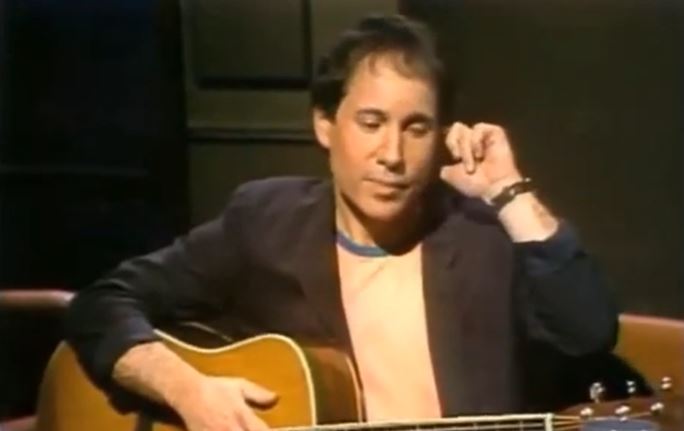
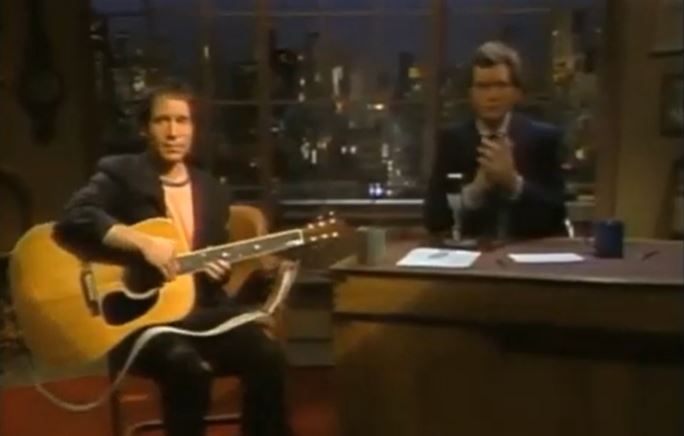
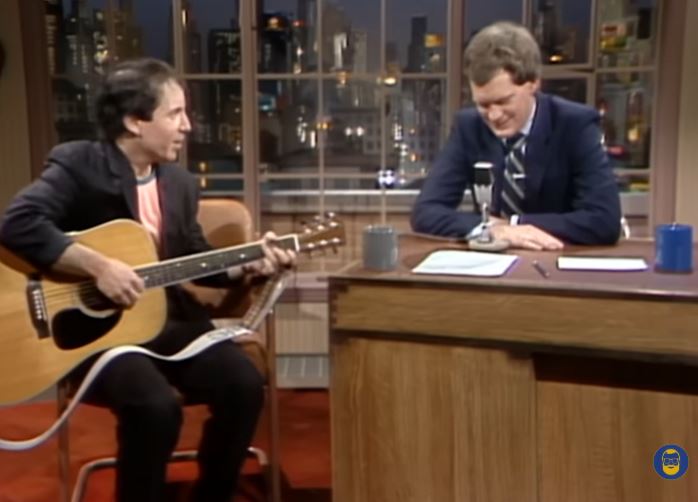
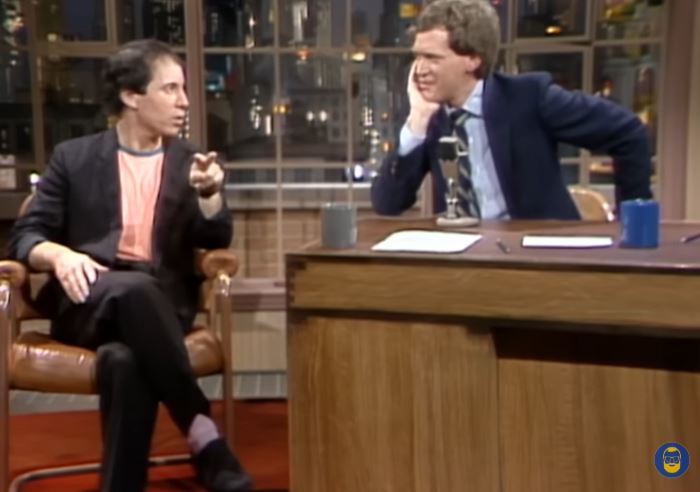
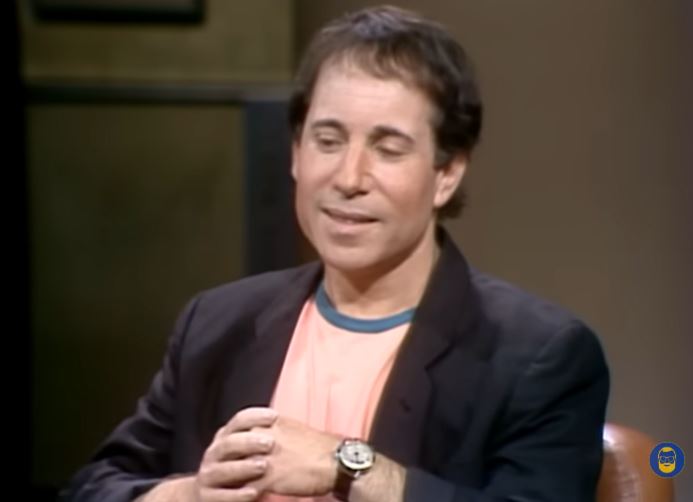
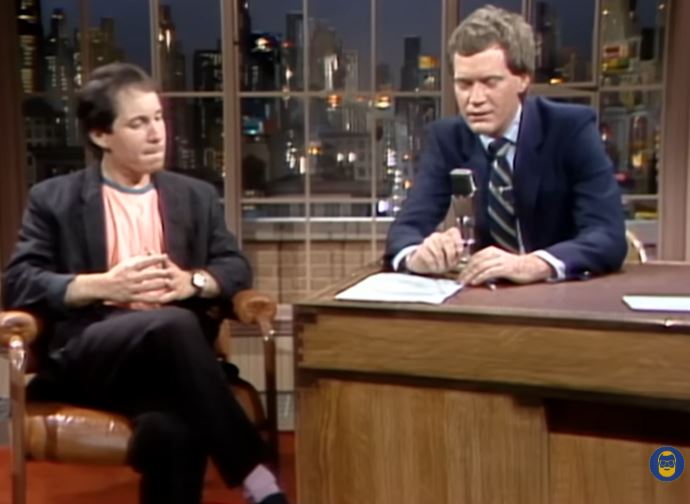
Late night with David Letterman NBC at Rockefeller Center Paul Simon appeared on Late Night with David Letterman on May 20, 1982, in a special episode largely centered on him. The show combined conversation and live performance, offering a rare glimpse into Simon’s creative process while he was still developing new material, including “Citizen of the Planet.” Overall Tone and On-Screen Presence Paul Simon presents himself as calm, controlled, and intellectually focused. He speaks deliberately, often choosing precision over spontaneity. His demeanor suggests neither anxiety nor enthusiasm; instead, he projects a quiet confidence grounded in self-awareness. Simon does not attempt to entertain in the conventional sense. He rarely embellishes his answers and often responds with understated humor, brief pauses, or literal interpretations of Letterman’s questions. This creates a restrained but compelling atmosphere, where meaning emerges through nuance rather than performance. Attitude Toward Fame and Public Image A recurring undercurrent throughout the interview is Simon’s discomfort with fame. He avoids discussing success in celebratory terms and downplays his status as a public figure. Instead, he consistently reframes his identity around work rather than recognition. Simon implicitly challenges the idea that artistic value is connected to visibility. He suggests that public attention is an incidental byproduct of songwriting, not its purpose. This stance positions him in quiet opposition to the media logic of late-night television. Songwriting as Craft Simon speaks of songwriting as a disciplined, methodical process. He rejects romanticized notions of inspiration and instead emphasizes rhythm, structure, and revision. According to him, songs are not discovered but constructed — shaped slowly through trial, patience, and careful listening. He highlights rhythm as the foundation of his work, often preceding lyrical content. This perspective reflects his long-standing belief that musical form carries meaning before words do, a principle that would later become even more pronounced in his work. Relationship with the Audience Simon suggests that once a song is released, its meaning is no longer controlled by its creator. He appears comfortable with this loss of ownership, accepting that listeners will interpret songs through their own experiences. Rather than seeking emotional validation from audiences, Simon seems to value distance — allowing the work to exist independently of both the artist and the listener. This reinforces his preference for artistic autonomy over public engagement. Humor, Silence, and Resistance to the Format Much of the interview’s richness lies in what is not said. Simon frequently uses silence, minimal responses, and restrained irony as tools. When confronted with Letterman’s playful provocations, he neither resists nor fully participates, choosing instead a middle ground that subtly undermines the expected rhythm of a talk show. This approach can be read as a form of quiet resistance: Simon remains present and cooperative, yet never relinquishes control over how he is represented. Interaction with David Letterman David Letterman plays the role of instigator, using exaggeration and absurdity to provoke reactions. Paul Simon responds by grounding the conversation in seriousness and precision. The contrast between the two creates a productive tension that defines the interview. Rather than clashing overtly, Simon allows the imbalance to exist, using it to reaffirm his own values: clarity over spectacle, substance over performance. Musical Performance In keeping with the format of the program, Paul Simon performs a song live. The performance is understated and focused, with no theatrical embellishment. The emphasis remains on composition and musicianship rather than vocal display. Archival sources most frequently identify the song as “Late in the Evening,” although some surviving recordings omit the performance segment entirely.
|
|