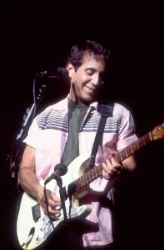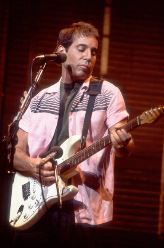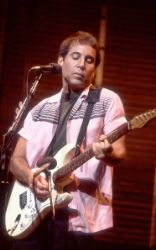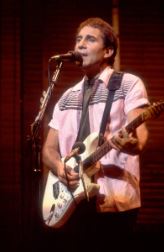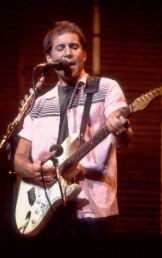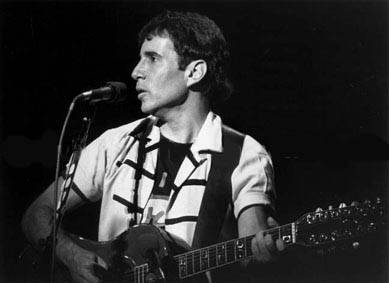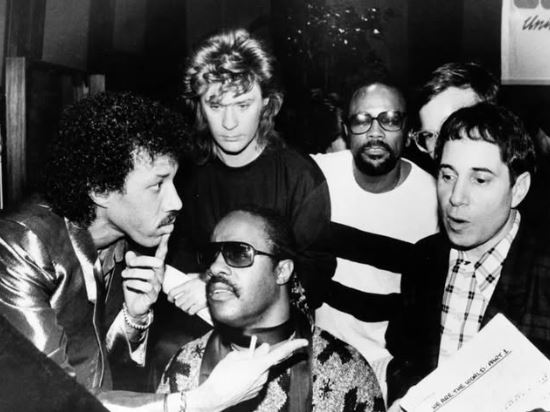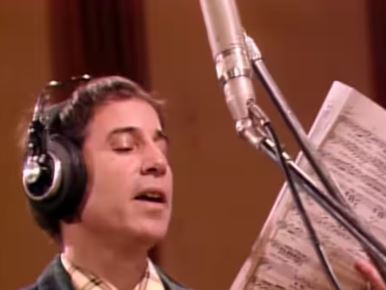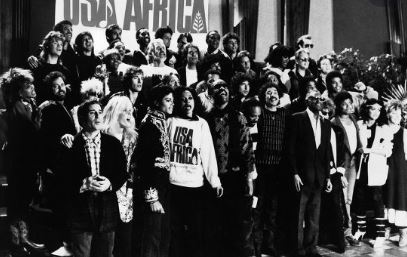
19841985 |
 |
 |
 |
 |
 |
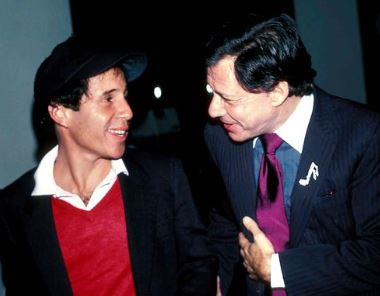 |
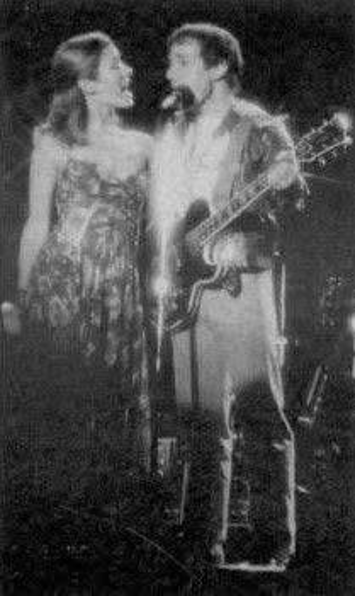
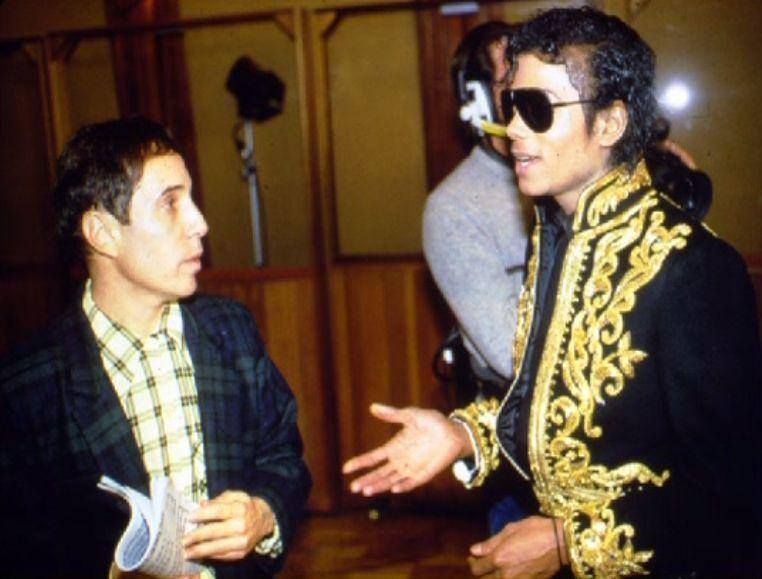
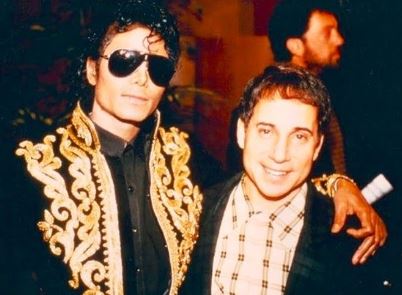
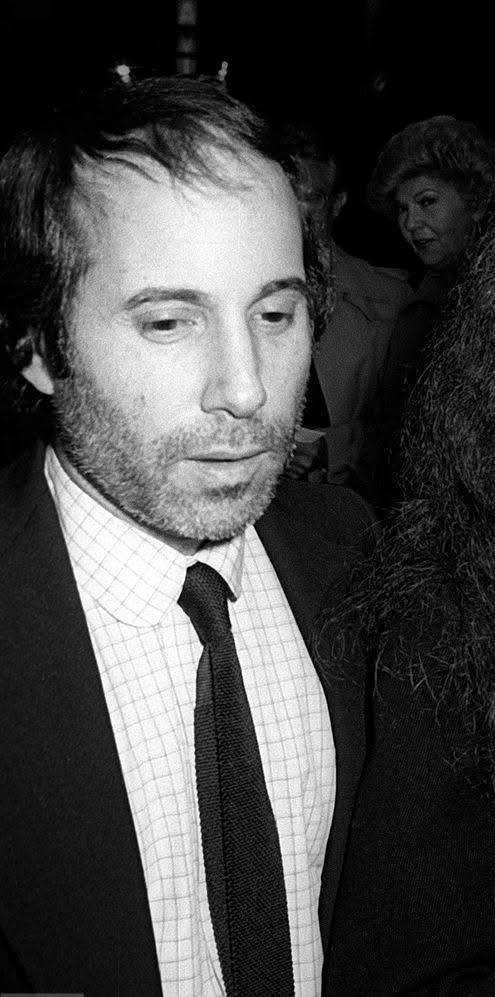
Paul Simon and Eddie Fisher (date Unknow) |
Date Unknow |
 |
|
Concerts SOLO
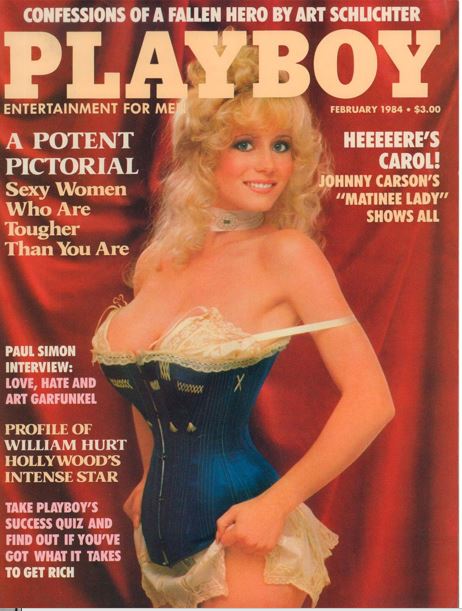
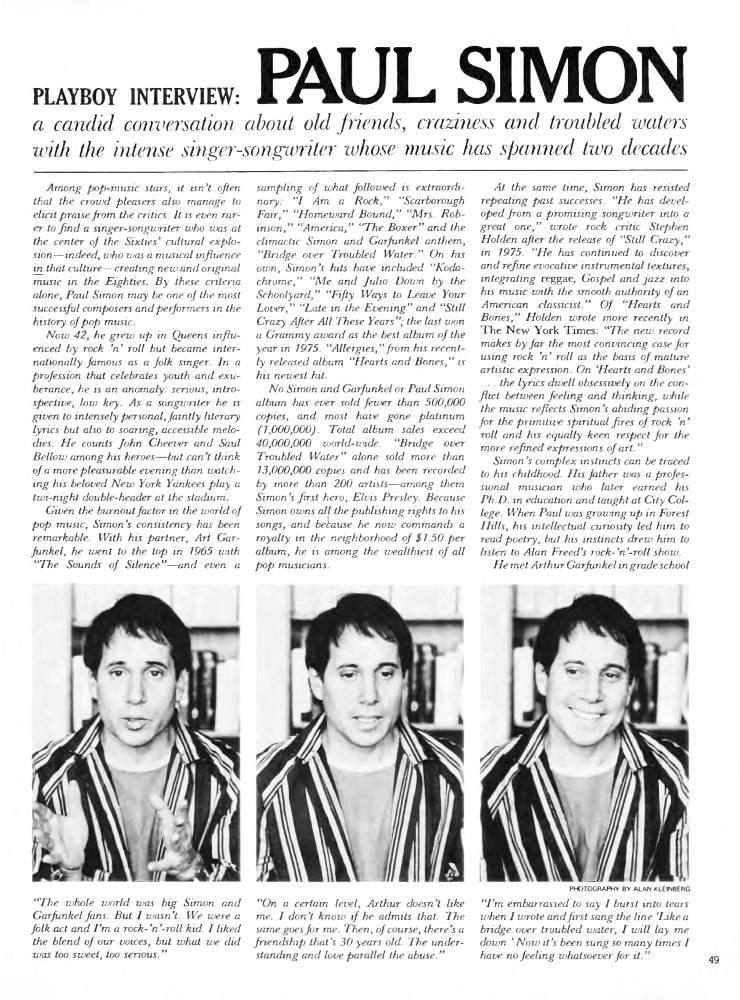
Fame and Identity Simon describes fame as a destabilizing force rather than a reward. He explains that public recognition distorts personal identity, interferes with ordinary human relationships, and creates a persistent sense of alienation. He emphasizes that he never sought celebrity status and has never felt at ease with it. Success, in his view, is largely accidental — a byproduct of songwriting rather than its purpose. He repeatedly separates public approval from artistic value, insisting that the two are often in conflict. Simon & Garfunkel: A Closed Chapter Simon addresses his former partnership with Art Garfunkel with unusual clarity. He characterizes the relationship as fundamentally conflicted and creatively limiting, despite its historical importance. He explicitly rejects the idea of a permanent reunion and states that returning to the duo would represent artistic regression rather than renewal. While acknowledging the significance of Simon & Garfunkel’s work, he refuses to allow it to define his future or serve as a safe refuge. Creative Doubt and the Writing Process A central theme of the interview is Simon’s growing difficulty with songwriting. He explains that writing has become slower, more demanding, and more uncertain with age. Each song undergoes intense scrutiny, and many are ultimately discarded. Simon rejects the romantic notion of inspiration, portraying songwriting instead as a disciplined, often frustrating process dominated by revision and self-criticism. Doubt, he argues, is not an obstacle to creativity but an inseparable component of it. Aging and Fear of Artistic Decline Simon speaks openly about his fear of decline. He expresses concern about becoming repetitive, predictable, or complacent. More than commercial failure, he fears producing work that is technically competent but artistically unnecessary. He states that he would rather stop creating altogether than continue without a sense of discovery or risk. This attitude underscores his unwillingness to rely on past achievements for validation. Personal Life and Isolation Without sensationalism, Simon acknowledges persistent difficulties in his personal relationships. He suggests that the demands of his creative life have come at the cost of emotional balance and intimacy. Loneliness emerges as an implicit, recurring theme, though it is never dramatized. Critique of the Music Industry Simon offers a critical view of the music business, particularly its emphasis on productivity, trends, and marketability. He positions himself in opposition to these pressures, defending slowness, independence, and artistic risk as essential values. Overall Significance This interview stands as one of the most intellectually honest documents of Paul Simon’s career. It captures an artist confronting uncertainty without retreating into nostalgia or self-mythology. The themes articulated here — doubt, discipline, fear of decline, and commitment to integrity — anticipate the creative direction Simon would pursue in the years that followed. Rather than offering resolution, the interview presents a sustained reflection on the cost of artistic seriousness and the difficulty of remaining truthful to one’s work over time.
|
|||
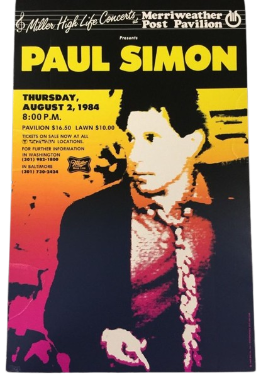
AUGUST 1984 |
|||
01 aug |
Cuyahuga Falls, OH, USA |
|
|
02 aug |
Columbia, SC, USA |
|
|
03 aug |
Holmdel |
||
10 aug |
Santa Barbara |
Santa Barbara County Bowl |
 |
11 aug |
USA / Costa Mesa |
Theater Pacific Amphitheatre |
|
13 aug |
Holmdel, USA |
Garden States Arts Center |
|
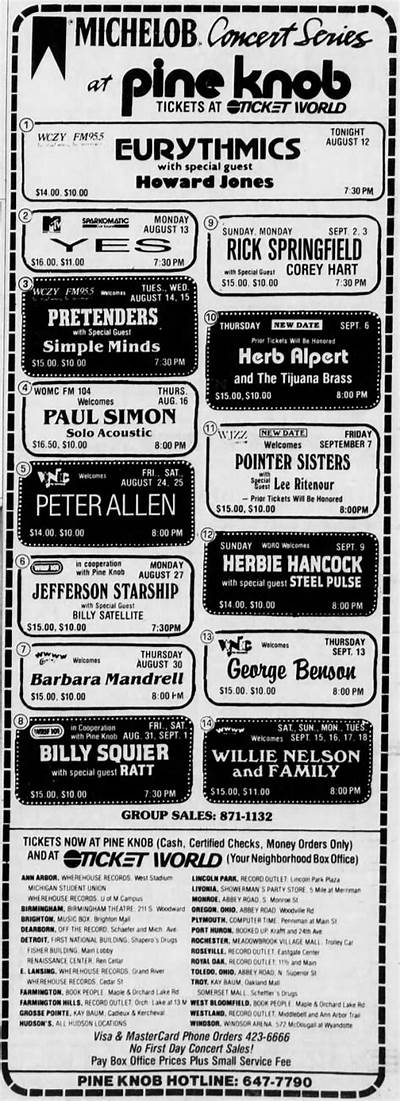
16 aug |
Clarkston |
 |
|
18 aug |
Illinois, USA |
|
|
19 aug |
Saratoga, CA, USA |
|
|
24 aug |
Vancouver |
|
|
Concert 1985
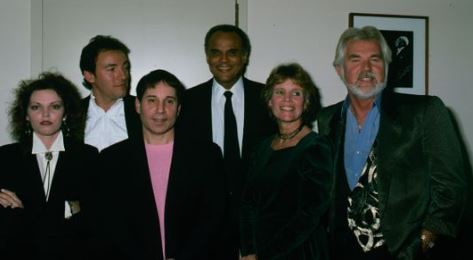
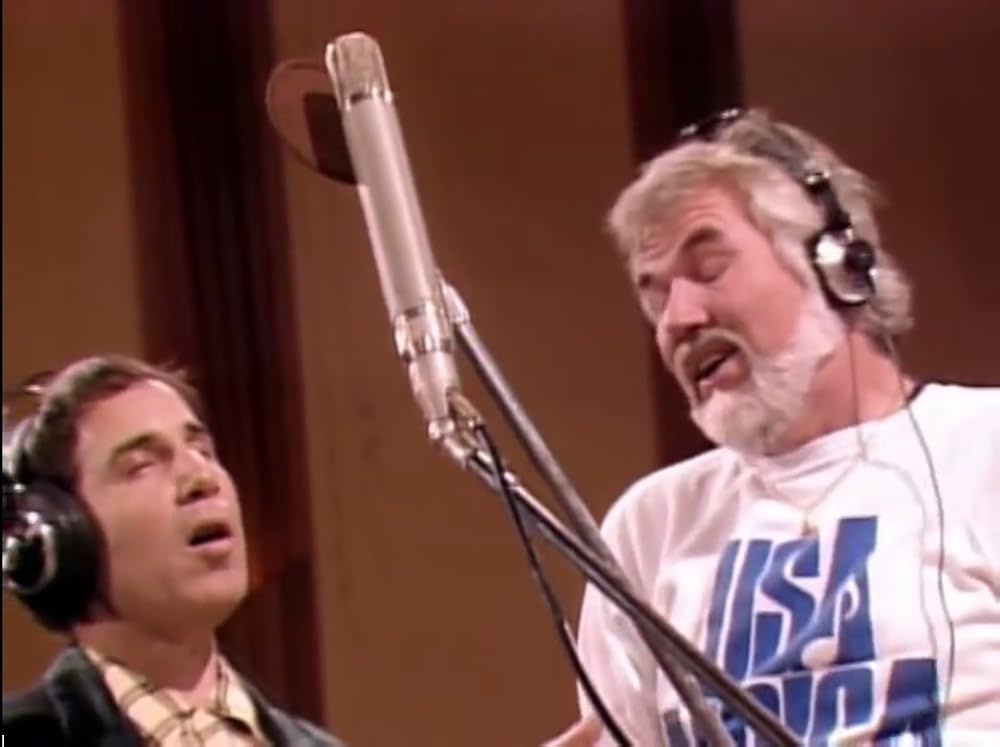
Bruce Springsteen, Paul Simon, Kenny Rogers |
|||
JANUARY 1985 |
|||
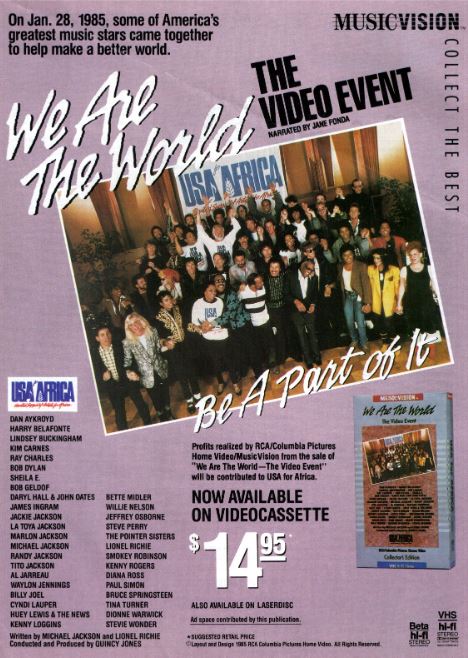
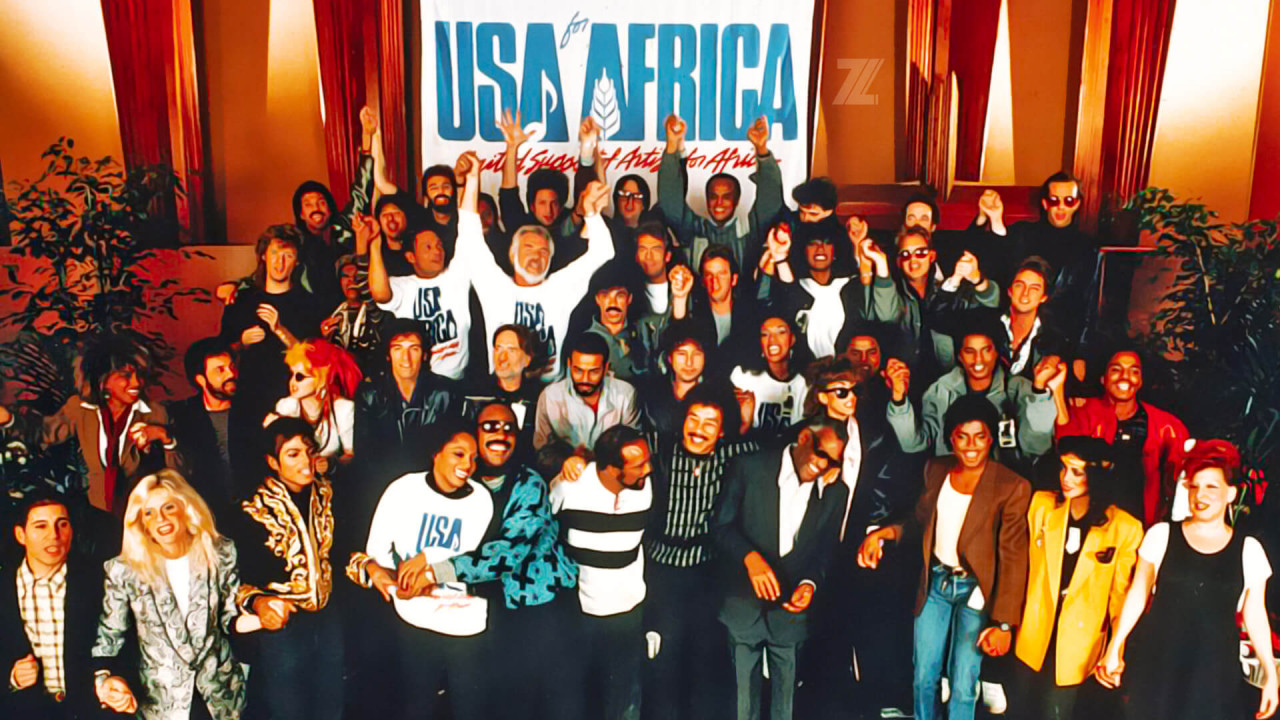
28 jan |
Los Angeles, CA |
|
|
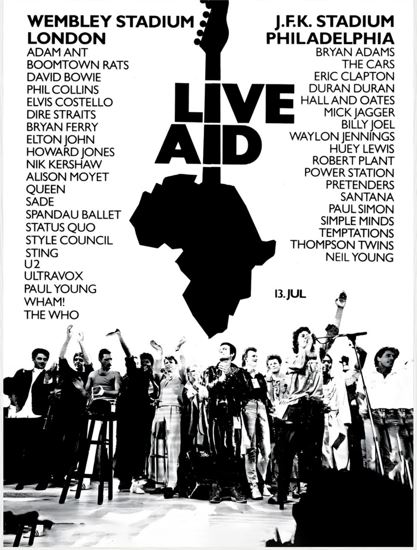
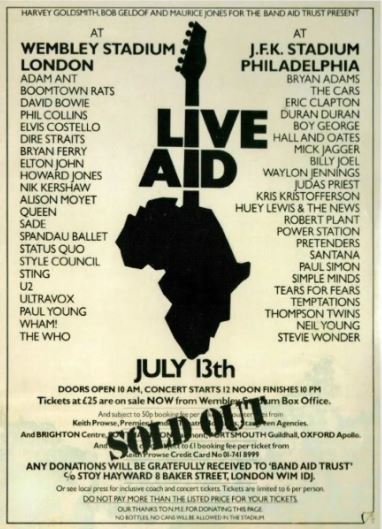
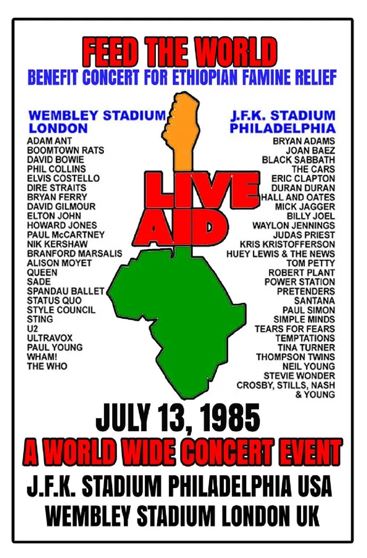
JULY 1985 |
|||
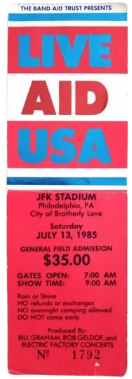
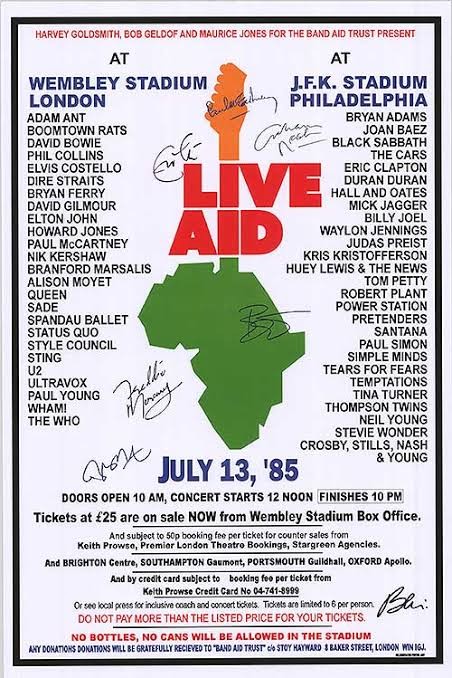
13 july |
Philadelphia, USA |
JFK Stadium
|
|
OCTOBER 1985 |
|||
30 oct |
Hollywood CAEverybody say yeah |
Presbyterian Church |
 |