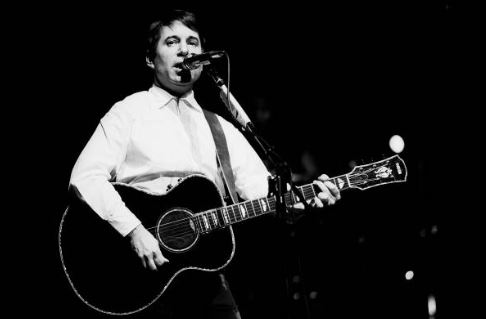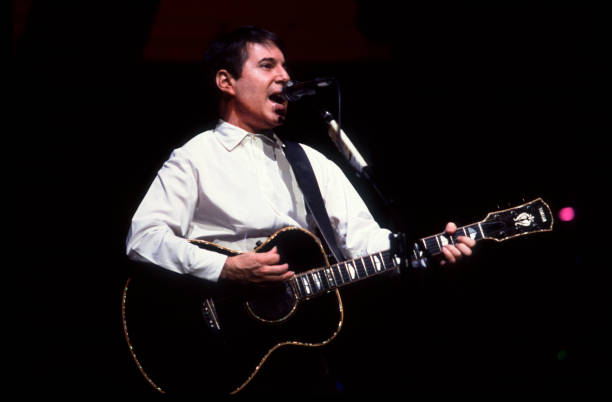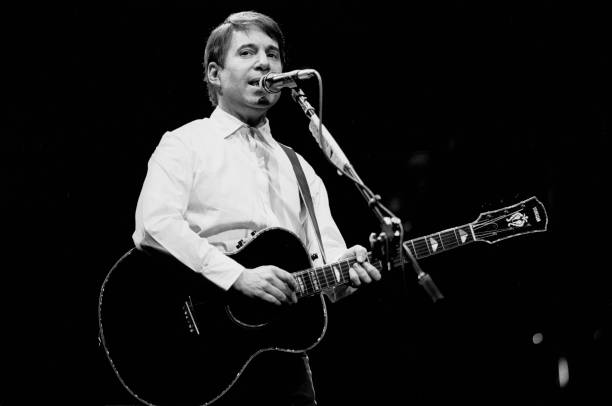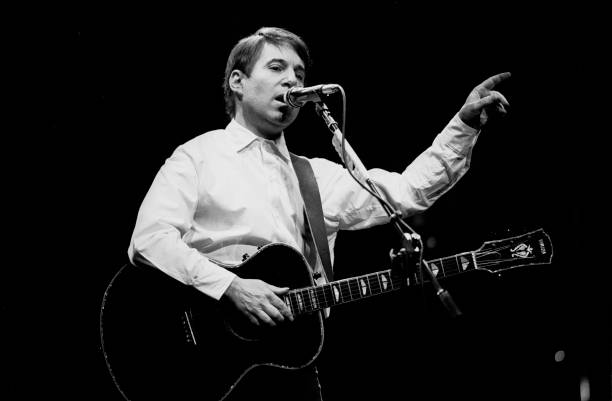
1986198719881989 |
|
 |
 |
 |
 |
 |
 |
 |
 |
 |
 |
 |
 |
 |
 |
 |
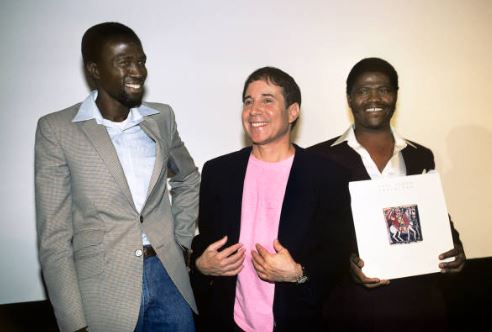 |
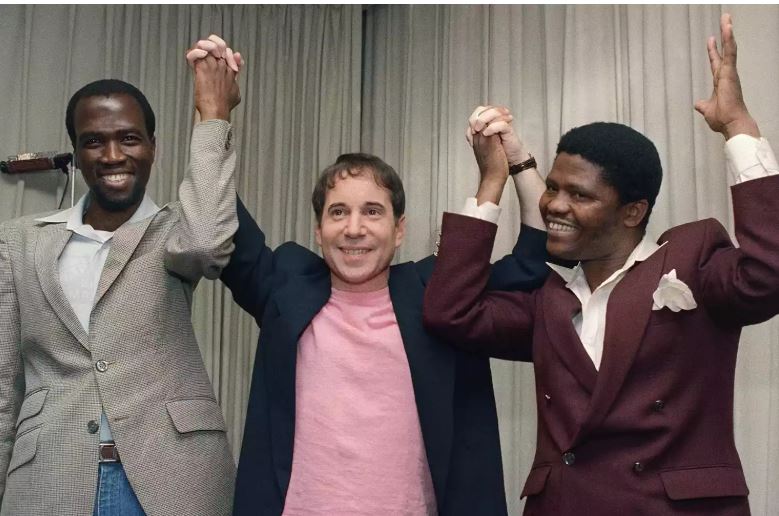
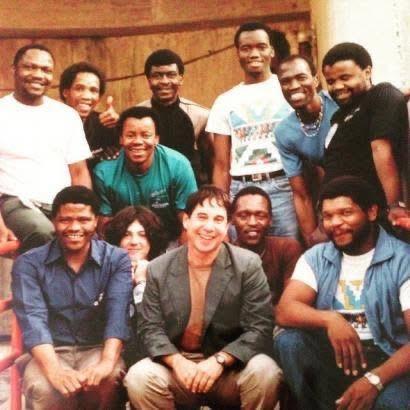
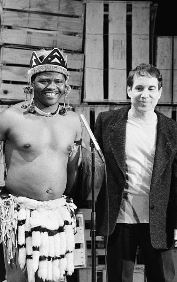
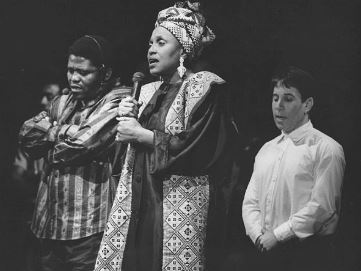
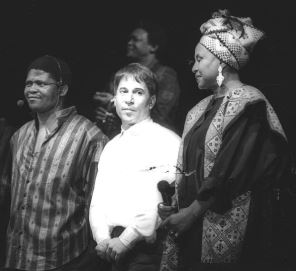
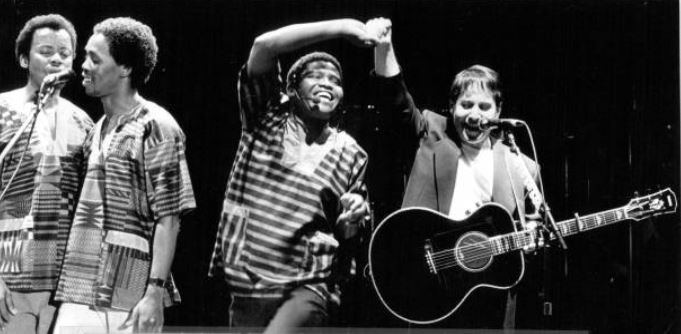
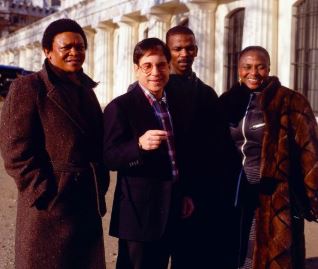
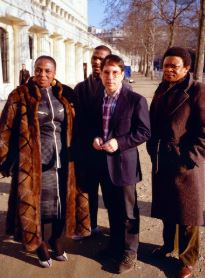
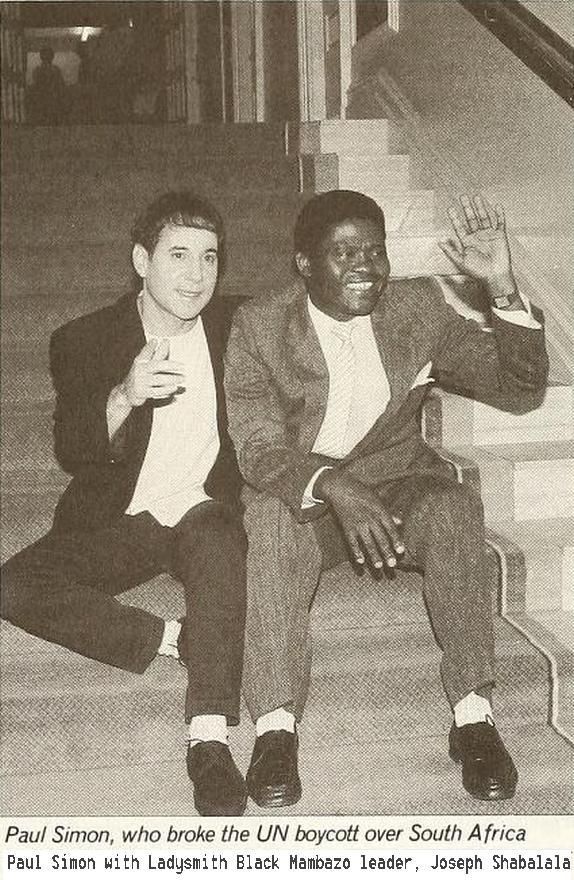
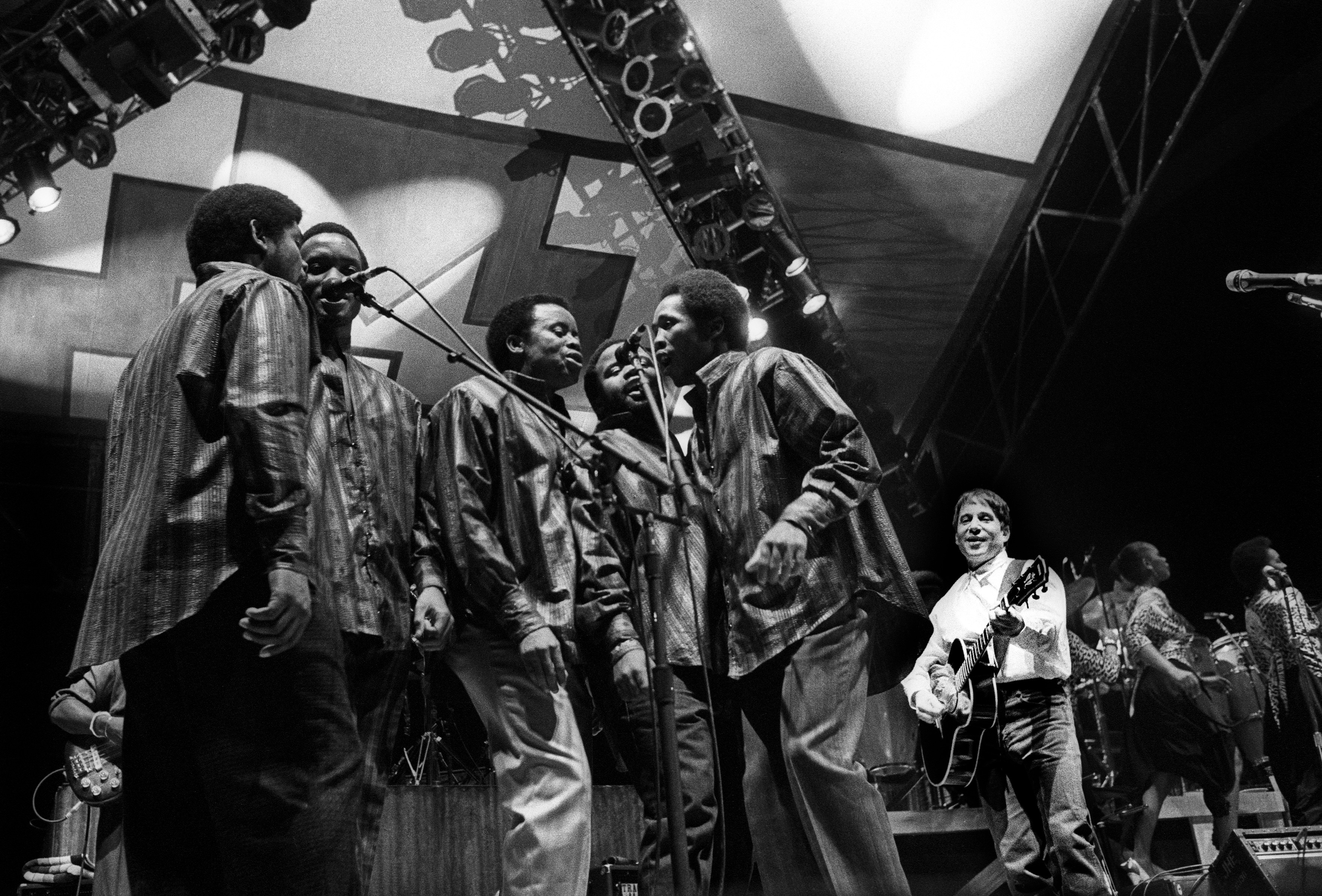
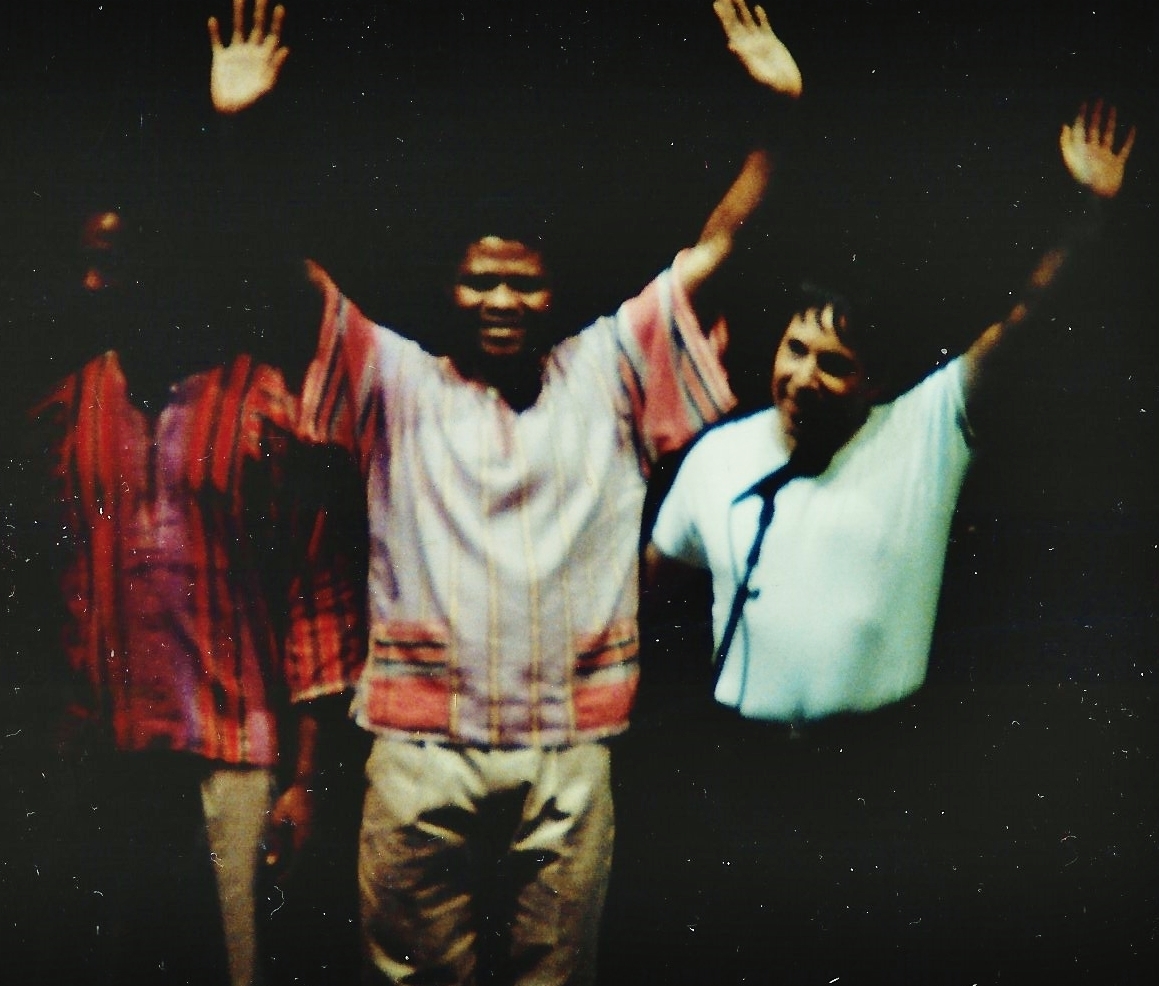
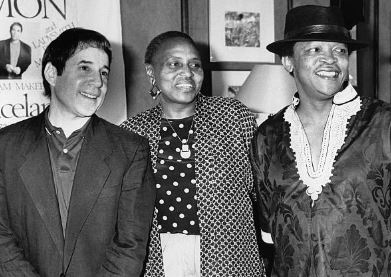
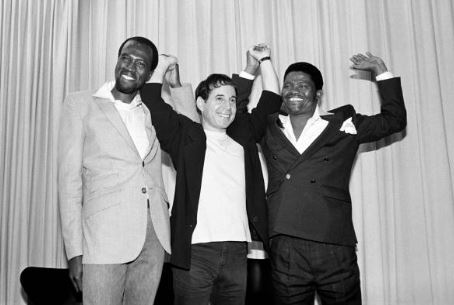
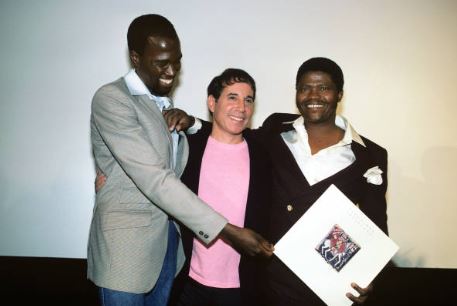
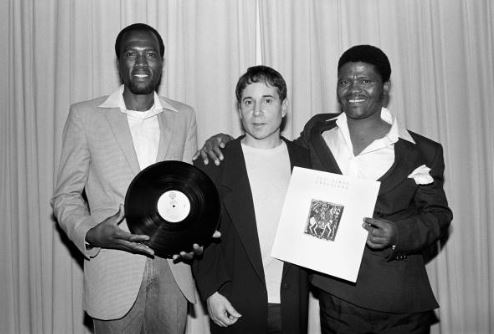
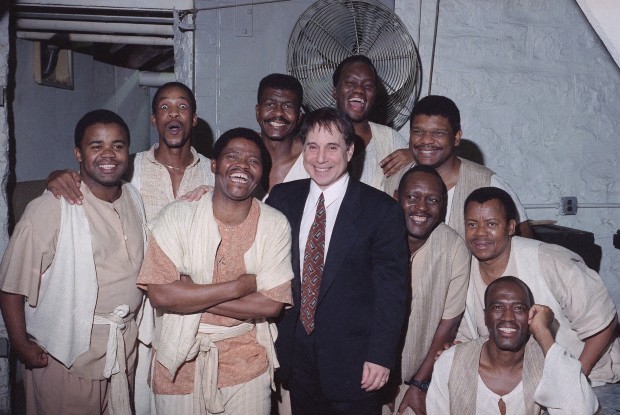
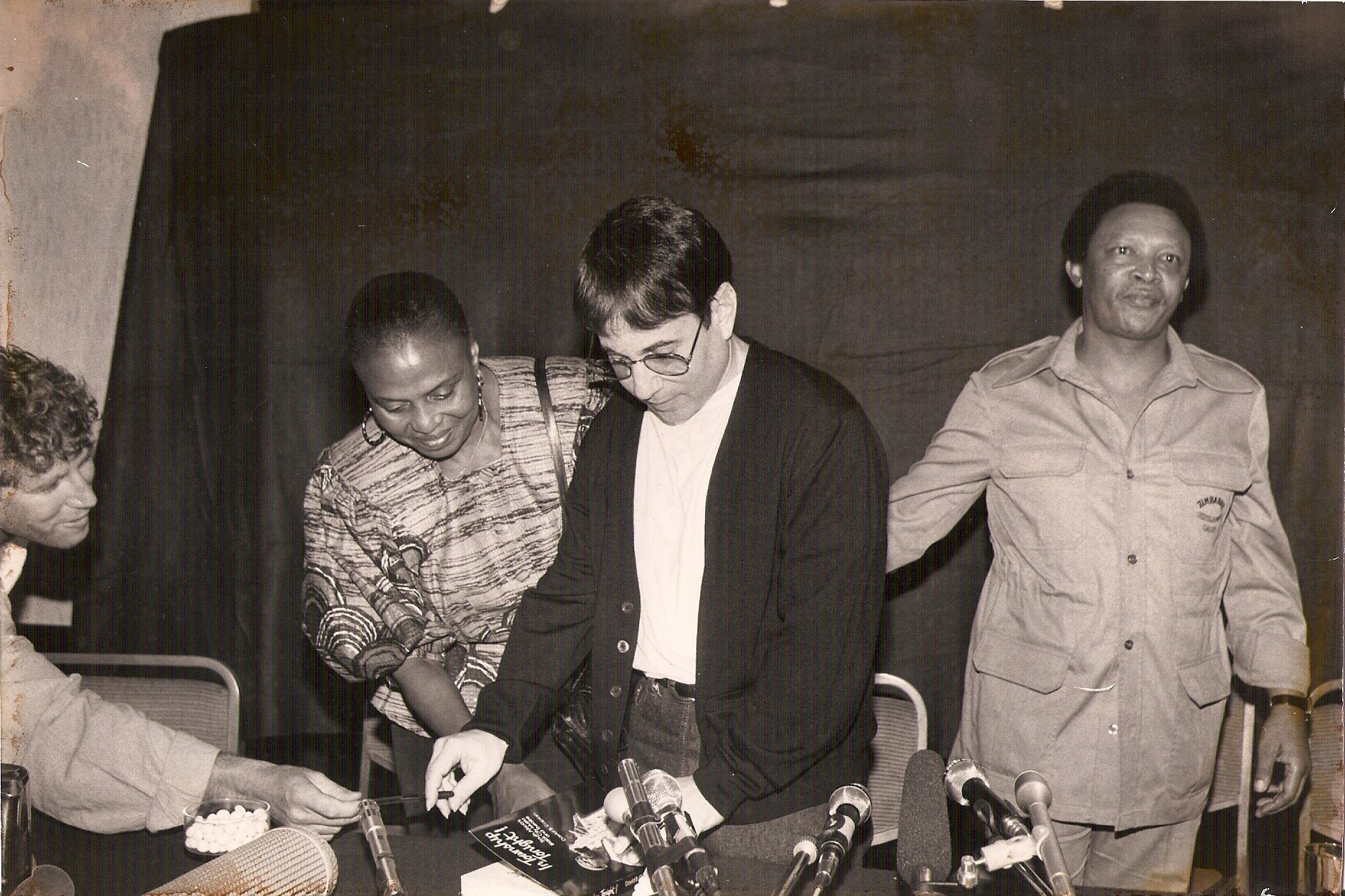
Albert Mazibuko, Paul Simon and Joseph Shabalala at a news conference announcing the release of Simon's 'Graceland' |
 |
 |
album in New York City on August 25, 1986. Mazibuko and Shabalala are members of the South African group Ladysmith Black Mambazo, who back Simon on the recording. |
1988 |
 |
  |
 |
 |
  |
 |
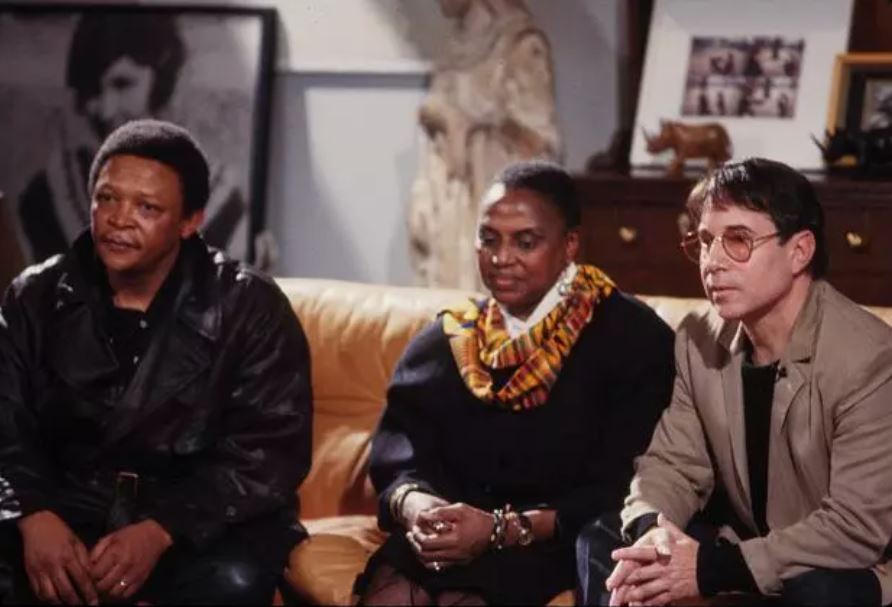 |
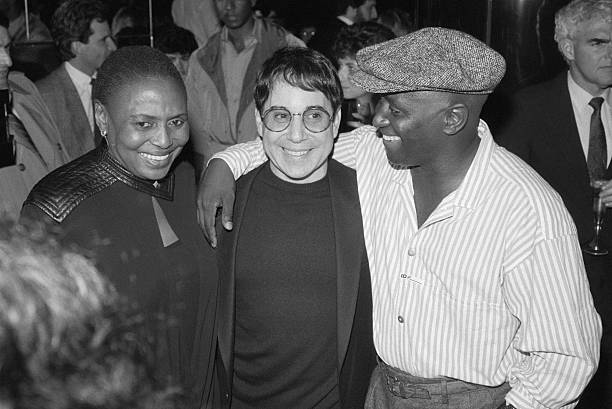 |
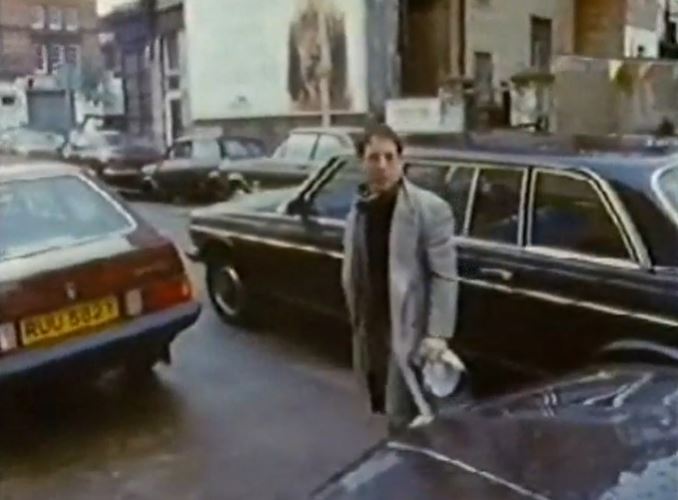 |
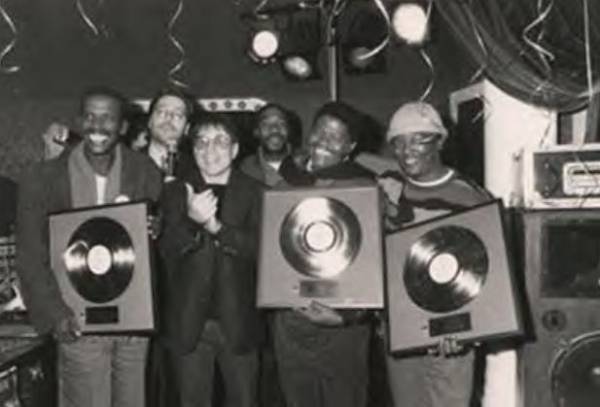 |
 |
 |
 |
 |
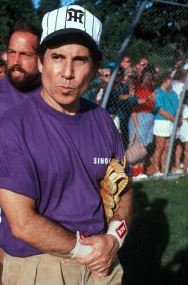 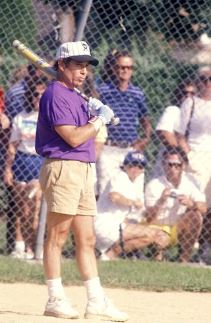 |
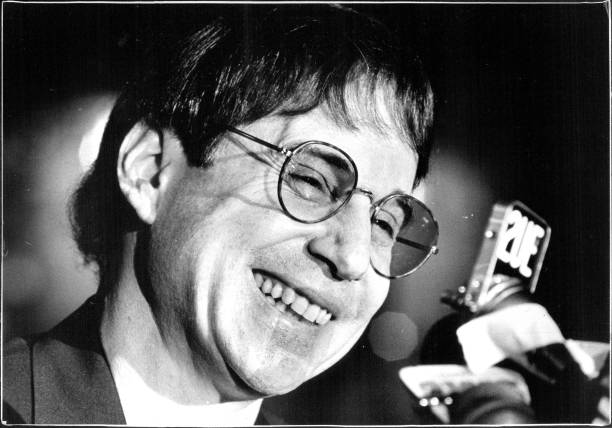 |
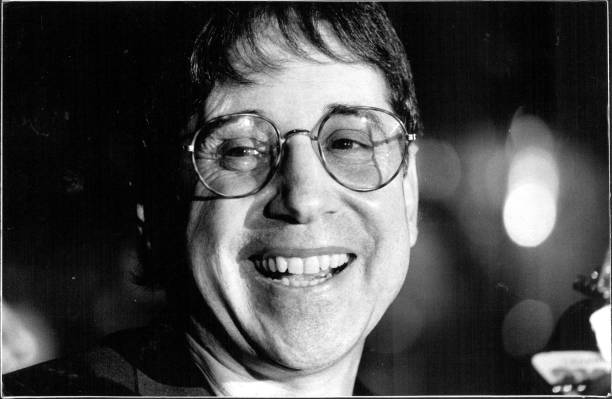  |
 |
 |
 |
  |
 |
 |
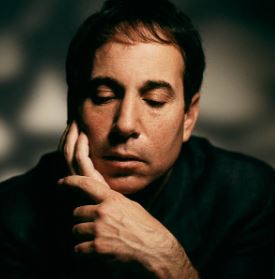 |
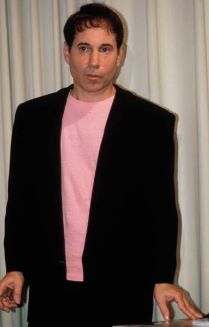  |
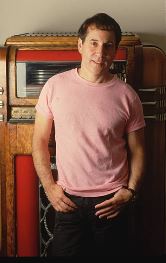  |
 |
  |
  |
  |
 |
 |
 |
 |
 |
 |
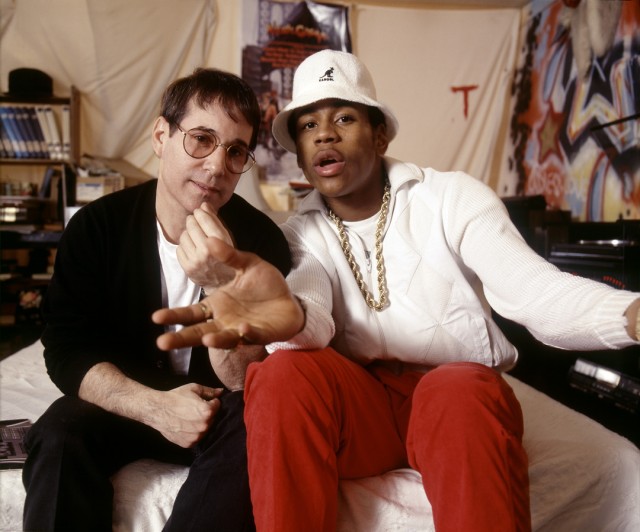
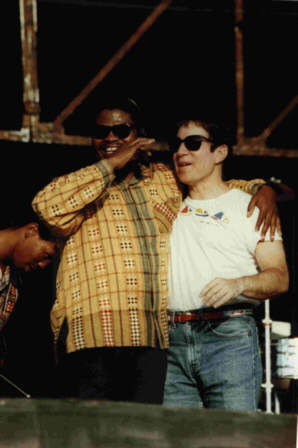
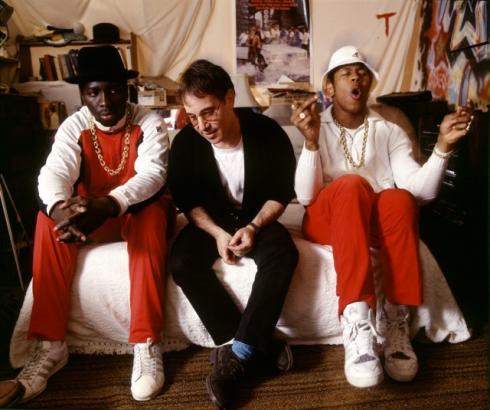
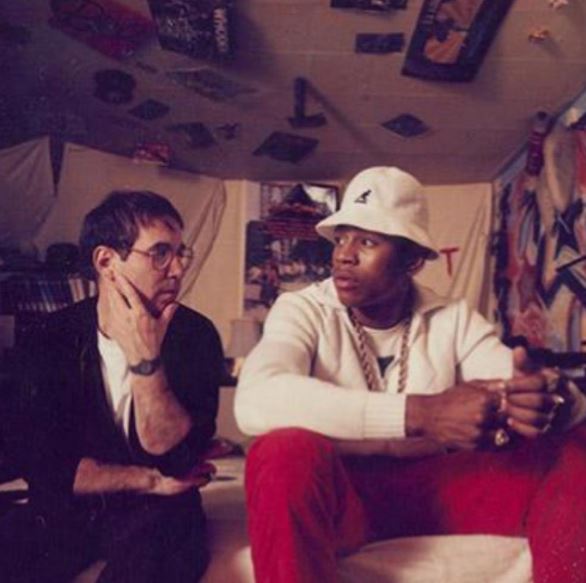
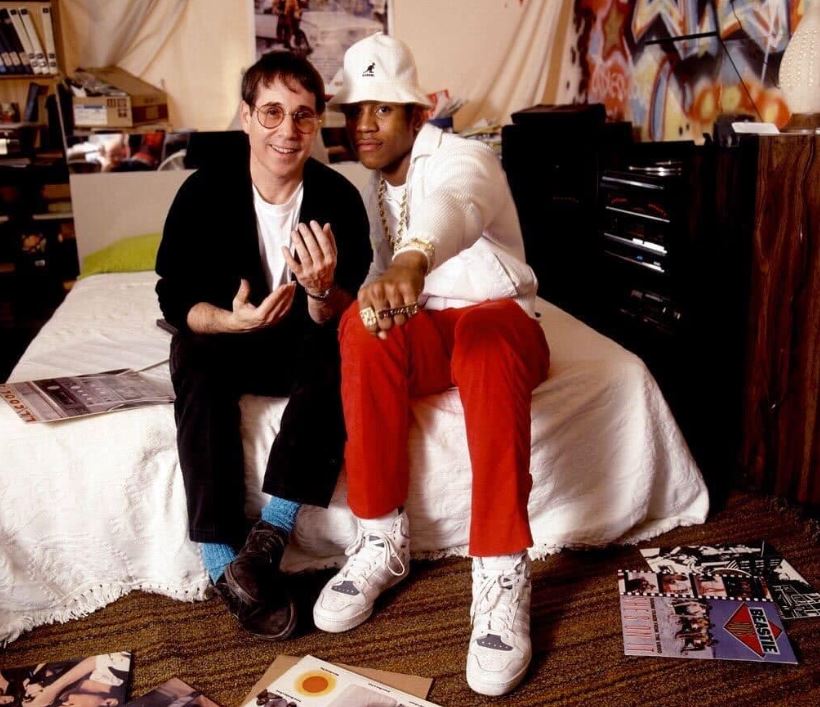
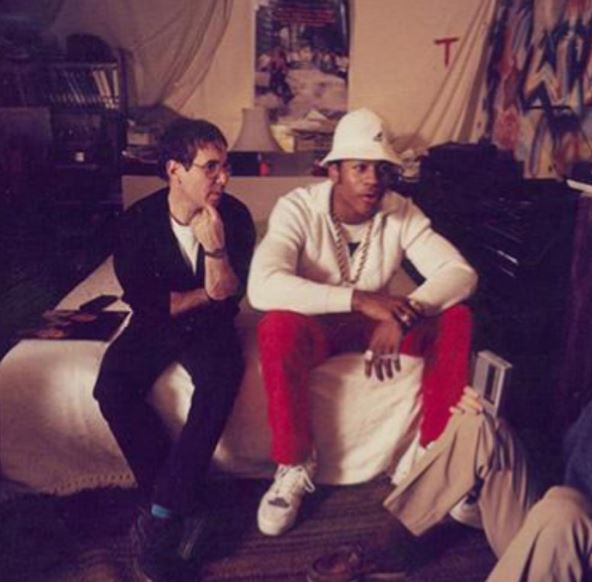
Paul Simon and LL Cool J at the Queens |
 |
 |
 |
 |
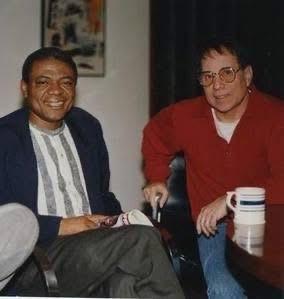 |
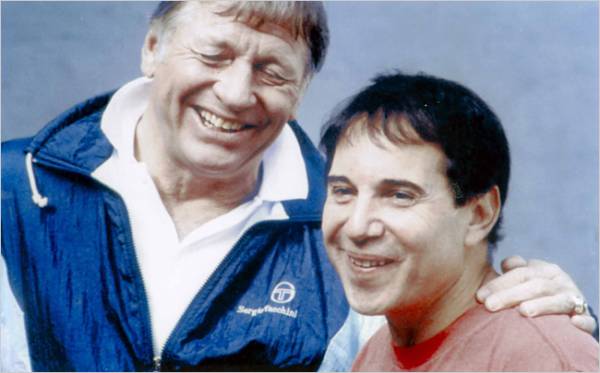
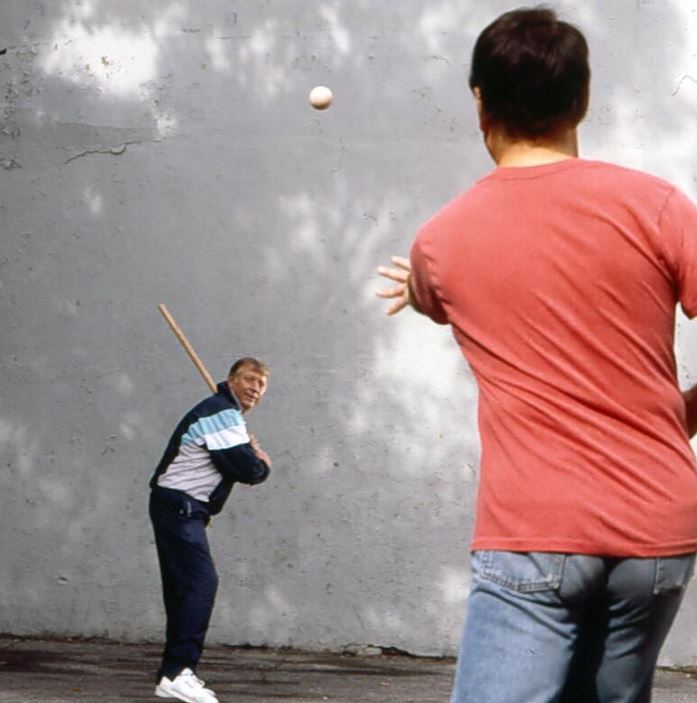
Me and Julio Paul Simon with Mickey Mantle (1988) |
 |
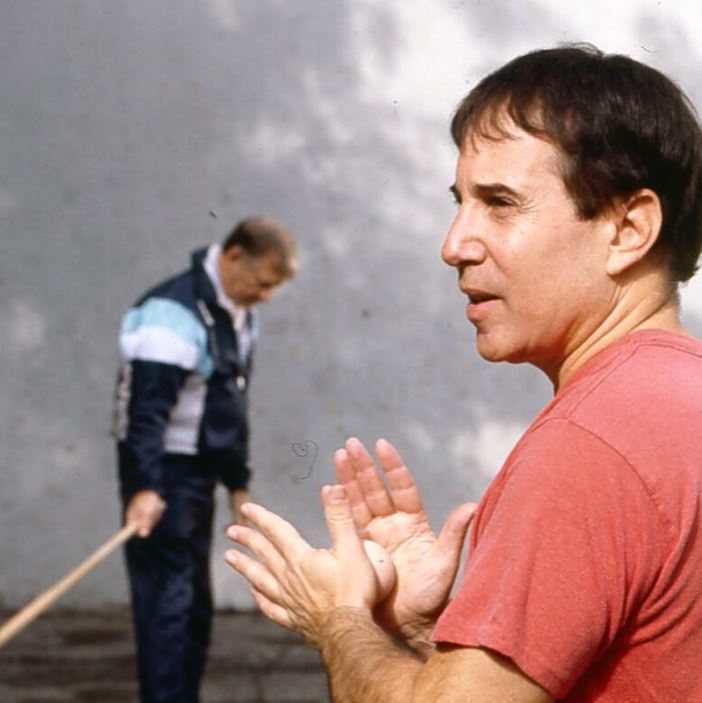 |
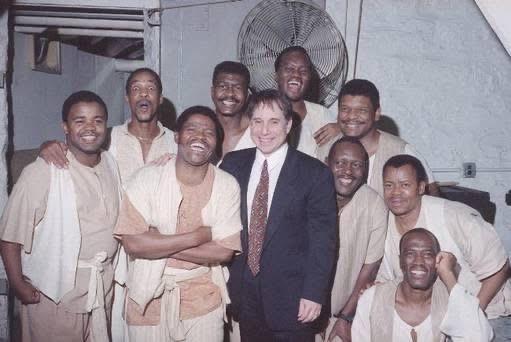 |
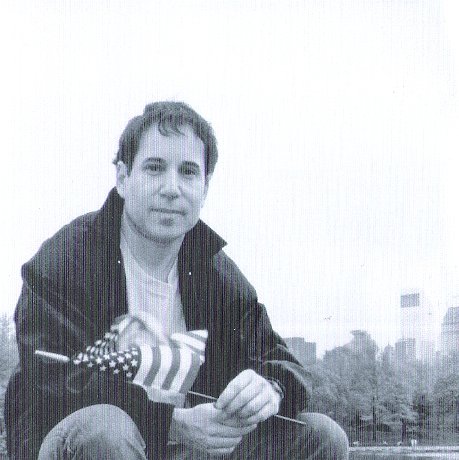 |
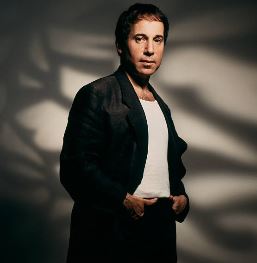 |
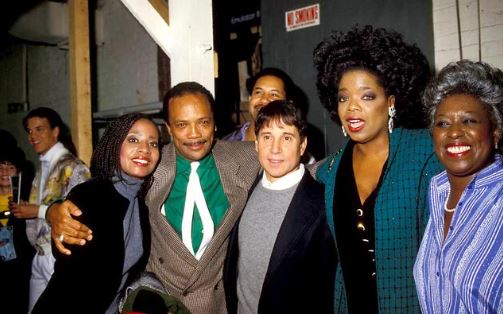 |
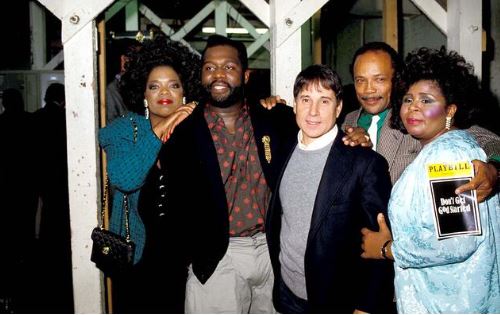
OPRAH WINFREY, PAUL SIMON ET QUINCY JONES. MICHAEL FERGUSON |
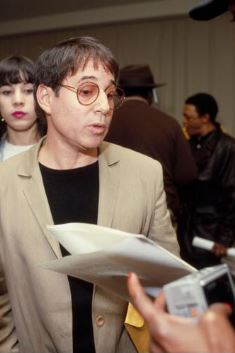
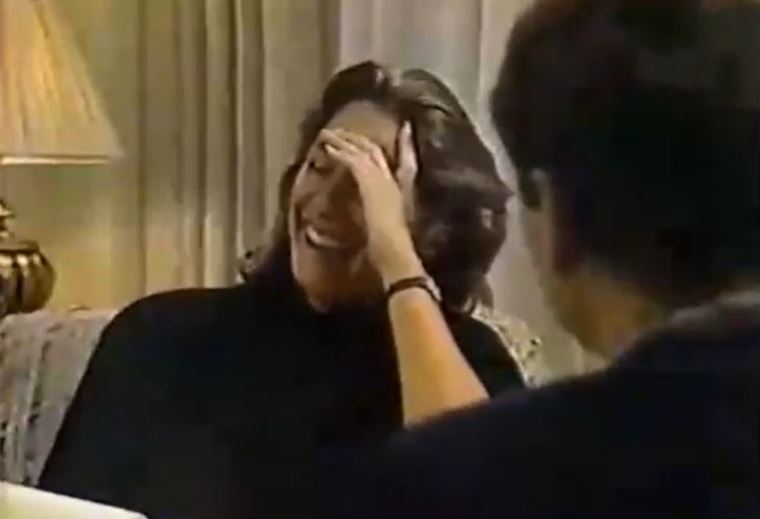
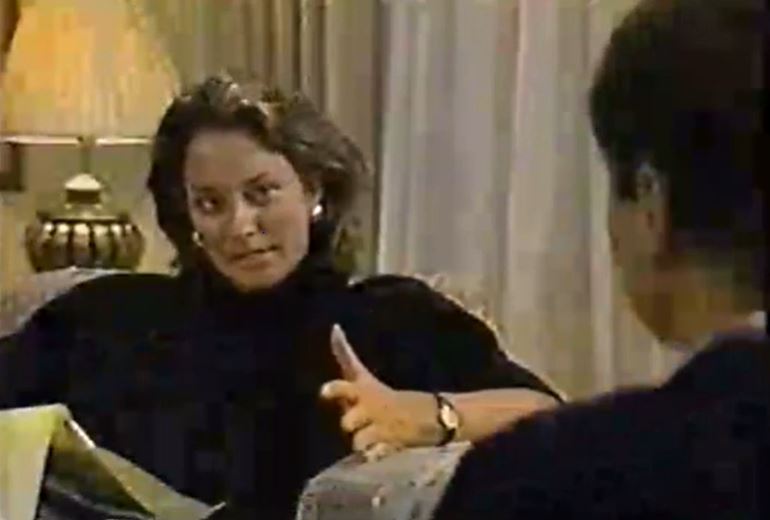
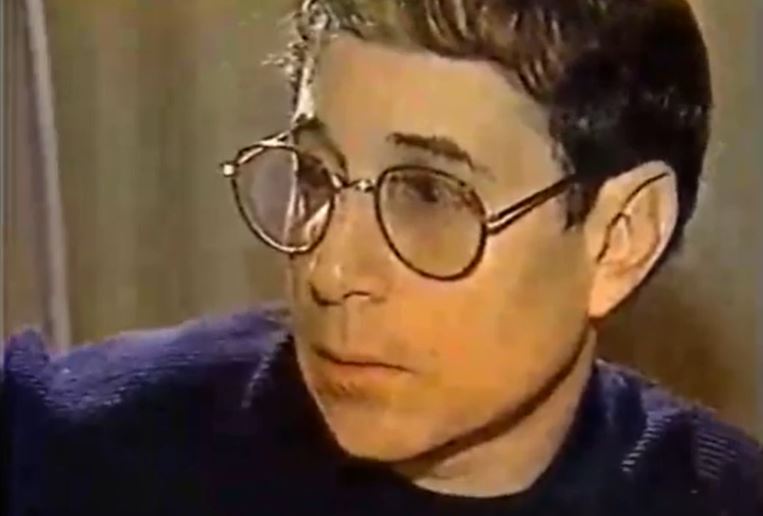
Interview NY 1986 |
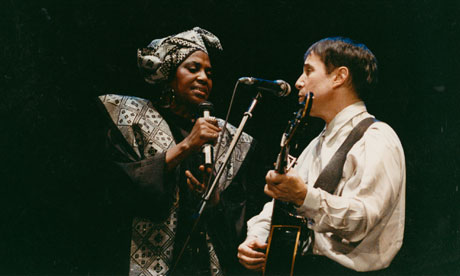
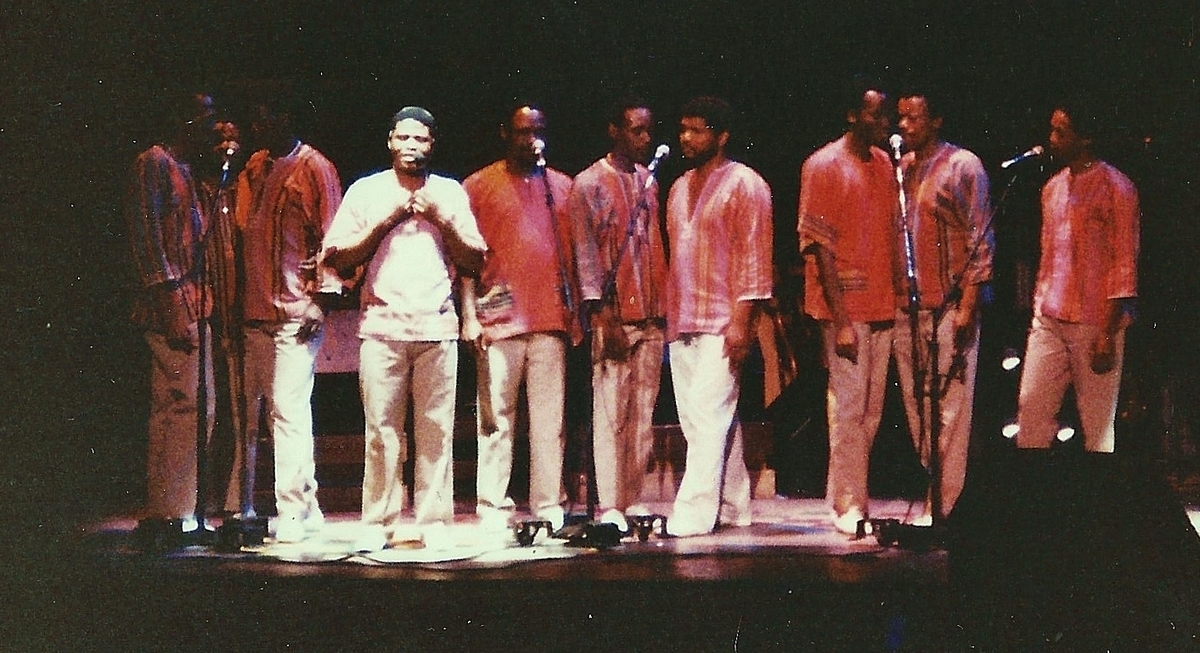
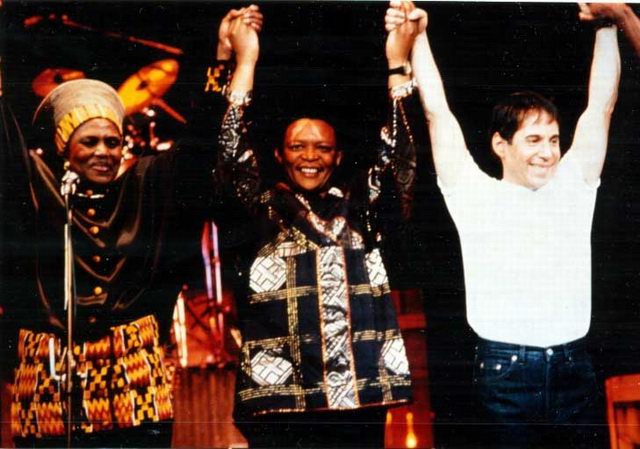
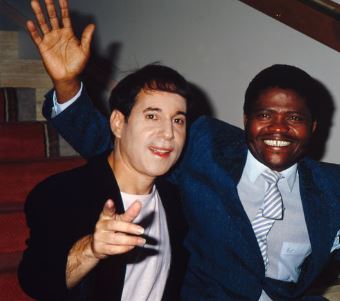
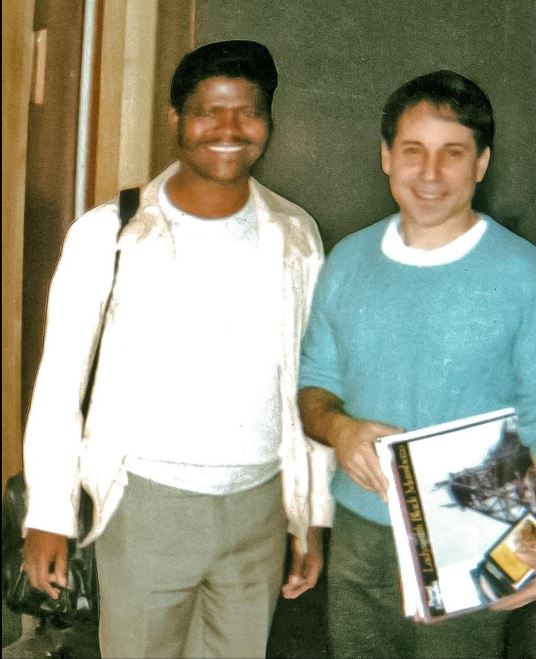
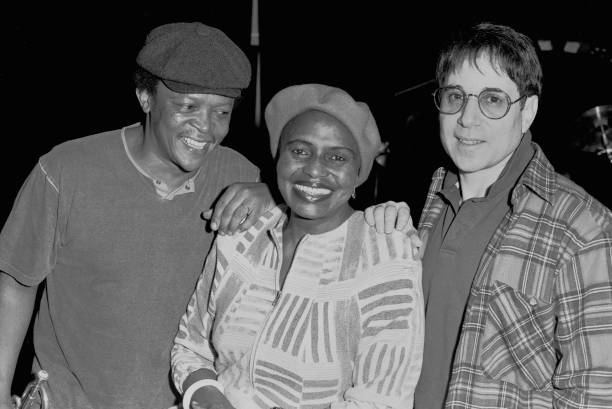
Paul Simon & Lady Smith Black Mambazo and Harper |
 |
 |
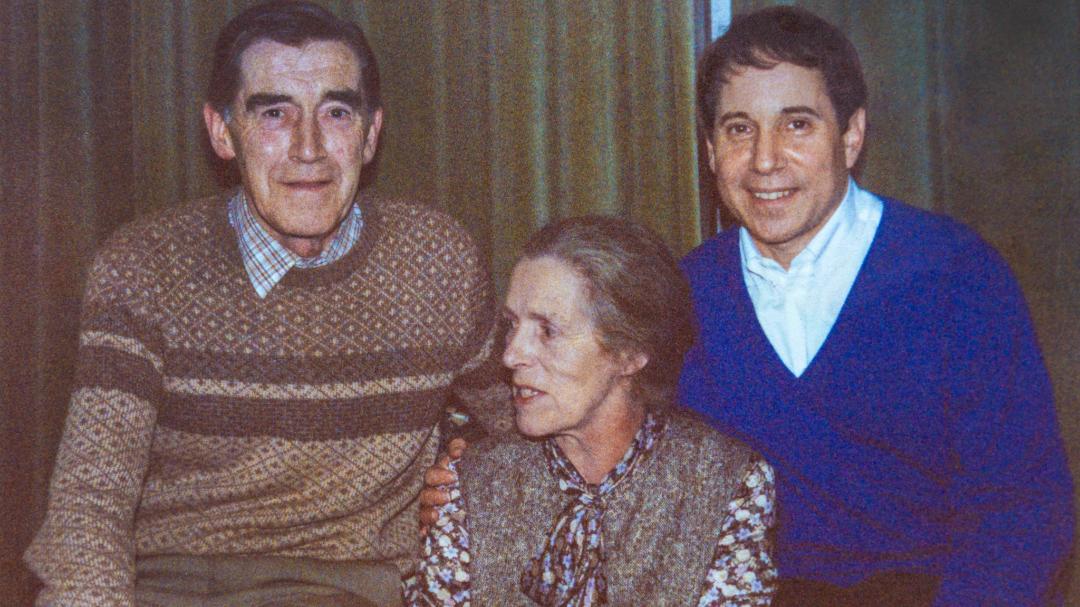
1964–1965: Paul Simon spent an extended period in Brentwood, Essex, and became close to the McCausland family, often described as an “adoptive” English family during that time.
Paul Simon played at my school in Essex — staying with a family in Brentwood, after a lukewarm response to his debut album with Art Garfunkel |
||
MAY 1986
|
|||
10 may |
New York |
|
|
AUGUST 1986 |
|||
29 aug |
London |
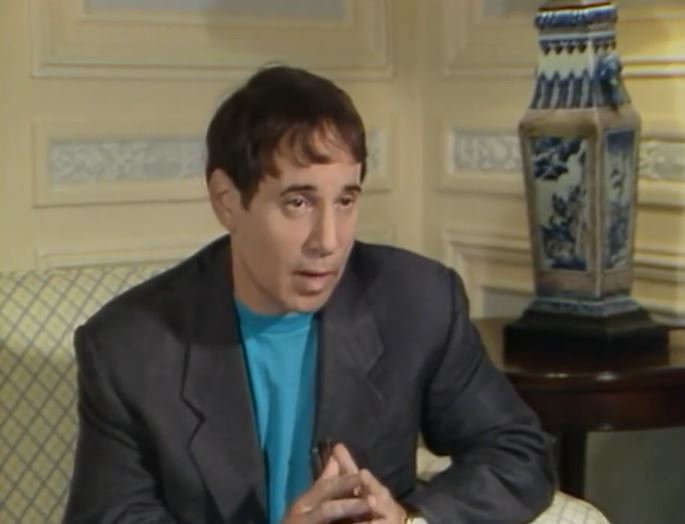
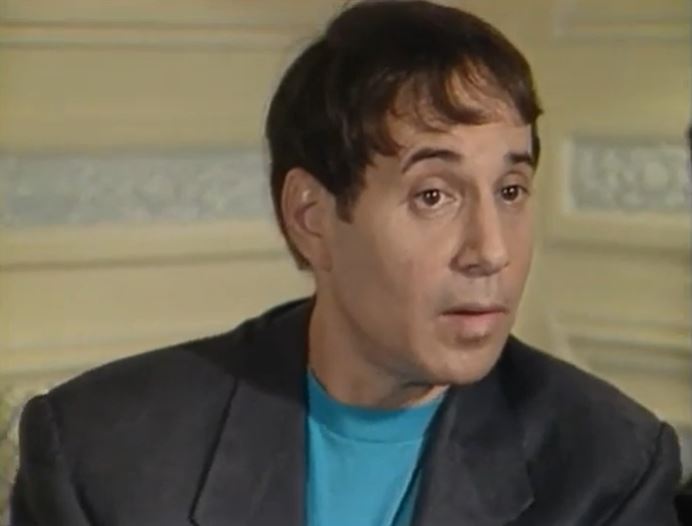
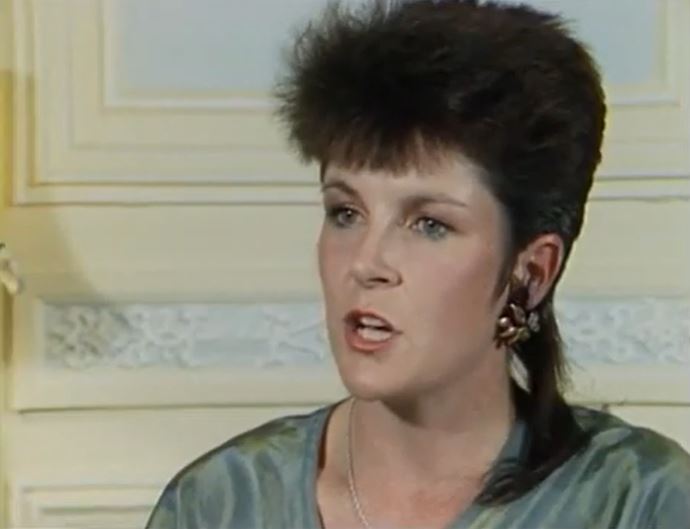
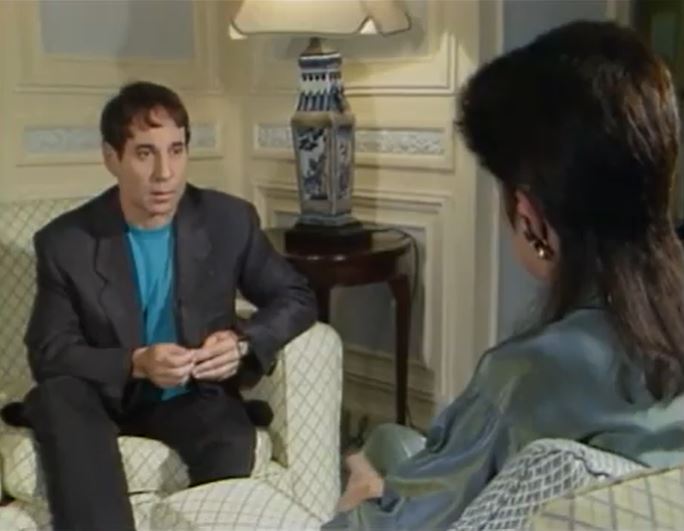
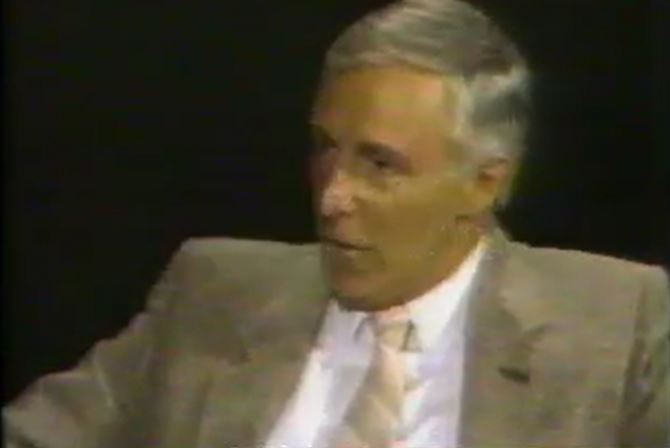
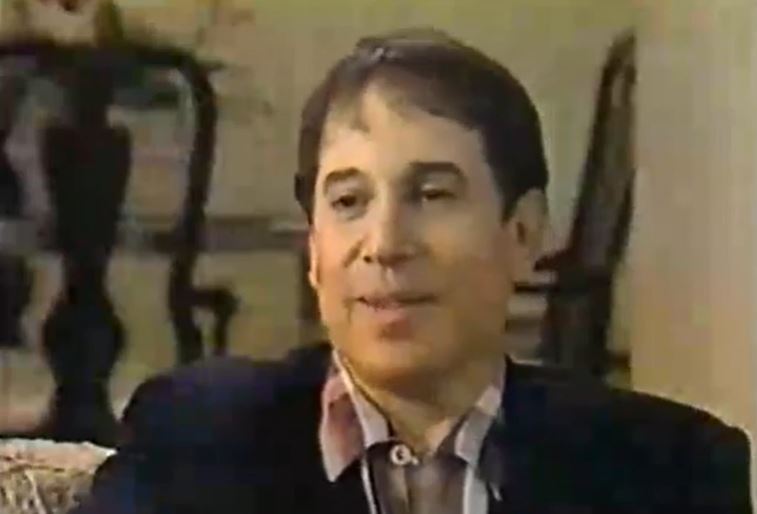
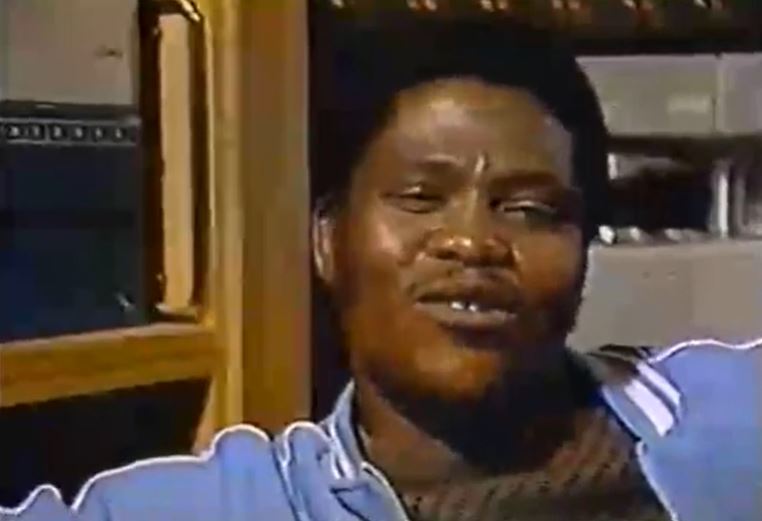
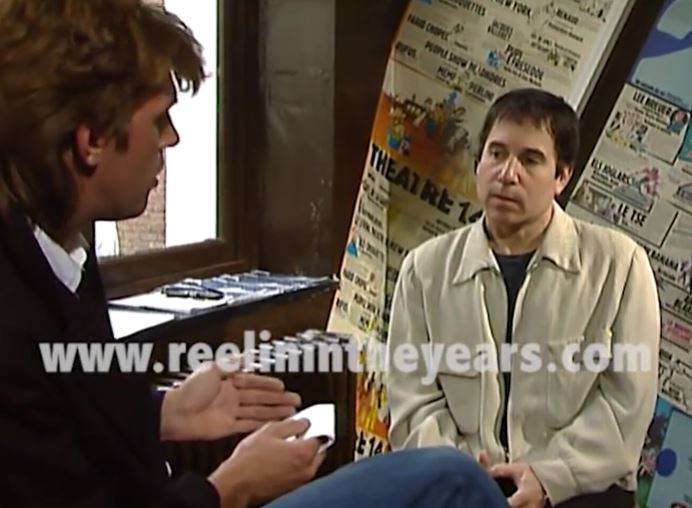
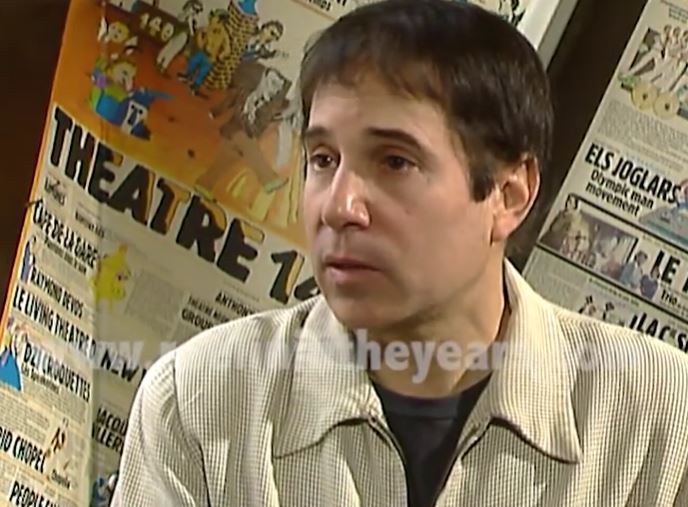
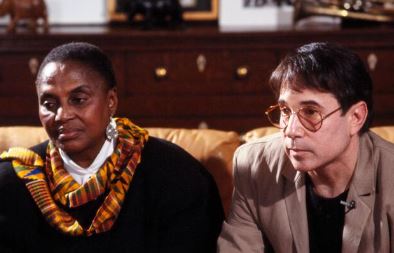
Interview BBCBBC Breakfast TimeIn this interview, Paul Simon discusses the background and meaning of his newly released album Graceland, focusing on its musical origins, political controversy, and personal motivation.Simon explains that Graceland began as a search for new musical inspiration after a period of creative stagnation. He describes being drawn to South African music because of its rhythmic complexity and emotional openness. Rather than approaching the project with a political agenda, he says his primary goal was artistic collaboration.A central topic of the interview is the controversy surrounding the cultural boycott of South Africa during apartheid. Simon acknowledges that some critics accused him of breaking the boycott by recording with South African musicians. He responds by stating that the musicians he worked with were independent artists, not representatives of the apartheid government, and that they were paid fairly and fully credited. He emphasizes that the music was recorded in a way that respected and highlighted the musicians’ contributions, rather than exploiting them.Simon stresses that he did not intend to undermine the boycott or support the apartheid regime. On the contrary, he argues that cultural exchange can sometimes build understanding rather than reinforce oppression. He also notes that he consulted with anti-apartheid figures and believed the project would ultimately benefit the artists involved by giving them international exposure.Musically, Simon describes Graceland as a fusion of American songwriting and African musical traditions, blending Zulu vocal harmonies, township rhythms, and Western pop structures. He talks about how the collaboration changed his own songwriting, pushing him toward simpler, more rhythm-driven lyrics.Toward the end of the interview, Simon reflects on the role of artists in political debates, suggesting that musicians should not be forced into rigid ideological positions. He maintains that his responsibility is to make honest work and to treat collaborators ethically.Overall, the interview presents Paul Simon as thoughtful, defensive but calm, carefully explaining his choices while reaffirming his belief in music as a unifying force rather than a political weapon. |
|
SEPTEMBER 1986 |
|||
01 sept |
London |
|
|
10 sept |
Canada |
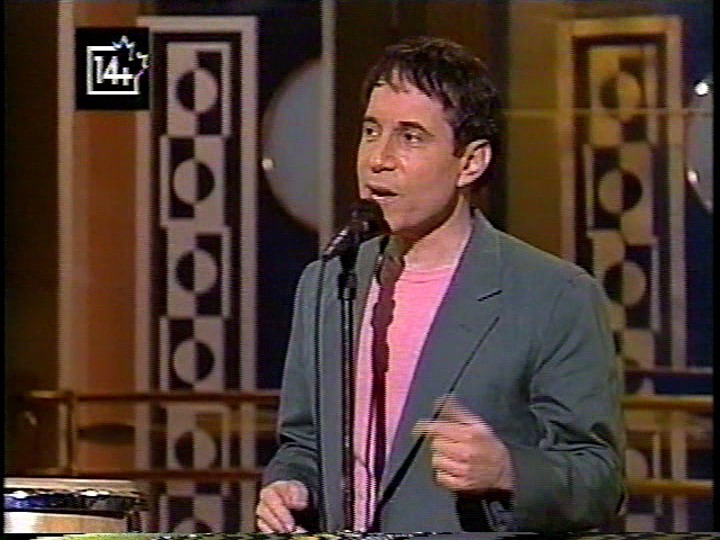
Surprised and Pleased |
|
OCTOBER 1986 |
|||
25 oct |
New York |
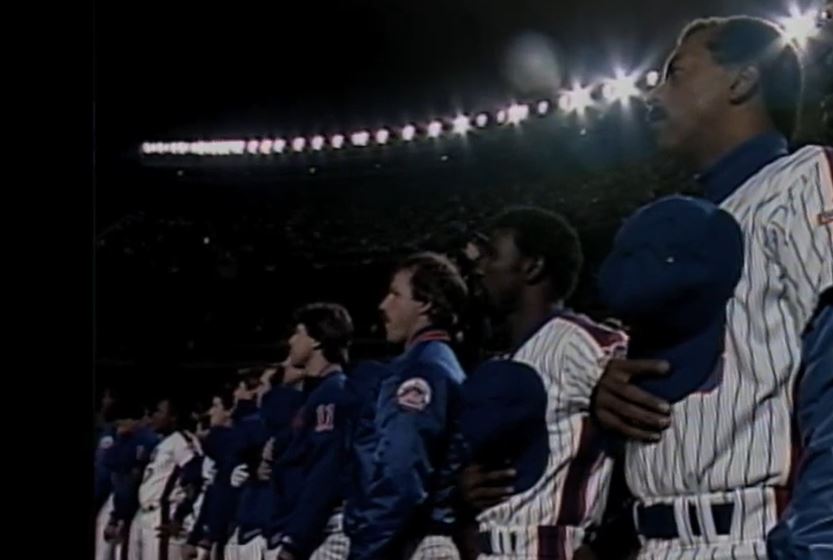
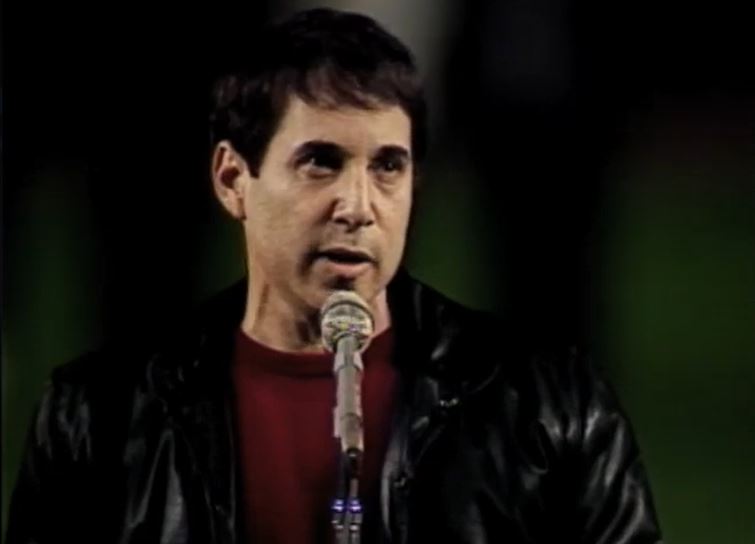
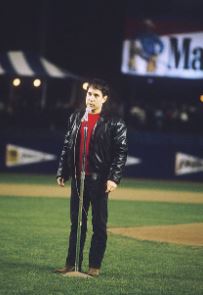
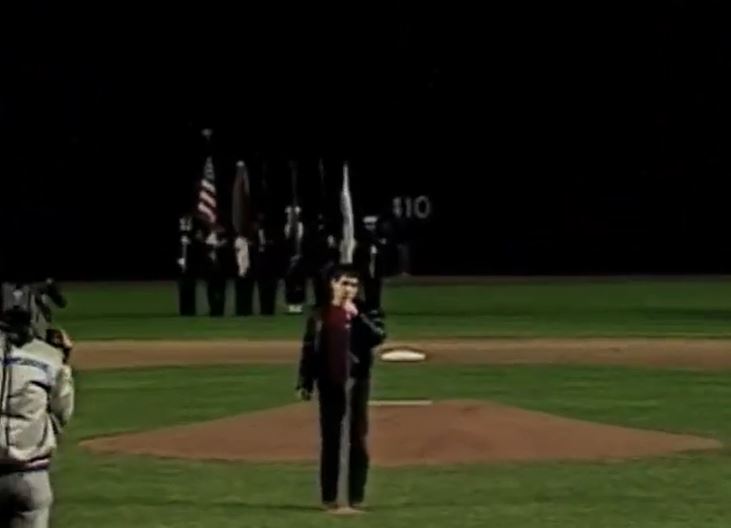
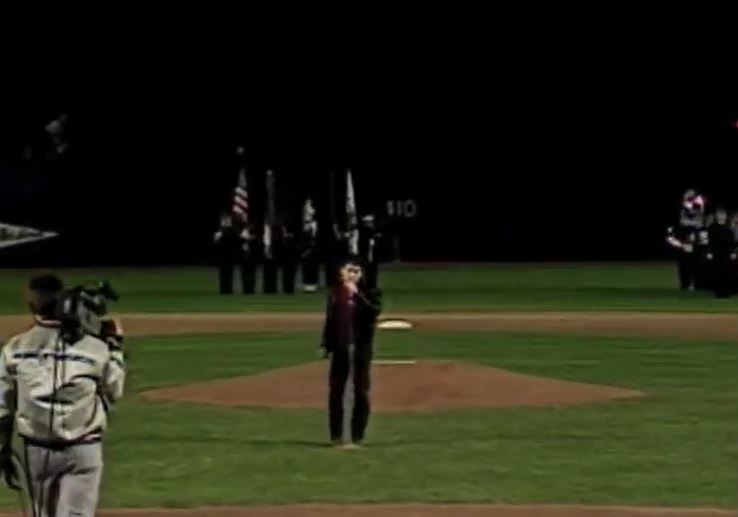
Shea StadiumWorld Series GamePaul Simon sang the American national anthem (“The Star-Spangled Banner”)on October 25, 1986, before Game 6 of the World Series between the Red Sox and the Mets. |
|
NOVEMBER 1986 |
|||
22 nov |
New York |
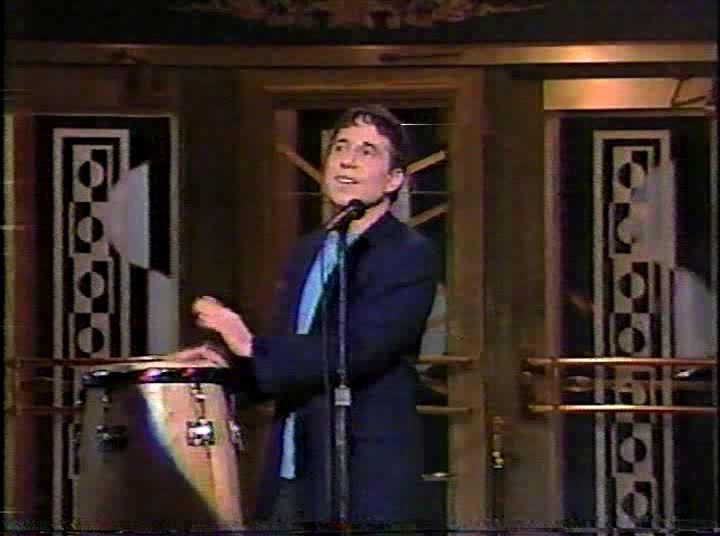
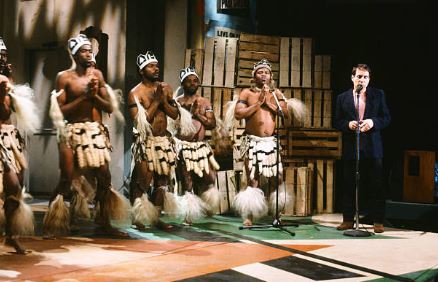
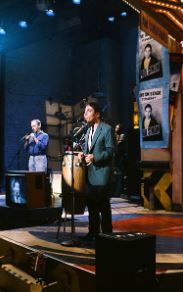
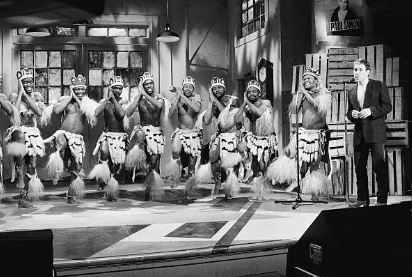
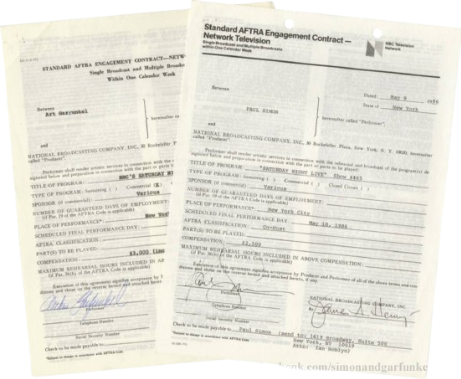
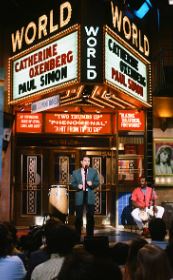
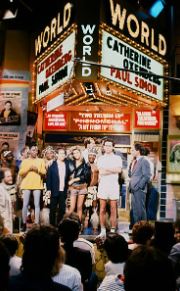
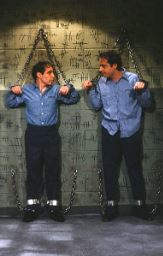
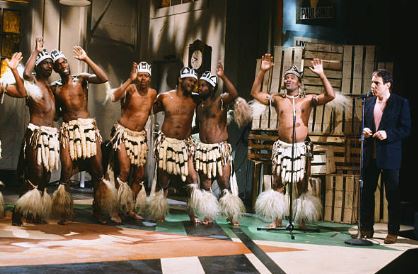
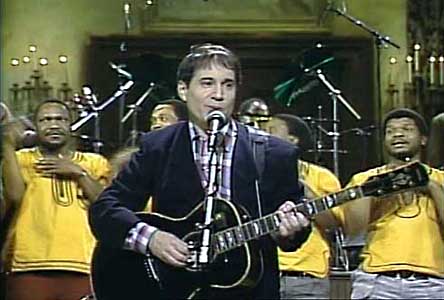
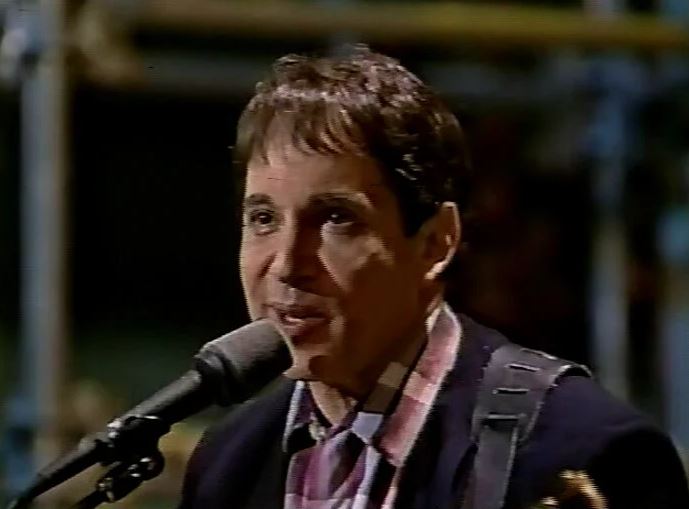
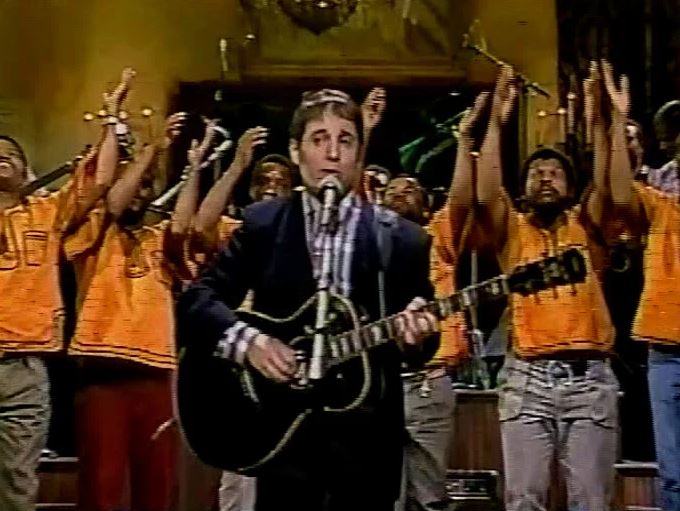
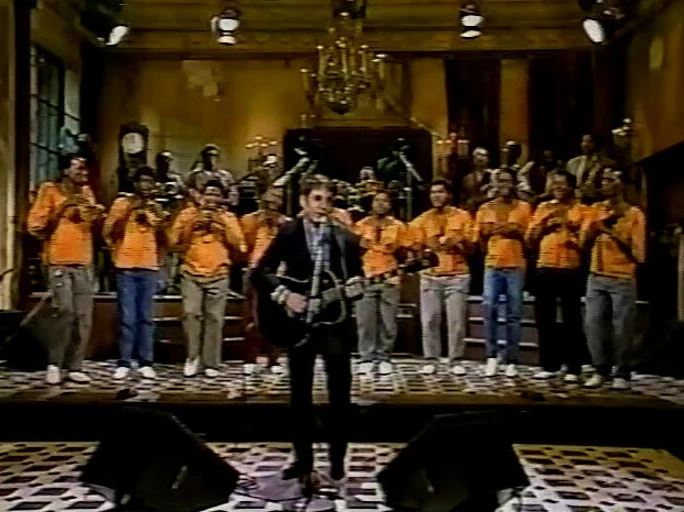
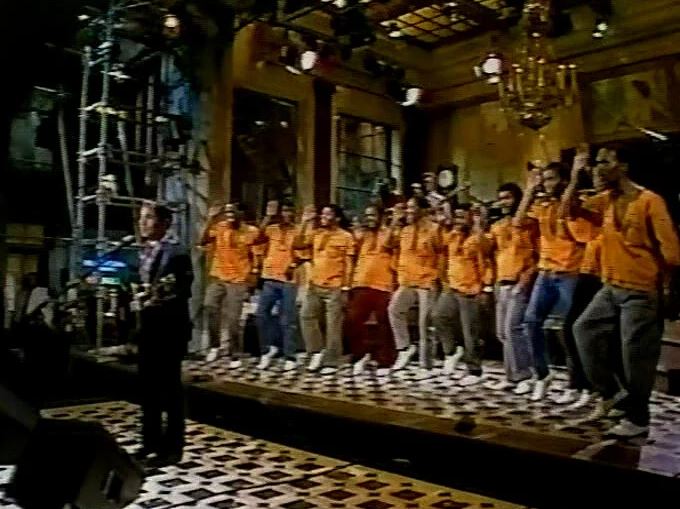
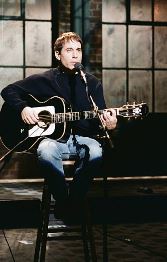
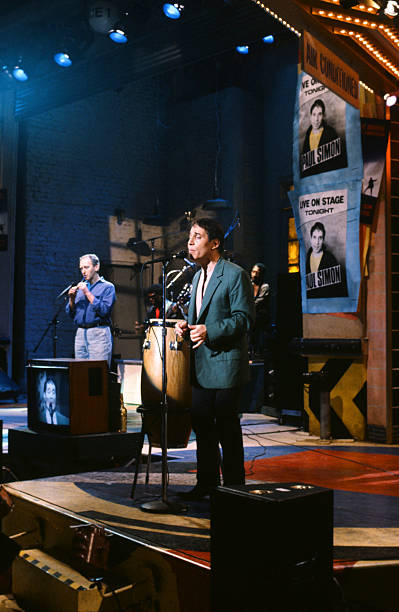
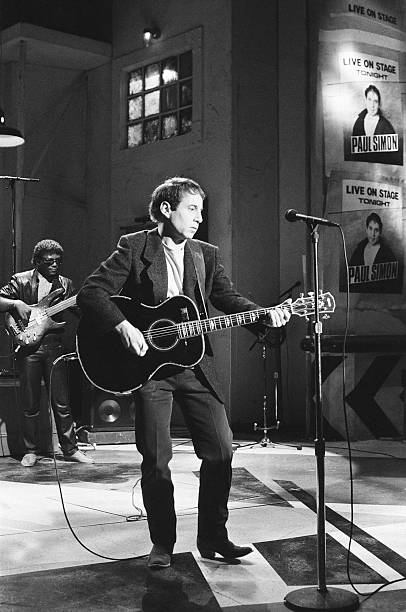
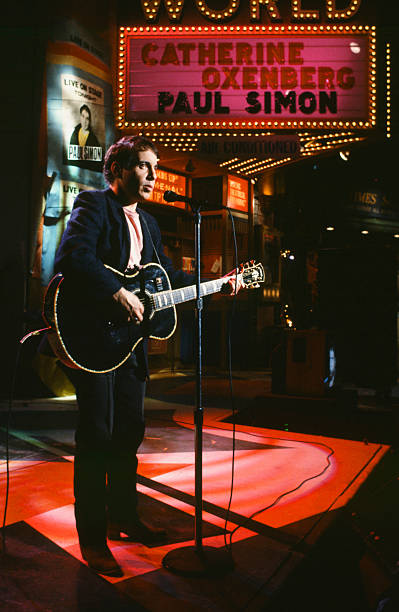
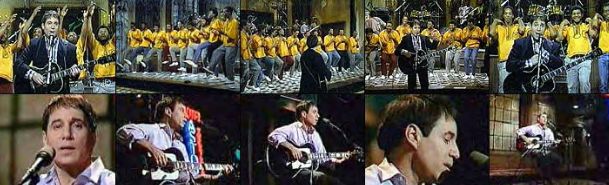
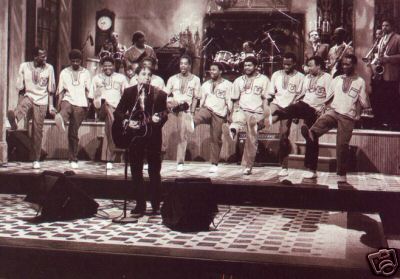
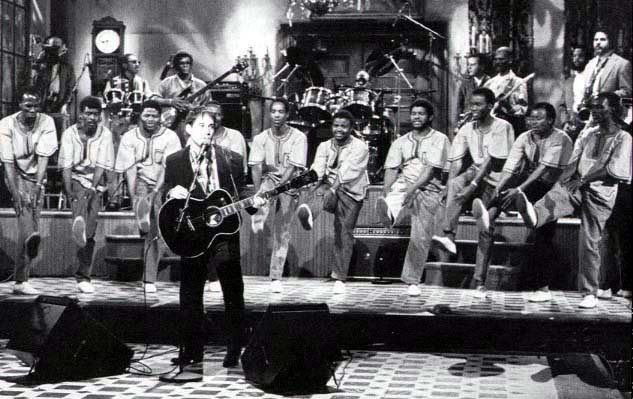
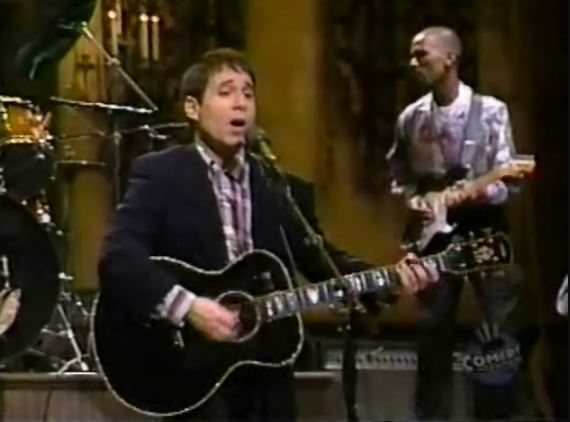
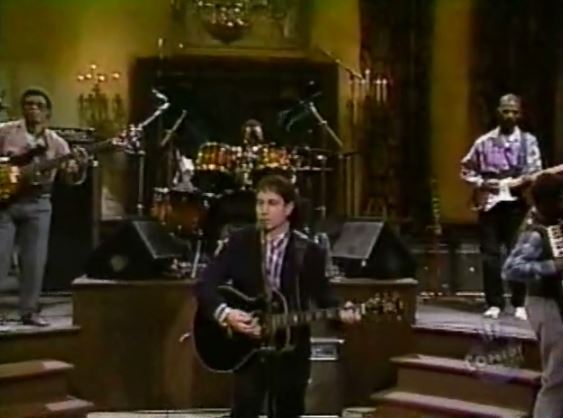
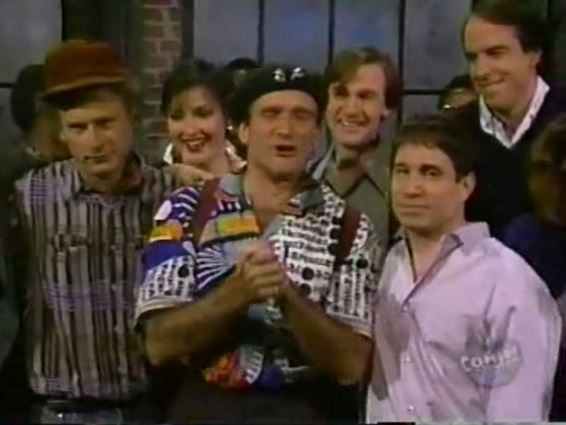
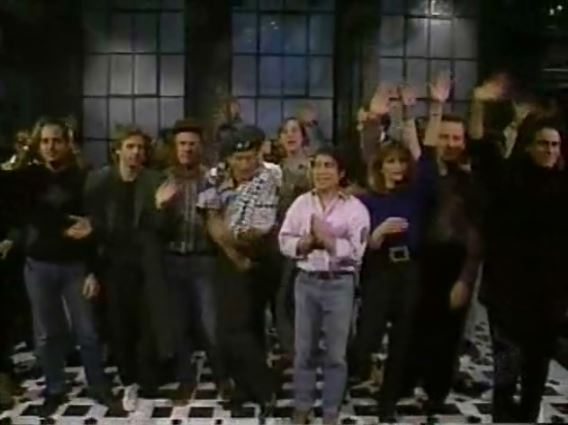
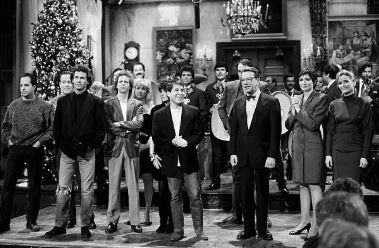
SNL |
|
1987 |
|||
???? |
Hollywood CA |
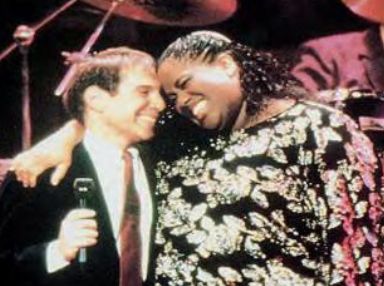
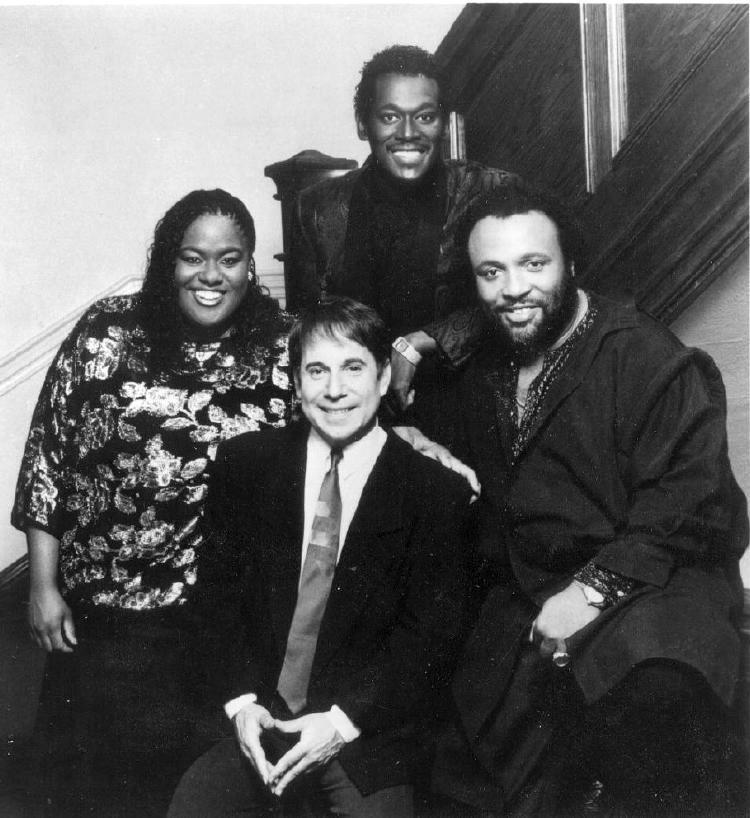
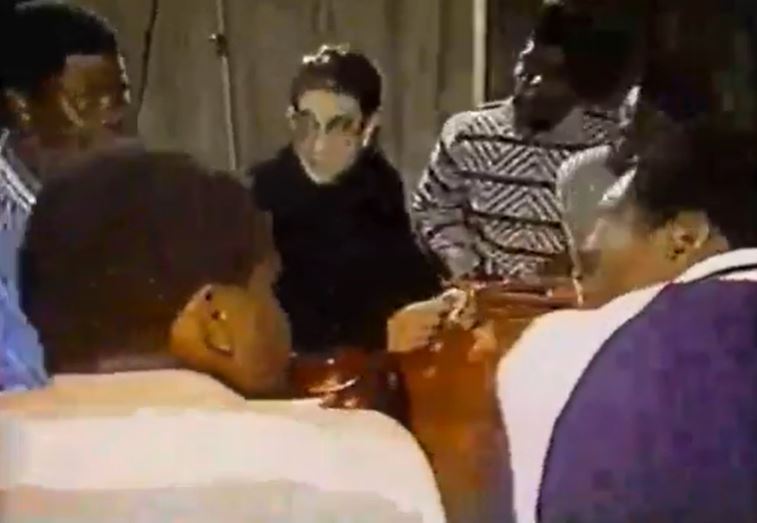
A Gospel Session With Paul Simon".
|
|
JANUARY 1987 |
|||
18 jan |
New York |
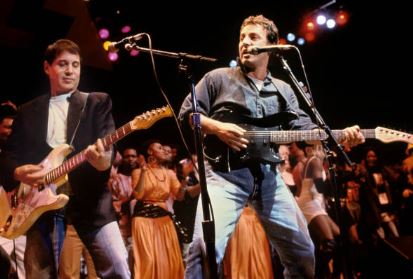
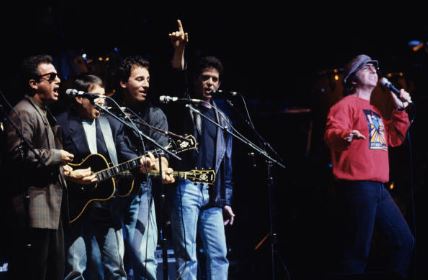
Madison Square GardenChildren's Health Project |
Billy Joel Bruce Springsteen Paul Simon Grace Jones |
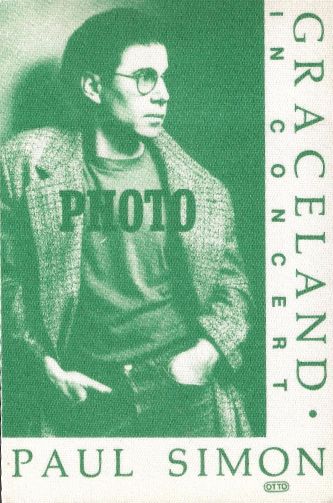
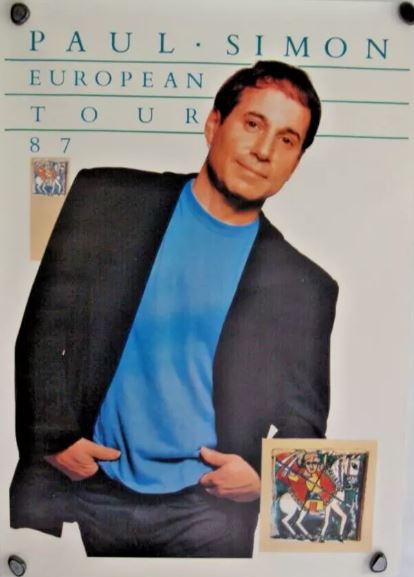
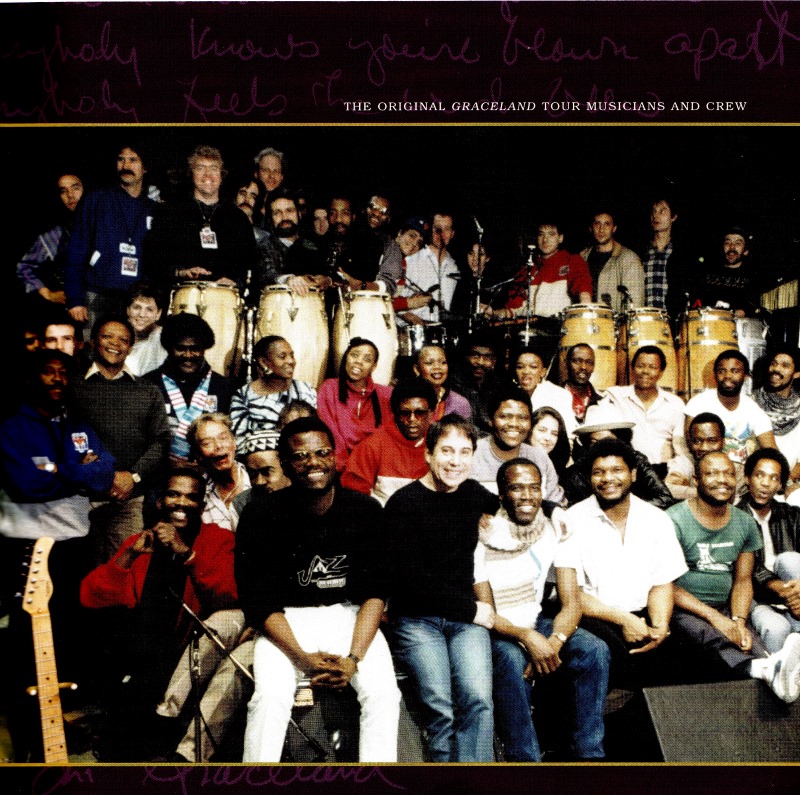
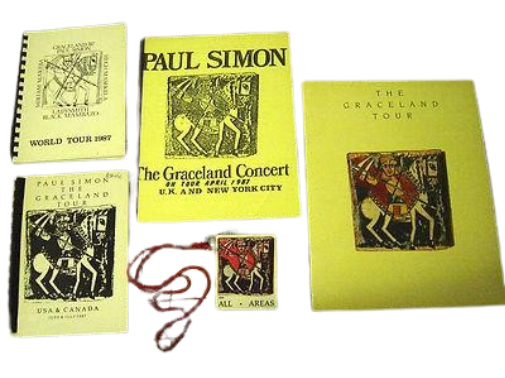
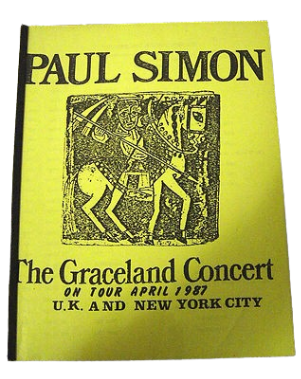
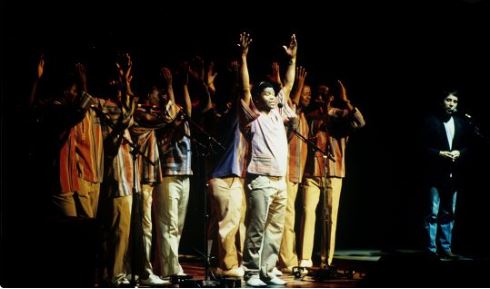
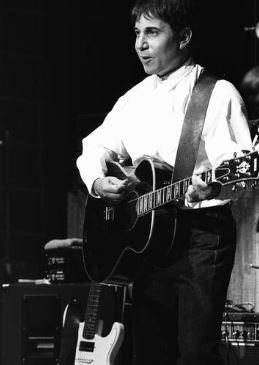
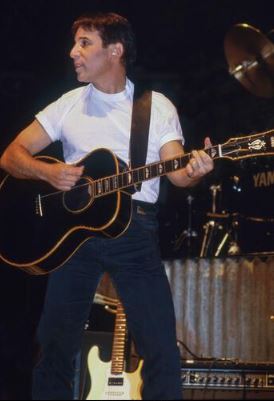
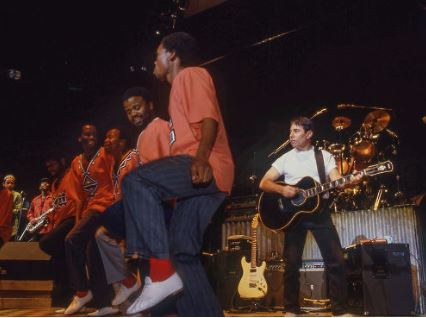
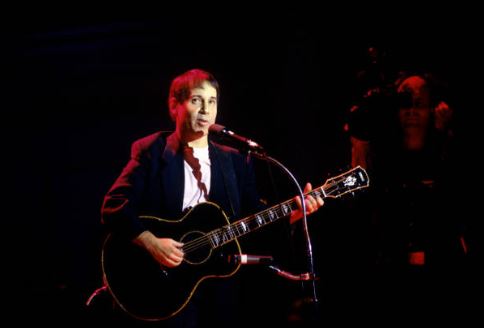
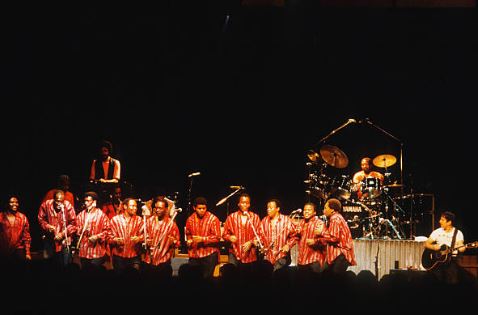
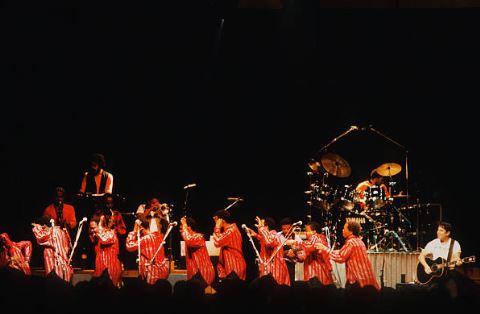
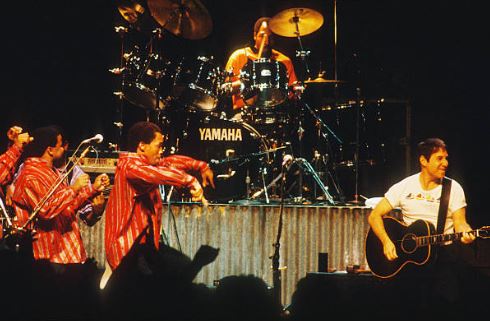
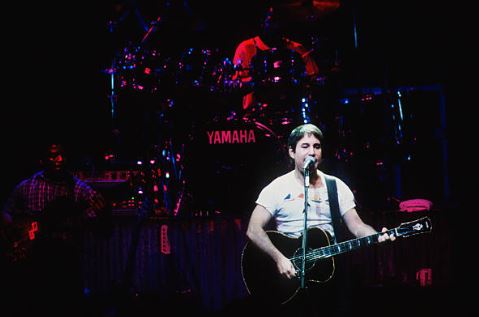
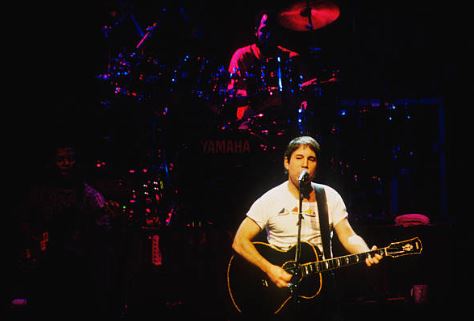
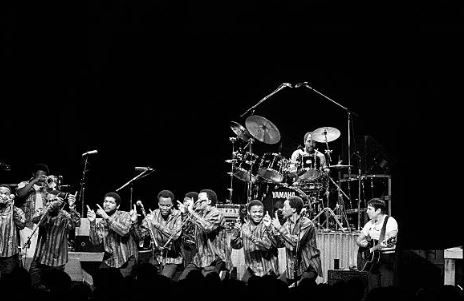
Graceland Tour 1987
Tracks List Township Jive Graceland EuropeTour 1987 |
|||
FEBRUARY 1987 |
|||
01 feb |
Rotterdam, Holland |
|
|
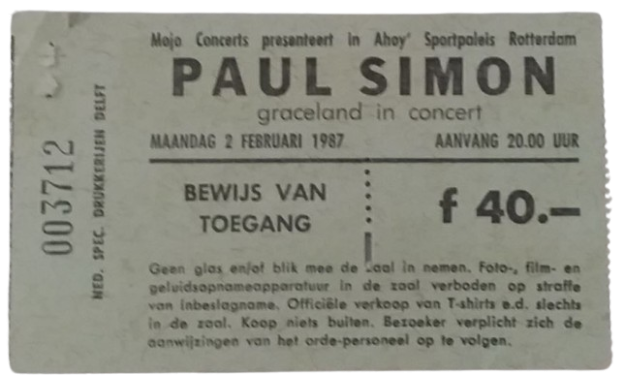
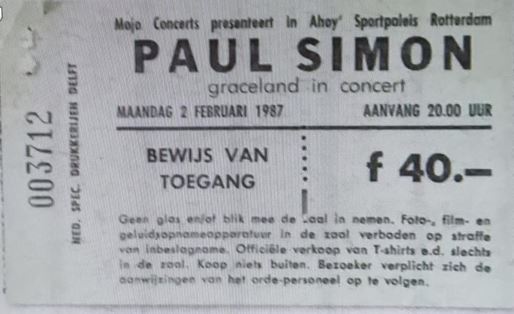
02 feb |
Rotterdam, Holland |
|
|
04 feb |
Brussel, Belgique |
Vorst National |
|
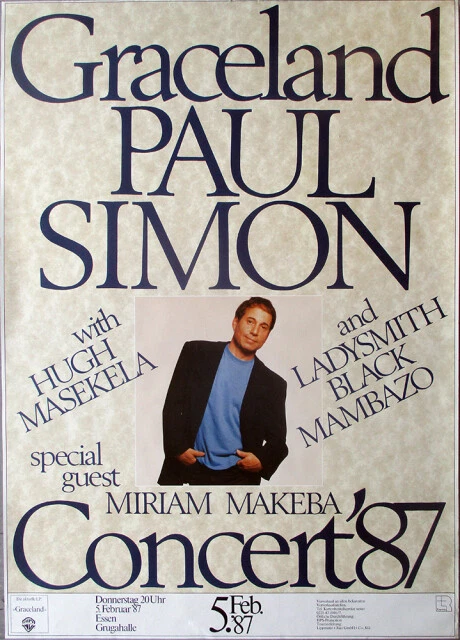
05 feb |
Essen |
Grugahalle |
|
06 feb |
San Remo, Italie |
Pala Rock |
 |
07 feb |
Milan, Italie |
|
|
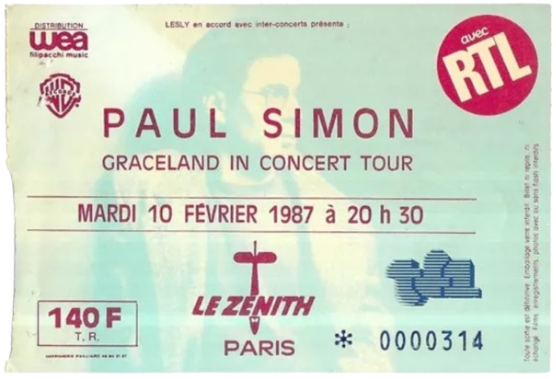
10 feb |
Paris, France |
Zenith |
|
11 feb |
Frankfurt, Allemagne |
Festhalle |
|
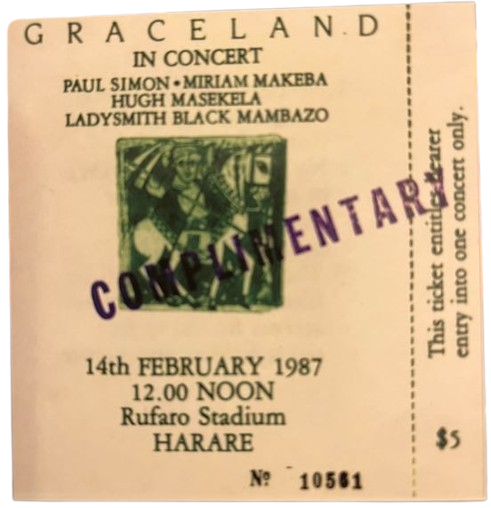
14 feb |
Harare, Zimbabwe |
|
|
15 feb |
Harare, Zimbabwe |
Ruffaro Stadium |
|
EUROPEAN TOUR |
|||
17 feb |
Basel, Suisse |
||
18 feb |
Munich, Allemagne |
OlympiaHalle |
|
20 feb |
Hamburg, Allemagne |
Alsterdorfer Sporthalle |
 |
24 feb |
Los Angeles |
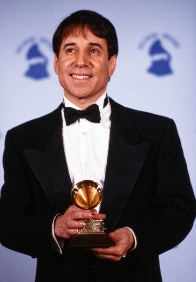
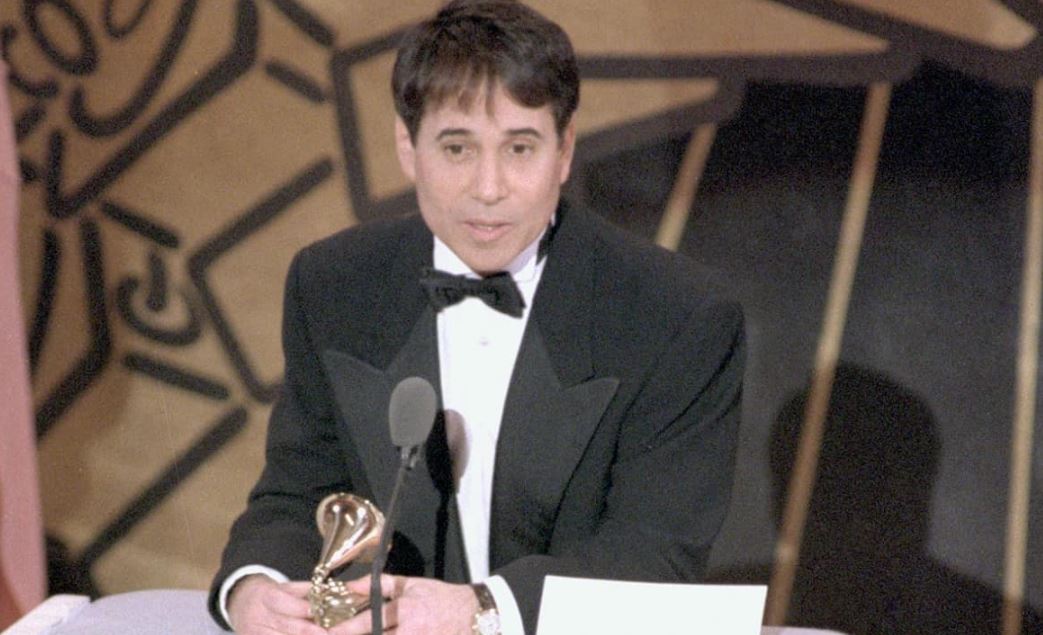
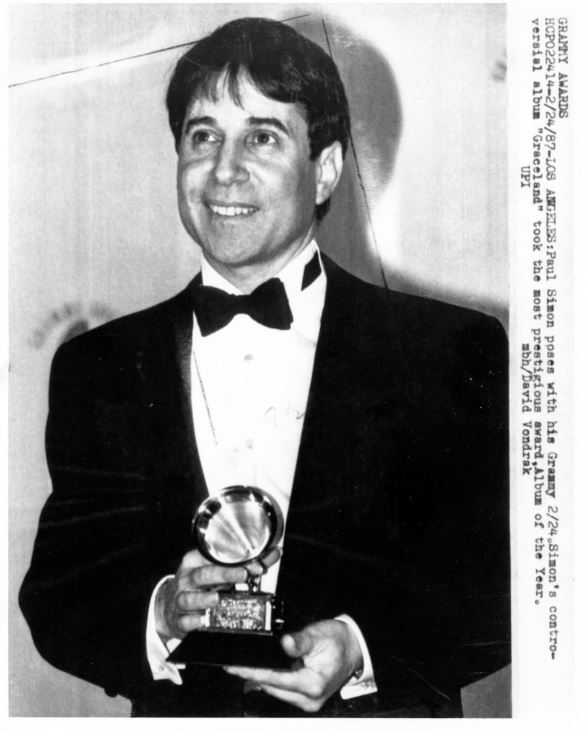
THE 29TH ANNUAL GRAMMY AWARDS, at the Shrine Auditorium |
|
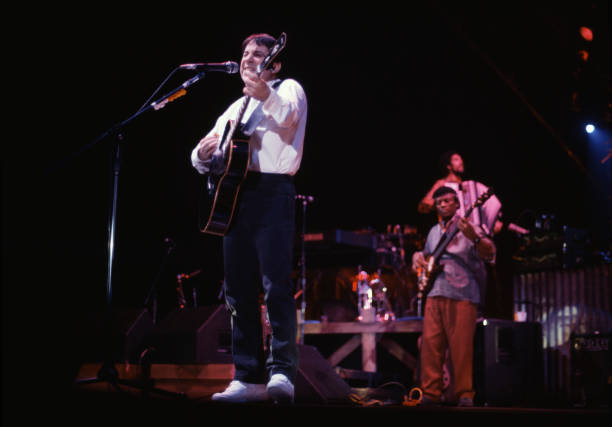
Graceland USA Tour 1987
Tracks List 01 Township Jive |
|||
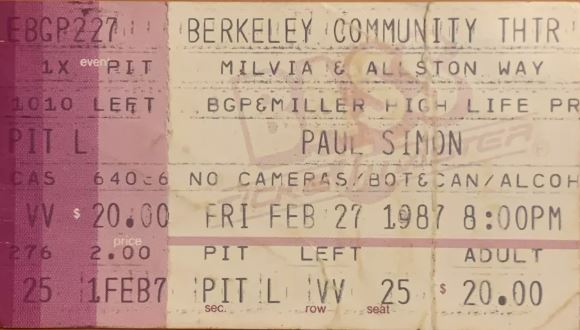
27 feb |
San Francisco, CA, USA |
|
|
28 feb |
Berkeley, , CA, USA |
Berkeley Community Theatre |
|
MARCH 1987 |
|||
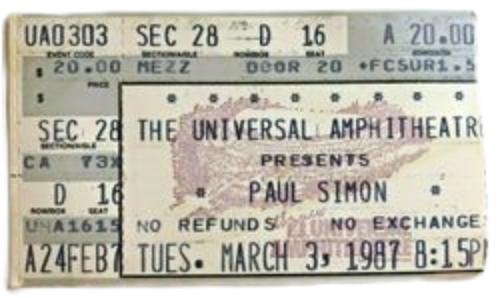
03 mar |
Los Angeles, CA, USA |
Universal Amphitheater |
 |
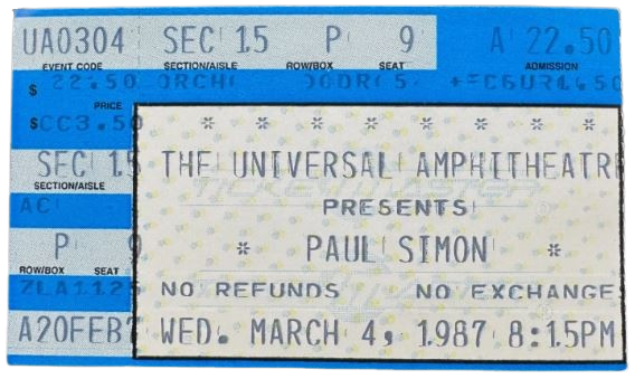
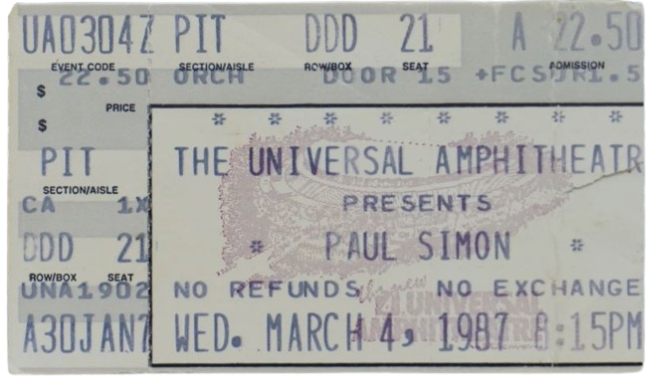
04 mar |
Los Angeles, CA, USA |
Universal Amphitheater
|
|
06 mar |
Los Angeles, CA, USA |
Universal Amphitheater |
|
07 mar |
Los Angeles, CA, USA |
|
|
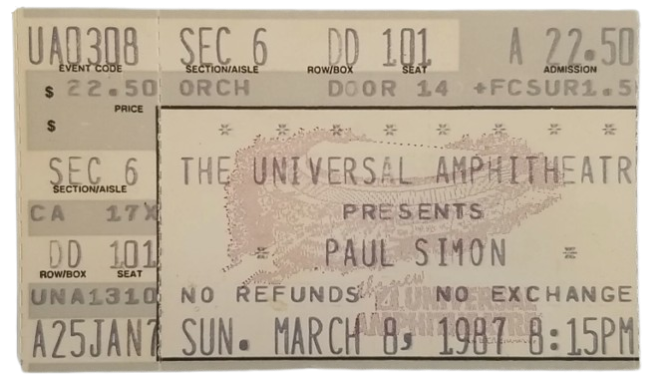
08 mar |
Los Angeles, CA, USA |
Universal Amphitheater |
 |
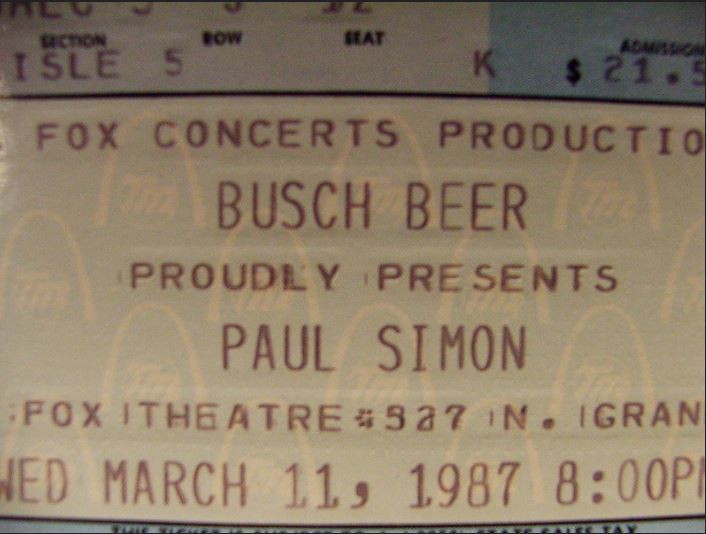
11 mar |
St. Louis, MO, USA |
|
|
13 mar |
Chicago, IL, USA |
|
|
14 mar |
Chicago, IL, USA |
Civic Opera House |
 |
31 mar |
New York City, NY,USA |
Felt Forum/Music Awards |
|
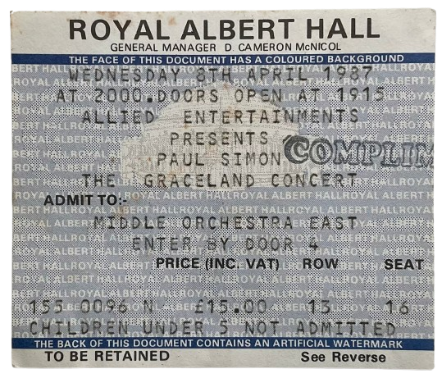
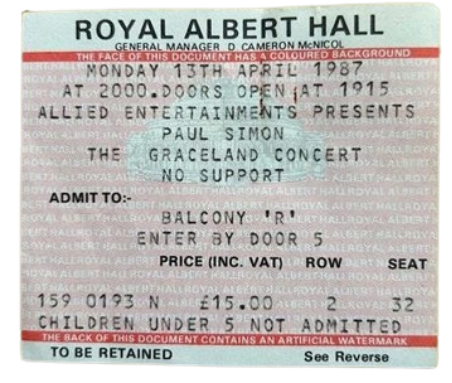
Graceland England UKTour 1987
|
|||
APRIL 1987 |
|||
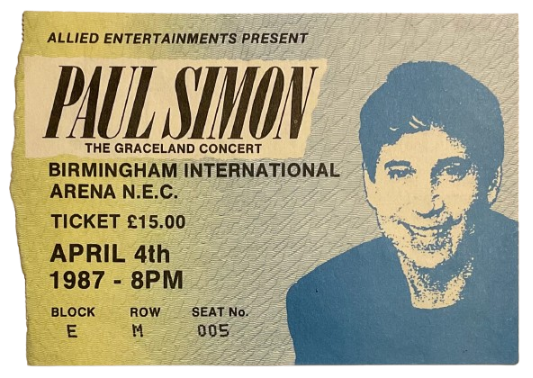
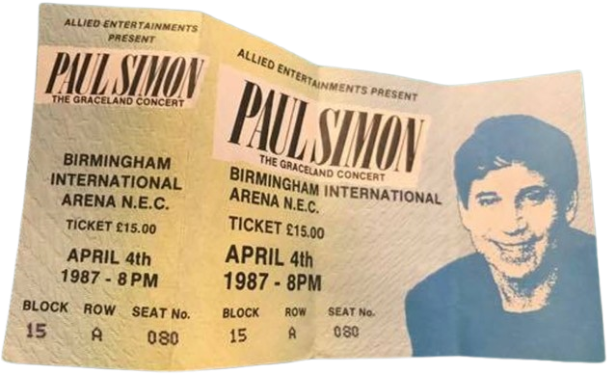
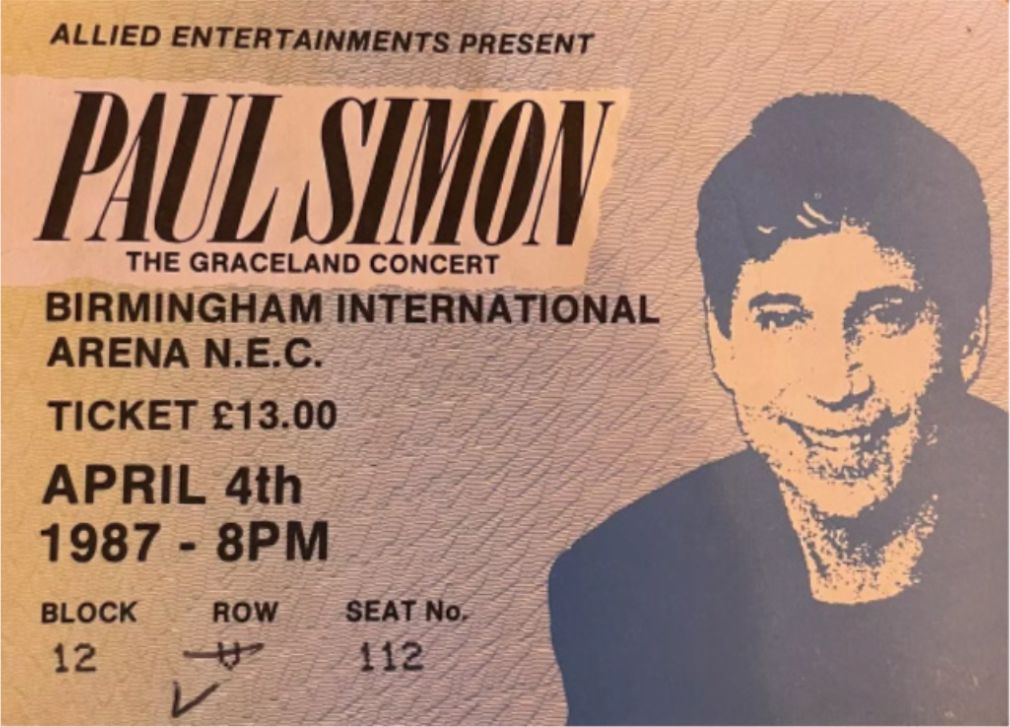
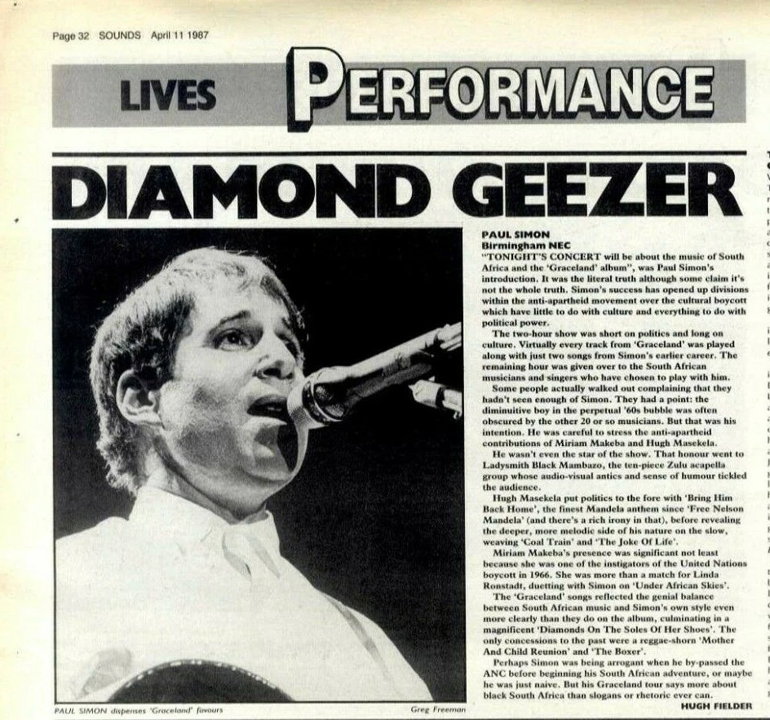
04 april |
Birmingham, Angleterre |
NEC |
|
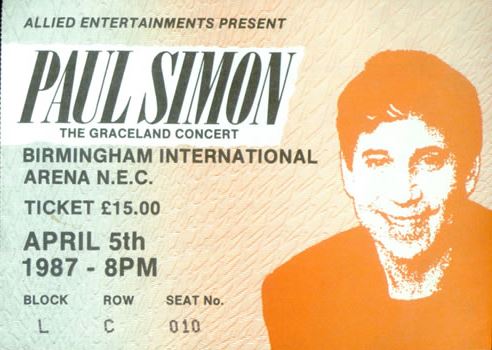
05 april |
Birmingham, Angleterre |
NEC |
|
April |
London |
ICA Institute Of Cotemporary Arts |
|
07 april08 april09 april11 april12 april13 April |
Londres, Angleterre |
|
|
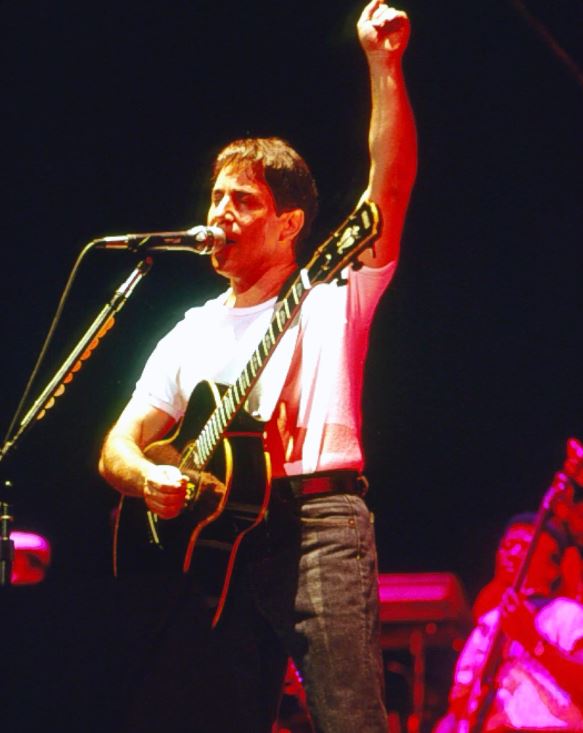
15 april |
Dublin, Irland |
RDS |
|
16 april |
Dublin, Irland |
RDS |
 |
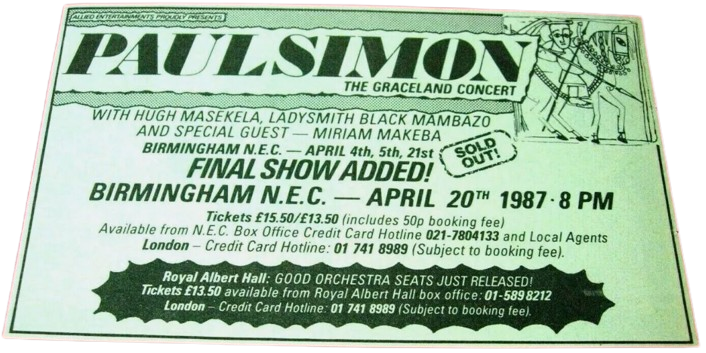
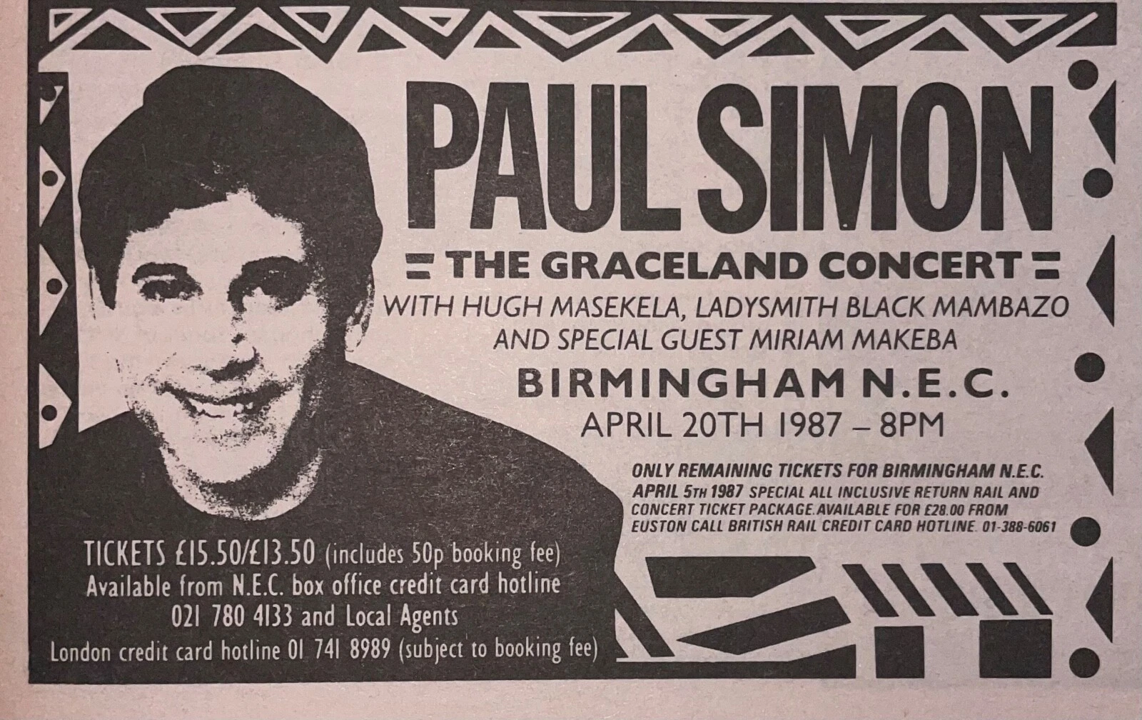
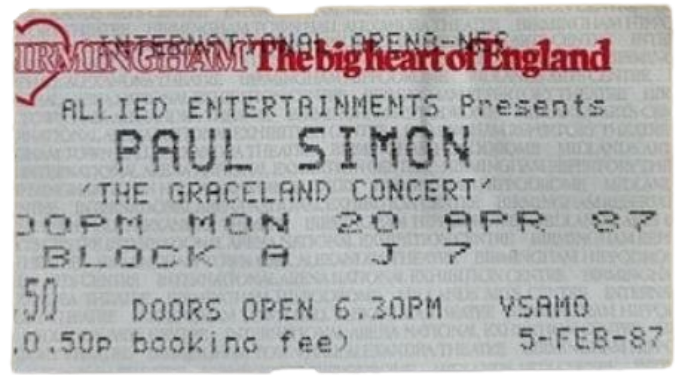
20 april |
Birmingham,Angleterre |
NEC |
|
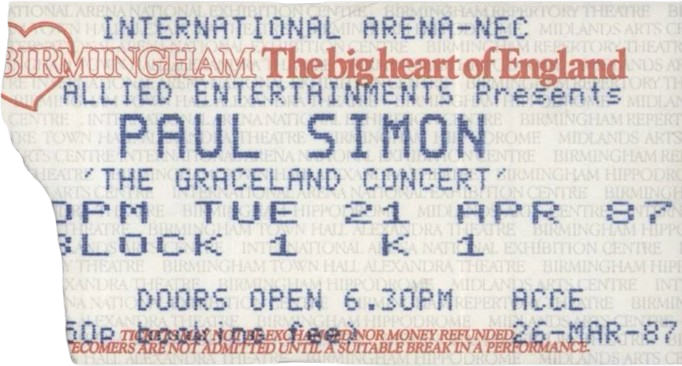
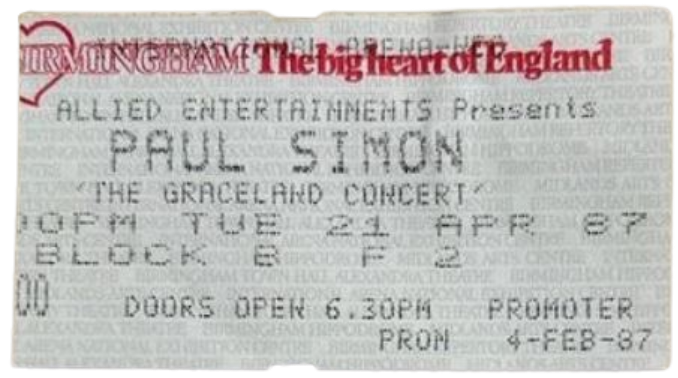
21 april |
Birmingham, Angleterre |
NEC |
|
Graceland USA Tour 1987
01 Township Jive |
|||
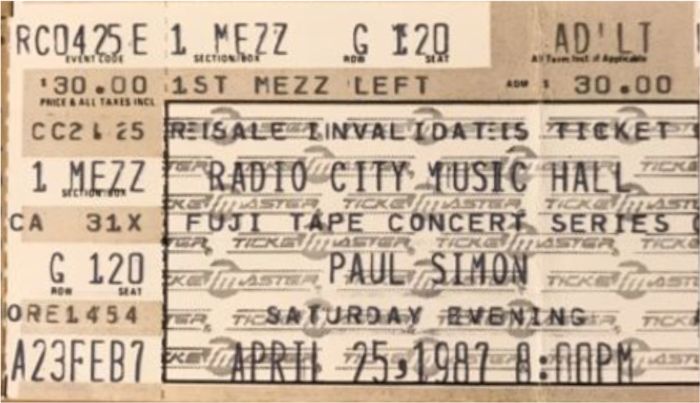
25 april |
New York, NY, USA |
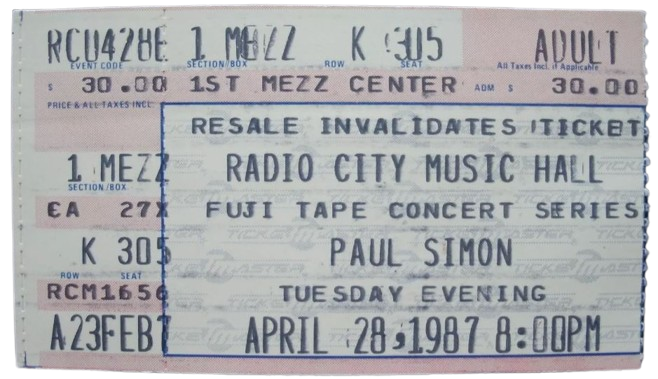
Radio City Music Hall |
|
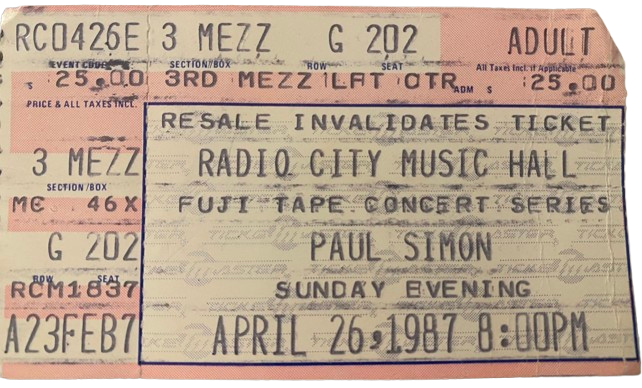
26 april |
New York, NY, USA |
Radio City Music Hall |
|
28 april |
New York, NY, USA |
 |
|
29 april |
New York, NY, USA |
Radio City Music Hall |
 |
30 april |
New York, NY, USA |
Radio City Music Hall |
|
MAY 1987 |
|||
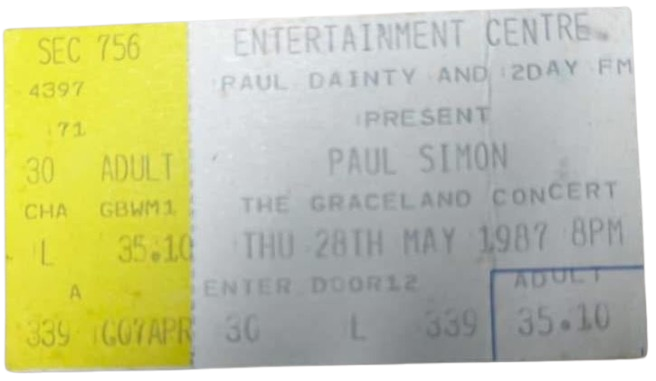
27 may |
Sydney, Australie |
Entertainment Center |
|
28 may |
Sydney, Australie |
Entertainment Center |
|
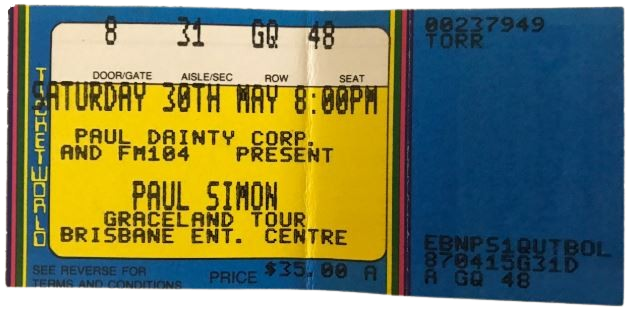
30 may |
Brisbane, Australie |
Entertainment Center |
|
31 may |
Brisbane, Australie |
Entertainment Center |
|
JUNE 1987 |
|||
06 june |
Melbourne, Australie |
Entertainment Center |
|
07 june |
Melbourne, Australie |
Entertainment Center |
|
08 june |
Melbourne, Australie |
Entertainment Center |
|
10 june |
Melbourne, Australie |
Entertainment Center |
|
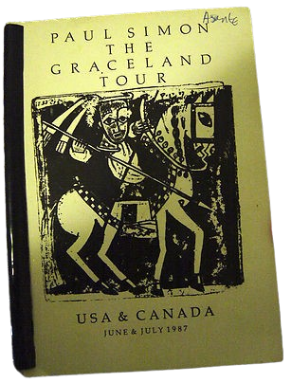
Graceland USA & Canada Tour 1987
01 Township Jive |
|||
16 june |
Atlanta |
Giorgia Omni |
|
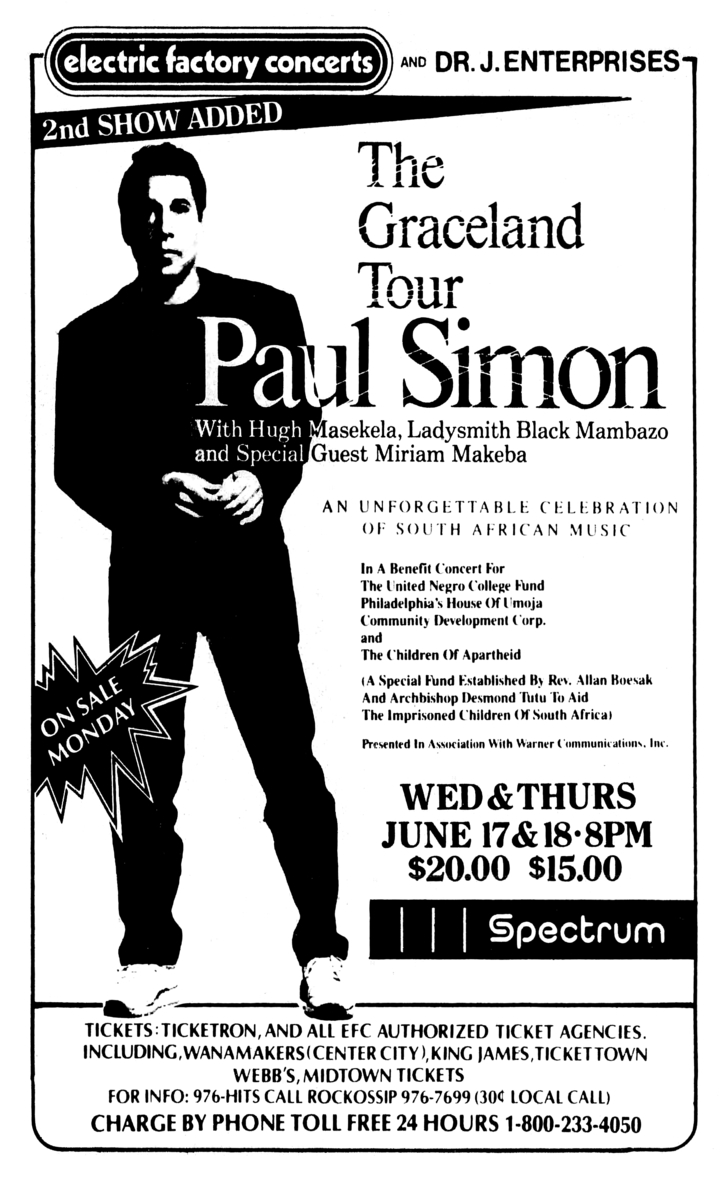
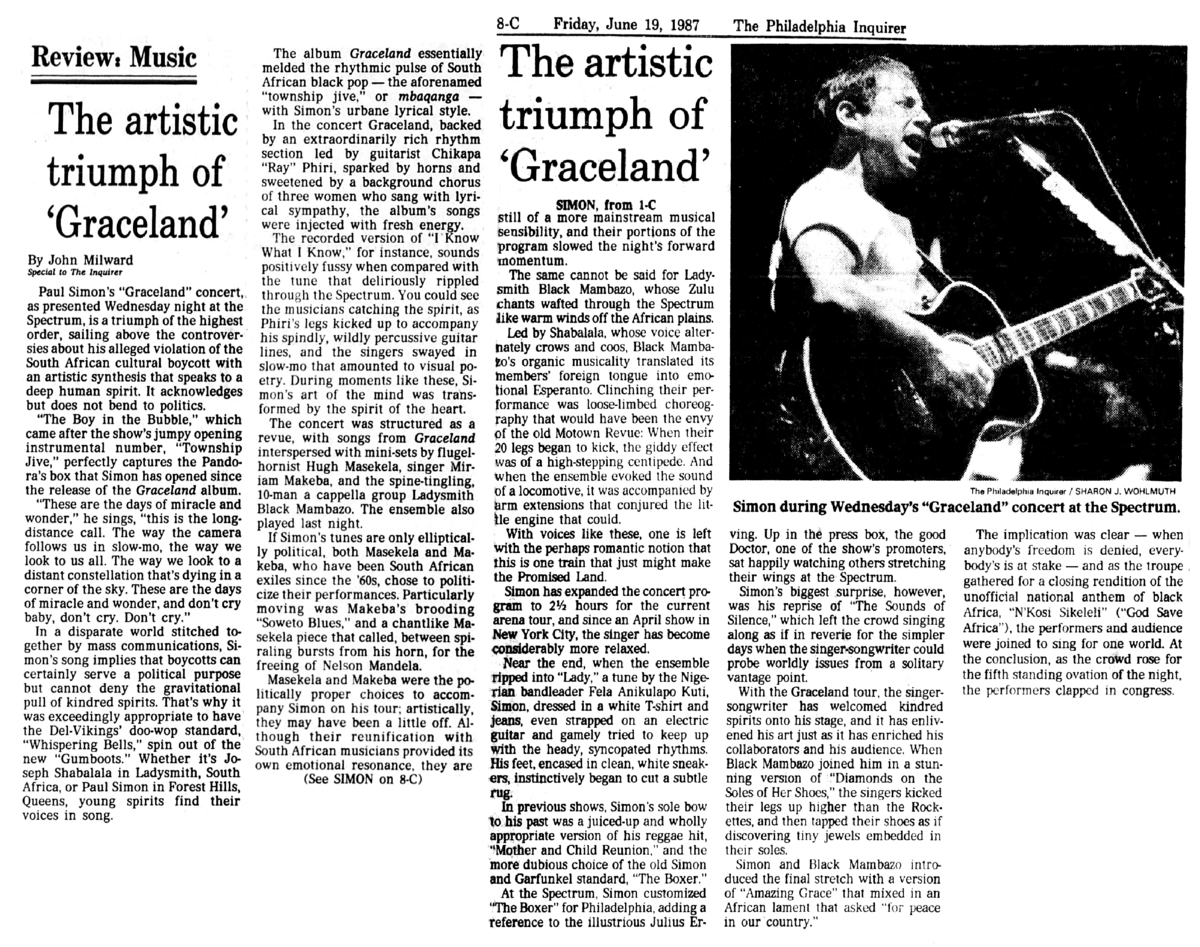
17 june |
Philadelphia |
Spectrum |
 |
18 june |
Philadelphia |
Spectrum |
|
19 june |
Boston |
Greatwoods |
 |
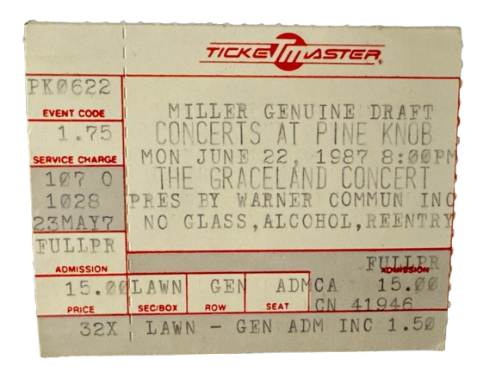
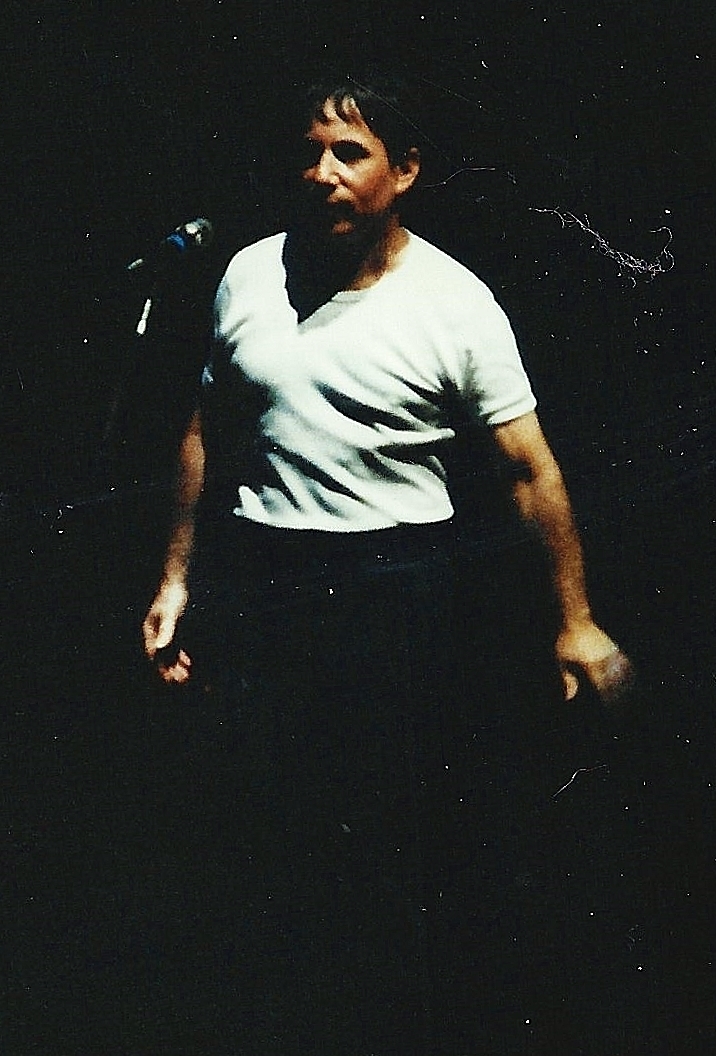
22 june |
Detroit |
Pineknob |
|
24 june |
Toronto Canada |
Maple Leaf Gardens |
 |
25 june |
Montreal Canada |
Maple Leaf Gardens |
|
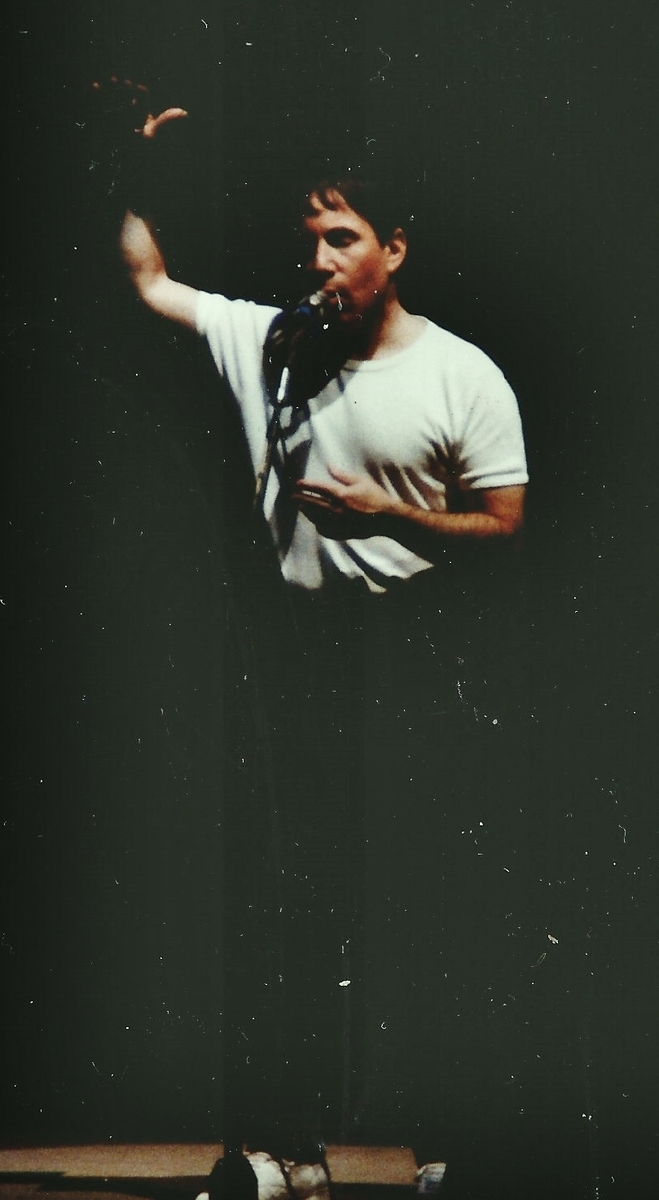
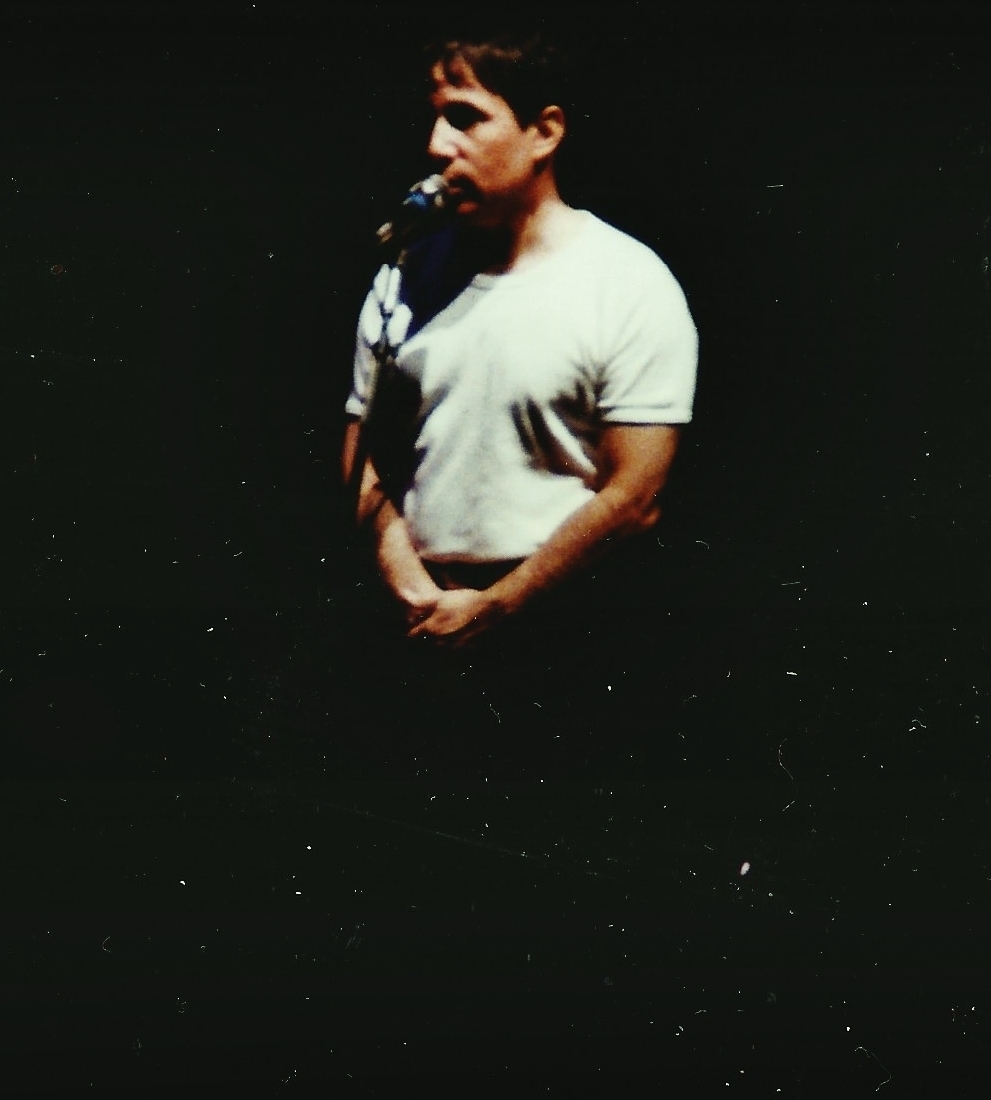
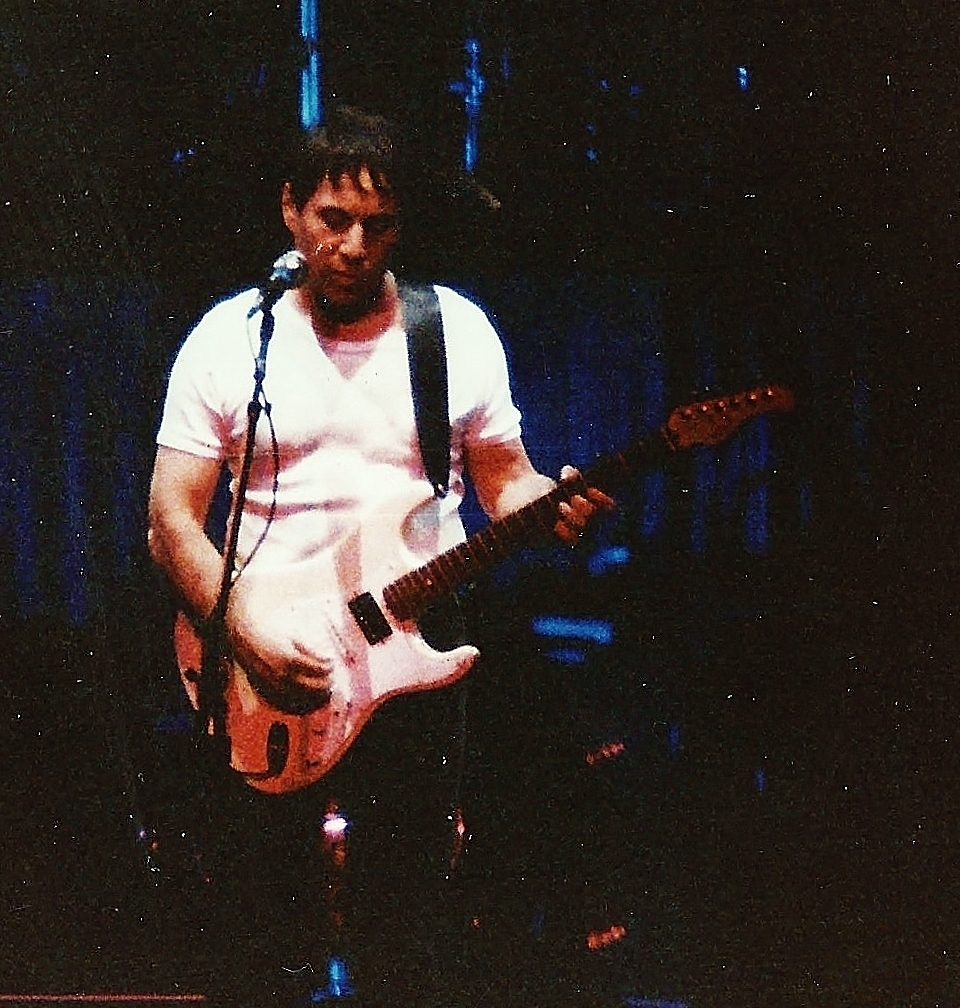
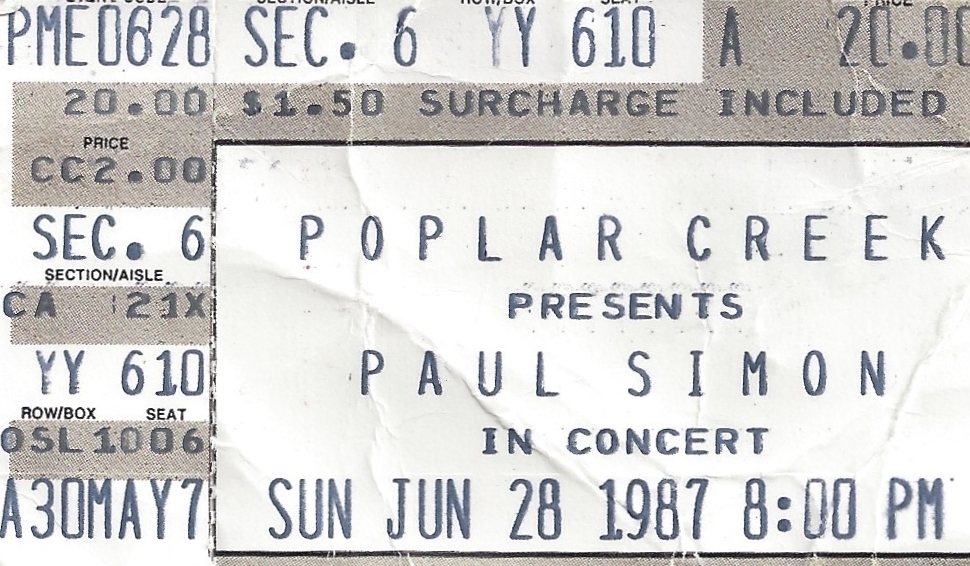
28 june |
Chicago, IL, USA |
Popula Greek |
|
29 june |
Milwaukee US |
Summerfest |
|
JULY 1987 |
|||
01 july |
Washington US |
Merriweather Post Pavillon |
 |
02 july |
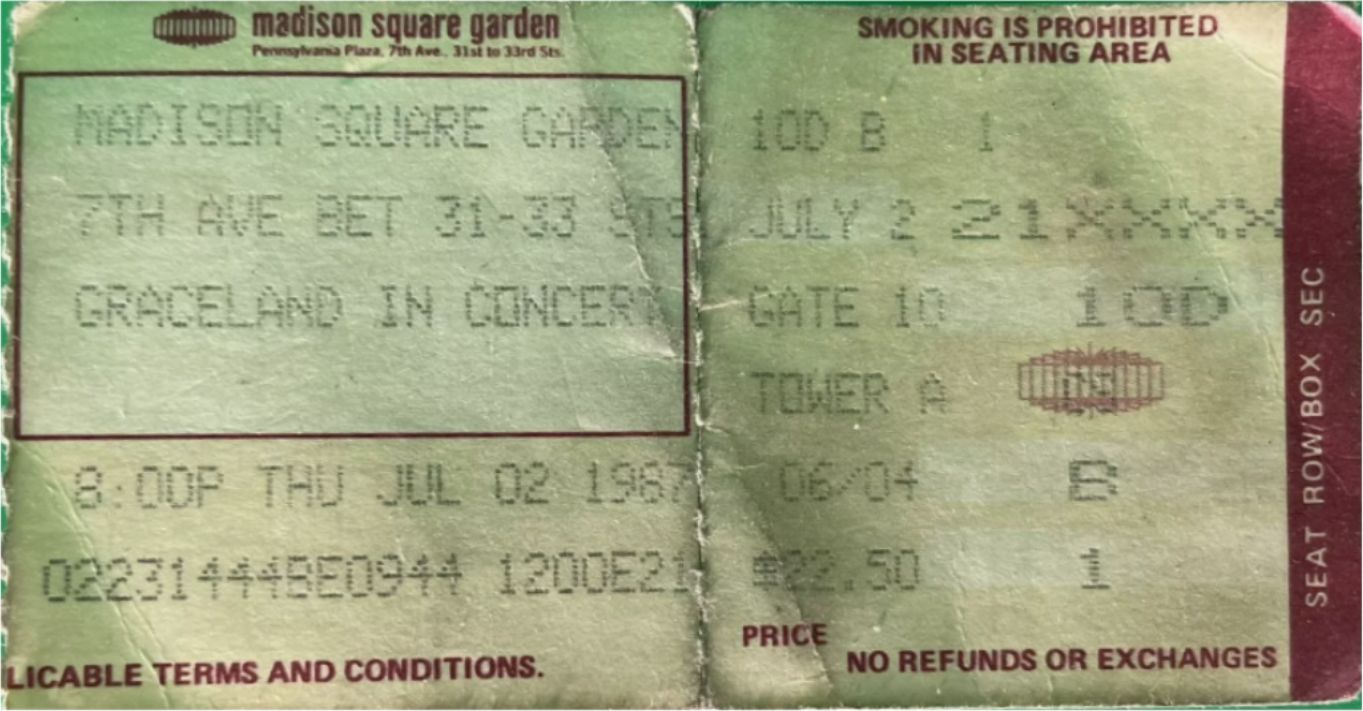
New York City US |
Madison Square Gardens |
|
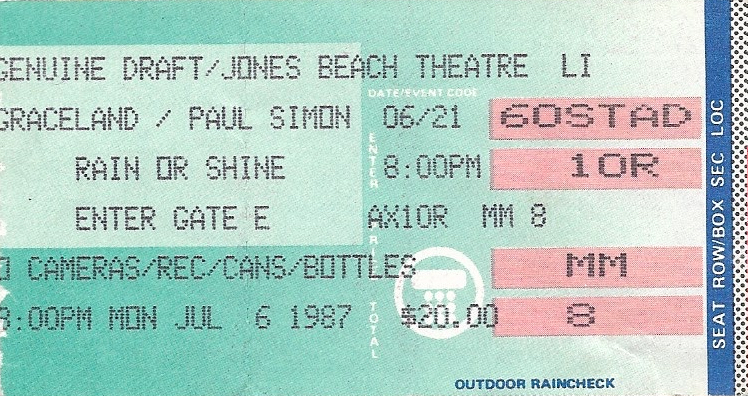
06 july |
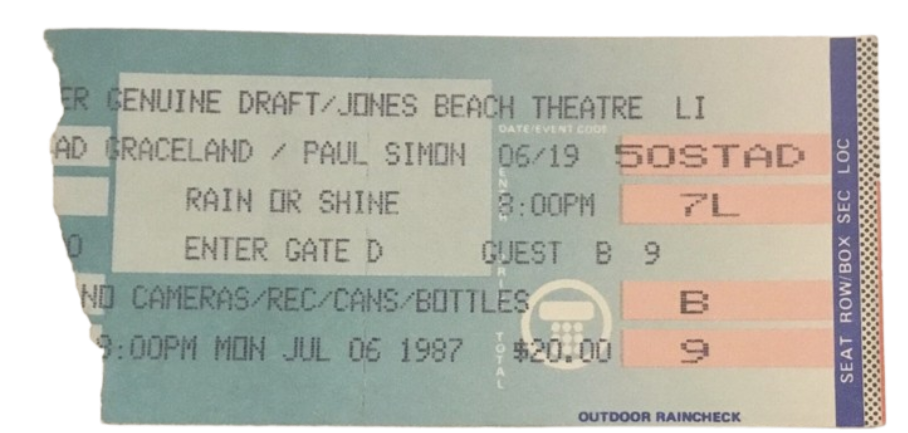
Wantagh, New York, United States |
Jones Beach Theater |
|
OCTOBER 1987 |
|||
12 oct |
London |
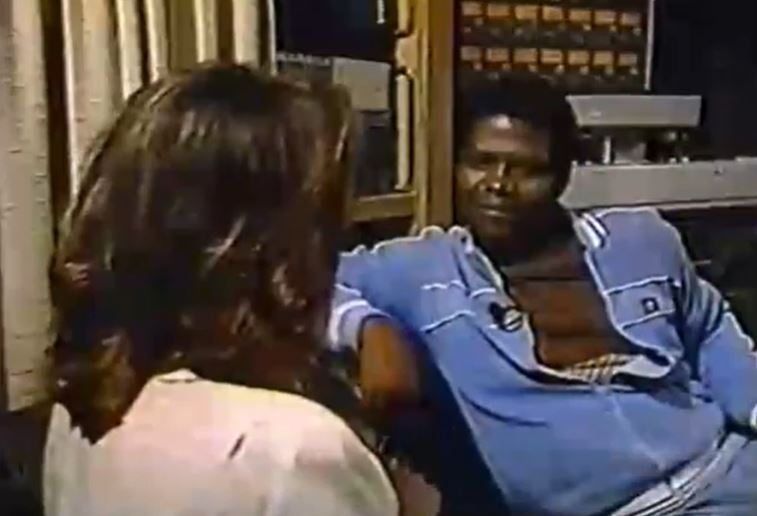
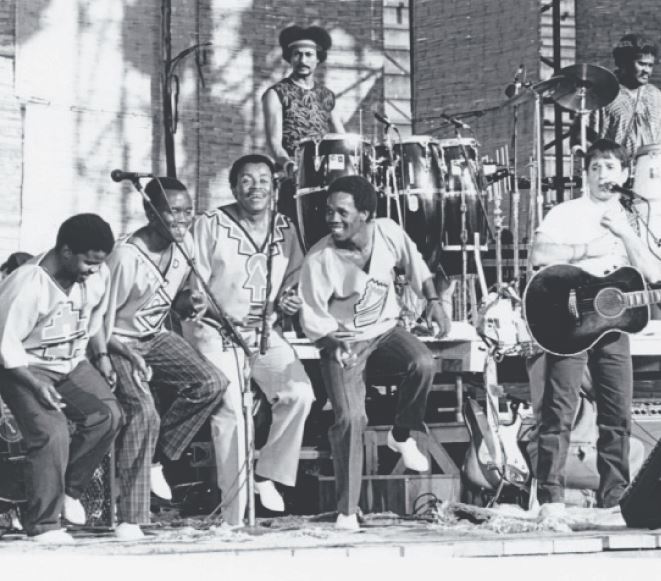
BBCThe interview takes place shortly after the international success of Graceland and focuses on the musical collaboration between Western and South African artists, set against the political backdrop of apartheid and the cultural boycott.Paul Simon explains how he became interested in South African music and chose to collaborate directly with local musicians. He emphasizes that his goal was to learn from their music, not to impose Western styles, and to treat the artists as equal partners.Joseph Shabalala describes the vocal tradition of isicathamiya and how Ladysmith Black Mambazo’s sound was incorporated into Graceland. He stresses the importance of preserving Zulu musical identity while sharing it with a global audience.A major part of the discussion addresses the controversy surrounding the cultural boycott of South Africa. Simon defends his actions by stating that his project was artistic rather than political, and that all South African musicians were properly credited, paid, and publicly acknowledged.Shabalala adds that the collaboration gave his group international visibility that would otherwise have been impossible. |
|
NOVEMBER 1987 |
|||
03 nov |
St. Louis, IL, USA |
Fox Theater |
|
DECEMBER 1987 |
|||
07 dec |
New York |
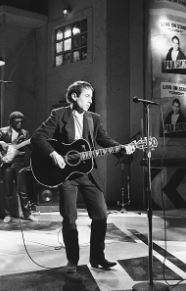
CARNEGIE HALL Paul Simon, Paul Simon performing at the Harry Chapin Tribute held at Carnegie Hall |
|
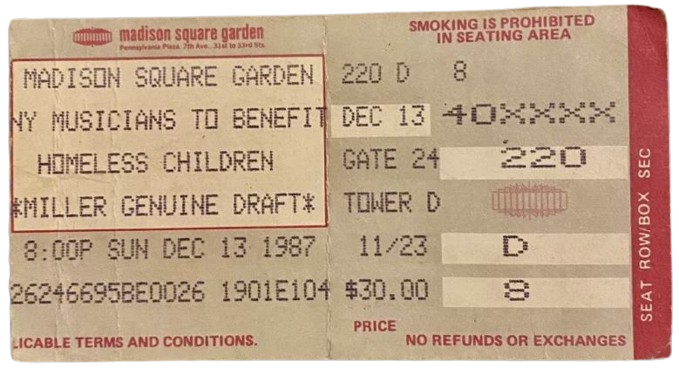
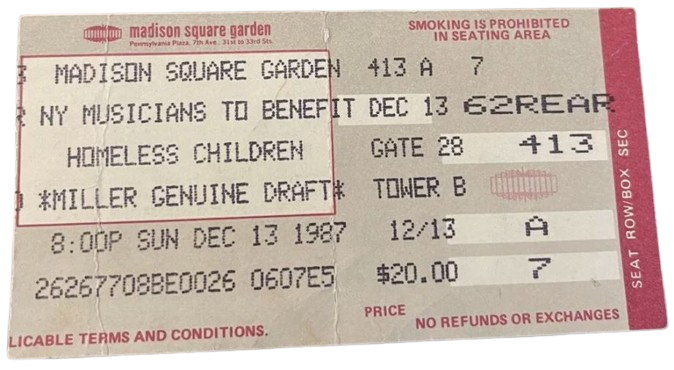
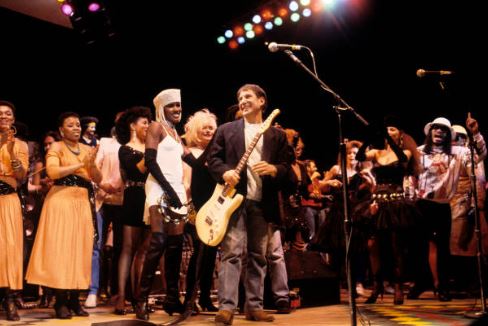
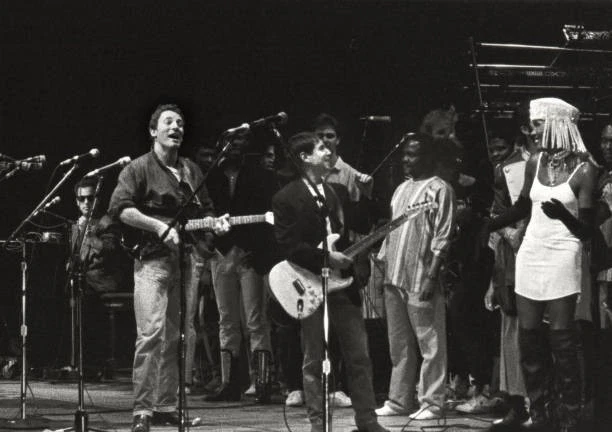
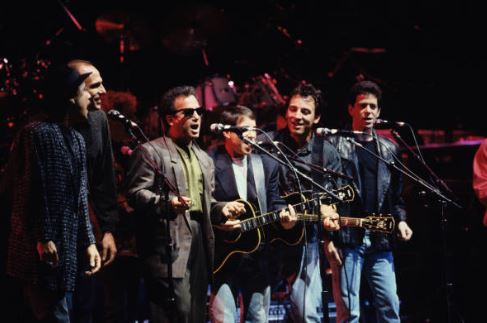
13 dec |
|
||
19 dec |
New York, USA / |
SNL |
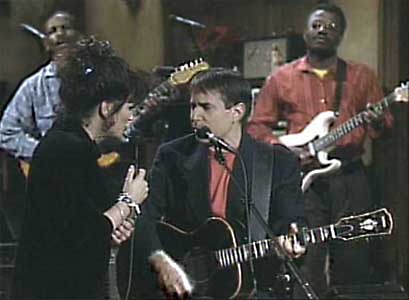
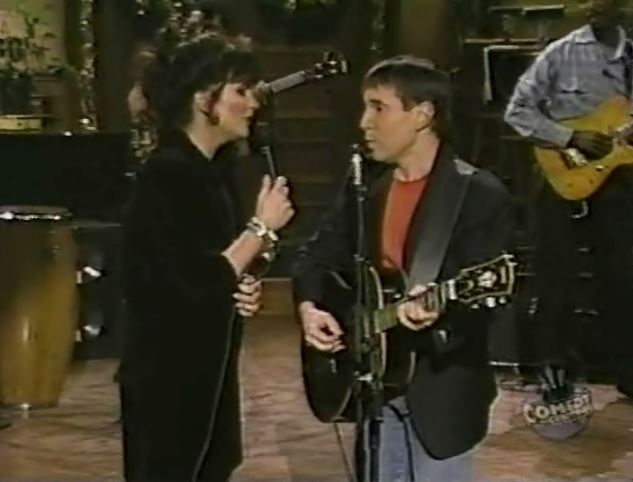
Paul Simon / Linda Ronstadt
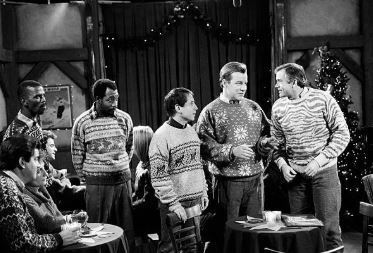
Paul Simon and The Senator Paul Simon
|
1988 |
|||
JUNE 1988 |
|||
03 nov |
New York |
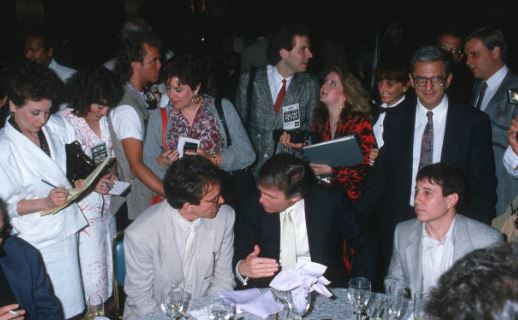
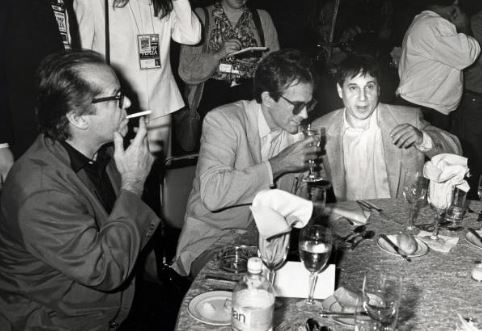
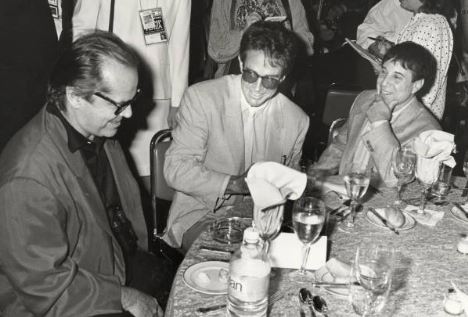
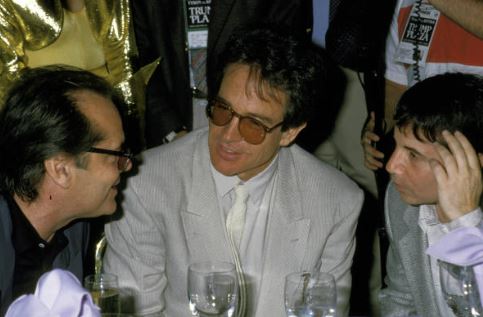
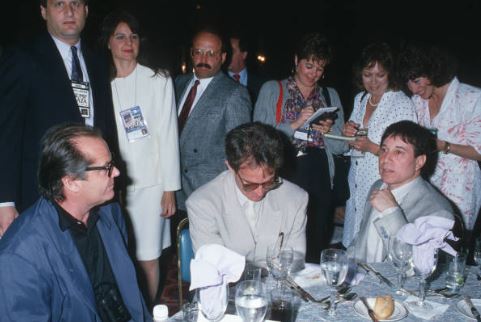
Jack Nicholson, Donald Trum, Warren Beatty and Paul Simon during Mike Tyson vs Michael Spinks Fight at Trump Plaza |
|
SEPTEMBER 1988 |
|||
13 sept |
Los Angeles |
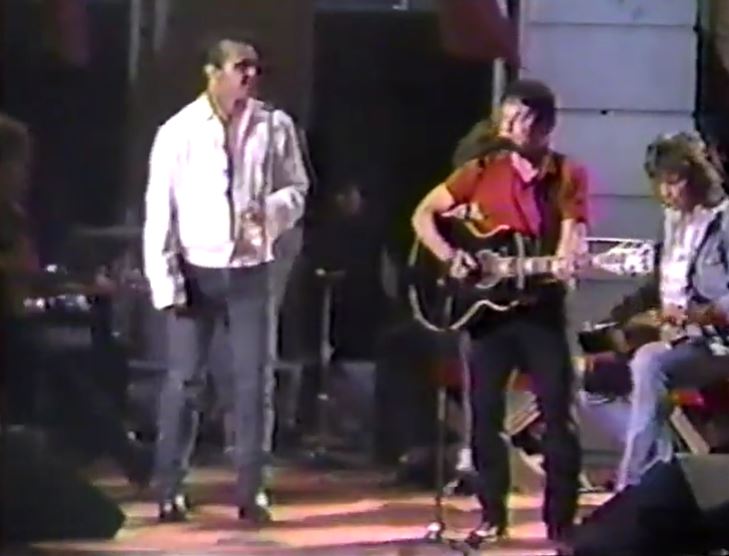
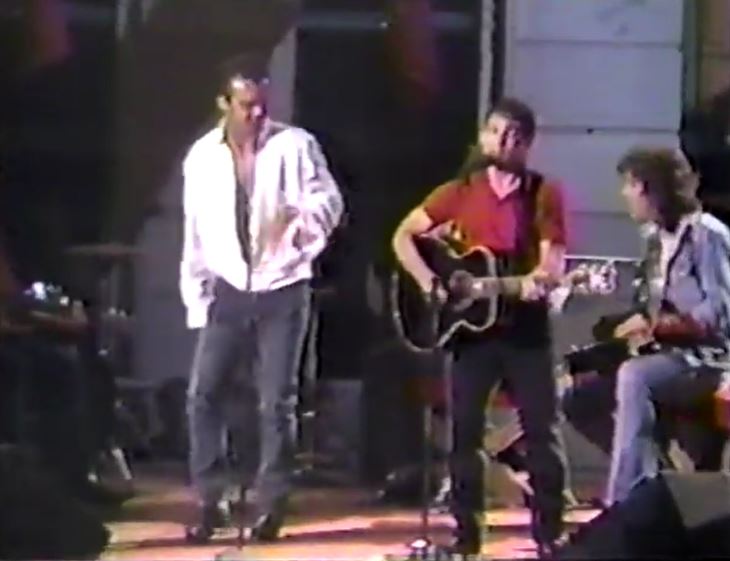
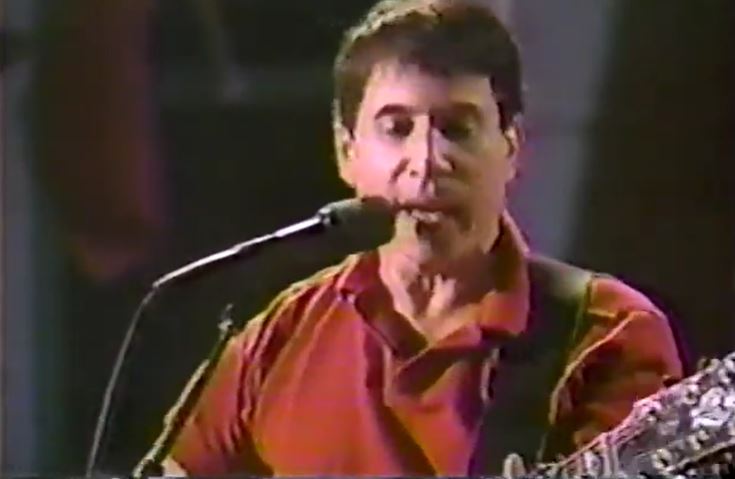
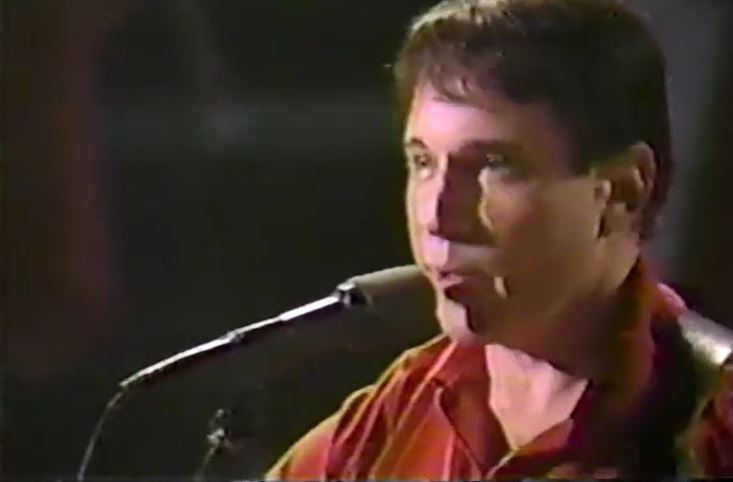
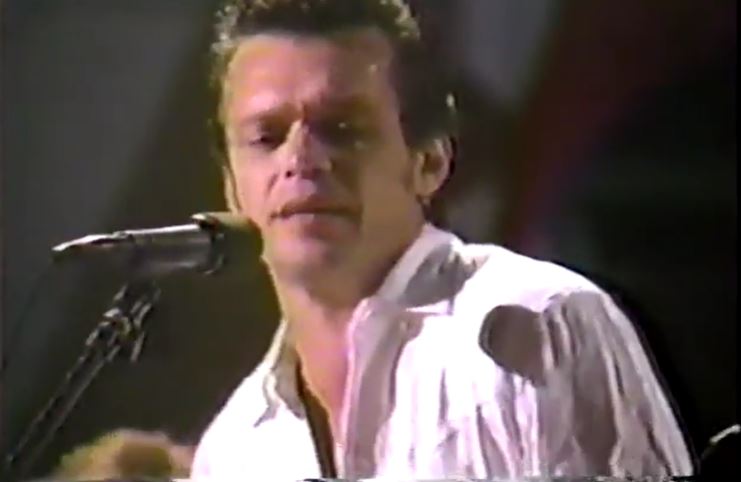
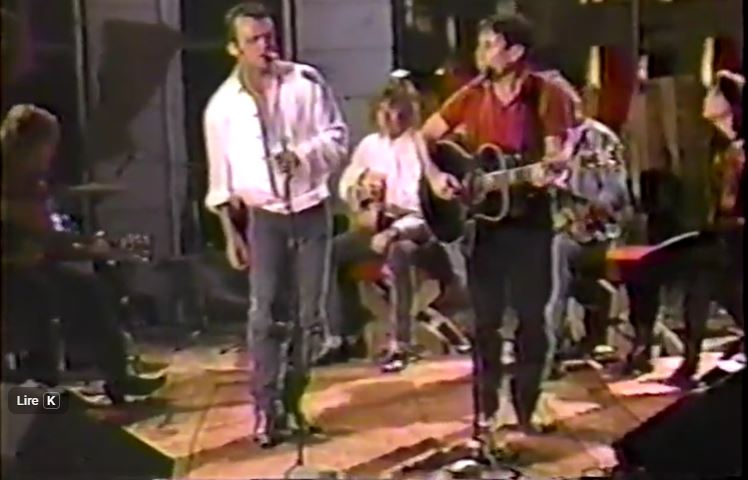
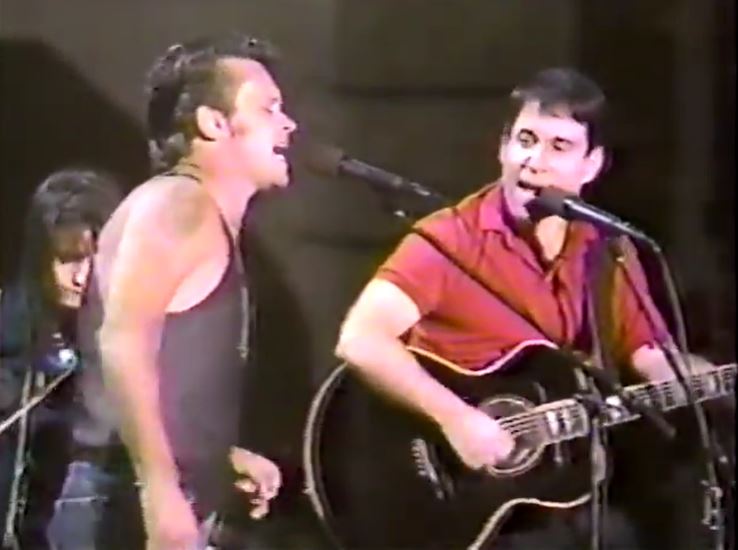
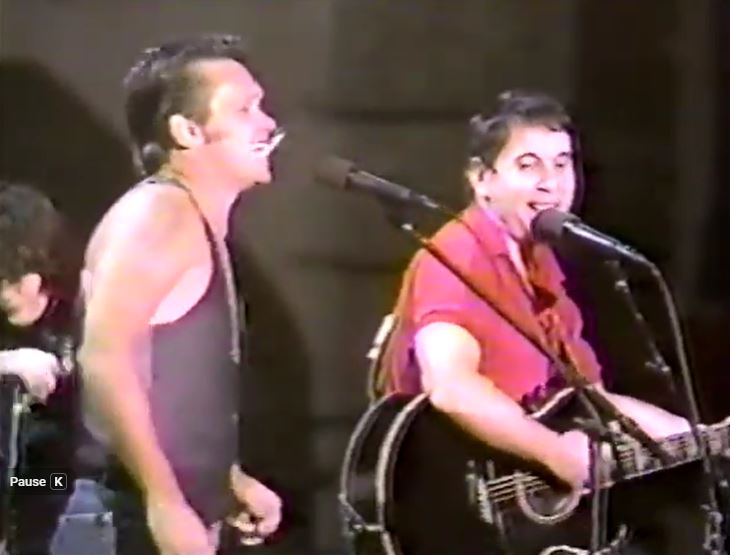
NBC Coca Cola Presents :Live The Hard RockPaul Simon & John Mellencampsinging : Dirty Old Town / Written On The Wind / The Boxer |
|
NOVEMBER 1988 |
|||
11 nov |
New YorkMotaukQueensBrill Building (New New York) |
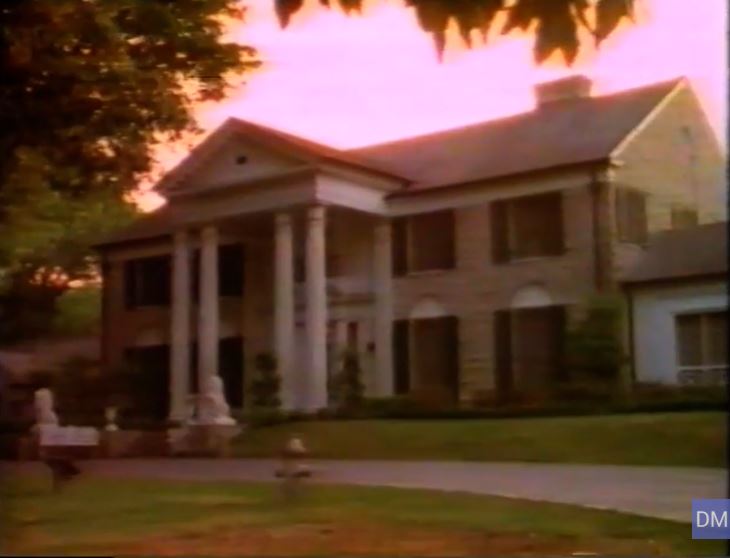
BBC OneOmnibusThis episode of the BBC documentary series Omnibus (broadcast on 11 November 1988) is built as a moving portrait rather than a static studio sit-down. Mark Steyn interviews Paul Simon through a mix of conversation, returns to places from Simon’s youth, and musical illustrations (song excerpts and comments on writing and craft).1) New York childhood: the “music switch” flips onA large part of the program’s charm comes from Simon revisiting his teenage years in New York (Queens). He drives Steyn around his old neighborhood, pointing out his school and family home, and reconnecting those locations to the moment his musical taste began to take shape (doo-wop, early rock’n’roll, gospel).Memorable anecdote: hearing Elvis for the first timeSimon tells a very specific story about a formative first encounter with Elvis, locating it near a supermarket—a vivid “origin moment” that Steyn uses as a springboard into a broader discussion of what that music opened up for Simon.2) Family influence and a “gospel ear”Simon also talks about his father (presented as a band leader) and makes an evocative point about how he would sometimes stumble into rock/gospel on Sundays simply because that’s what would be on the radio. He links those early sounds to his own songwriting sensibility (the program connects this thread to songs like Love Me Like a Rock).3) Meeting Art Garfunkel and the logic of the duoThe documentary returns to the early Simon & Garfunkel story: Simon recounts meeting Art Garfunkel in childhood, the formation of the duo identity, and how that partnership eventually fed into what came after the split.4) After the split: solo work and the burden of being a “spokesman”The portrait spans decades and frames Simon’s evolution from being treated—willingly or not—as a kind of voice for a young, alienated America, to a songwriter who becomes freer and more stylistically wide-ranging, drawing on different grooves, narratives, and musical traditions.5) “Graceland,” Elvis, and turning a symbol into poetryThe Elvis thread returns as the program moves into “Graceland.” From an adolescent Elvis memory, it shifts into craft: Steyn highlights how Simon takes a place that can be viewed as flashy or kitschy and turns it into something melancholic and lyrical in the song Graceland—less monument, more elegy.6) Music moments and workshop-style confidencesAlongside highlights from the catalogue (the episode is commonly associated with songs such as Me and Julio Down by the Schoolyard, Still Crazy After All These Years, Graceland, and Diamonds on the Soles of Her Shoes), the format includes moments where Simon demonstrates what he’s talking about rather than only describing it.Extra “workshop” anecdotes (from Steyn’s related archival clips about this portrait/interview):
|
|
1989
|
|||
JANUARY 1989 |
|||
Date ??? |
New York ?? |
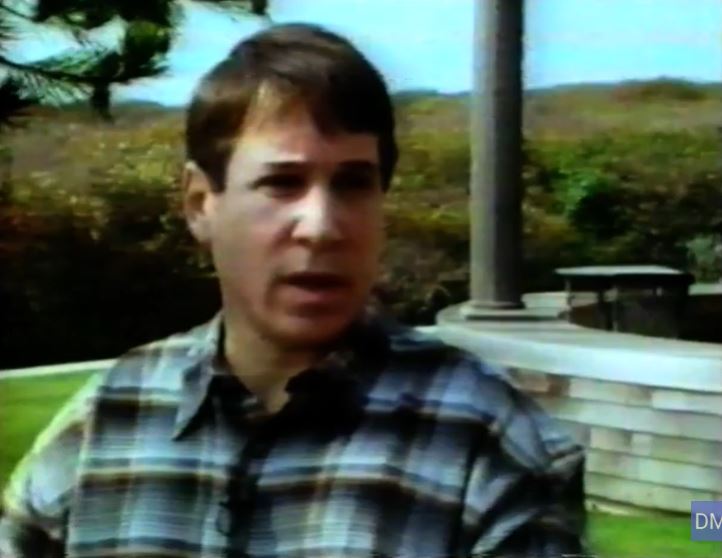
In this interview, Paul Simon reflects thoughtfully on his career in the aftermath of the enormous success of Graceland. He explains that while the album brought him renewed visibility and artistic satisfaction, it also forced him to confront important questions about direction, repetition, and artistic freedom.Simon makes it clear that he has no desire to recreate the sound or formula of Graceland. Instead, he sees each album as a separate artistic journey. For him, creativity depends on uncertainty and risk, and he believes that repeating a proven success would ultimately undermine the honesty of his work. |
|
14 jan |
New York |
SNLEdie Brickel singing "Green" |
|
18 jan |
New York |
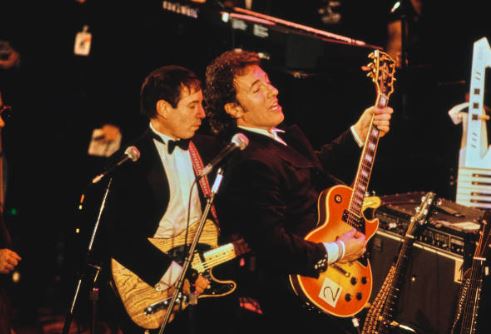
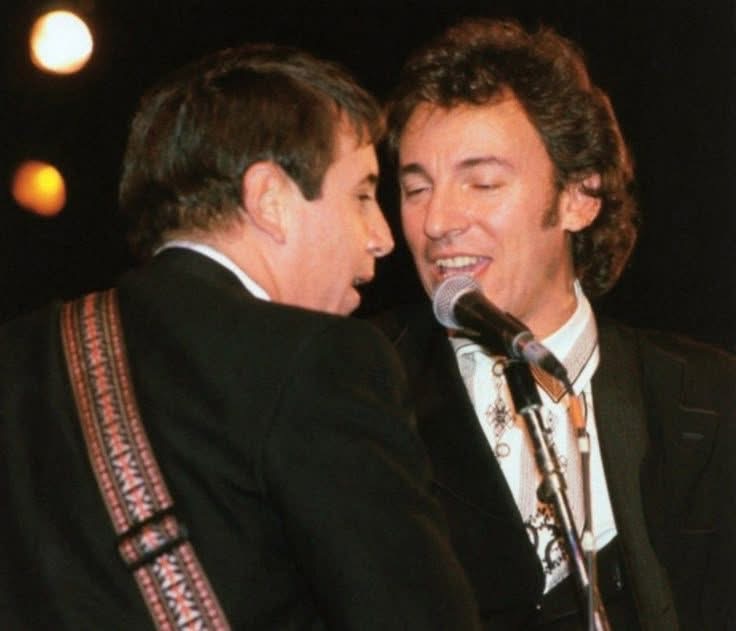
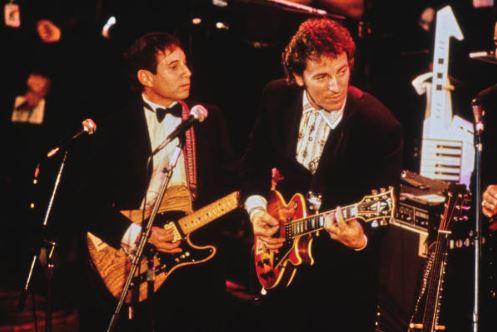
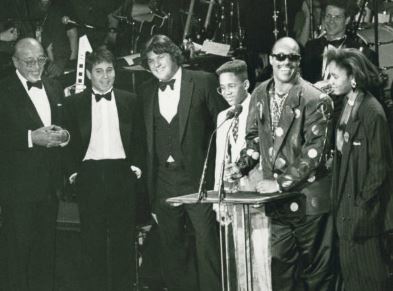
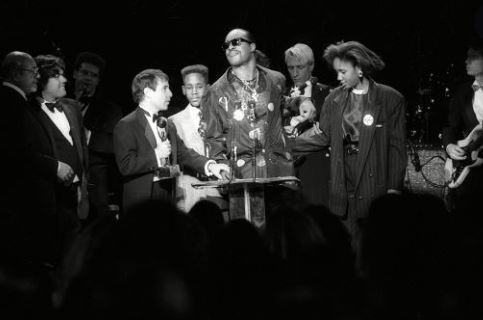
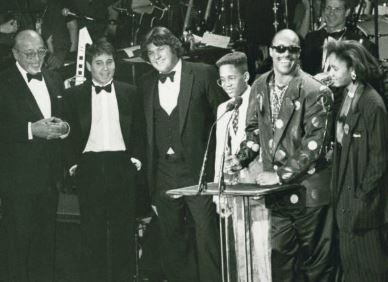
Bruce Springsteen & Paul Simon at the 4th Annual Rock N Roll Hall of Fame Induction Ceremony at the Waldorf-Astoria Hotel |
|
FEBRUARY 1989 |
|||
16 feb |
New York |
Sheraton CenterChildren'health |
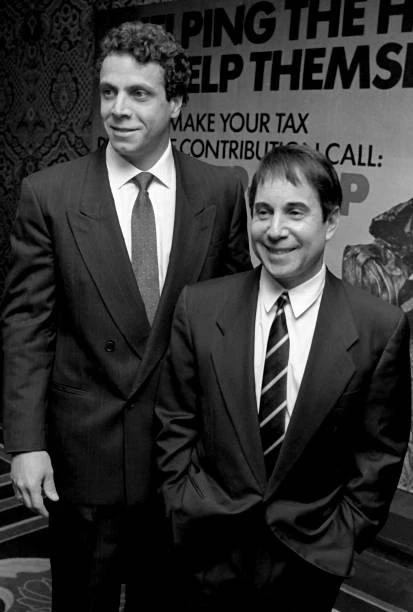
Andrew Cuomo and Paul Simon |
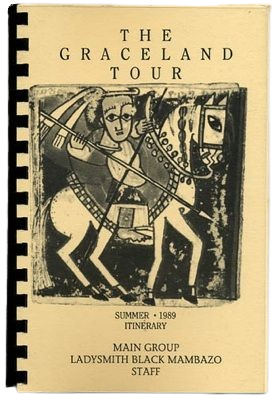
Graceland tour Europe 1989
Tracks List Township jive |
|||
JUNE 1989 |
|||
15 june |
Brussels, Bélgique |
Forest Vorst National |
|
16 june |
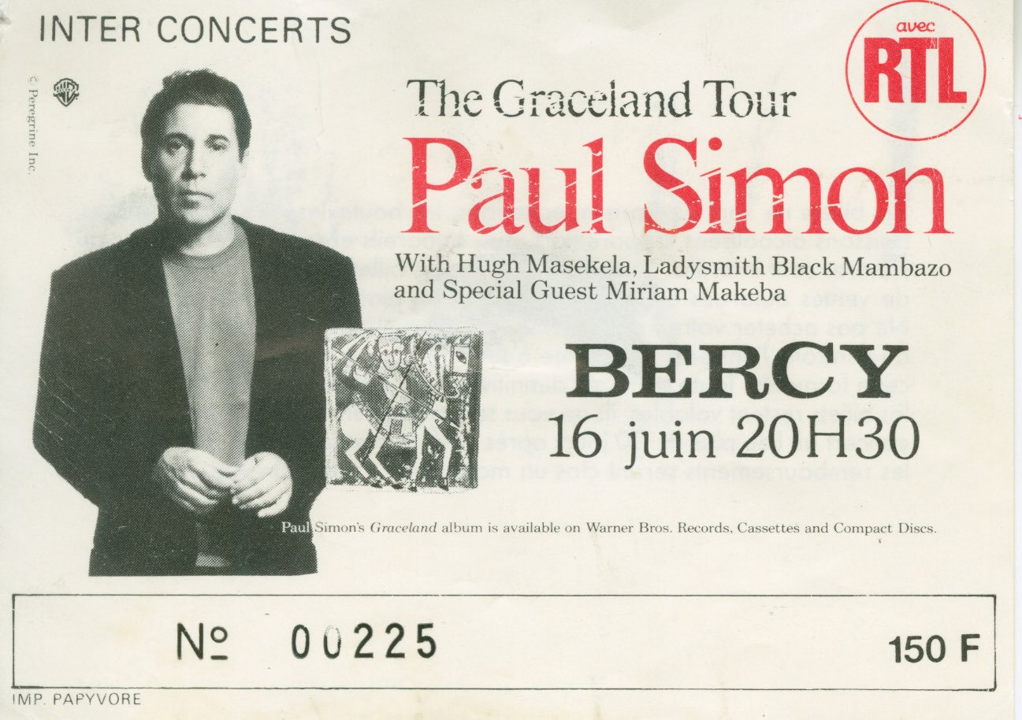
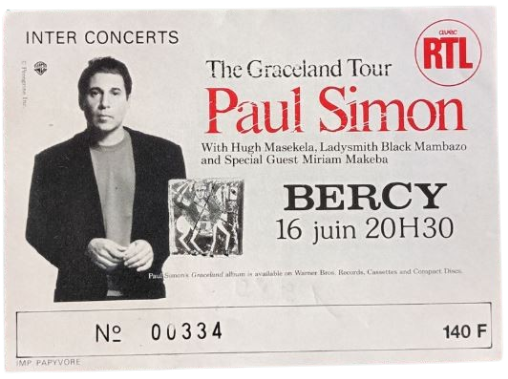
Paris France |
Bercy |
|
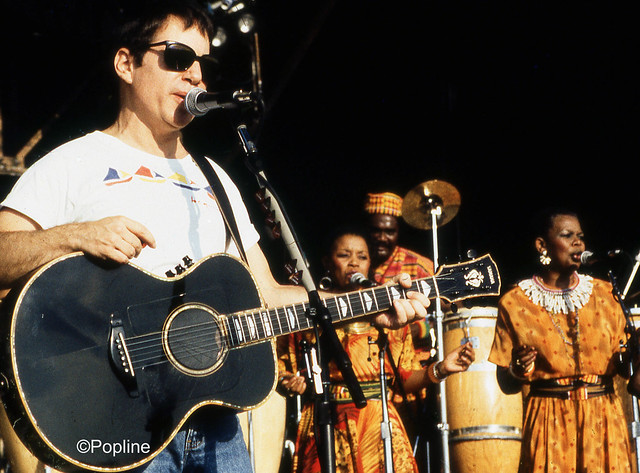
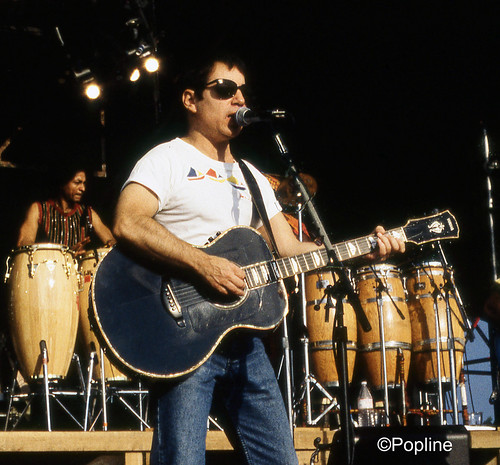
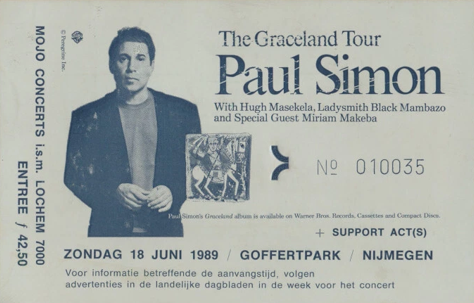
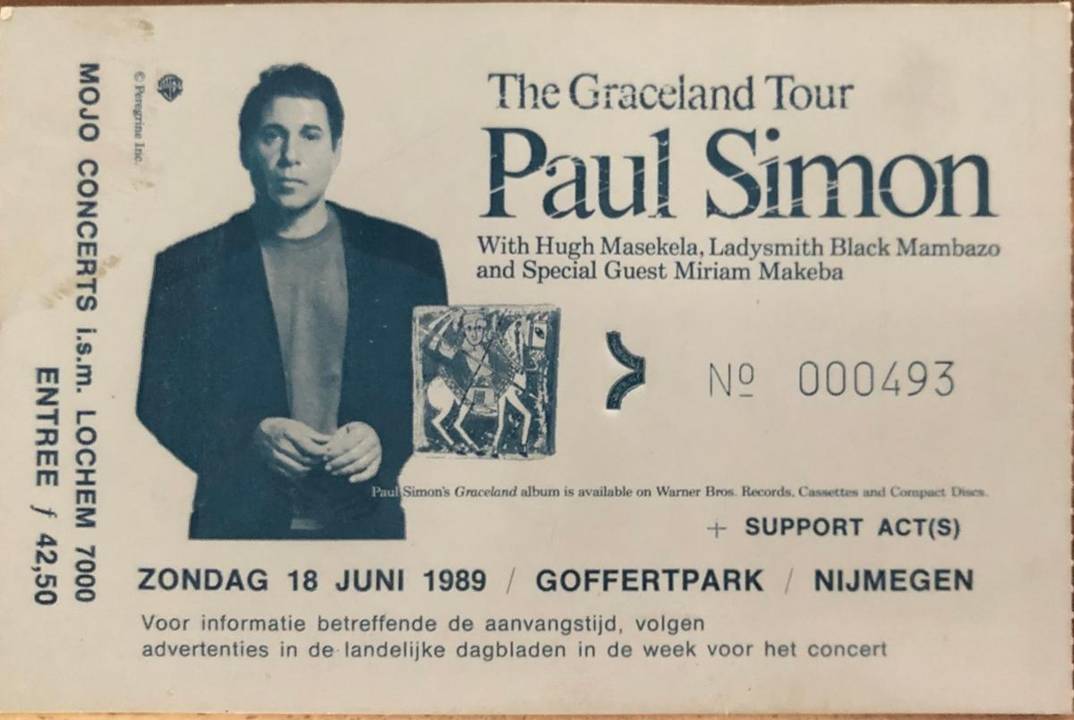
18 june |
Nijmegen Holland |
|
|
19 june |
Copenhagen Denmark |
Valby Hall |
|
20 june |
Stockholm Suede |
Globe |
|
24 june |
Moscou, Russie |
Gorky Park |
 |
25/06/89 |
Moscou, Russie |
Gorky Park |
|
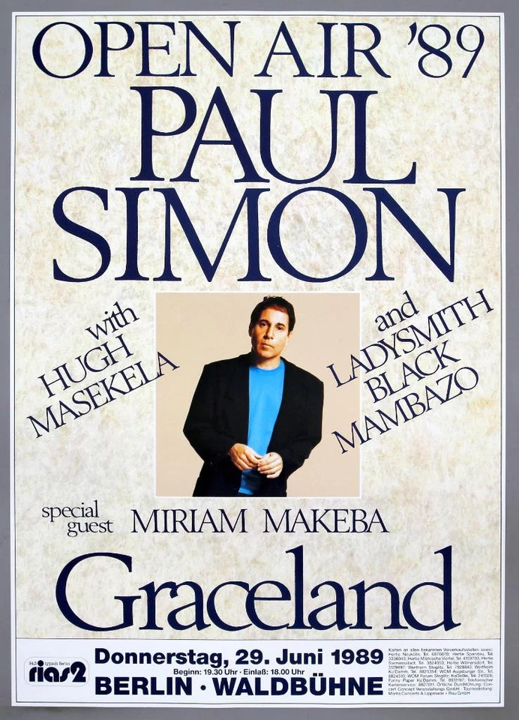
29 june |
Berlín, Allemagne |
Waldbuhne |
|
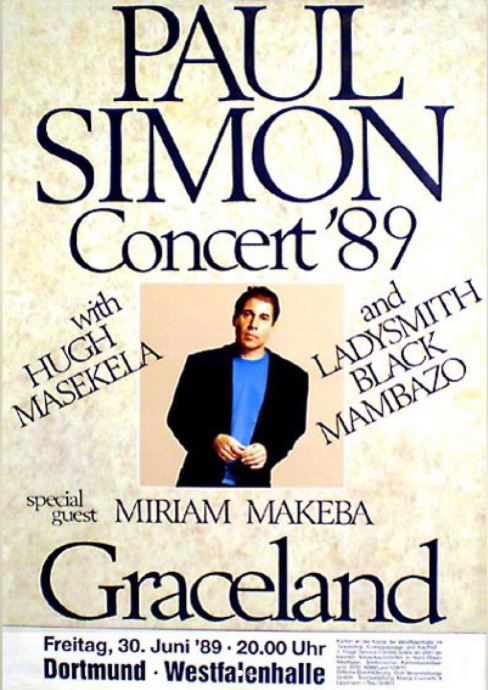
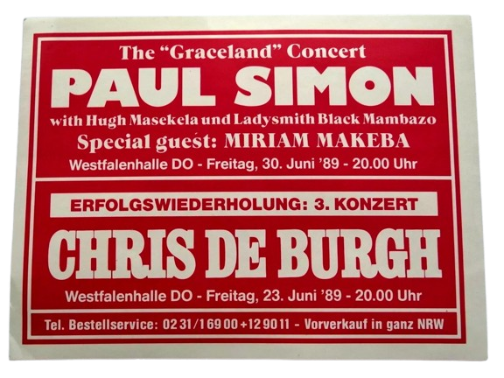
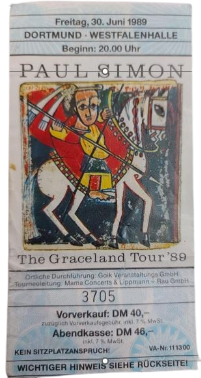
30 june |
Dortmund Allemagne |
|
|
JULY 1989 |
|||
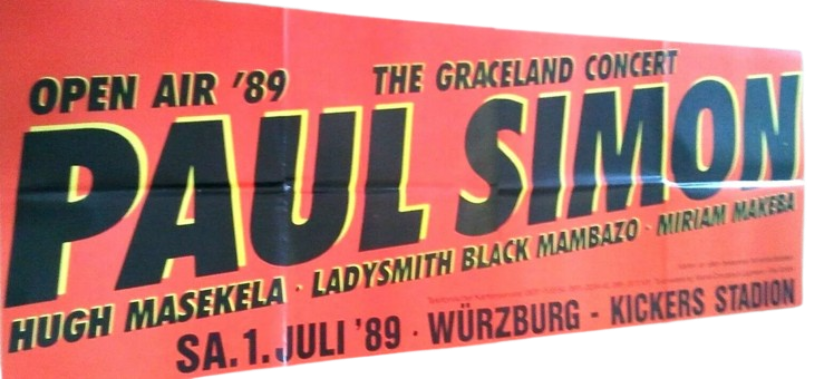
01 july |
Würzburg, Allemagne |
Kickers Stadion |
|
03 july |
Roma, Italia |
Hippodrom |
|
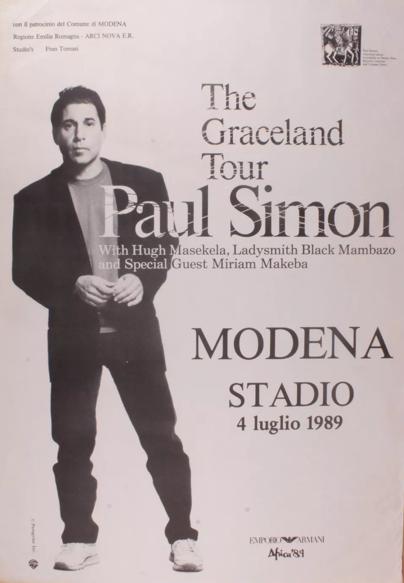
04 july |
Modena, Italia |
MODENA Stadium |
 |
05 july |
Milán, Italia |
||
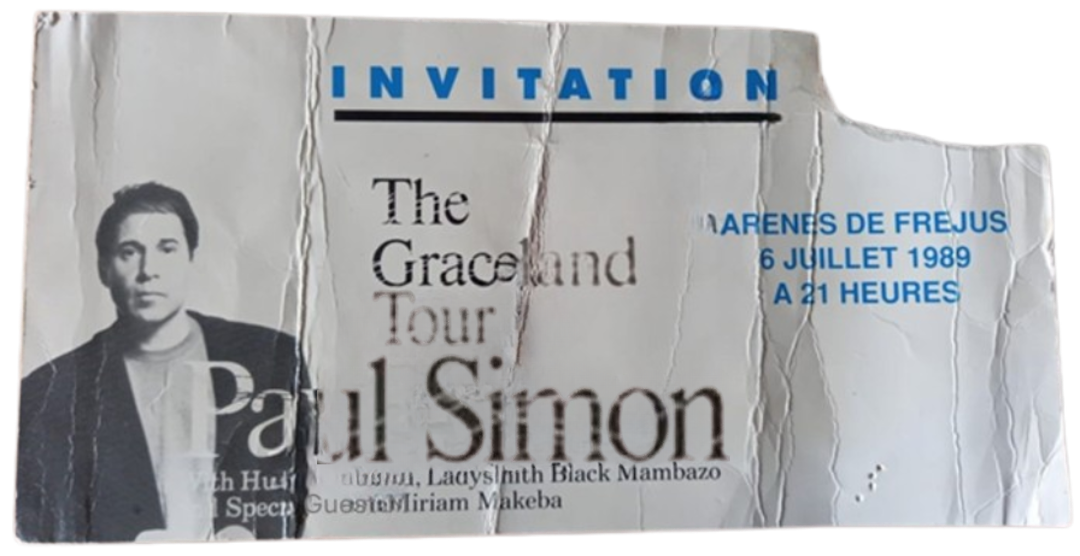
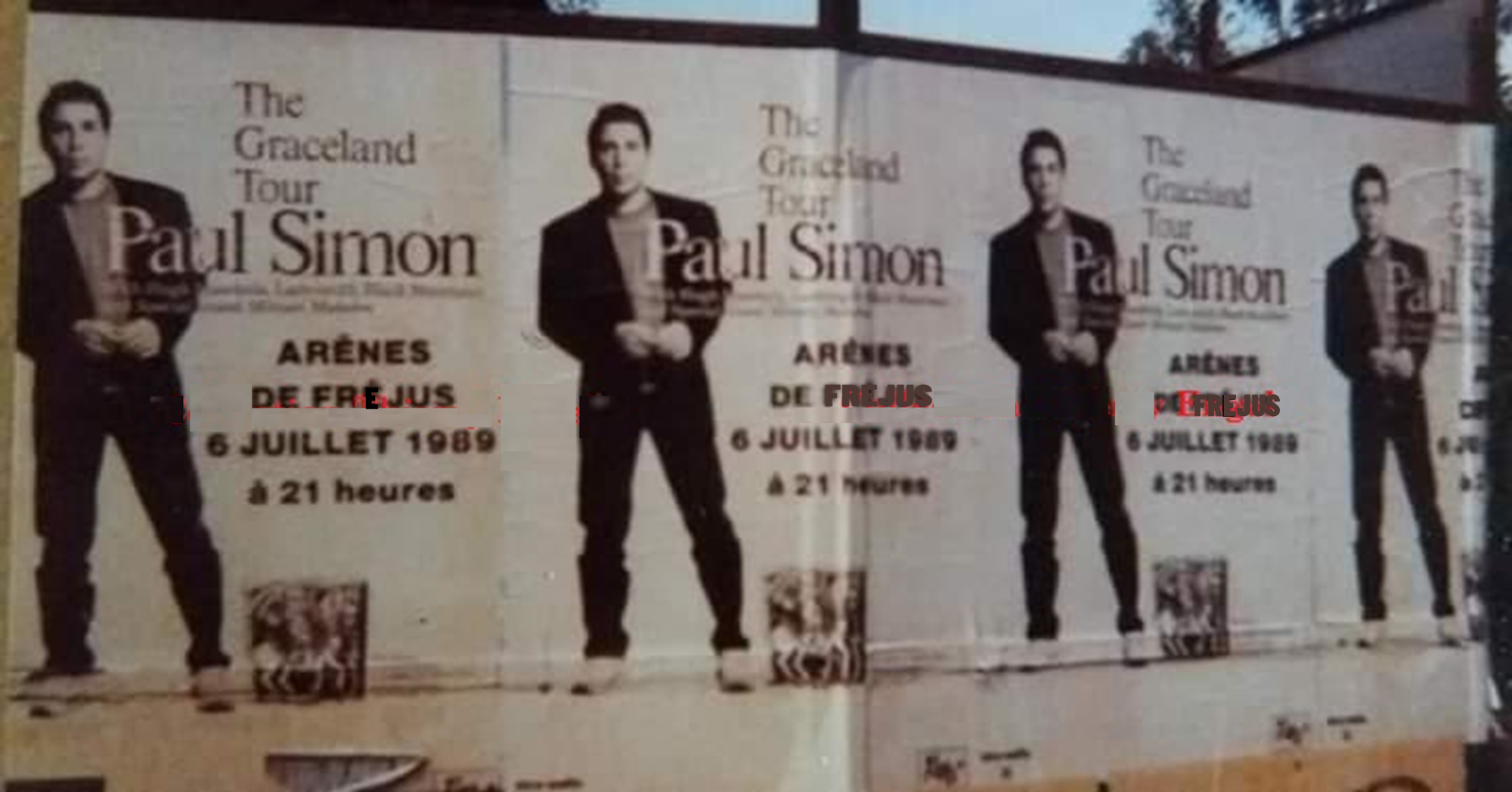
06 july |
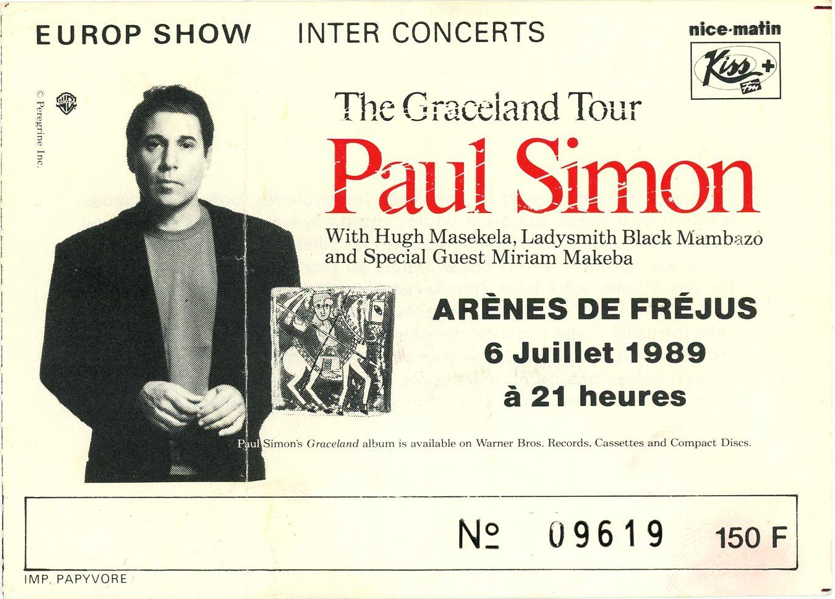
Fréjus, France |
Arene de Frejus |
|
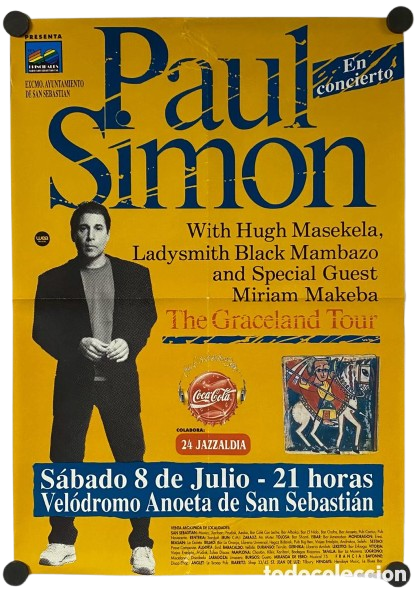
08 july |
|
||
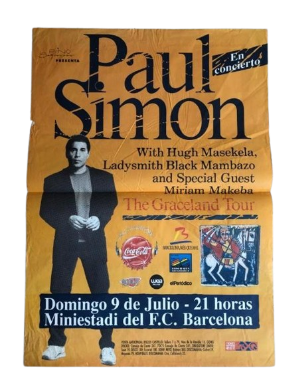
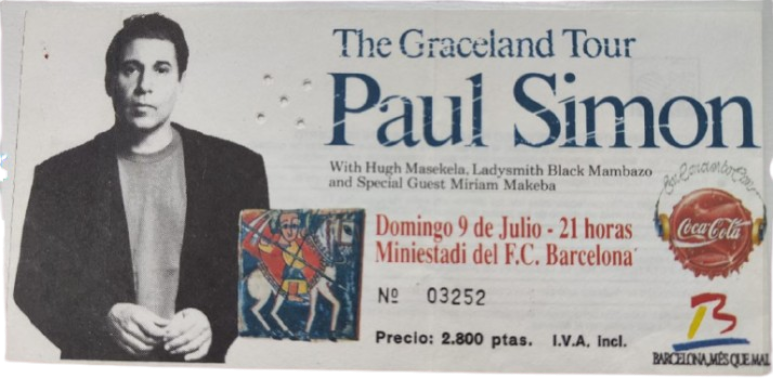
09 july |
Barcelone, Espagne |
Miniestadi |
Press Card |
11 july |
Malaga, Espagne |
Estadio de la Rosaleda |
|
19 july |
London |
Paul Simon at play "The Merchant of Venice" starring Dustin HoffmanPhoenix Theater |
|
AUGUST 1989 |
|||
19 aug |
Saratoga, CA |
Mountain Winery |
|
24 aug |
Vancouver, BC |
Queen Elizabeth Theater |
|