200320042005 |
 |
 |
 |
|
Paul Simon and Lorne Mickaels |
||
2003 |
|||
JANUARY 2003 |
|||
19 jan |
Los Angeles |
MOET CHANDON PARTY AT THE GOLDEN GLOBE AWARDS BEVERLY HILTON HOTEL,
|
Kathy Bates and Paul Simon |
MARCH 2003 |
|||
13 march |
New York |
CHILDREN'S HEALTH 16TH ANNUAL GALA. AT THE HILTON HOTEL
|
Chevy Chase, PAUL SIMON ET IRWIN REDLENER
|
APRIL 2003 |
|||
15 apr |
Berverly Hills CA |
Project A.L.S.'s Friends Finding a Cure Regent Berverly Wilshire Hotel
|
|
MAY 2003 |
|||
26 may |
New York |
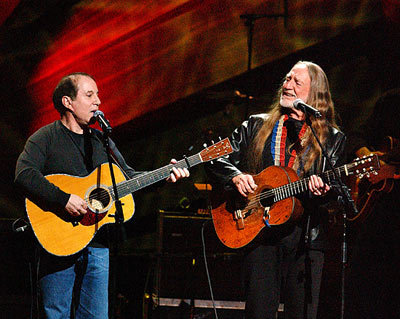
Paul Simon and Willie Nelson during "Willie Nelson and Friends: Live and Kickin'" Premiers on USA Network on May 26, 2003 - Rehearsal and Backstage at Beacon Theatre in New York City
|
|
SEPTEMBER 2003 |
|||
11 sept |
New York |
Late Show David Letterman |
|
Concert 2004 |
|||
May 2004 |
|||
14 may |
Cleveland |
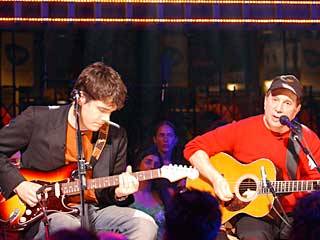
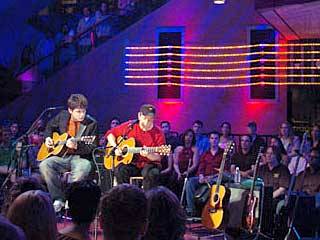
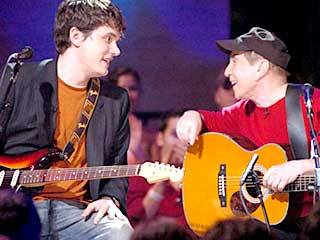
The duo between Paul Simon and John Mayer, during the VH1 special, was recorded on May 14, 2004, at the Rock and Roll Hall of Fame in Cleveland. The show was broadcast one month later, on June 15, 2004.
|
|
19 may |
New York |
THE CHILDREN'S HEATH FUND DINNER..NEW YORK HILTON
|
|
JANUARY 2004 |
|||
26 jan |
Dharamsala India |
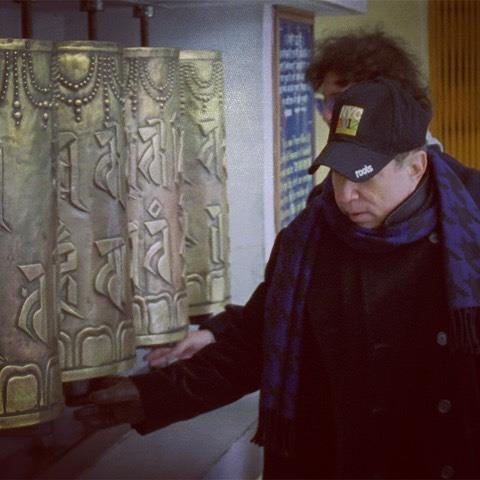
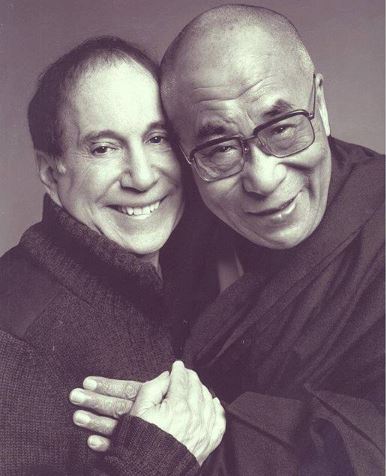
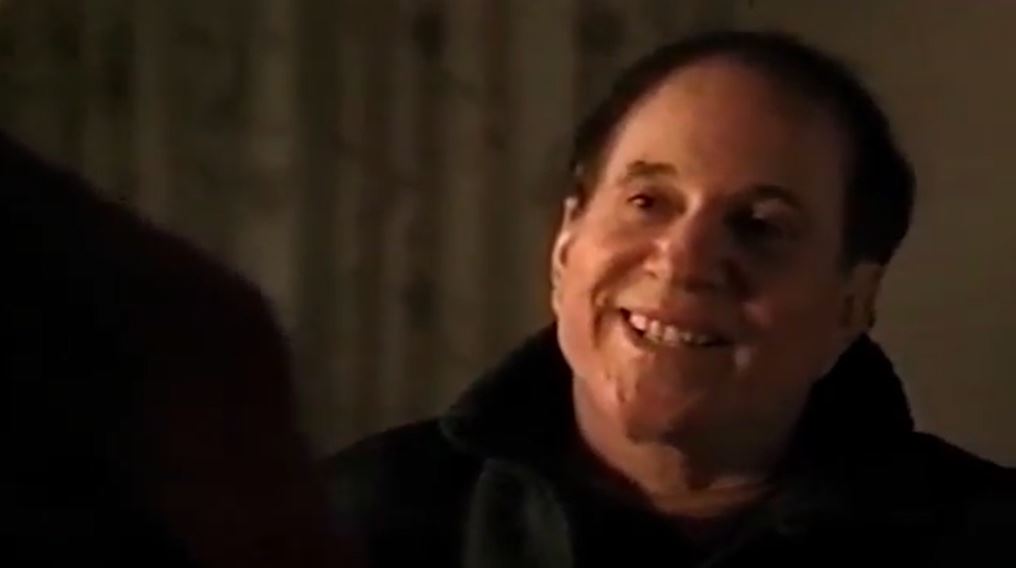
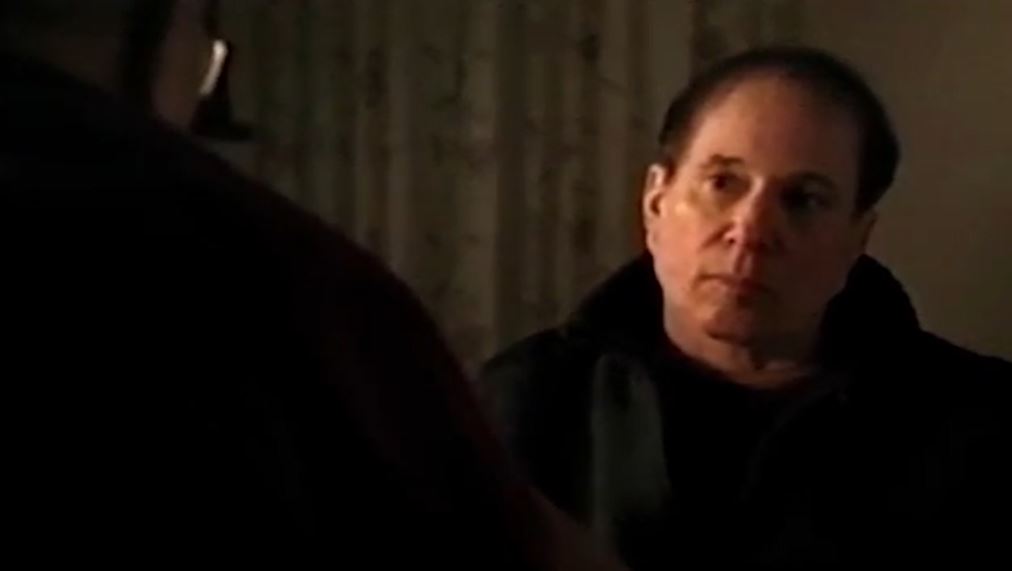
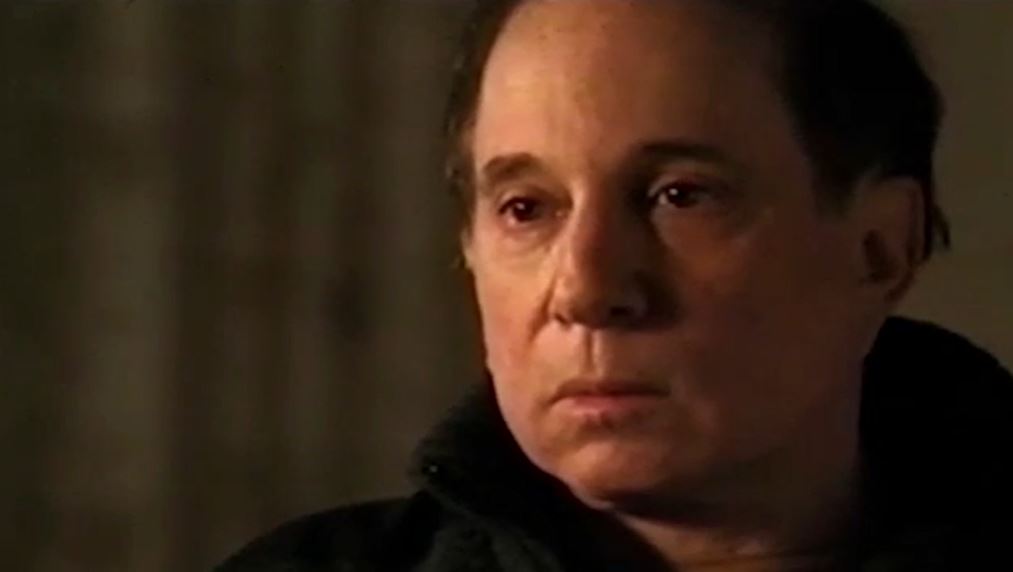
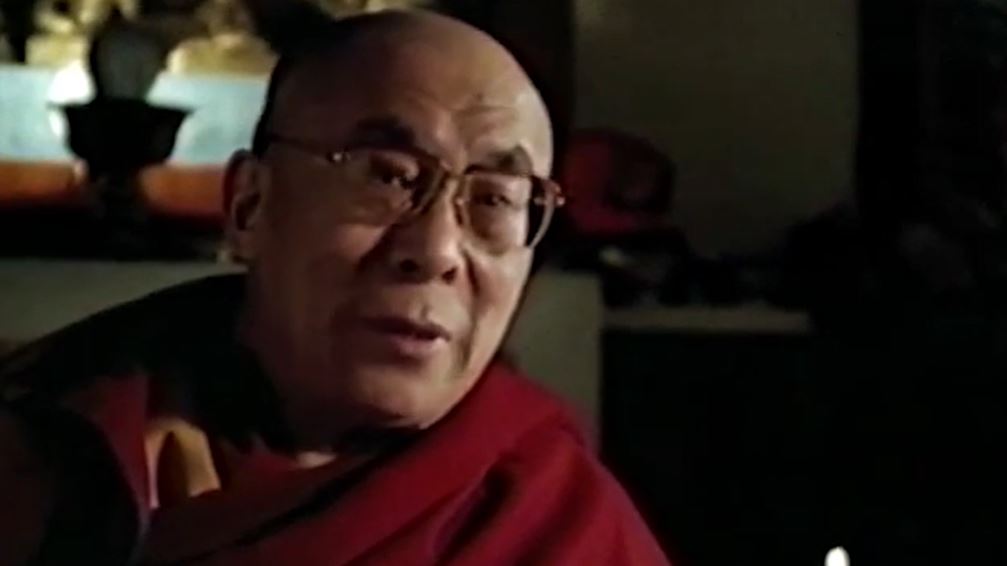
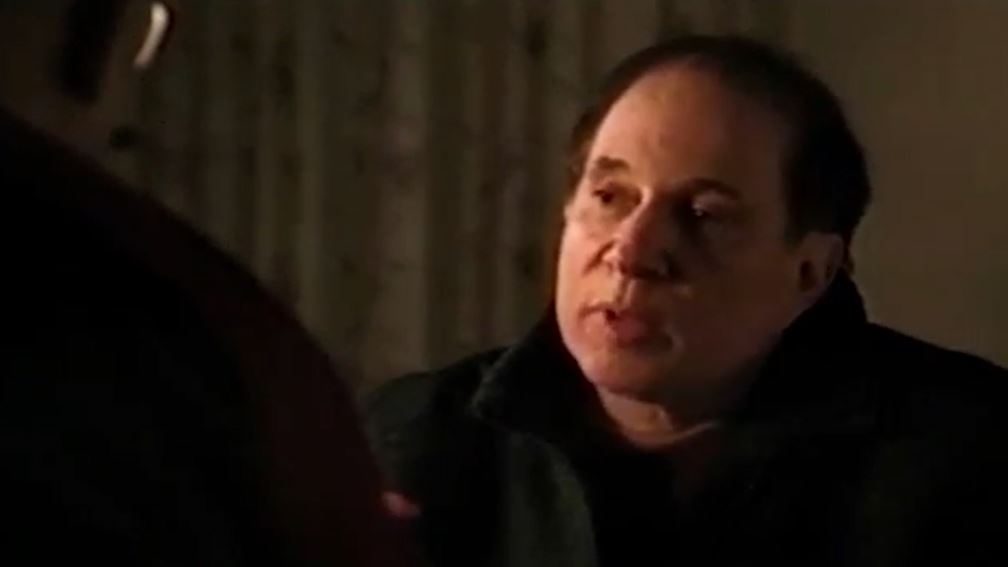
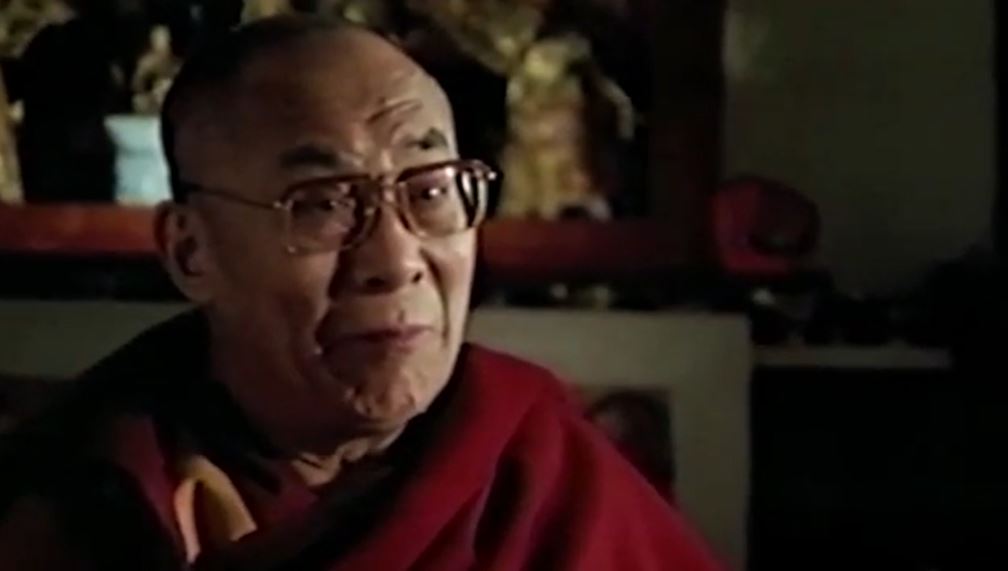
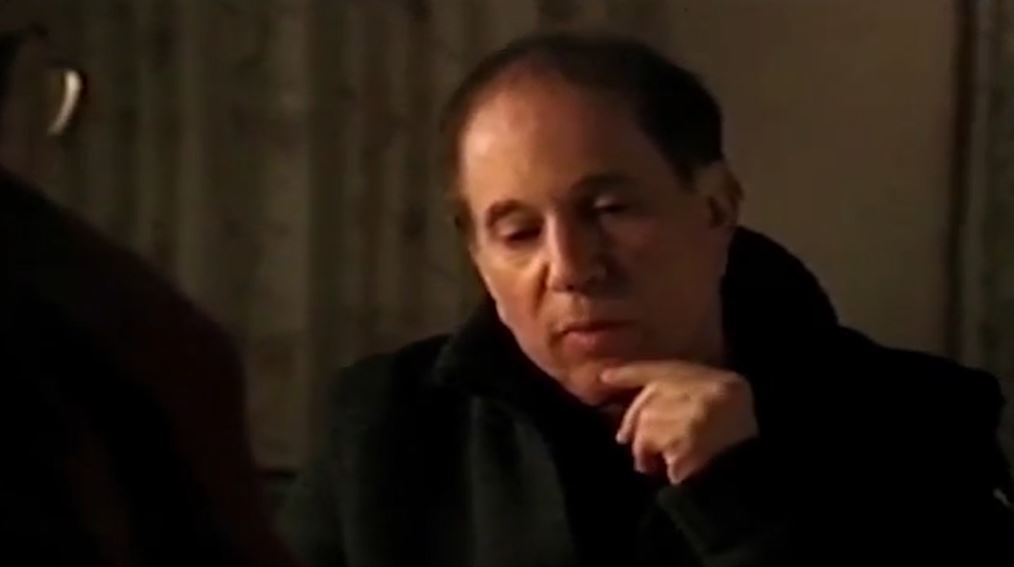
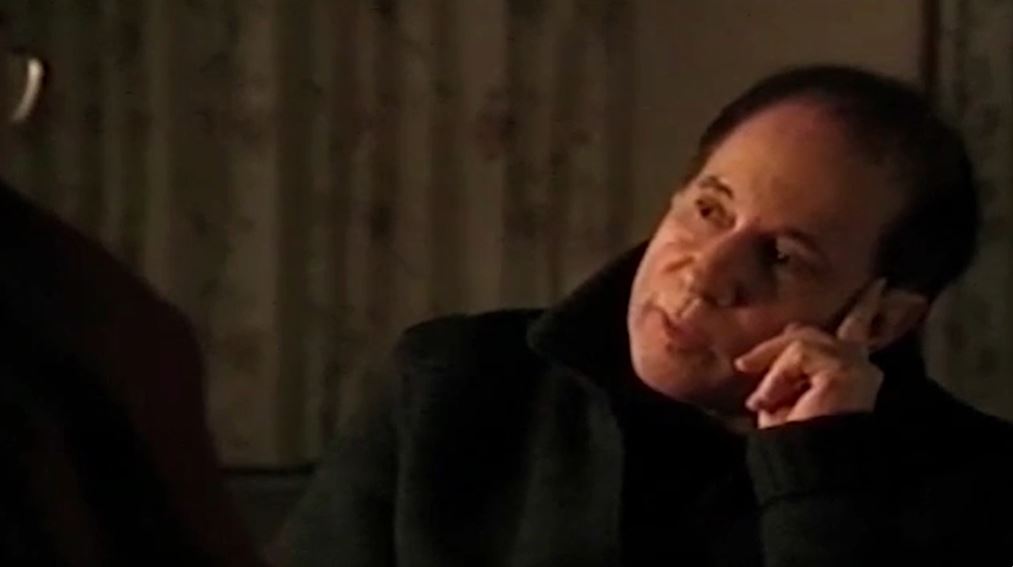
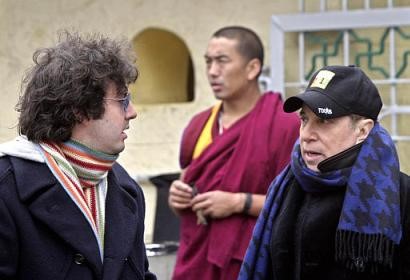
Paul Simon met the Dalai Lama in Dharamsala, India, on January 26, 2004. The meeting was part of a film documentary project titled What’s So Hard About Peace? In 2005, Paul Simon had the pleasure of traveling to India to interview His Holiness the Dalai Lama for the What’s So Hard About Peace? documentary series. In the interview Paul and the Dalai Lama discuss the root causes of conflict, and what needs to be done to create a more peaceful and equitable world. 1) Context and purpose
2) Main themes of the discussion A) Looking for root causes of conflict A central thread is the idea that conflict is rarely just about events on the surface (a crisis, an attack, a diplomatic breakdown). The Dalai Lama repeatedly points toward underlying causes, such as:
The implication is practical: if we treat only the symptoms, violence tends to return. Long-term peace requires addressing what makes conflict psychologically and socially “likely” in the first place. B) Peace as an ongoing practice, not a slogan The conversation frames peace as something that must be maintained—a discipline rather than a one-time achievement. It depends on:
Peace, in this sense, is built through consistent behavior and institutions that reduce escalation. C) The link between dignity, fairness, and durable peace Another key idea is that peace lasts only when it is connected to:
In the background is a simple warning: when people feel invisible, disrespected, or trapped without hope, they become more vulnerable to radicalization and cycles of retaliation. 3) What the most-circulated published excerpts emphasize 1) “The Responsibility of Media” This excerpt highlights how media can either:
Core takeaway: attention is powerful. The way a conflict is told can push societies toward escalation—or toward understanding and problem-solving. 2) “The Definition of Wealth” Here the discussion shifts to values and social priorities:
The underlying point: some models of “success” can unintentionally create emotional and social conditions that make conflict more attractive or easier to trigger. 4) What stands out overall (synthesis)
|
|
AUGUST 2004 |
|||
29 aug |
Amagansett, New York |
The Steven Talkhouse |
|
OCTOBER 2004 |
|||
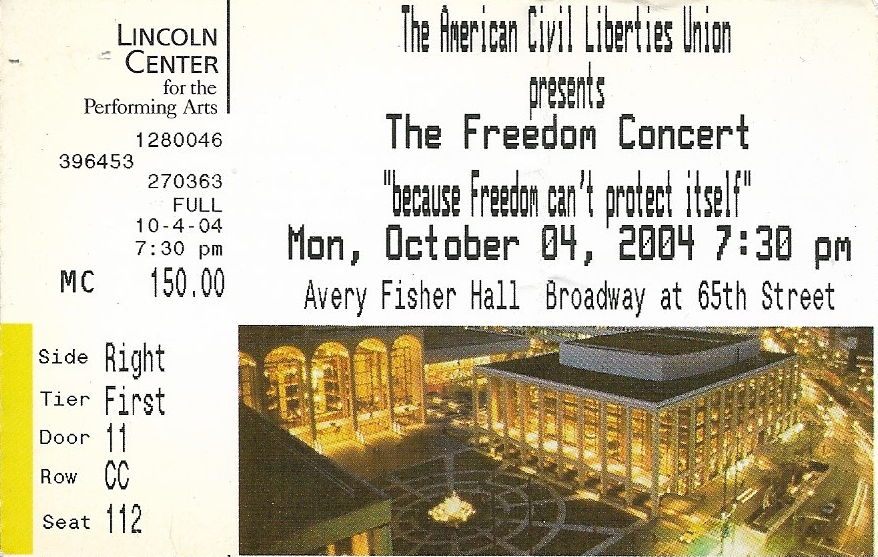
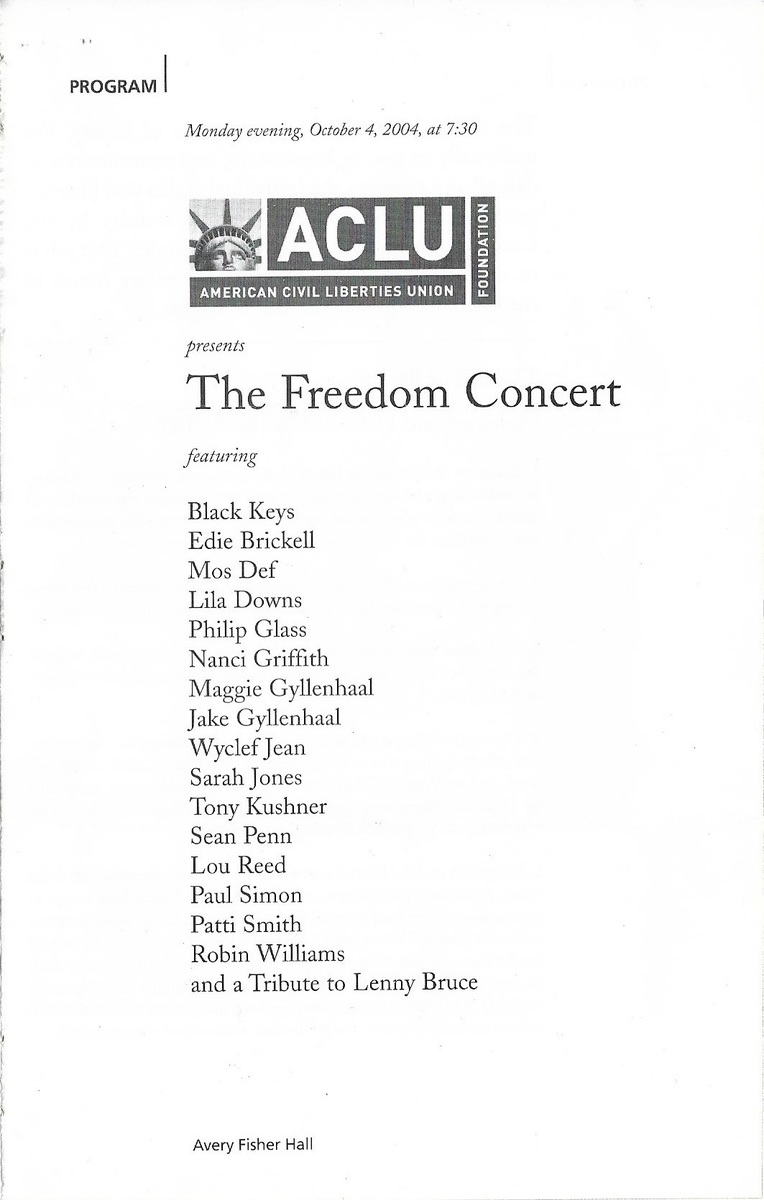
04 oct |
New York |
Lincoln Center (A charity of the American Civil Liberties Union) |
|
Concert 2005 |
|||
MAY 2005 |
|||
17 may |
Berverly Hills CA |
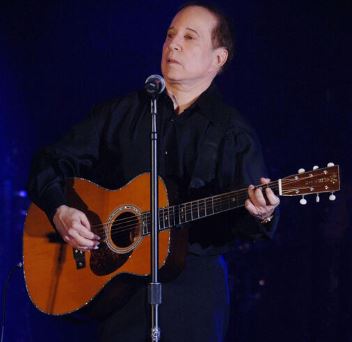
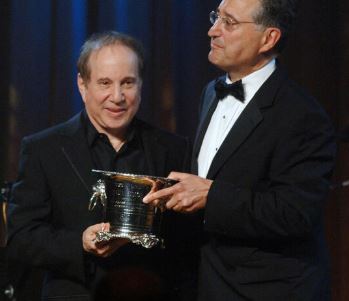
Paul Simon performs at the 53rd annual BMI Pop Awards in Beverly Hills, California May 17, 2005. Simon received the ICON honor at Tuesday's event
|
R. Bryant, president and chief executive offier of BMI (R), presents musician Paul Simon with the BMI Icon award at the 22nd annual BMI Pop Music Awards |
JUILLET 2005 |
|||
?? july |
New York |
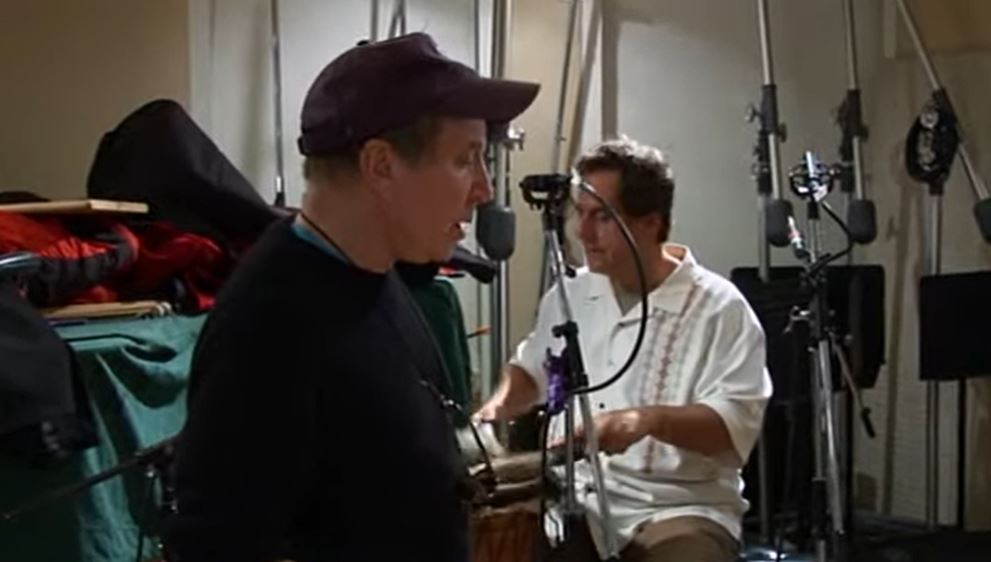
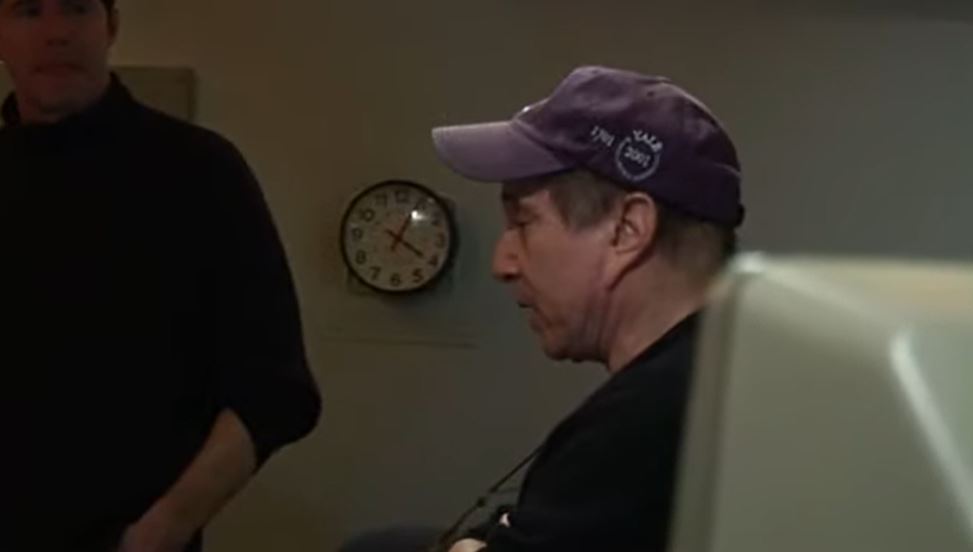
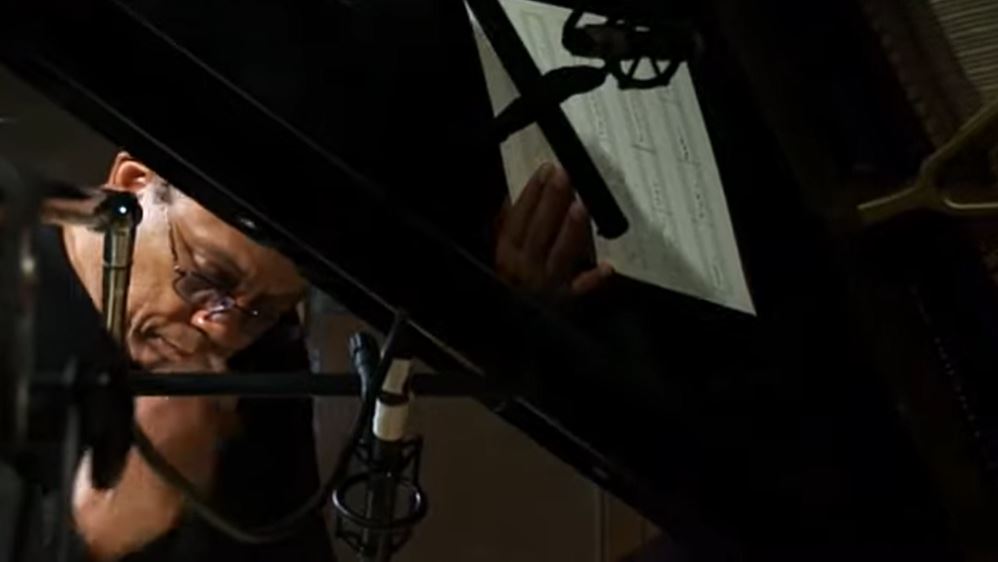
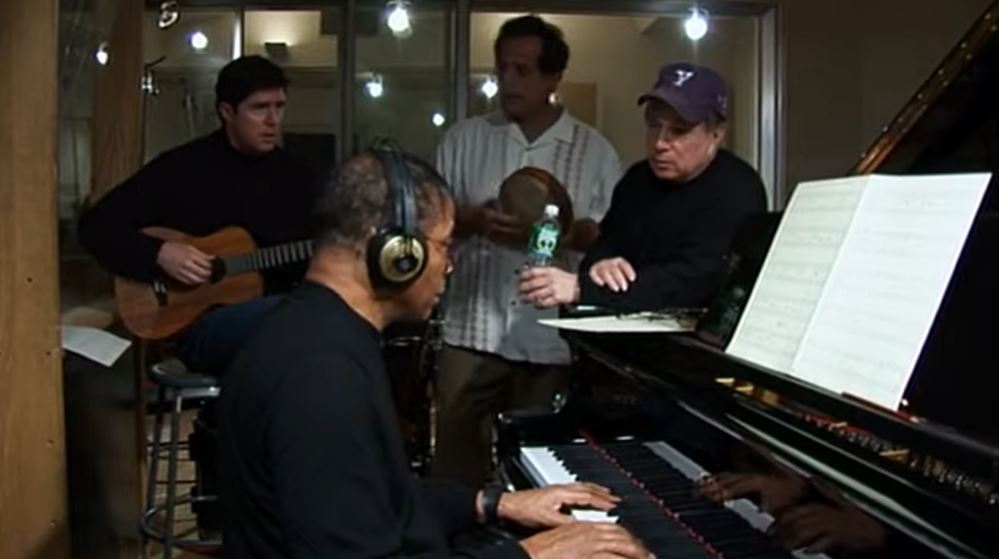
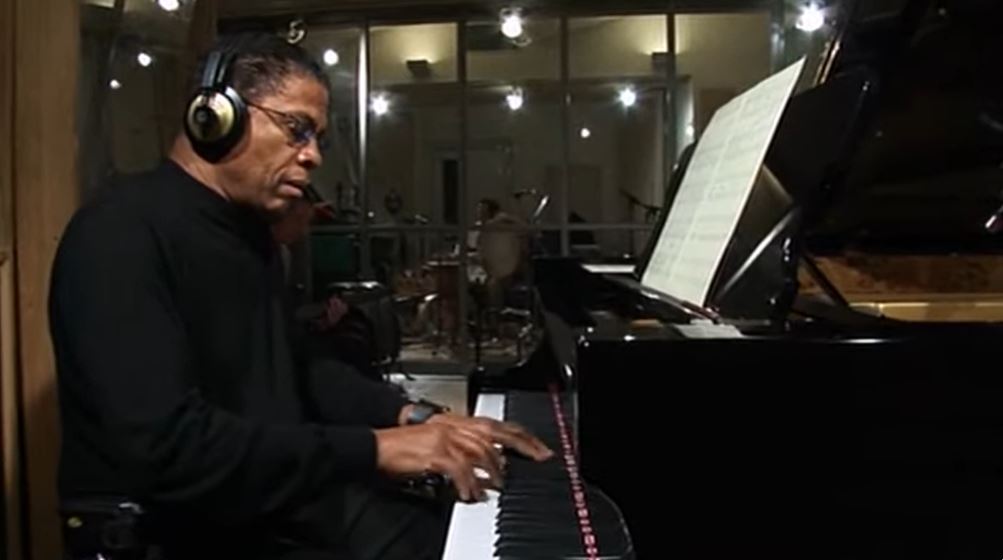
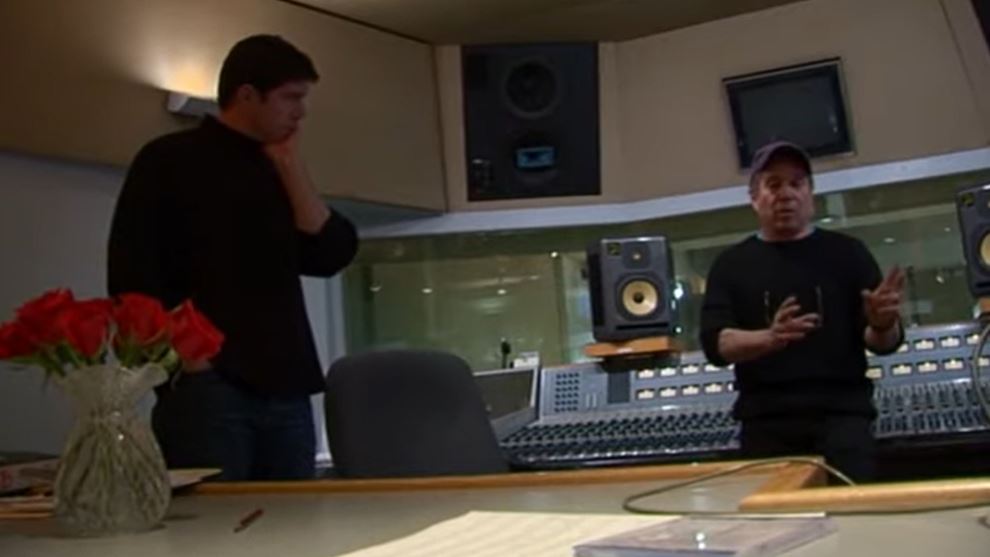
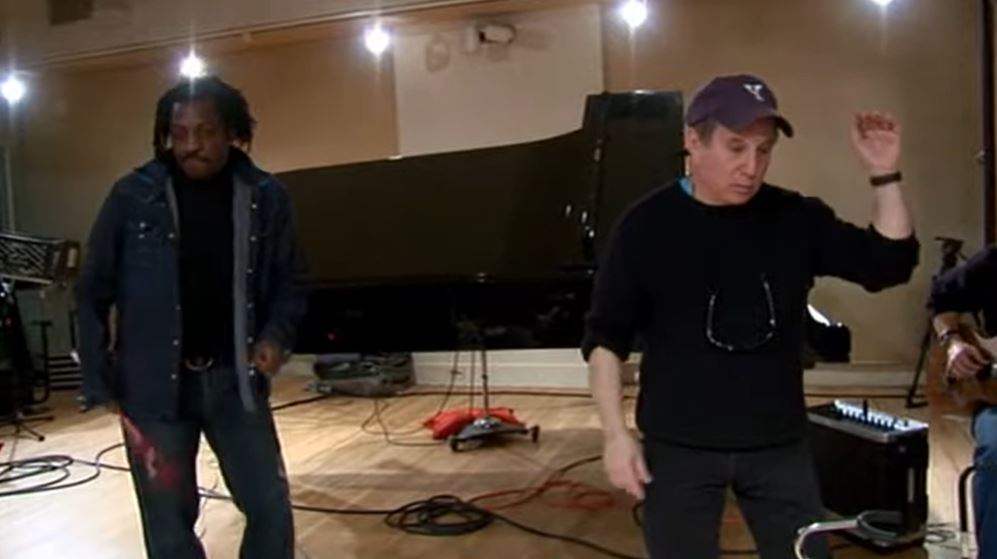
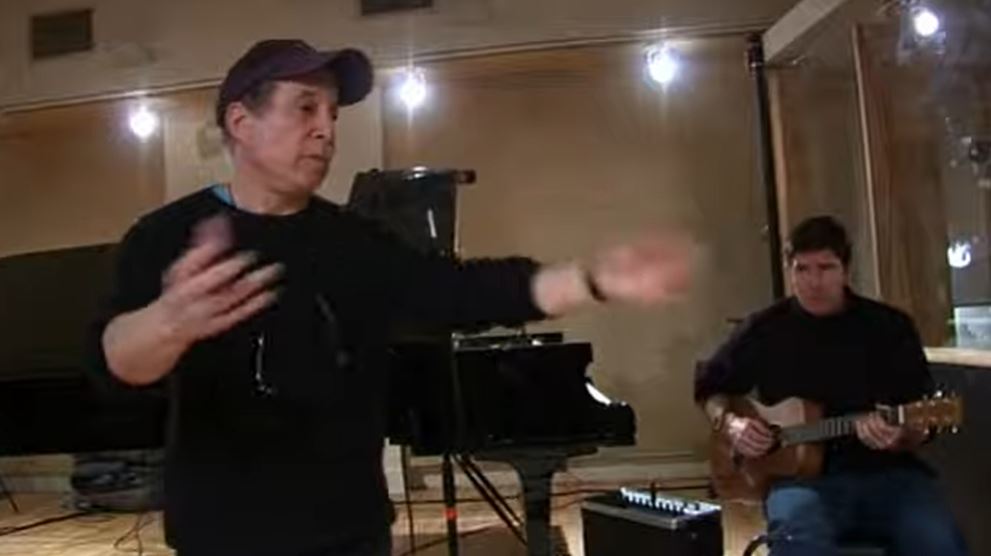
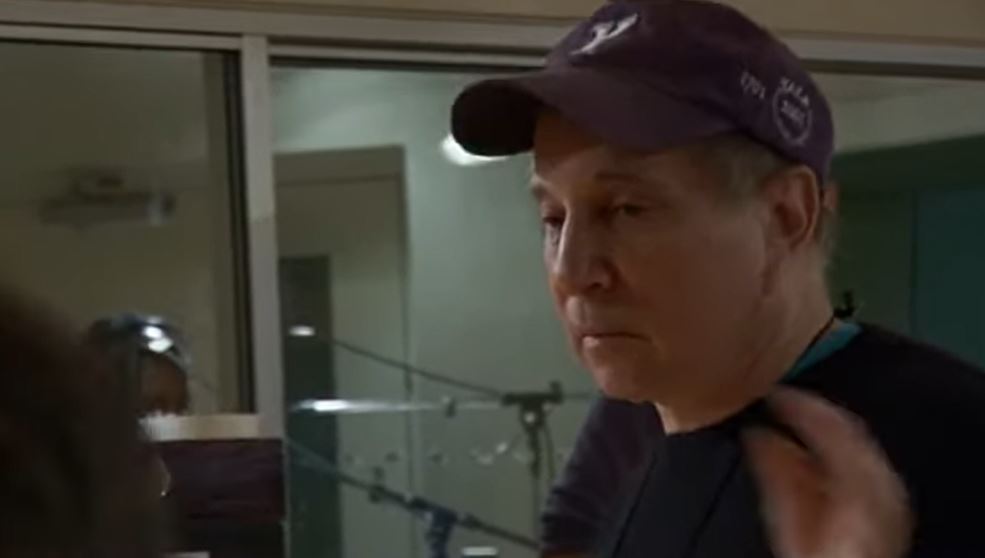
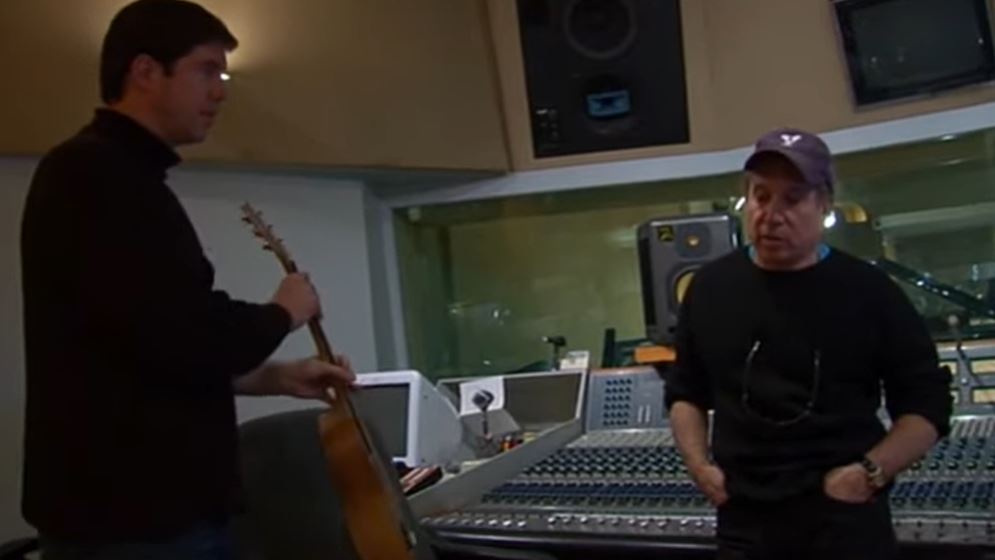
Clinton Recording Studios
|
|
SEPTEMBER 2005 |
|||
05 sept |
Biloxi Mississippi |
Paul Simon visits Biloxi, Mississippi, on September 5, 2005, to help open Operation Assist, a two-unit mobile clinic that will provide emergency services to children and families in the area devastated by Hurricane Katrina.
|
|
17 sept |
New York |
Musician Paul Simon performs during Jazz at Lincoln Center's Higher Ground Hurricane Relief Benefit Concert, Saturday, Sept. 17, 2005, in New York City. All proceeds from the concert which was broadcast on PBS, will be donated to Hurricane Katrina relief efforts |
|
20 sept |
New York |
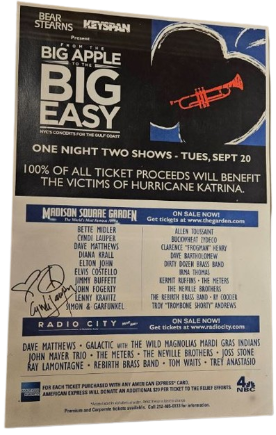
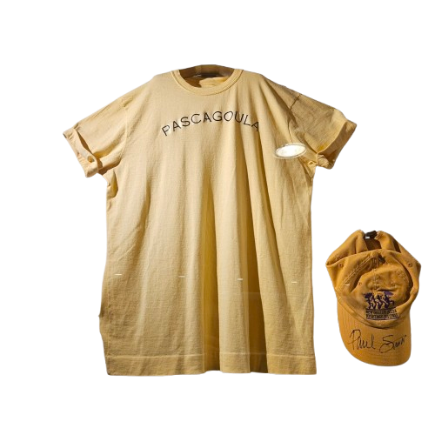
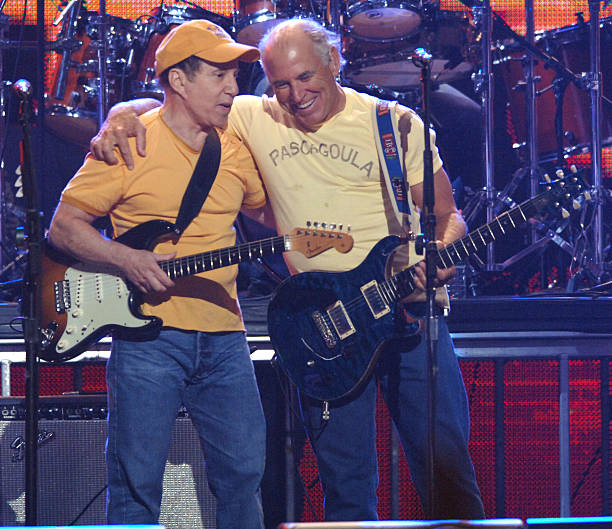
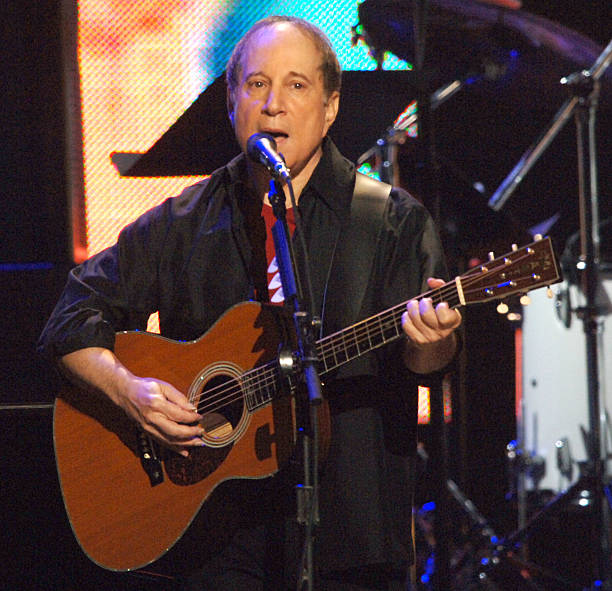
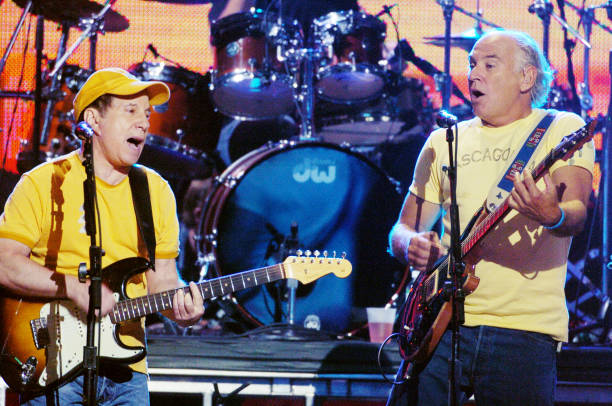
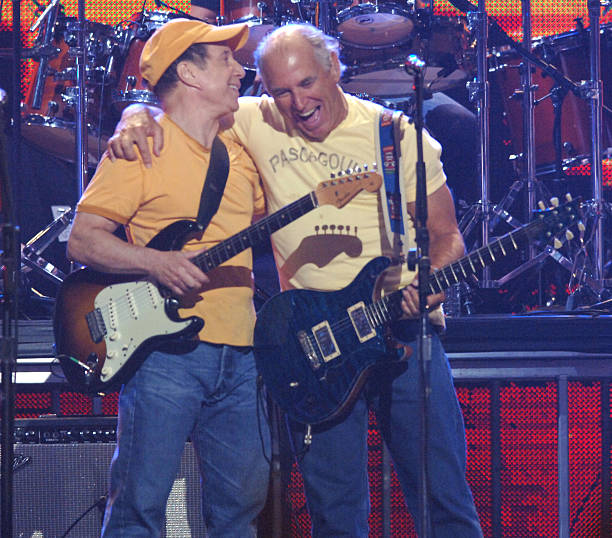
Madison Square Garden (From the Big Apple to the Big Easy) The concert was organized to raise funds for the long-term relief and rebuilding efforts in the areas affected by Hurricane Katrina
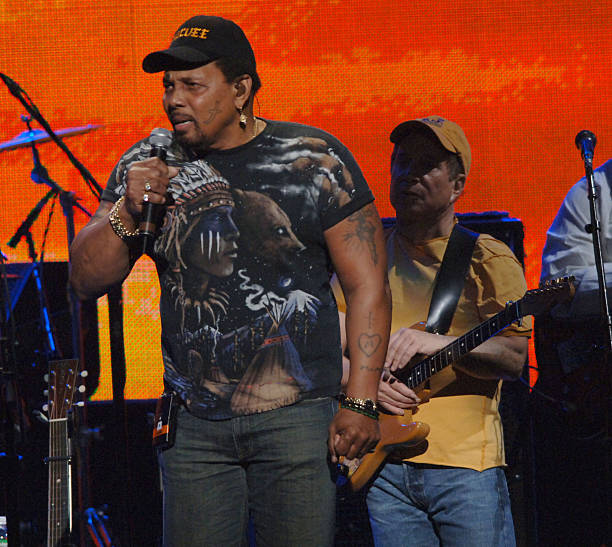
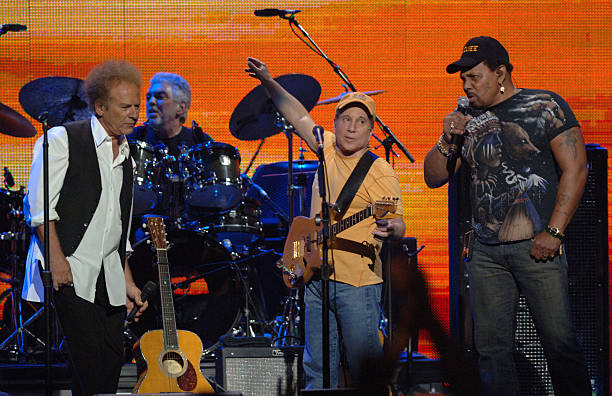
Tracks List Sea Cruise : Jimmy Buffet & Paul Simon Mrs Robinson Simon & Garfunkel Homeward Bound Simon & Garfunkel Bridge Over Troubled Water : Simon & Garfunkel & Aaron Deville
|
|
24 sept |
Los Ángeles |
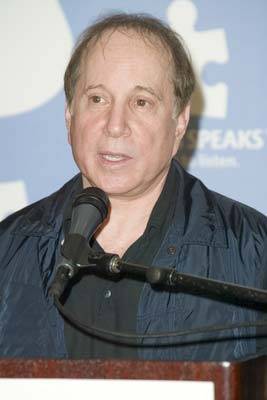
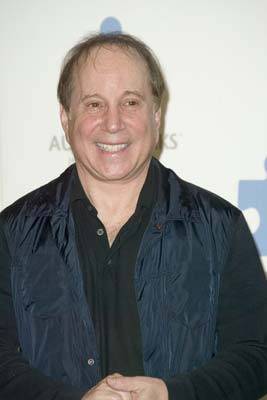
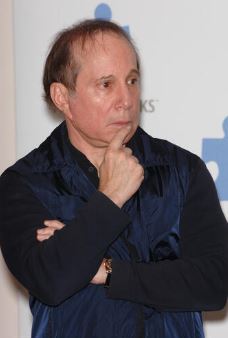
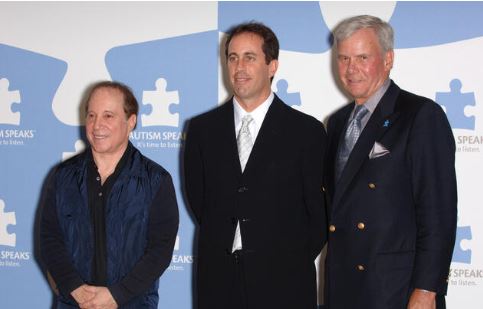
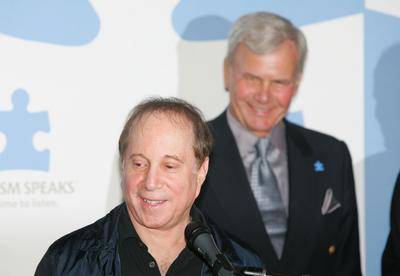
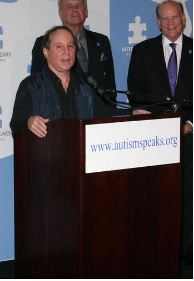
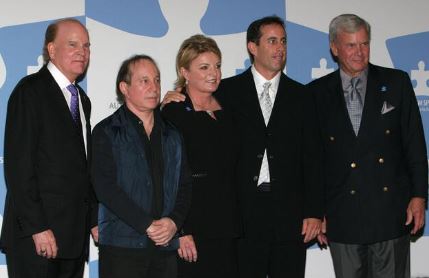
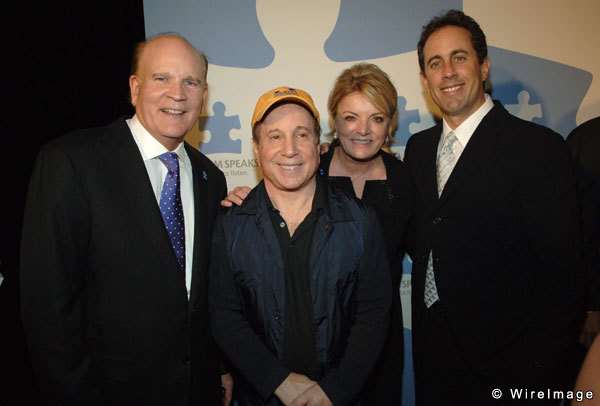
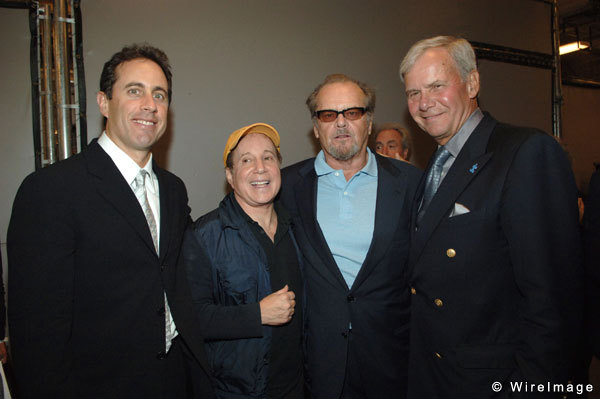
Kodak Theater (One Night Only: A Concert for Autism Speaks
PAUL SIMON & comedian JERRY SEINFELD & NBC News anchor TOM BROKOW
|
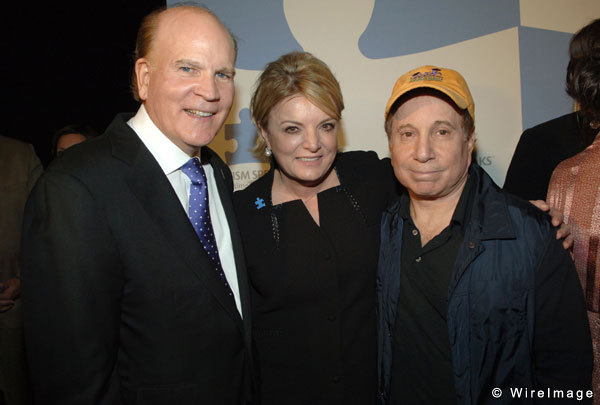
Bob Wright, Paul Simon, Suzanne Wright, Jerry Seinfeld, and Tom Brokaw. Jerry Seinfeld
|
NOVEMBER 2005 |
|||
03 nov |
New York |
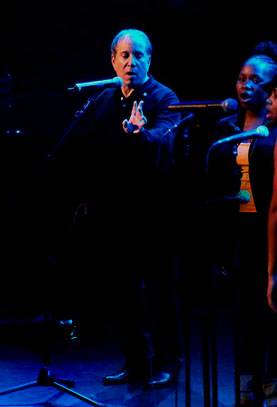
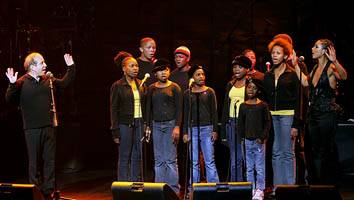
Paul Simon and Alicia Keys perform with children during "The Black Ball," an annual fundraiser benefiting Keep A Child Alive (KCA), at Jazz at Lincoln Center's Frederick P. Rose Hall. KCA provides anti-retroviral AIDS medicine to children and families living with HIV/AIDS in Africa and the developing world.
|
|
15 Nov |
New York |
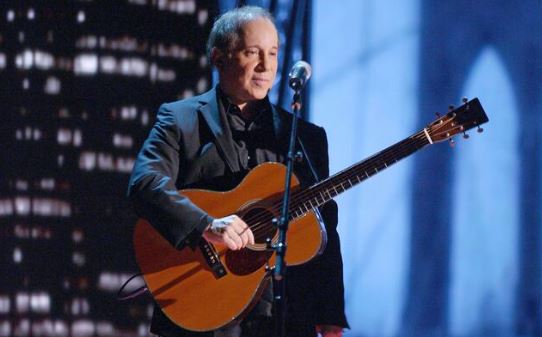
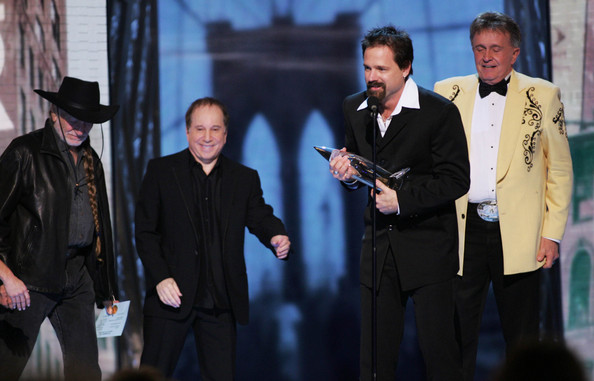
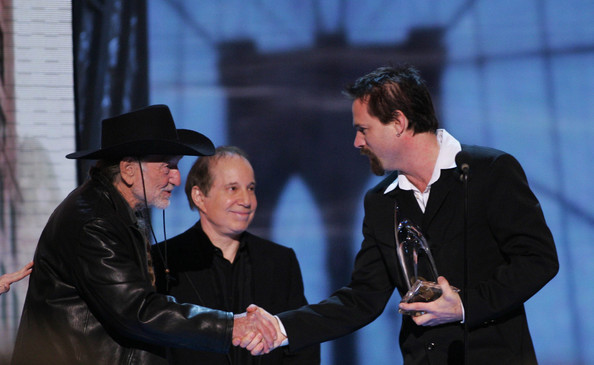
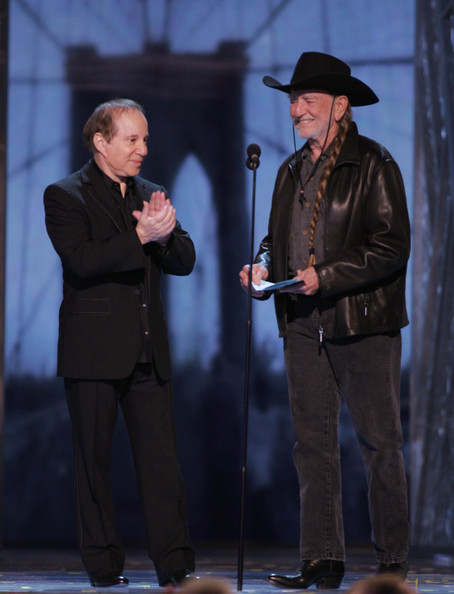
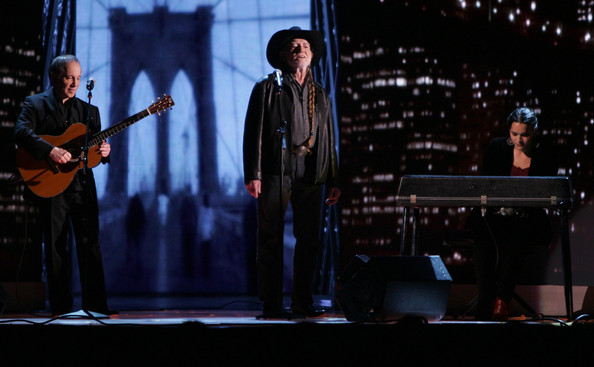
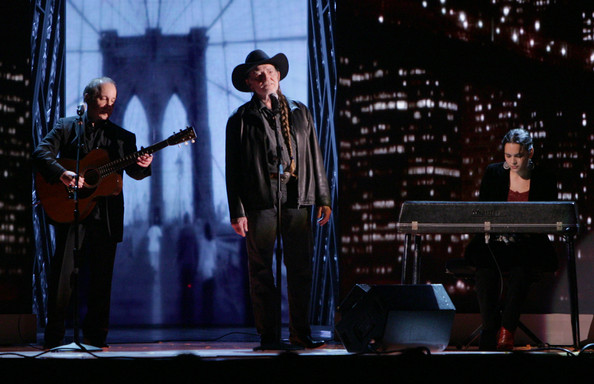
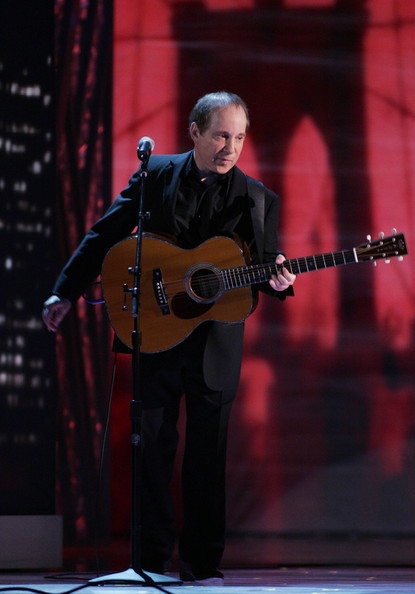
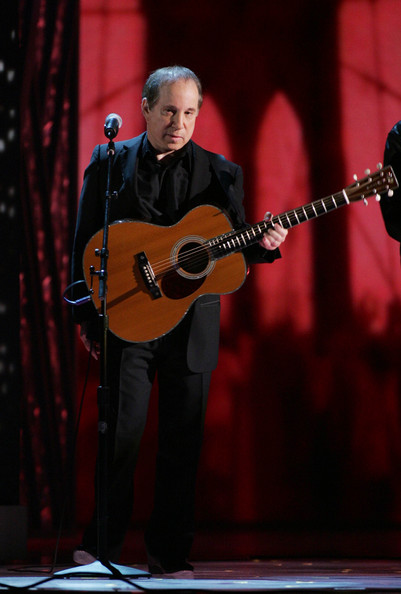
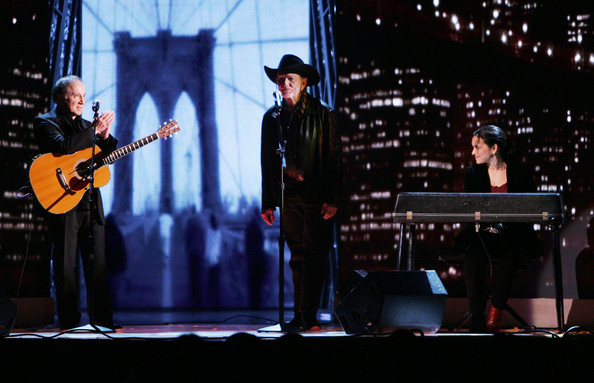
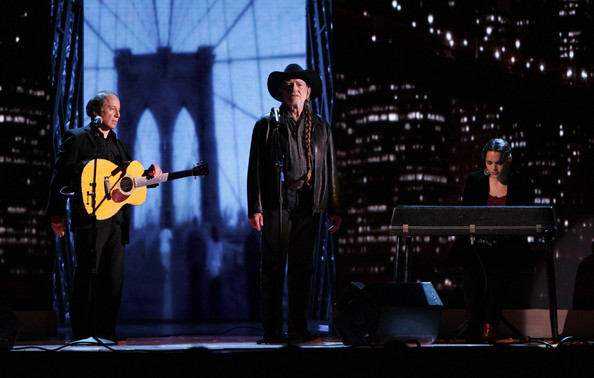
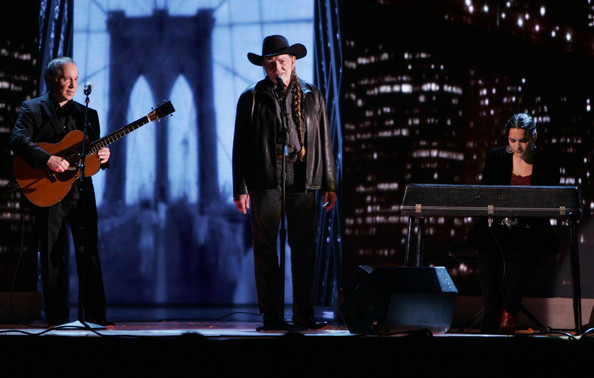
On November 15, 2005, Paul Simon and Willie Nelson performed together at the 39th Annual CMA Awards, which were held at Madison Square Garden in New York. They performed songs including "Still Crazy After All These Years" and "Crazy," and were joined by Norah Jones for some of the performance
|
|