2009 |
 |
 |
 |
 |
 |
 |
 |
 |
 |
11 March 2009 Awards Dinners Benefits |
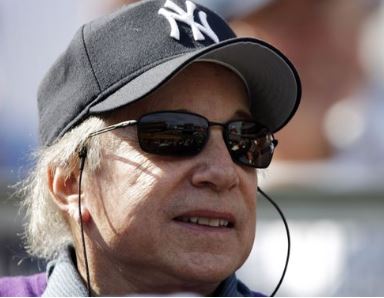
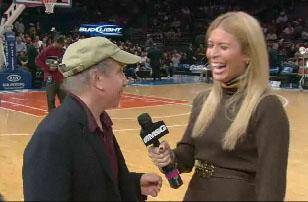
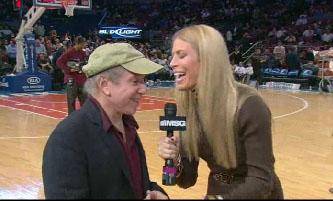
Paul Simon watches the New York Yankees play the Cleveland Indians in the first regular season game at the new Yankee |
Tour 2009
|
|||
JANUARY 2009 |
|||
22 jan |
New York |
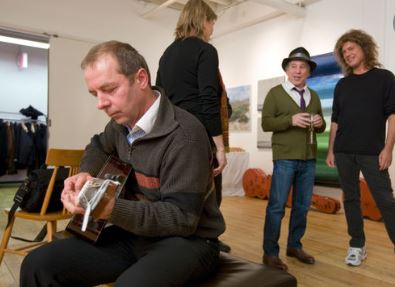
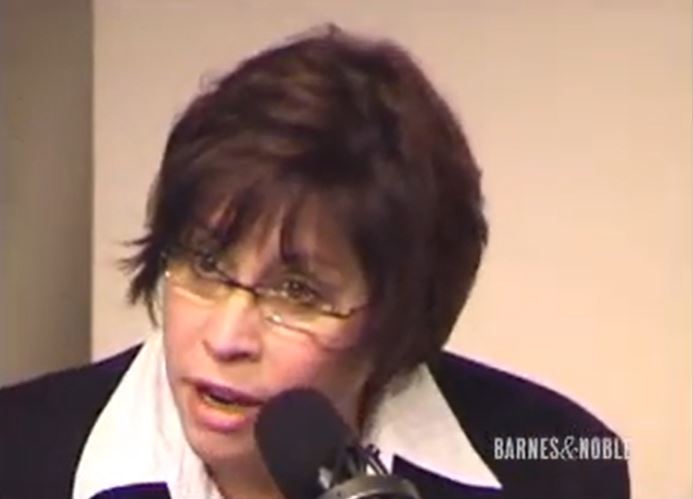
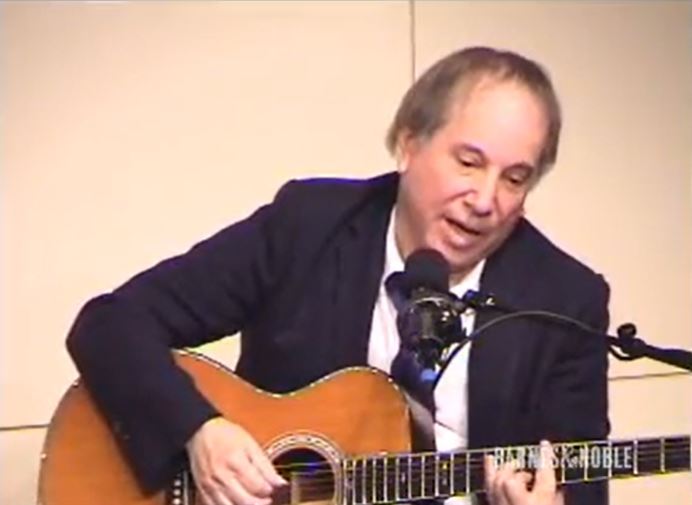
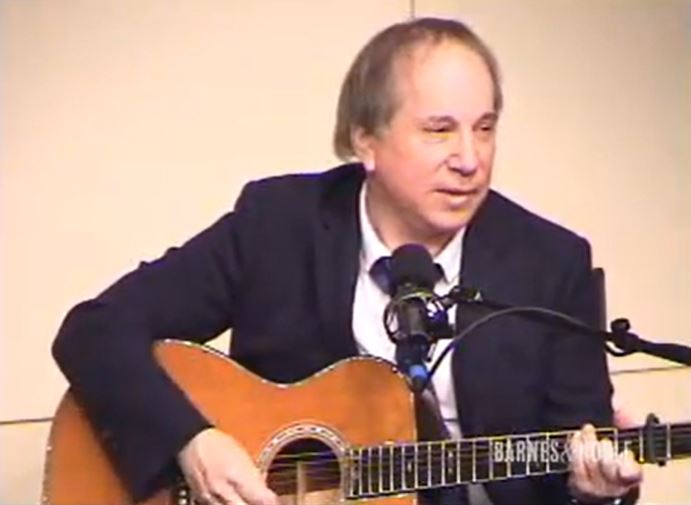
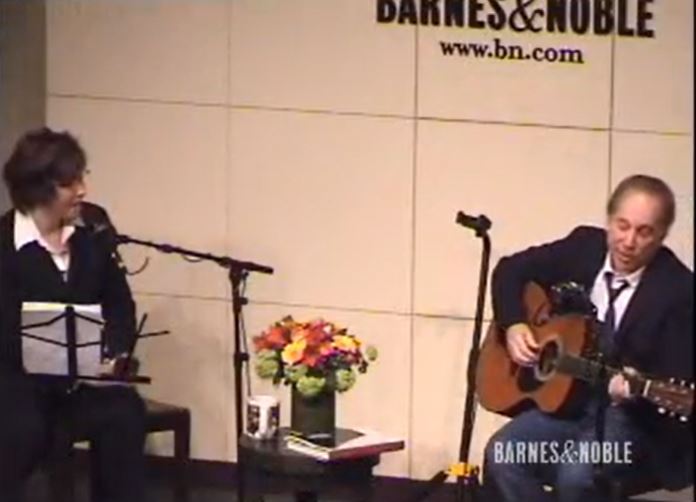
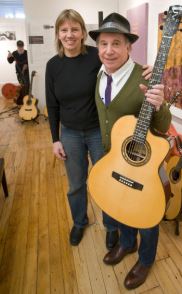
Paul Simon with Linda Metheny Manzer in Trias Gallery |
 |
FEBRUARY 2009 |
|||
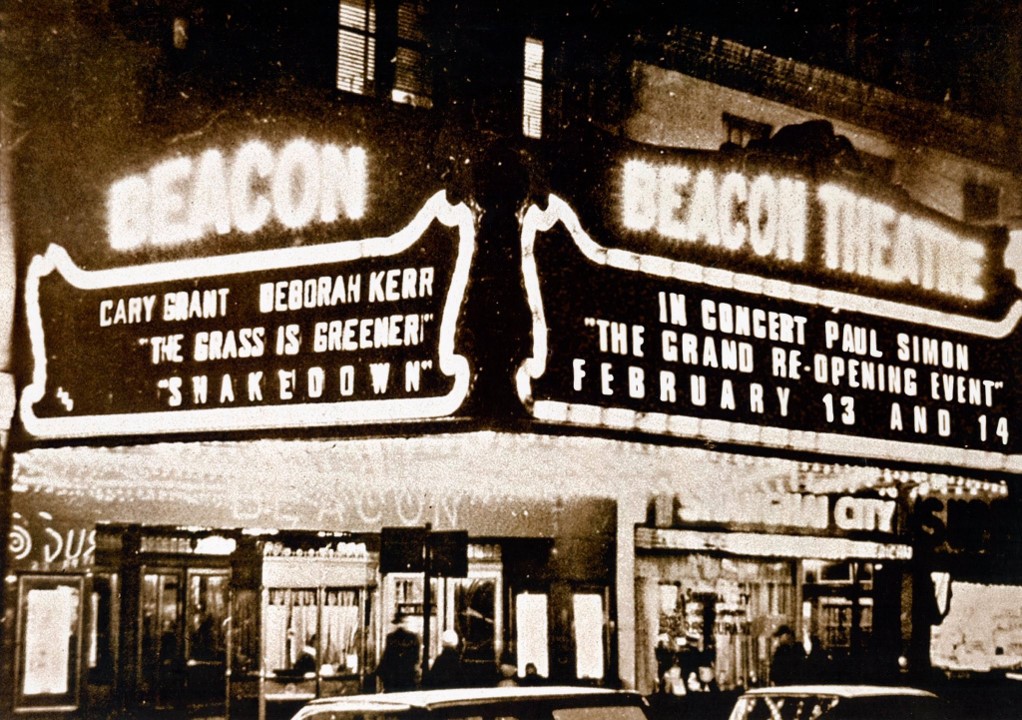
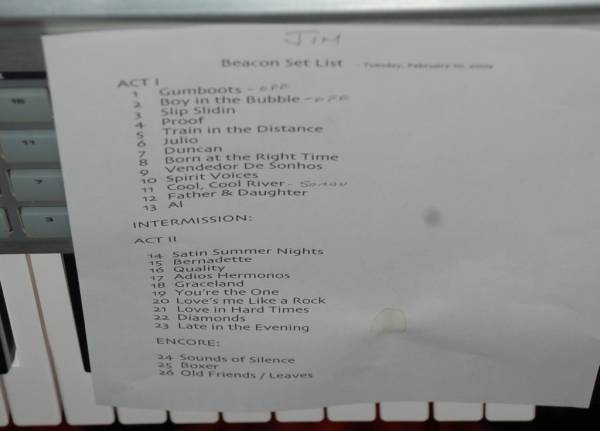
13 feb |
New York, NY |
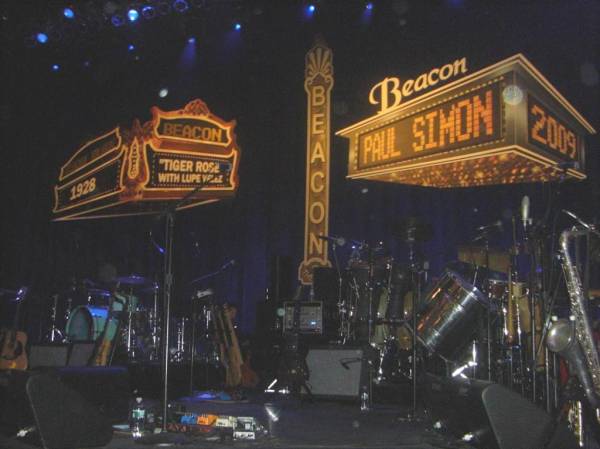
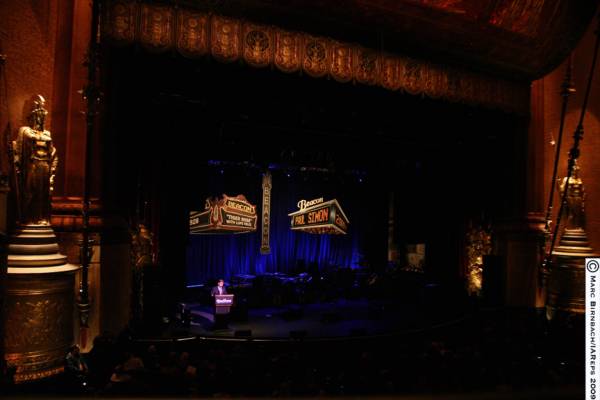
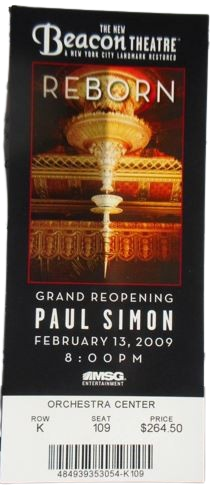
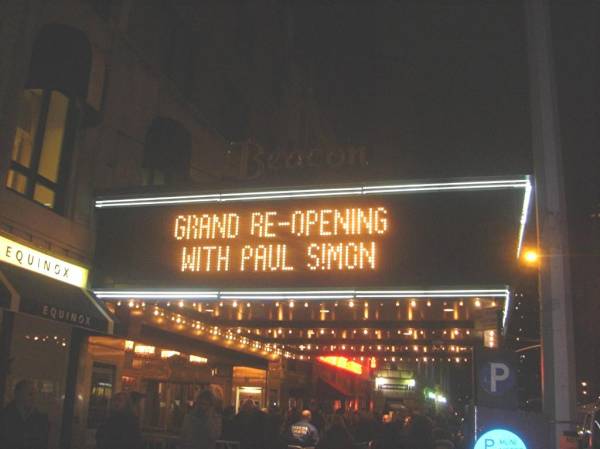
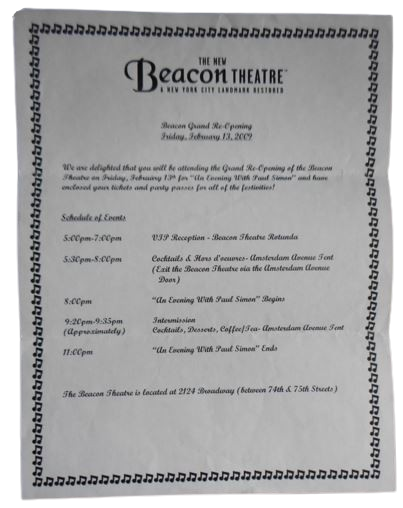
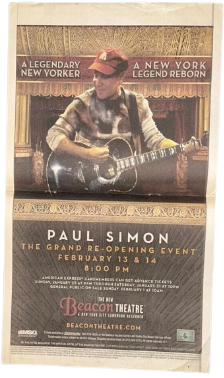
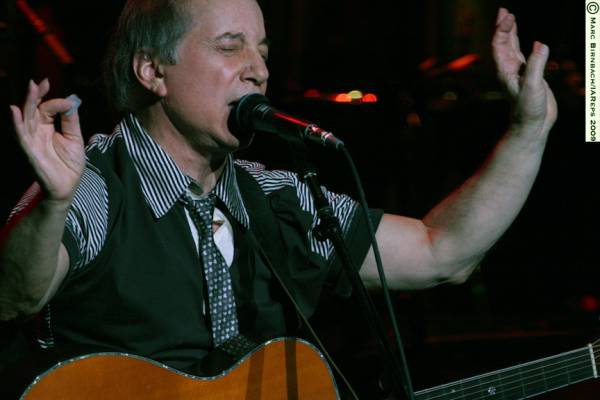
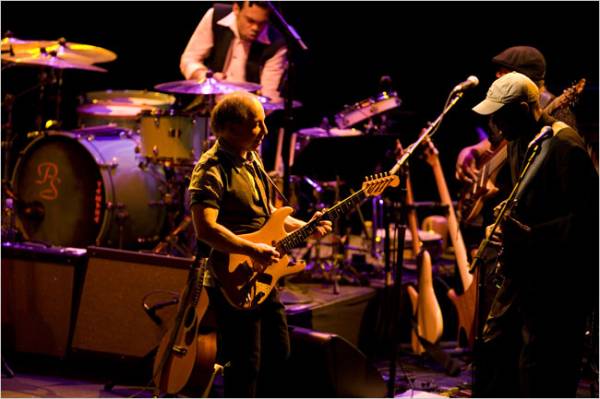
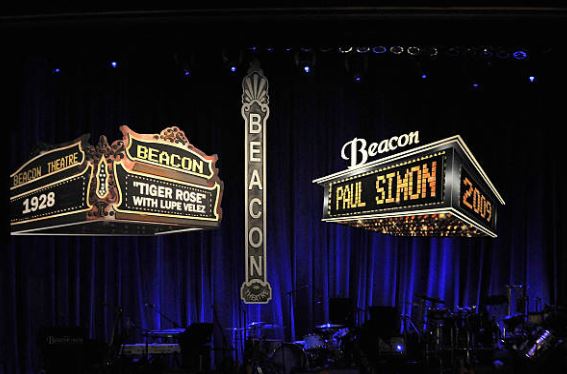
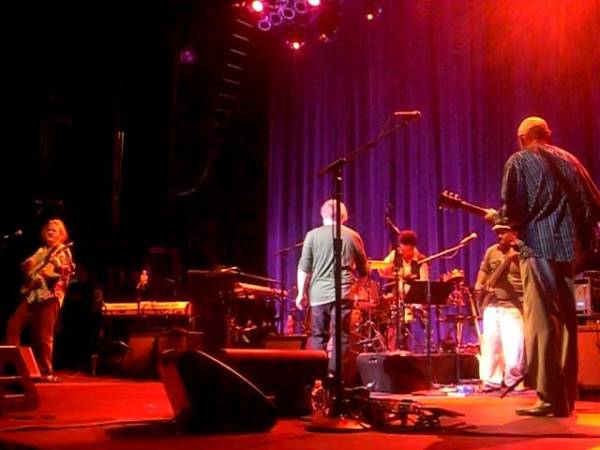
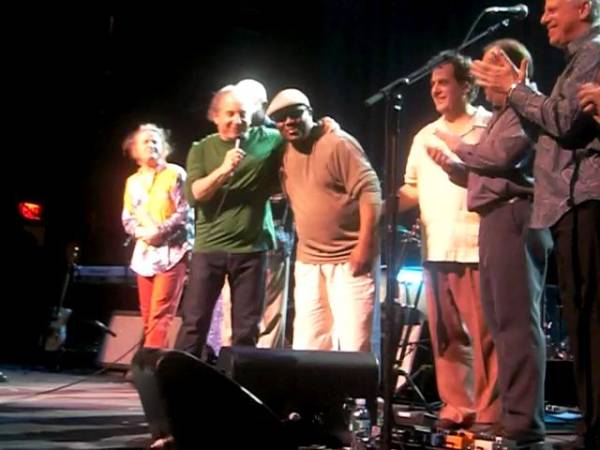
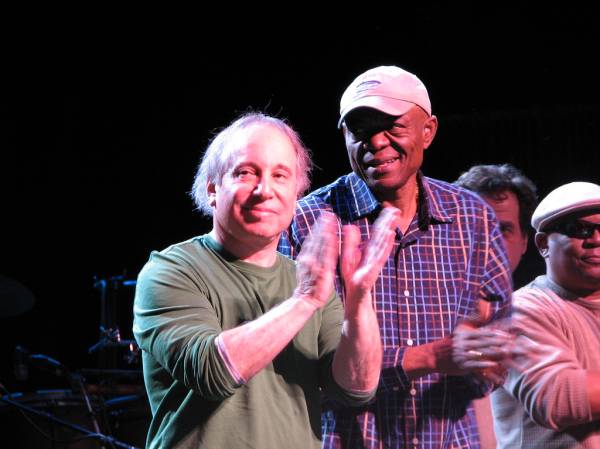
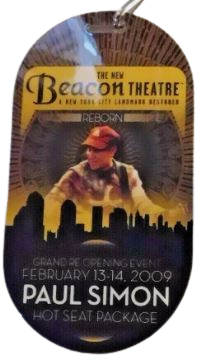
Beacon Theatre |
|
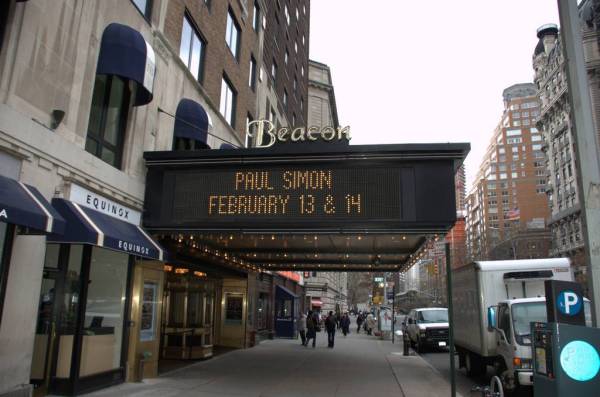
14 feb |
New York, NY |
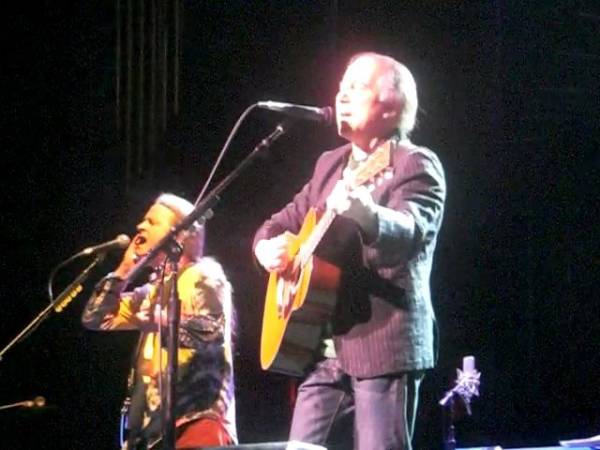
Beacon Theatre |
|
25 feb |
Washington |
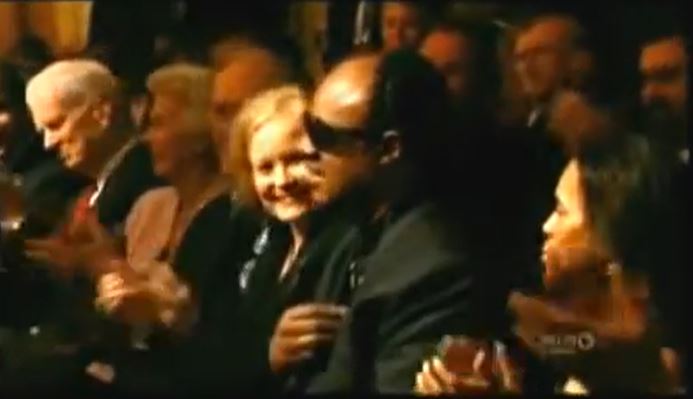
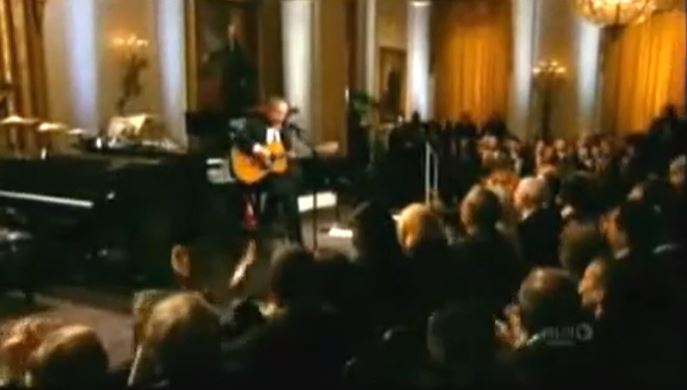
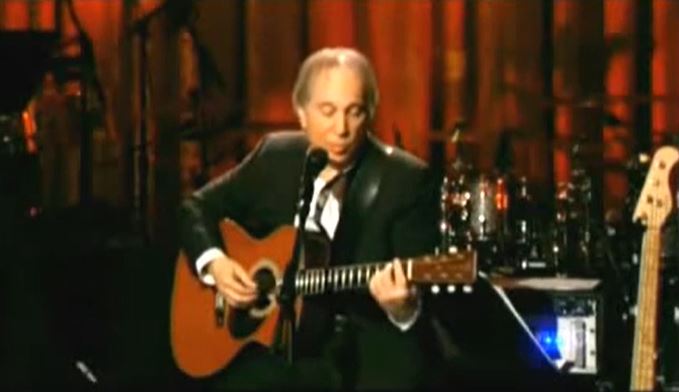
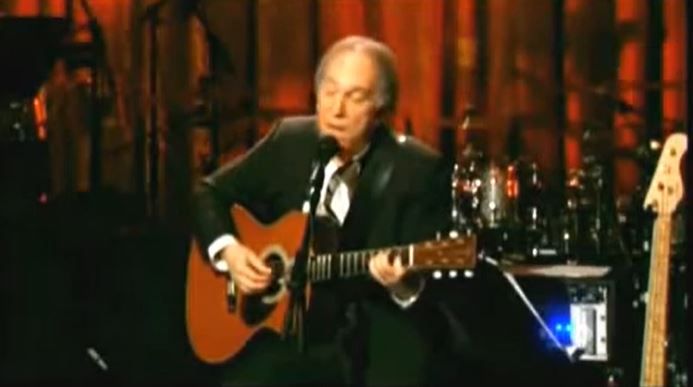
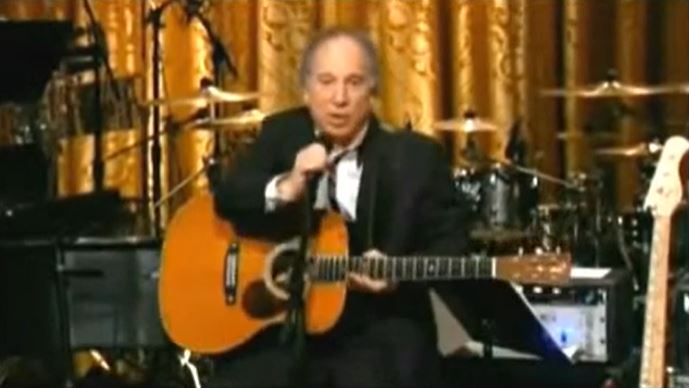
Paul Simon appeared at a White House event on February 25, 2009, where Stevie Wonder was honored with the Library of Congress Gershwin Prize for Popular Song. The celebration took place at the White House during President Barack Obama’s administration and featured performances by several major artists, including Paul Simon. |
|
MARCH 2009 |
|||
04 mar |
New York - USA |
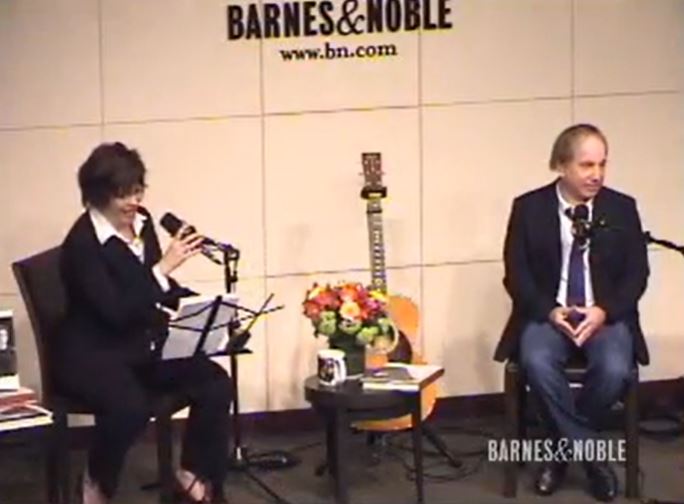
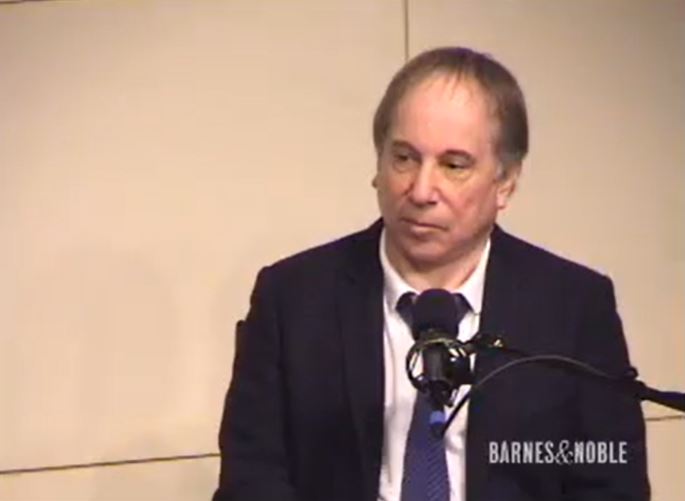
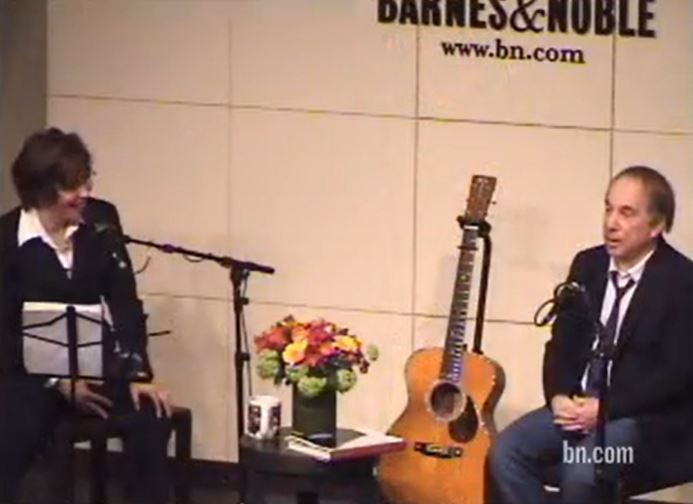
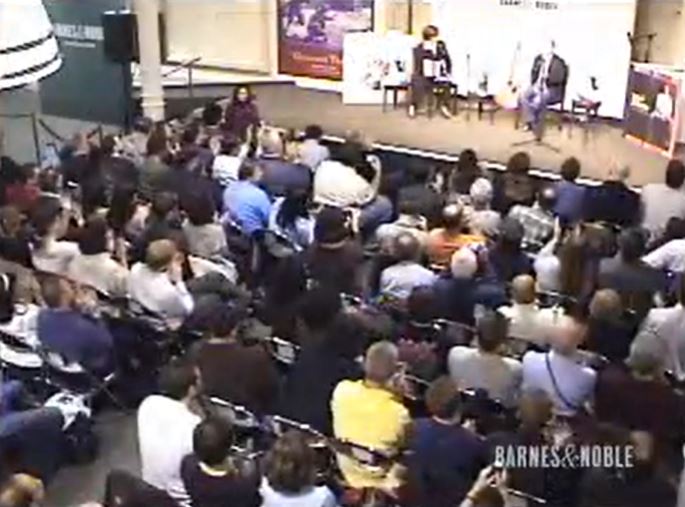
Rubin Museum of Art Talk with Daniel J. Levitin |
|
11 mar |
Washington |
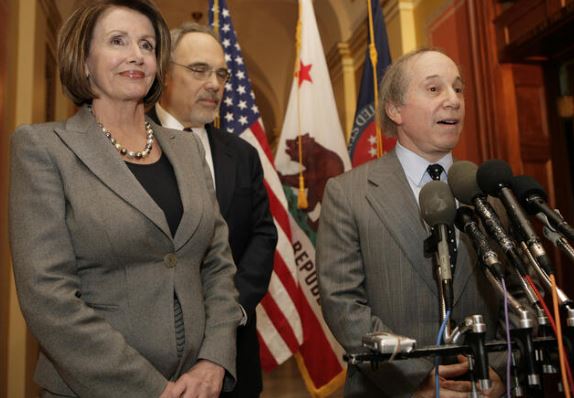
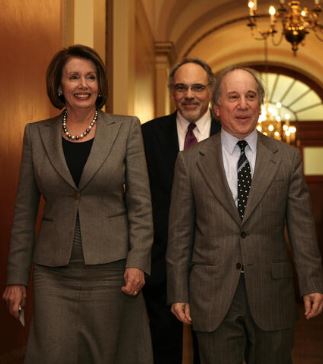
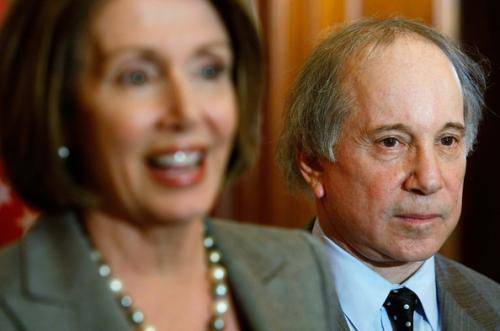
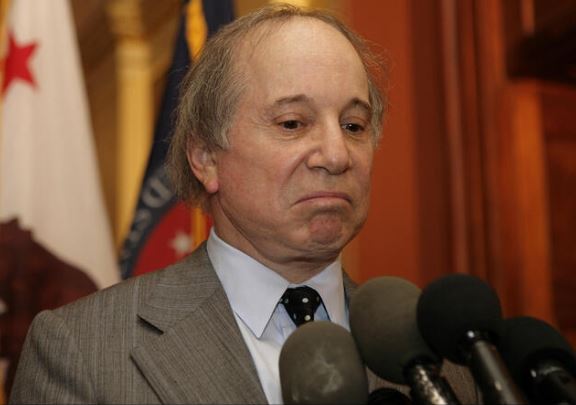
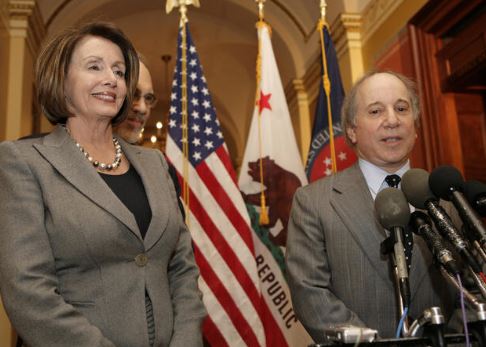
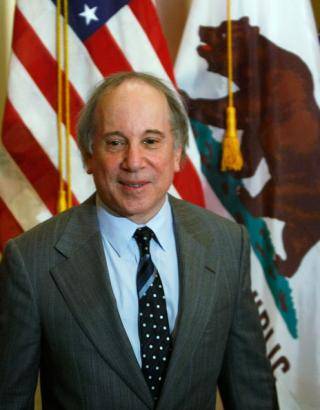
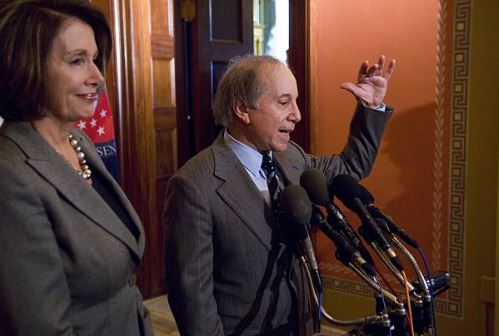
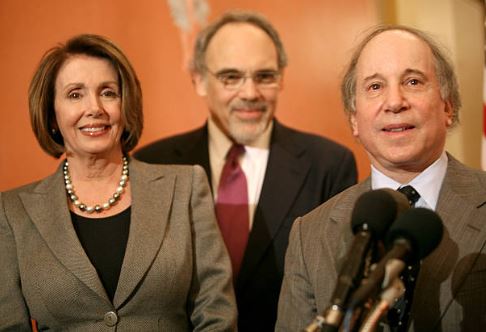
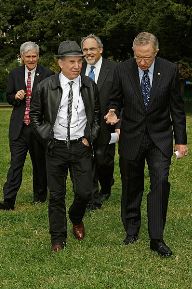
Singer Paul Simon speaks to reporters before his meeting
|
|
12 mar |
Hugh's Room |
||
27 mar |
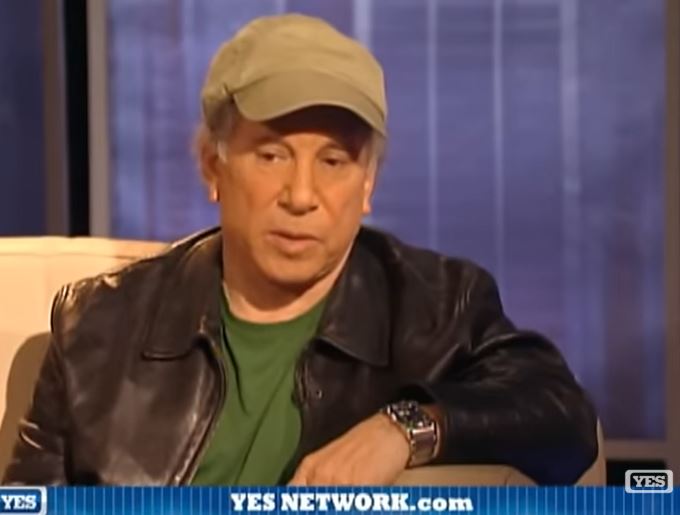
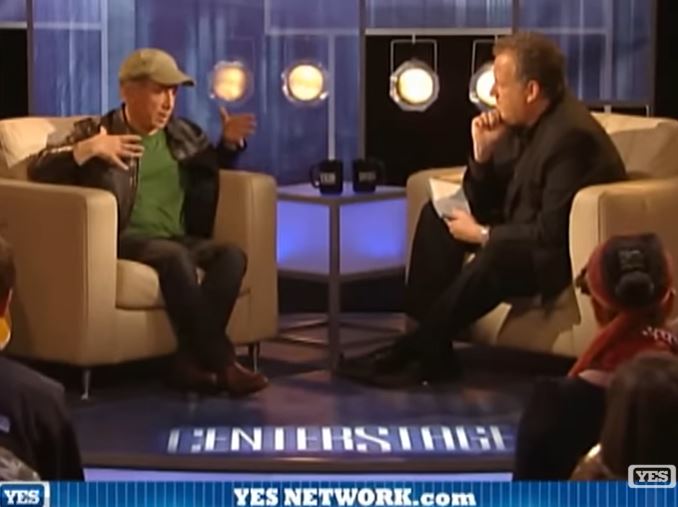
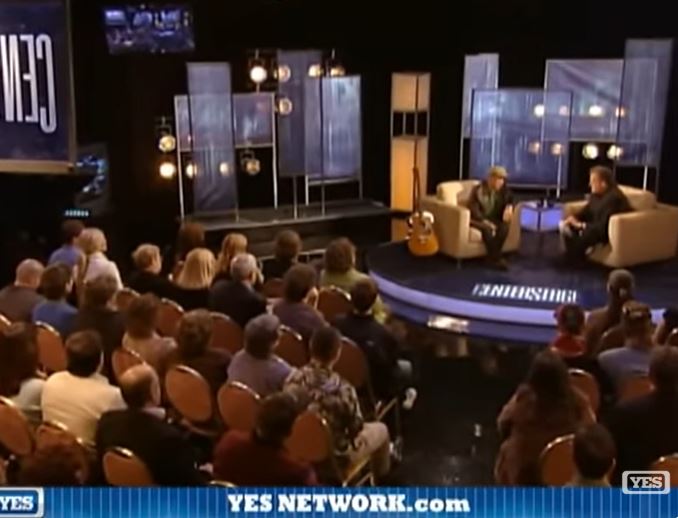
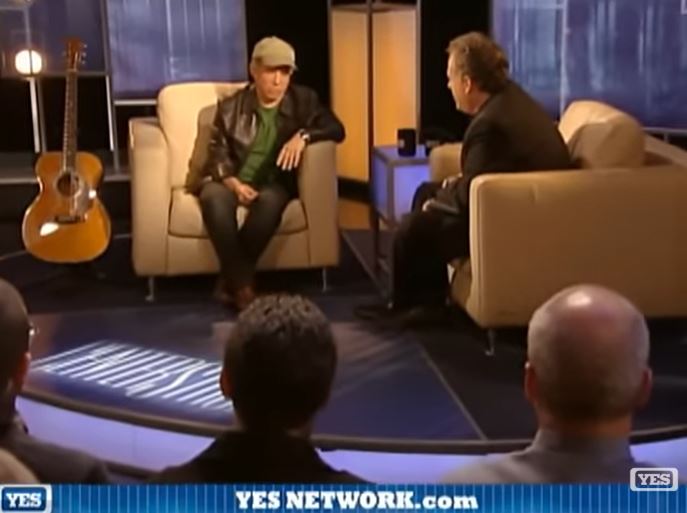
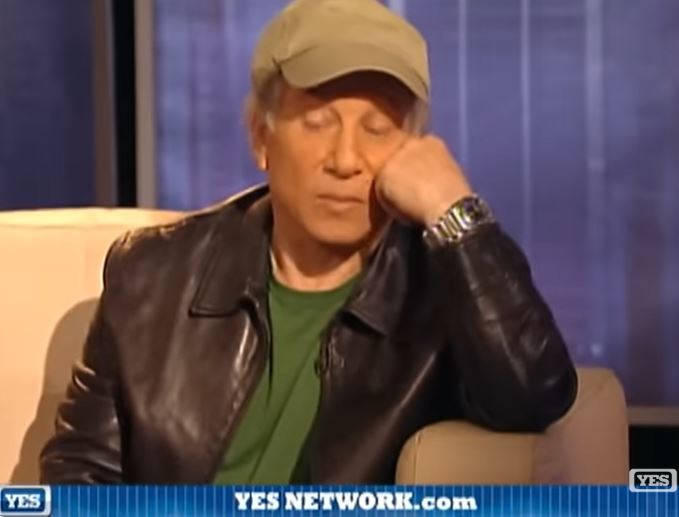
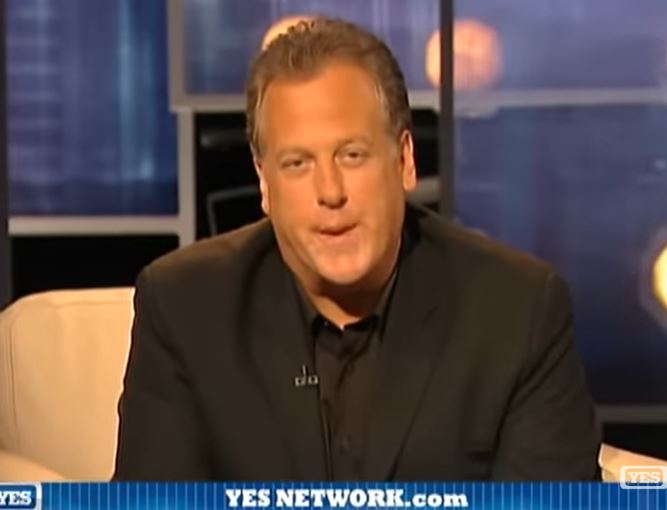
YESNetwork - US-TV
|
|
|
APRIL 2009 |
|||
02 april |
One on OnePerspective on the Simon & Garfunkel ReunionA central theme of the interview is Simon’s insistence that the reunion should not be misunderstood as a permanent return to the duo. He explains that performing again with Art Garfunkel is a conscious, limited decision rather than a revival of their former partnership.Simon emphasizes the importance of clearly defined boundaries, both personal and professional. According to him, collaboration is only viable when expectations are realistic and when neither party attempts to reshape the past. He suggests that earlier conflicts arose partly from mismatched assumptions about control, authorship, and creative direction.He frames the reunion as functional rather than symbolic: it exists to serve the music and the audience, not to resolve historical tensions or rewrite their shared history.Artistic Independence and Solo IdentitySimon speaks at length about the necessity of artistic independence. He reflects on how his solo career allowed him to pursue rhythmic experimentation, global musical influences, and structural approaches to songwriting that would have been incompatible with the Simon & Garfunkel format.He stresses that while the duo played a formative role in his early career, it does not define his artistic self. The interview makes clear that Simon views his work as a continuum, in which Simon & Garfunkel represents one chapter among many, rather than the central narrative of his life as a musician.Songwriting PhilosophySimon describes songwriting primarily as a craft grounded in rhythm, structure, and revision. He downplays the romantic notion of inspiration, emphasizing instead patience, discipline, and problem-solving.He also discusses how songs change meaning over time. Once released, he argues, songs gradually detach from their original intent and become part of the listeners’ personal experiences. In this sense, Simon suggests that authorship is eventually shared, or even relinquished, to the audience.Legacy and Public PerceptionWhen addressing the idea of legacy, Simon expresses visible discomfort with being described as a “legend.” He resists mythologization and prefers that his work be evaluated in practical and musical terms rather than through symbolic status.He acknowledges the enduring popularity of Simon & Garfunkel’s catalog but treats it as a result of circumstance and timing rather than destiny. His comments reflect an ongoing desire to remain grounded in process rather than reputation.Outlook on the FutureSimon avoids making definitive statements about future collaborations, whether with Garfunkel or others. He neither promises continuation nor suggests closure. Instead, he emphasizes flexibility and discernment, indicating that future decisions will be guided by artistic honesty, personal well-being, and mutual respect. |
|
|
28 april |
New York |
ubuntu-education-fund-10-anniversary-galaPaul Simon was a special guest at the Ubuntu Education Fund's 10th Anniversary Gala in New York City in April 2009. The gala was held at Terminal 5 and raised over $1 million for the organization, which supports vulnerable children in Port Elizabeth, South Africa. |
|
Mai 2009 |
|||
27 may |
New York |
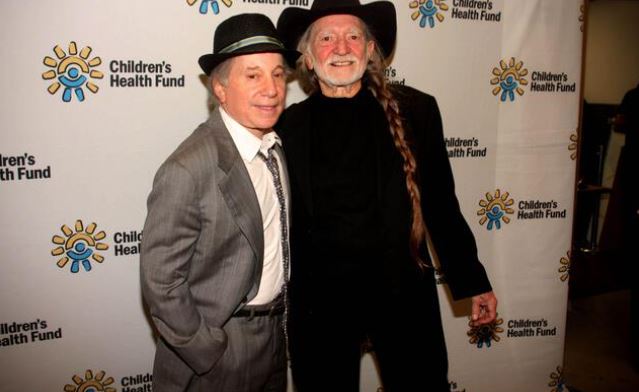
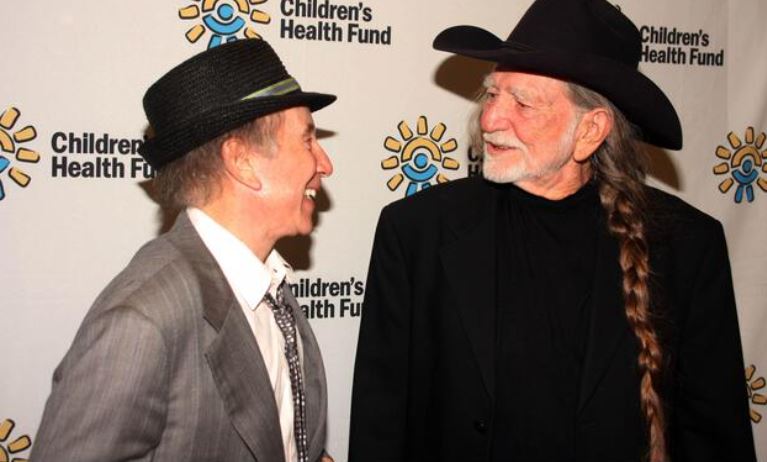
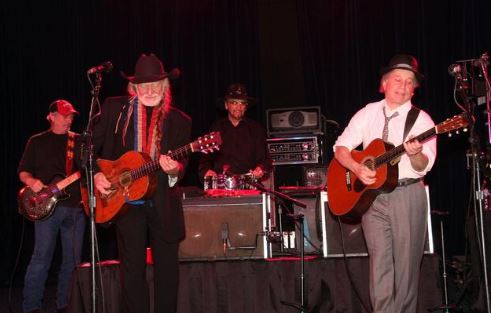
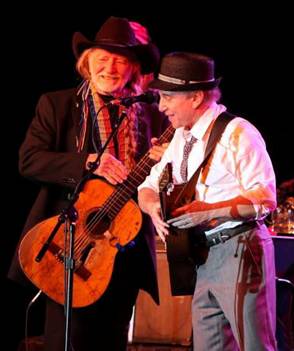
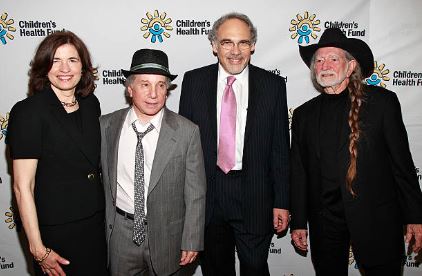
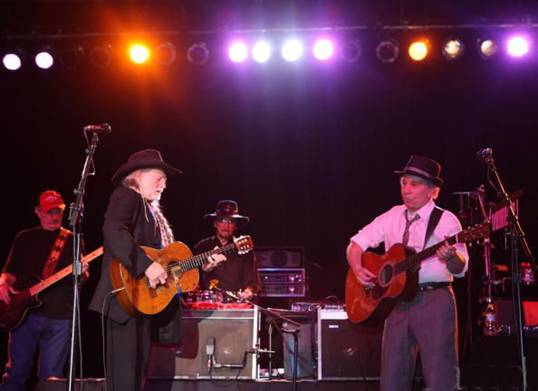
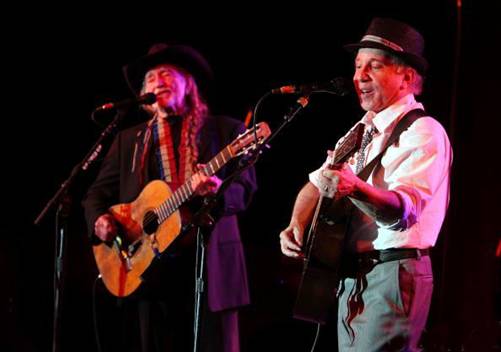
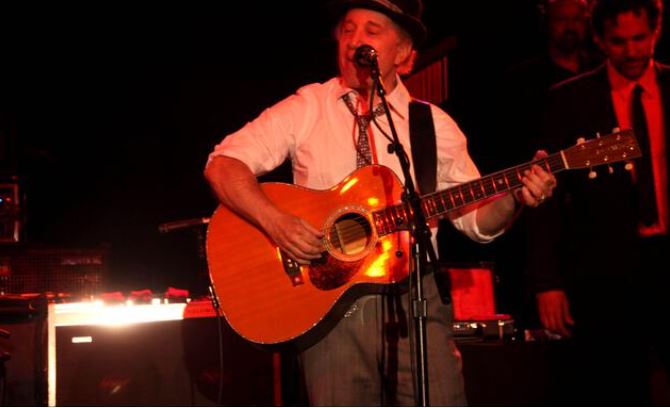
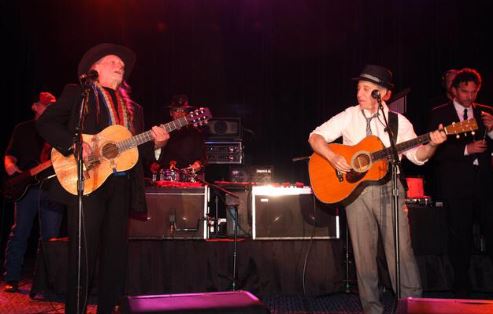
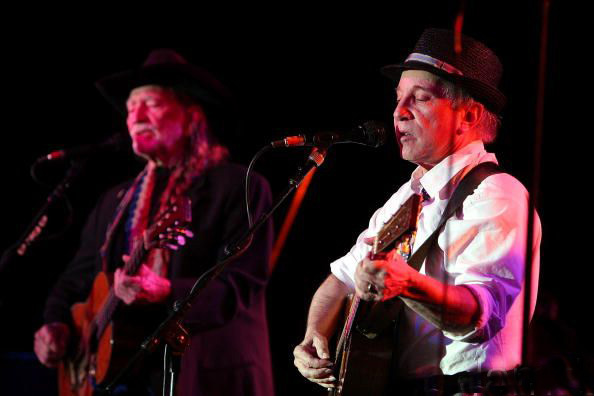
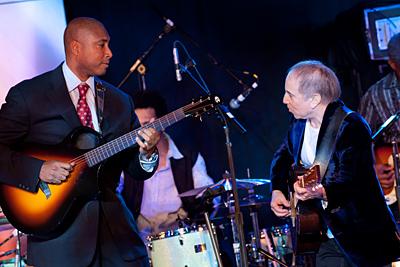
At the Children's Health Fund benefit on May 27, 2009, in New York City, Willie Nelson and Paul Simon performed together at the Sheraton New York Hotel & Towers. |
|
JUNE 2009 |
|||
02 june |
New York
|
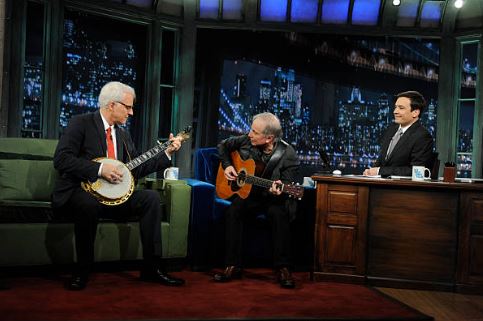
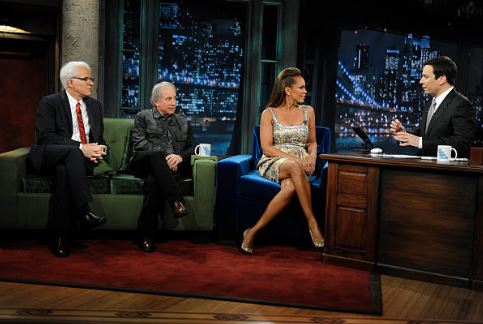
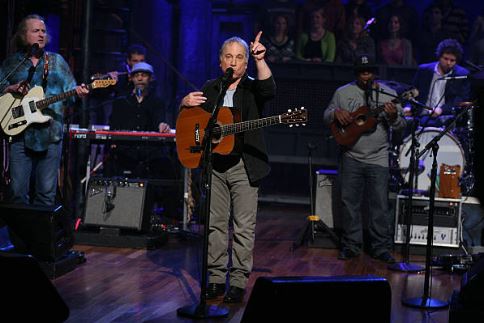
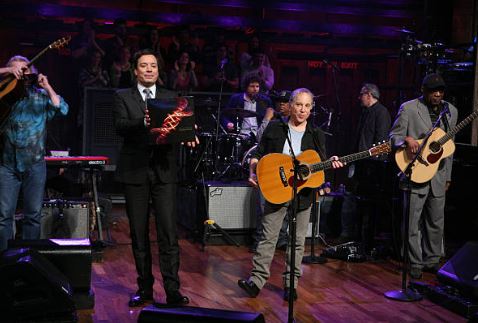
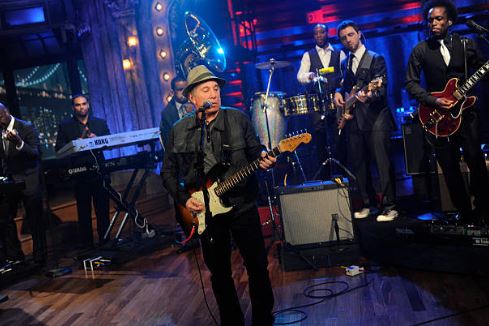
LATE NIGHT WITH JIMMY FALLON |
|
SEPTEMBER 2009 |
|||
16 sept |
Washington |
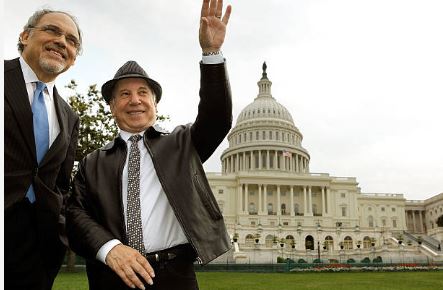
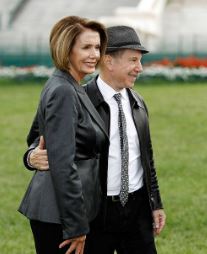
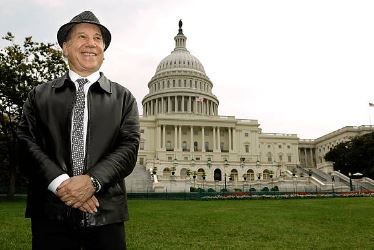
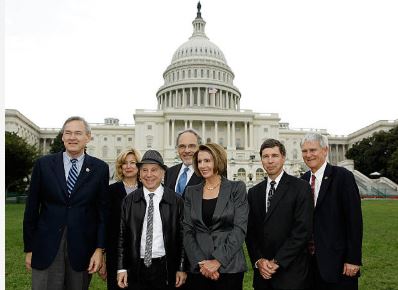
television news icon Jane Pauley, music artist Paul Simon, Children's Health Fund President Dr. Irwin Redlener, Speaker of the House Nancy Pelosi (D-CA), American Adademy of Pediatrics President David Tayloe and National Association of Children's Hospitals and Related Institutions President Larry McAndrews pose for photographs after an event to encourage politicians to not forget young people during the debate on health care reform with at the U.S. Capitol in Washington, DC. The American Academy of Pediatrics have asked Congress for health insurance coverage for all children, ag-appropriate benefits and reasonable payment to assure real access to services. |
|
OCTOBER 2009 |
|||
29 oct |
New York |
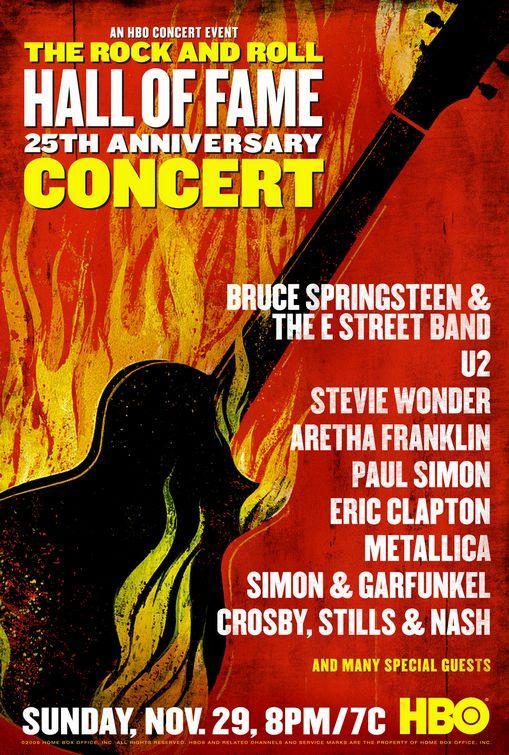
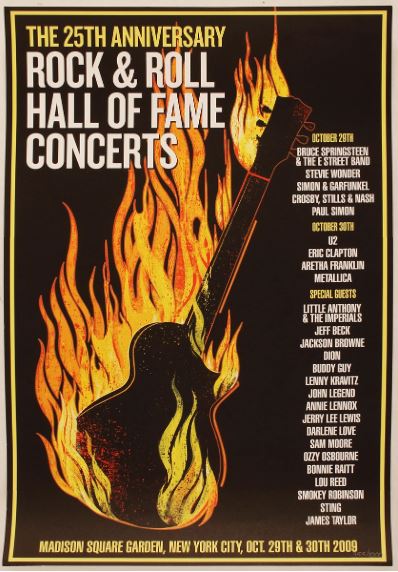
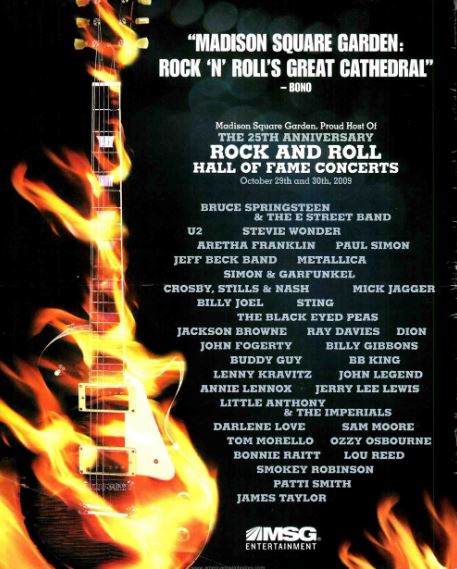
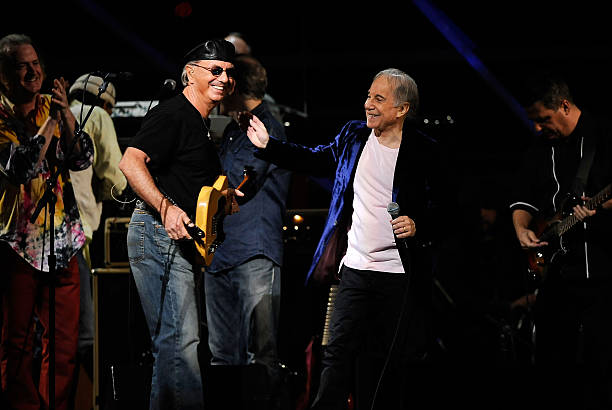
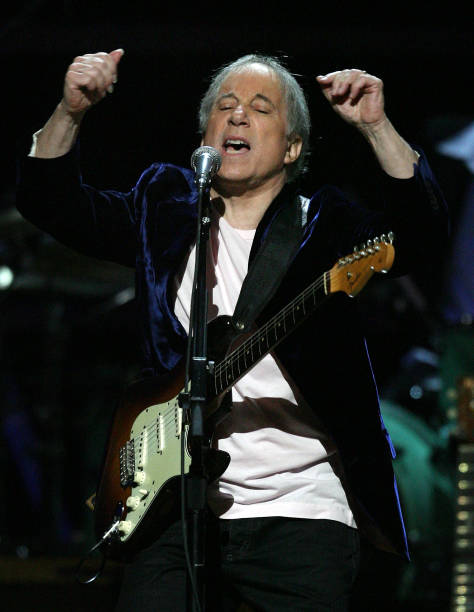
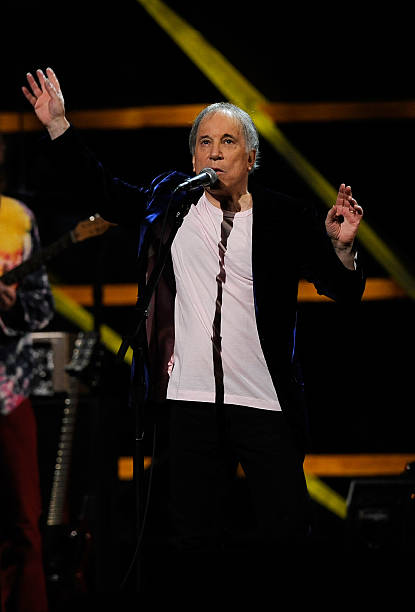
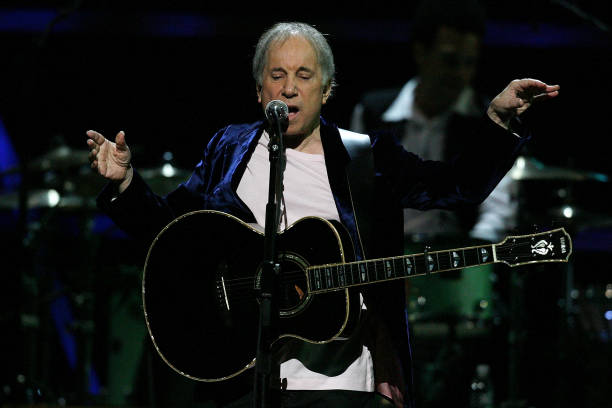
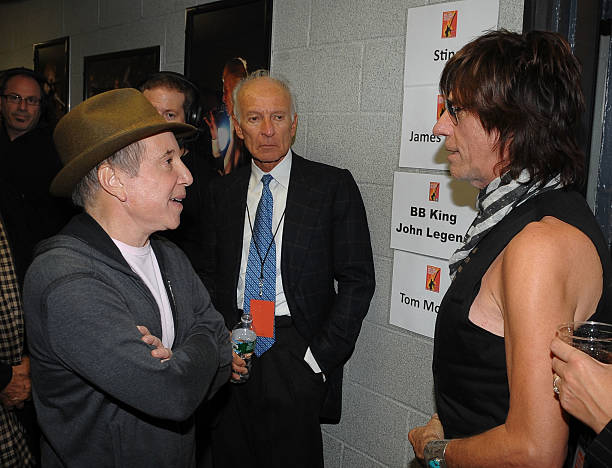
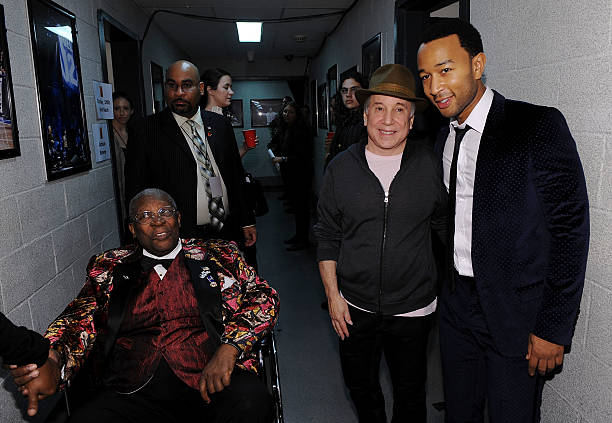
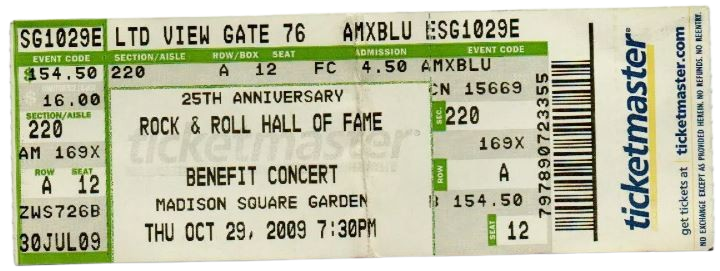
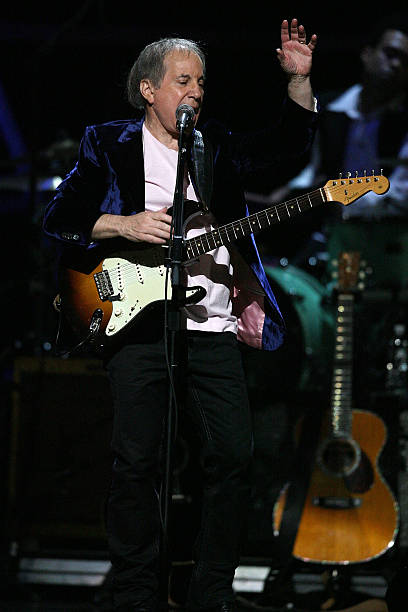
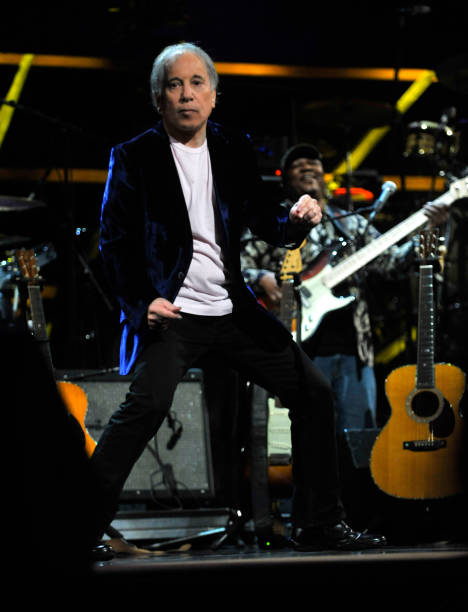
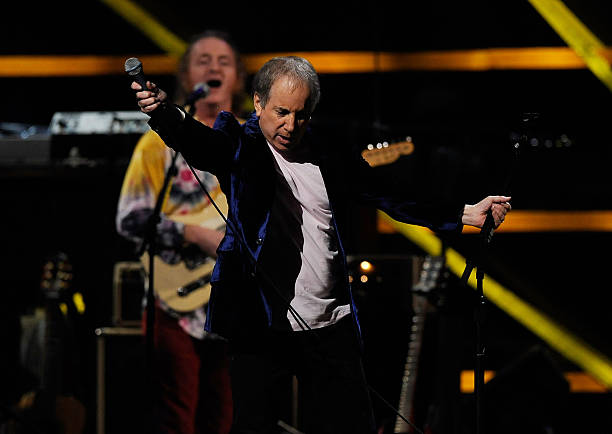
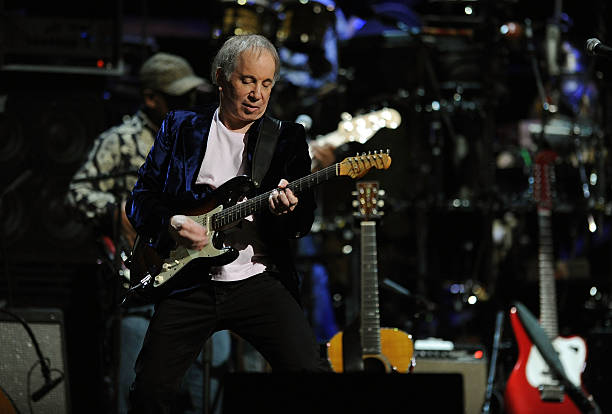
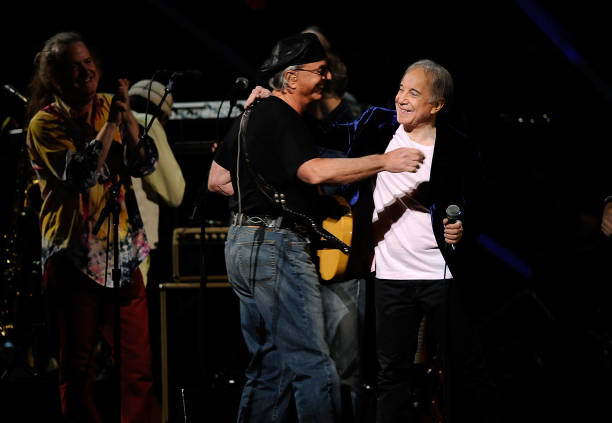
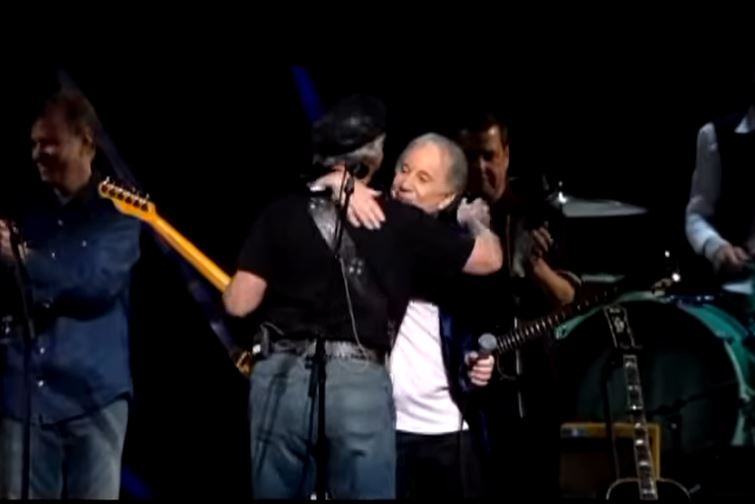
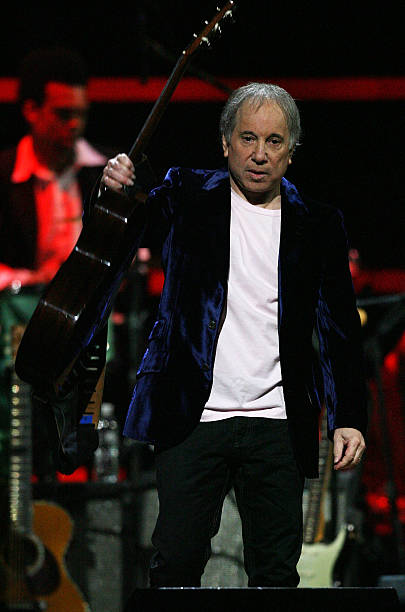
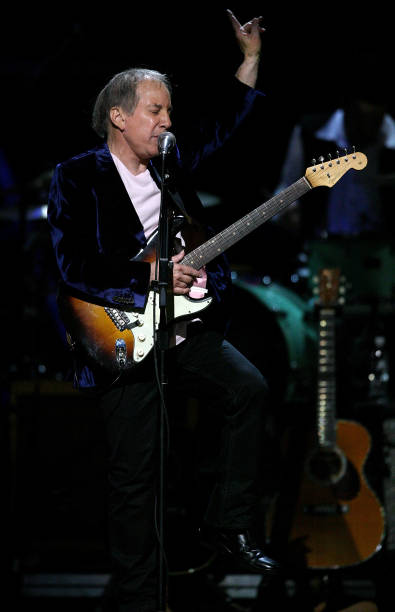
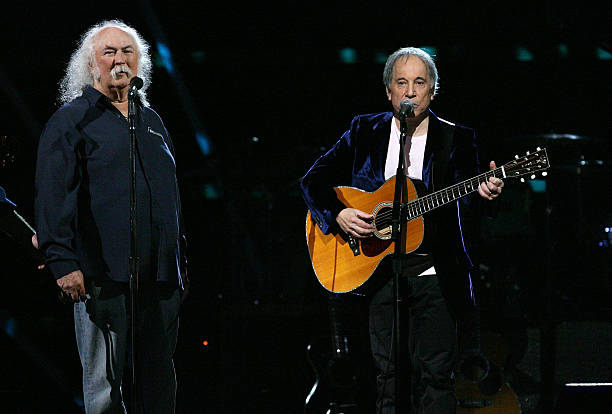
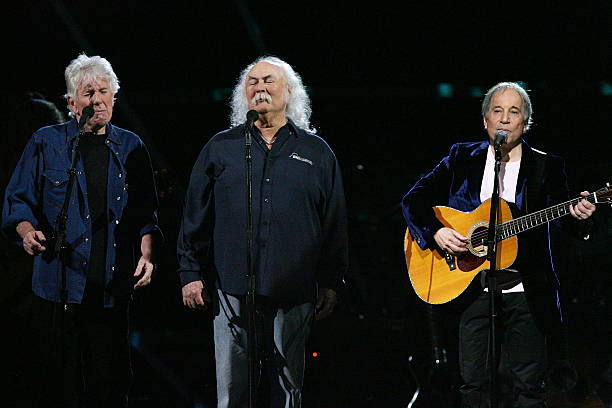
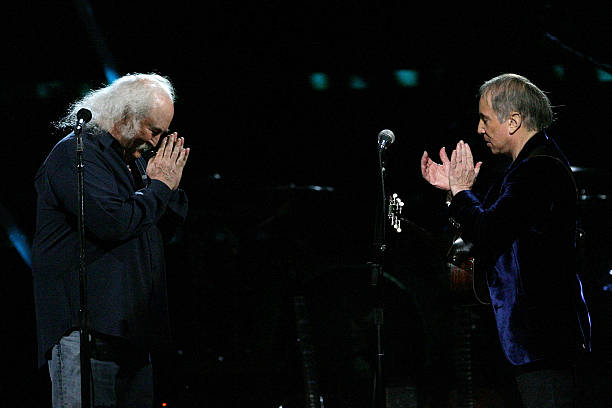
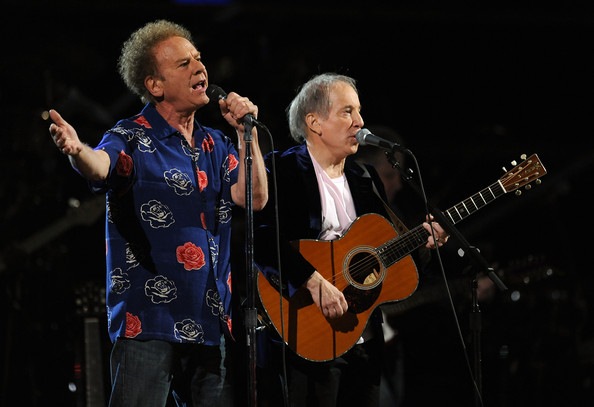
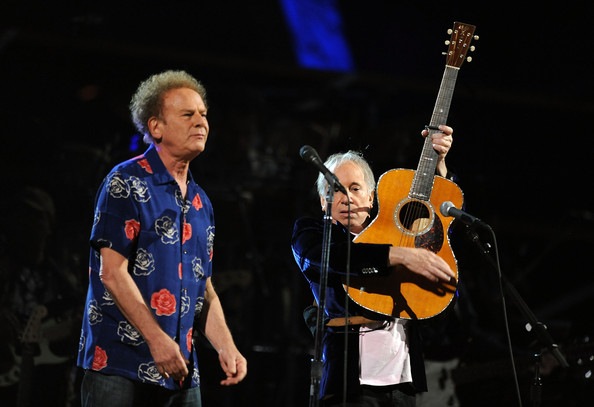
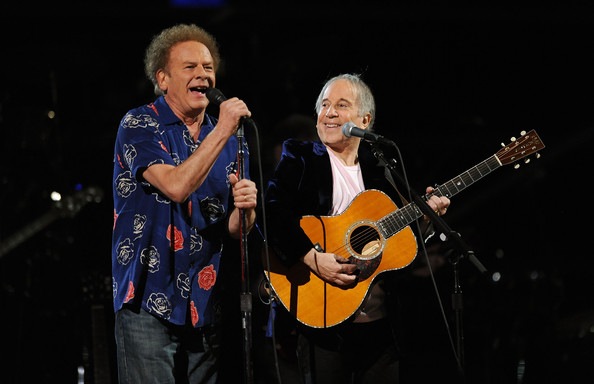
Rock & Roll Hall Of FameBenefit ConcertMSG |
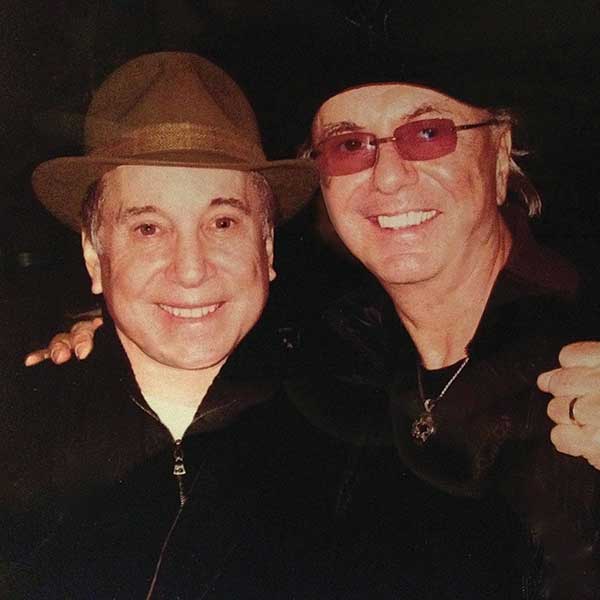
Dion & Paul Simon
David Crosby of Crosby, Stills and Nash with Paul Simon
Graham Nash and David Crosby perform onstage with Paul Simon
|
NOVEMBER 2009 |
|||
13 Nov |
New York - USA |
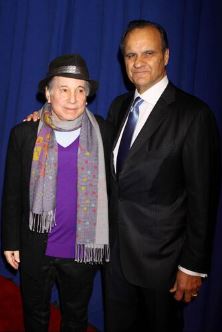
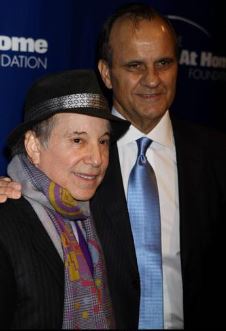
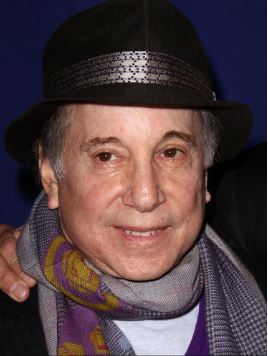
Seventh Annual GalaJoe Torre Safe at Home Foundation 7 annuel. Gala à Chelsea Piers |
PAUL SIMON , JOE TORRE
|