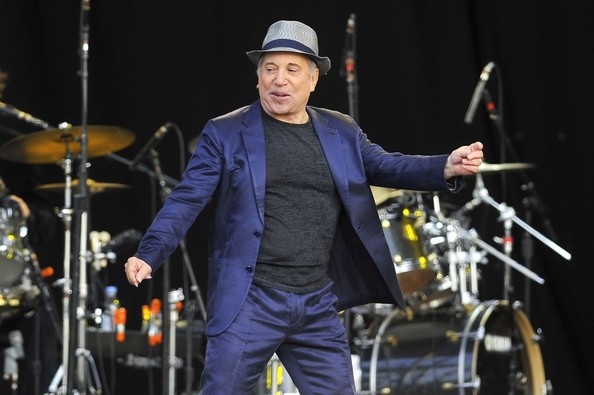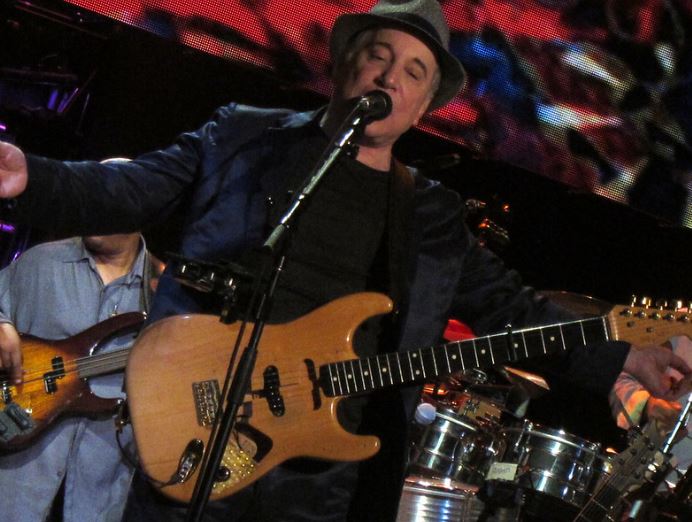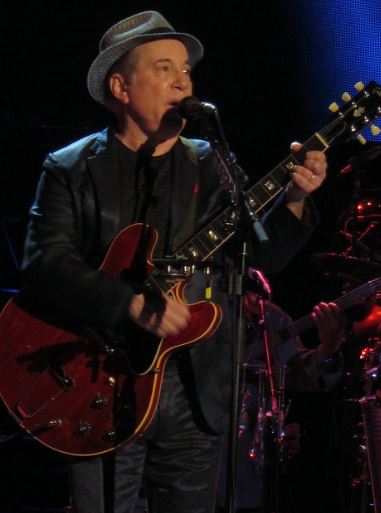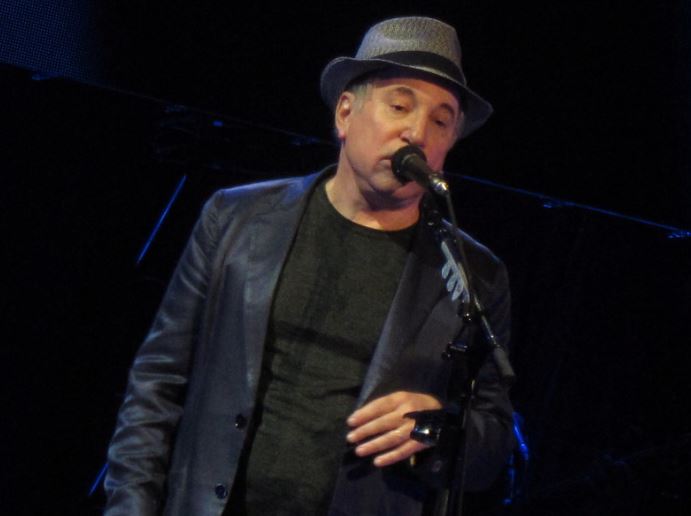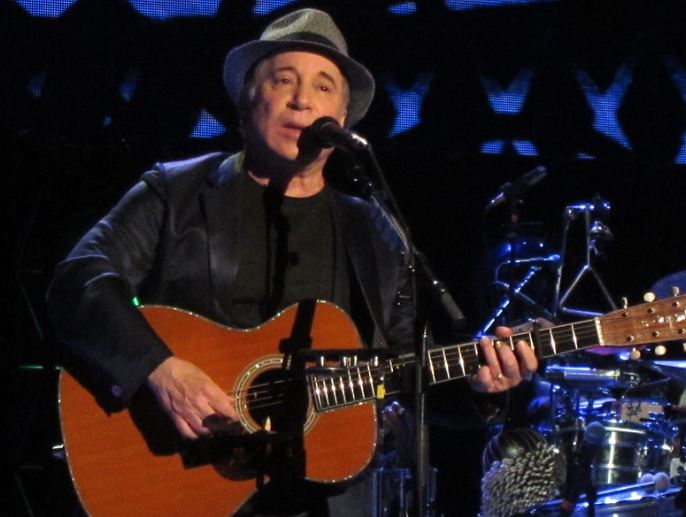
2012 |
|
 |
 |
 |
 |
 |
|
Paul Simon Children's Health Date Unknow 2010s |
JANUARY 2012 |
|||
22 jan |
Park City, Utah |
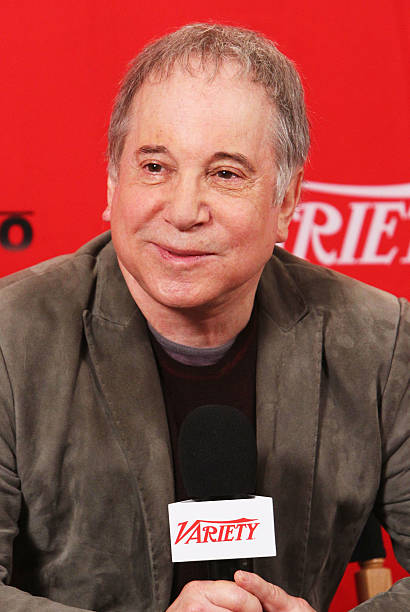
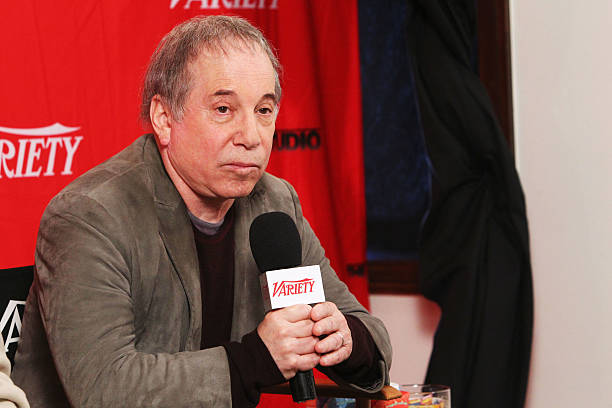
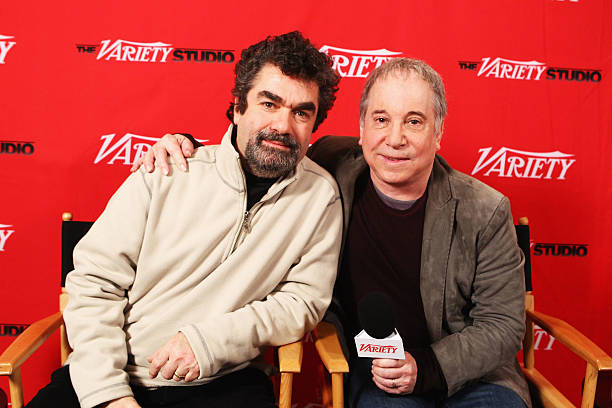
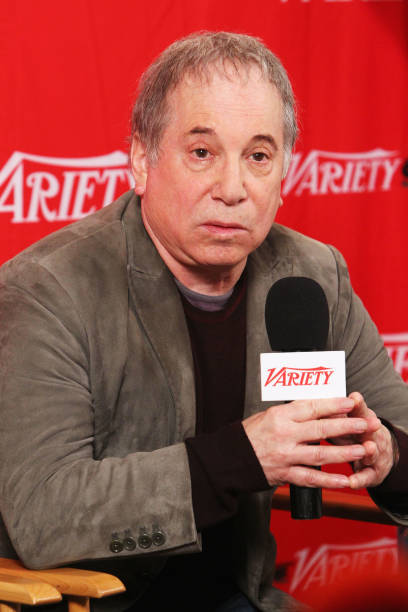
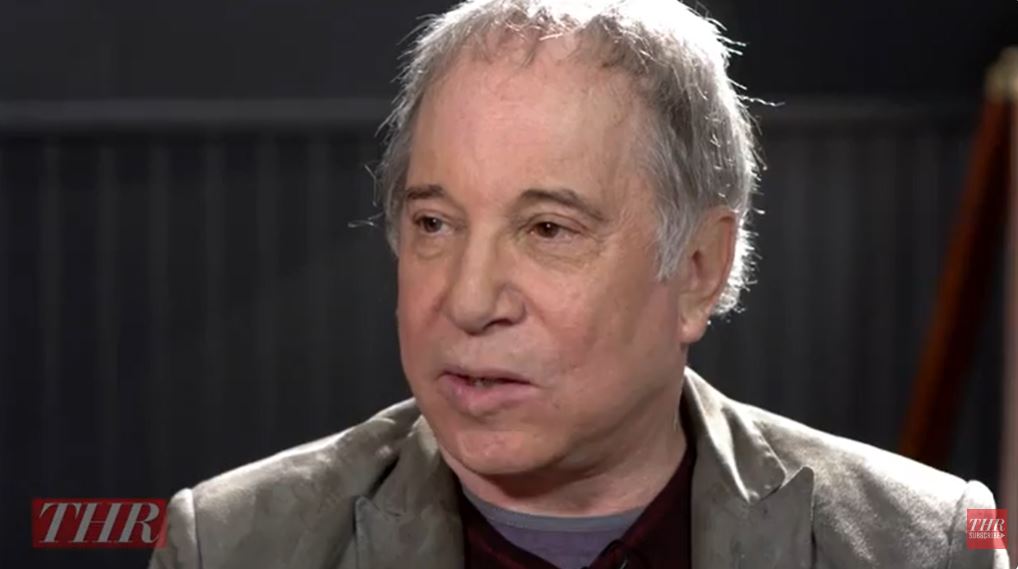
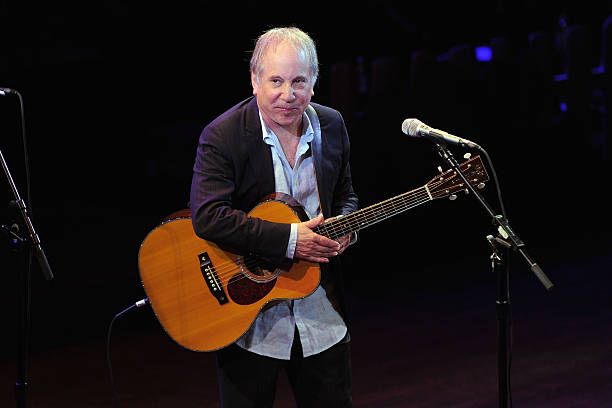
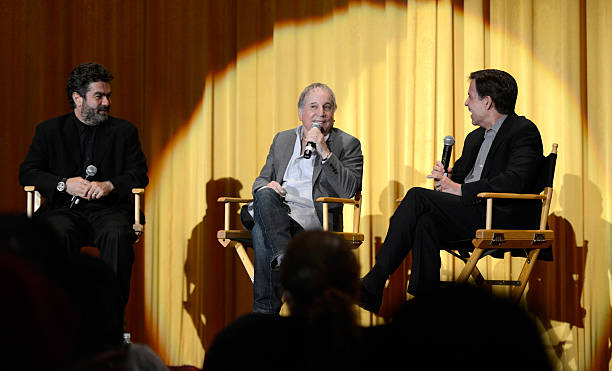
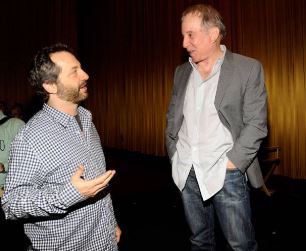
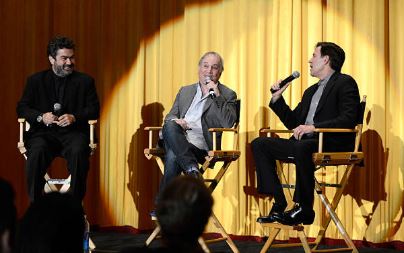
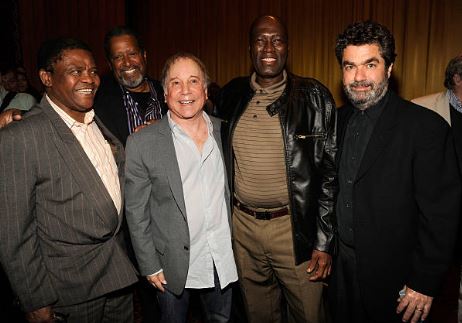
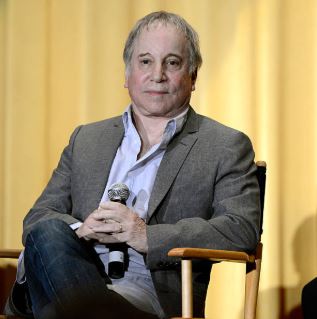
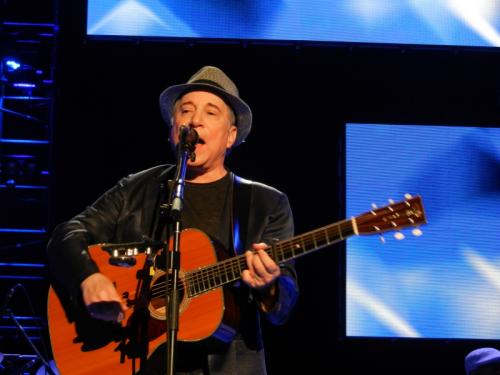
The Variety Studio At The 2012 Sundance Film Festival - Day 2They explain that the film revisits the making of Graceland and, in particular, the political controversy that followed because the album was recorded in South Africa during the cultural boycott of the apartheid era. Berlinger frames the story as a broader question about the role of artists in society—especially in politically charged contexts—and about who gets to set the rules for what artists should or shouldn’t do. |
|
FEBRUARY 2012 |
|||
25 jan |
Park City (Utah) |
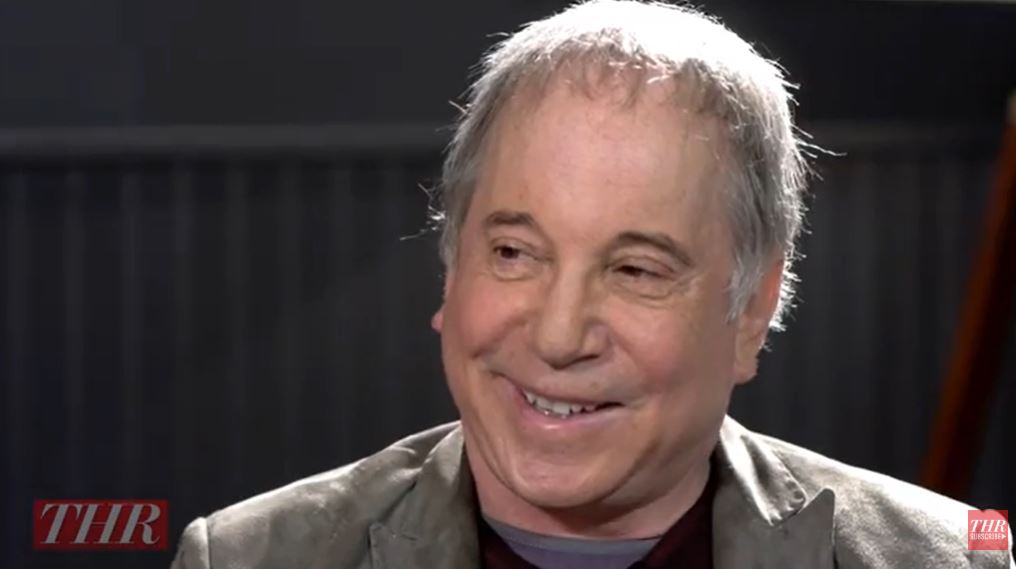
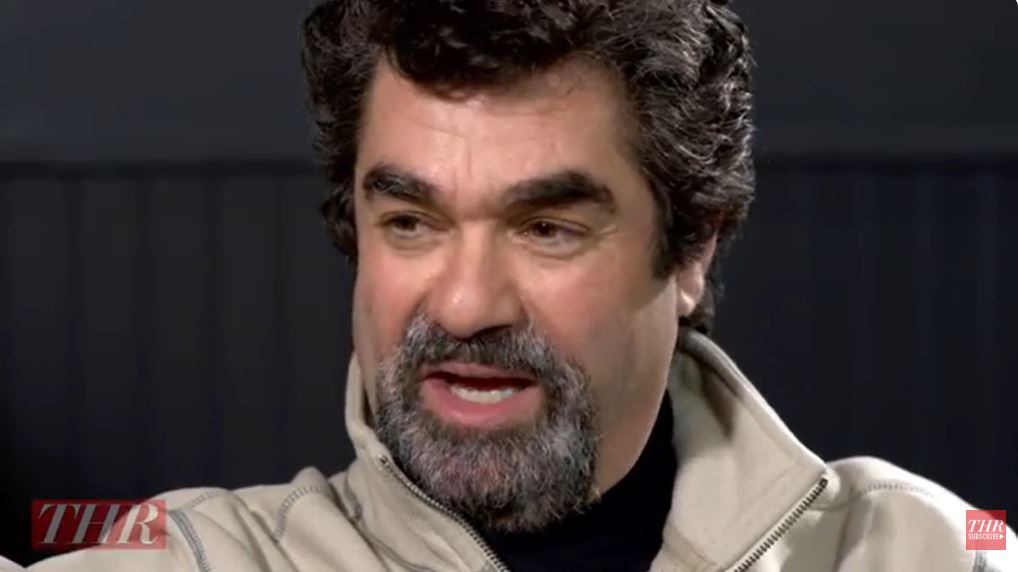
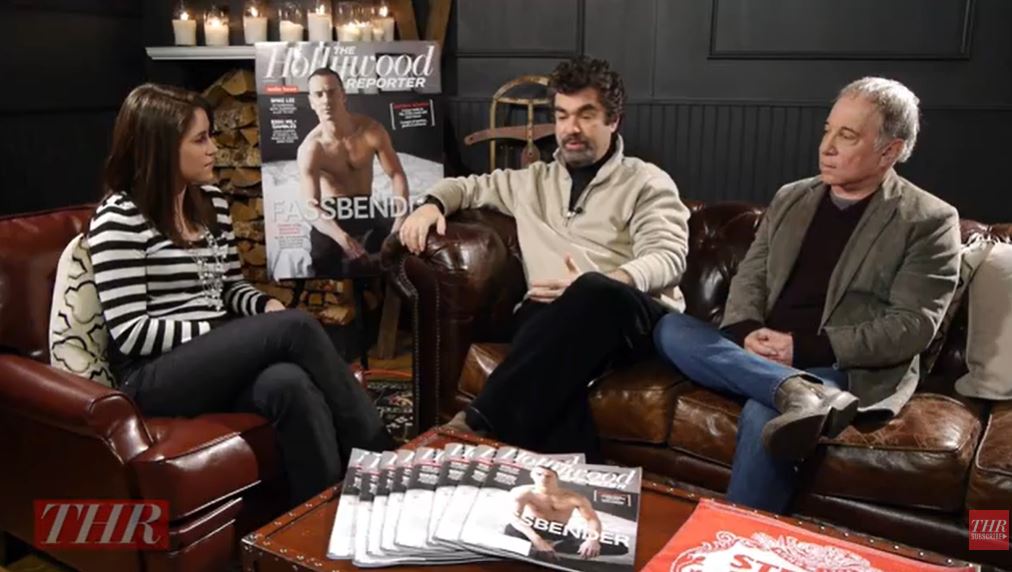
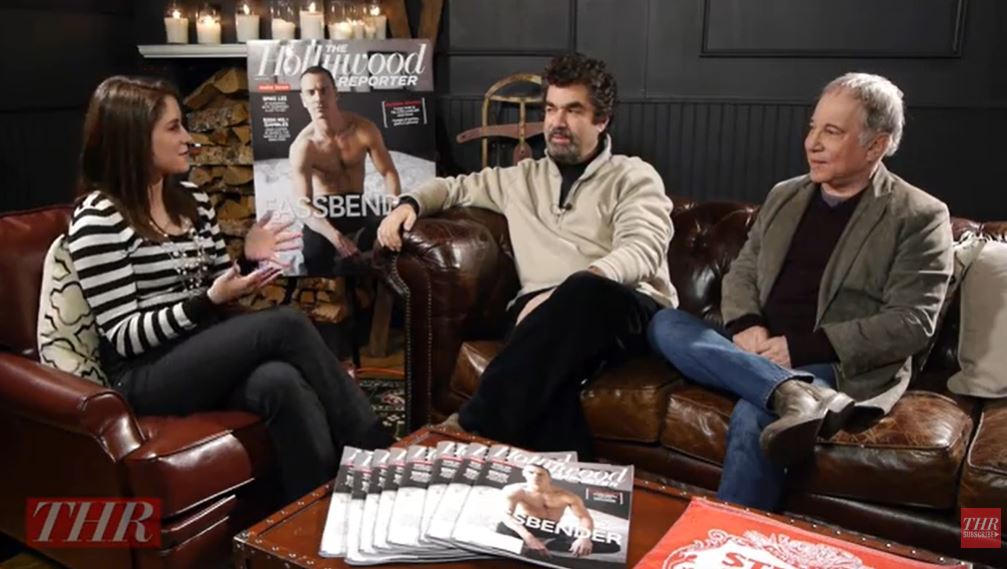
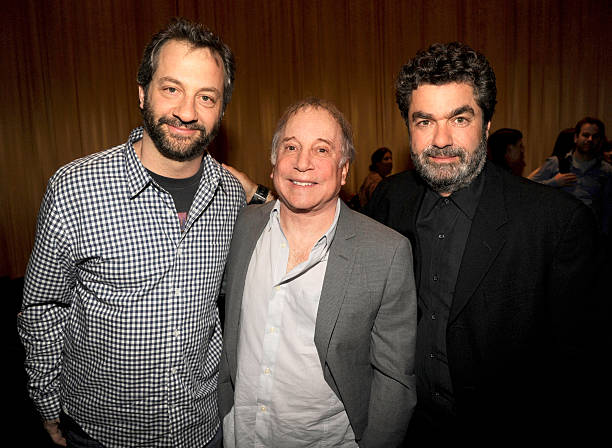
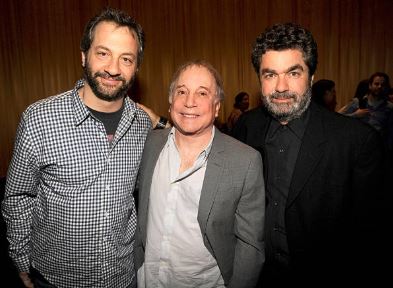
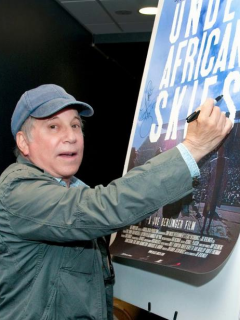
Sundance Film FestivalPaul Simon and documentary film maker Joe Joe Berlinger stop by the THR lounge prior to their sold out premiere of 'Under African Skies.' |
|
FEBRUARY 2012 |
|||
26 feb |
Boston MA |
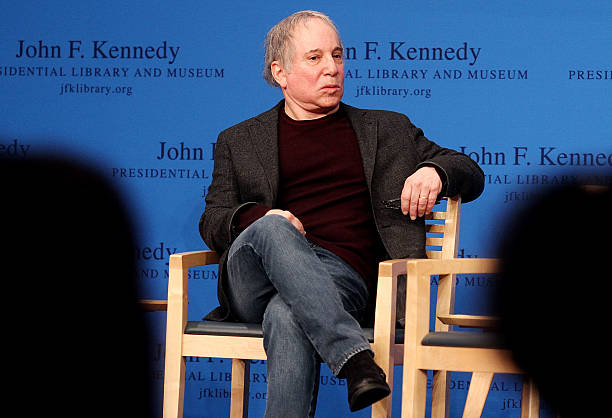
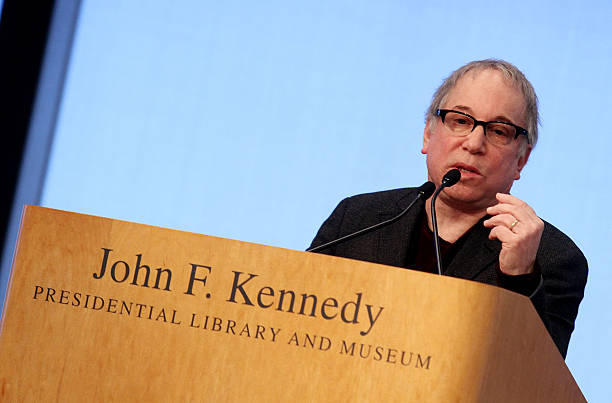
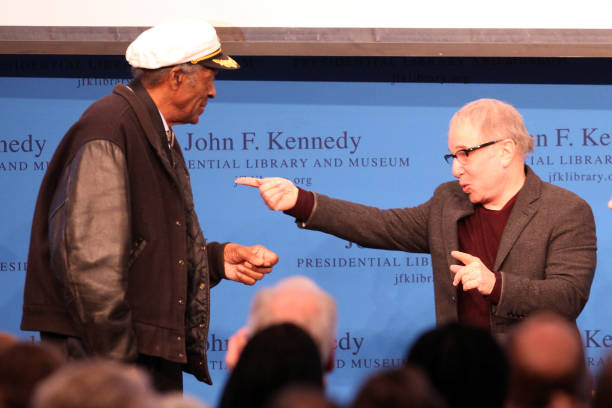
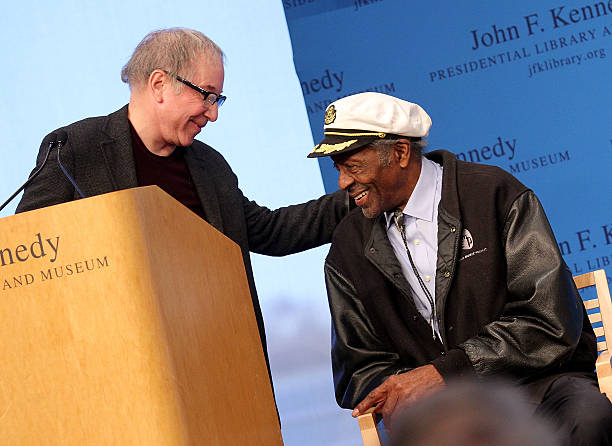
Awards For Lyrics Of Literary ExcellencePaul Simon during the 2012 Awards for Lyrics of Literary Excellence at The John F. Kennedy Presidential Library And Museum |
|
APRIL 2012 |
|||
02 april |
New York, USA |
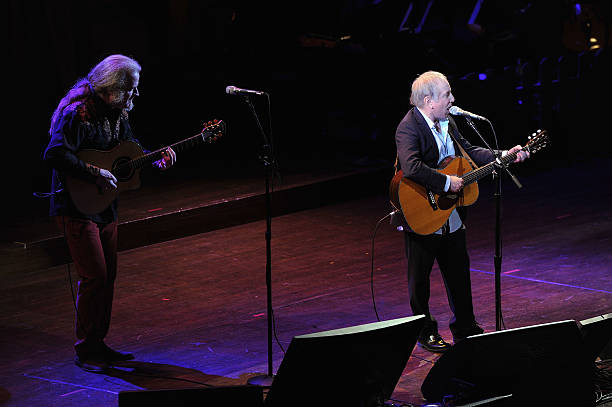
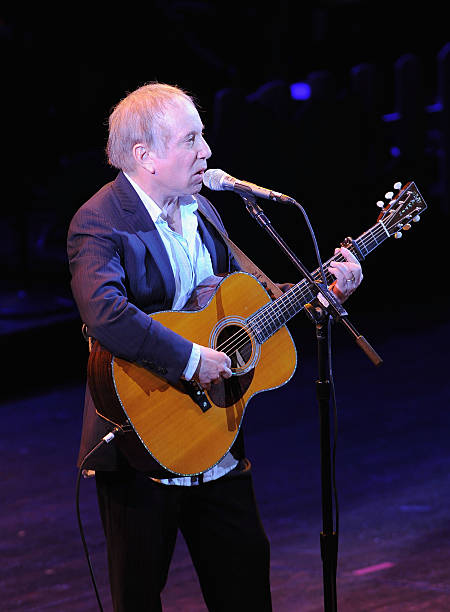
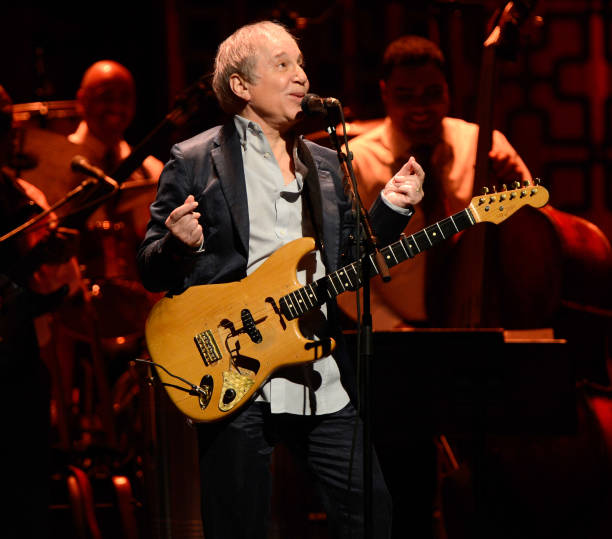
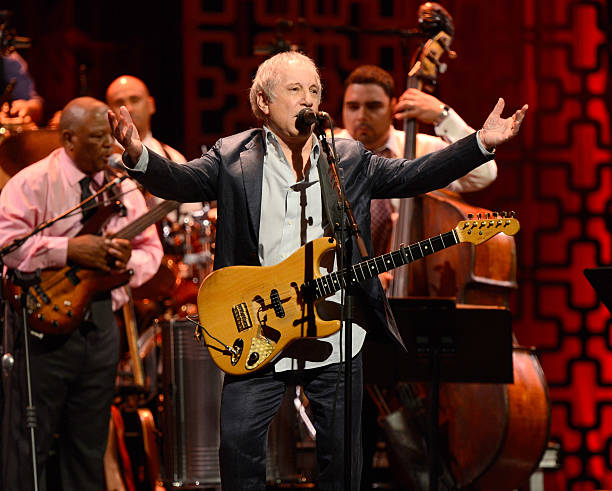
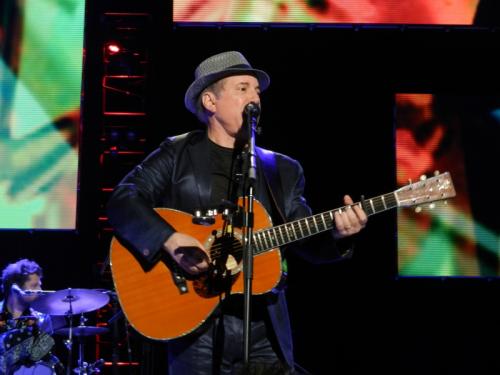
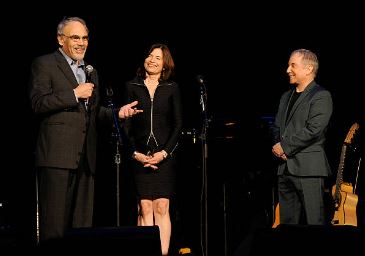
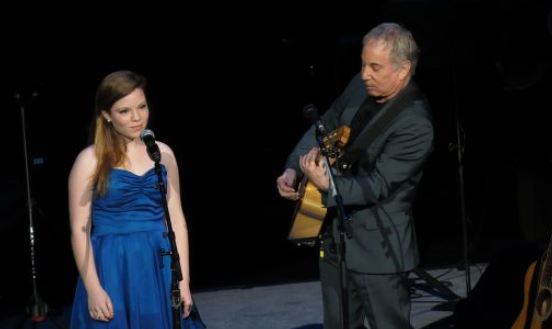
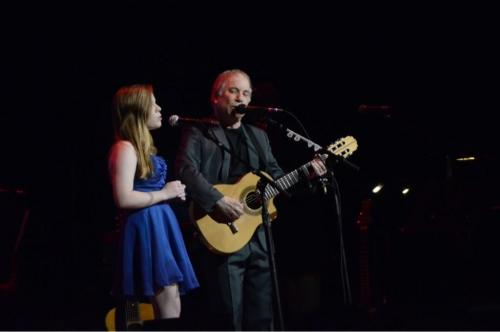
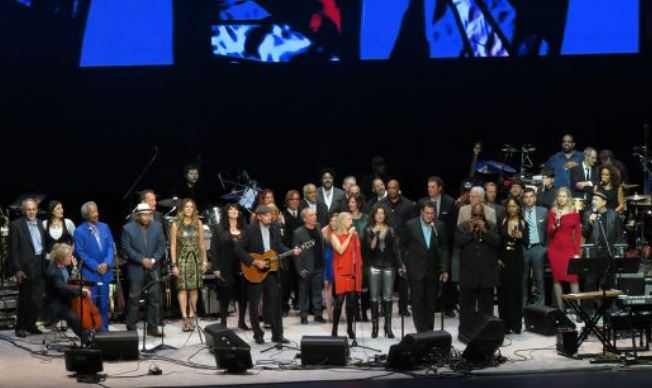
A Celebration Of Paul Newman's Dream To Benefit The SeriousFun Children's Network - ShowPaul Simon performs during a Celebration of Paul Newman's Dream to Benefit the SeriousFun Children's Network at Avery Fisher Hall, Lincoln Center |
|
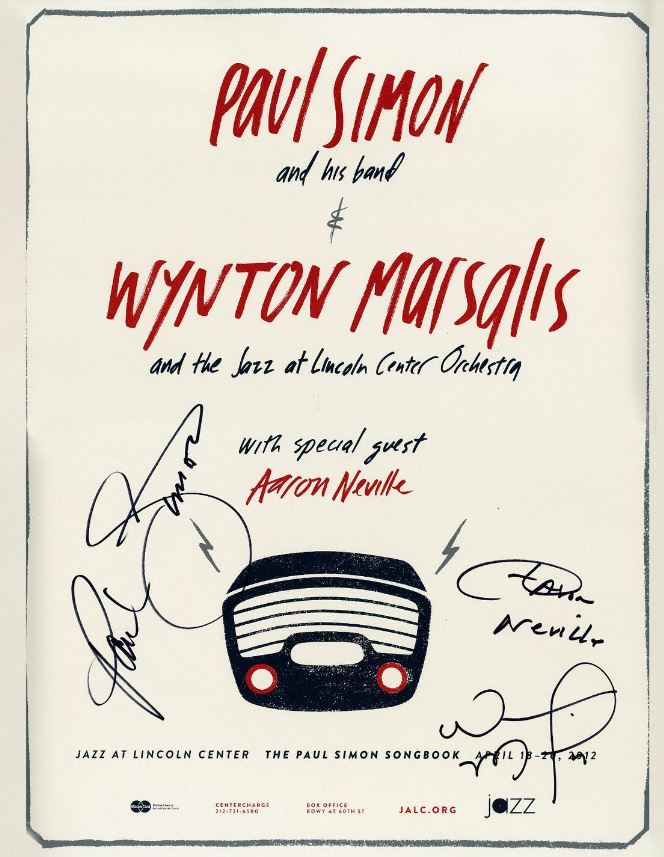
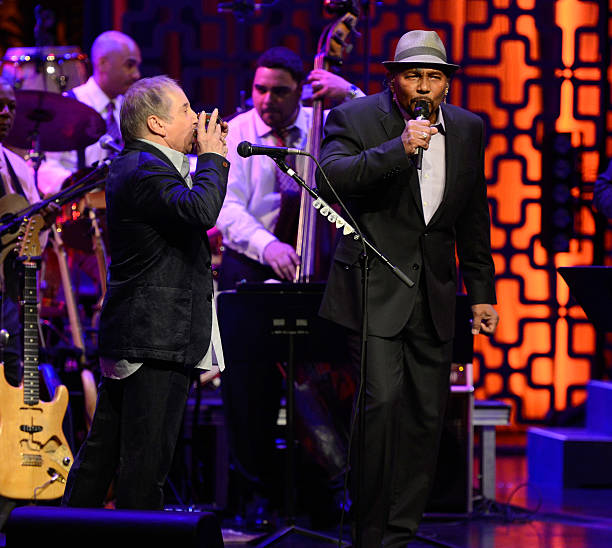
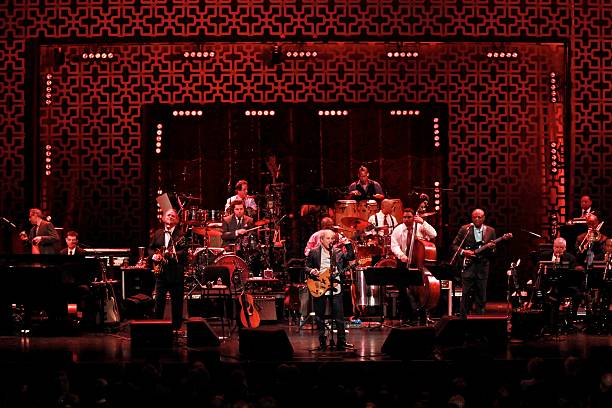
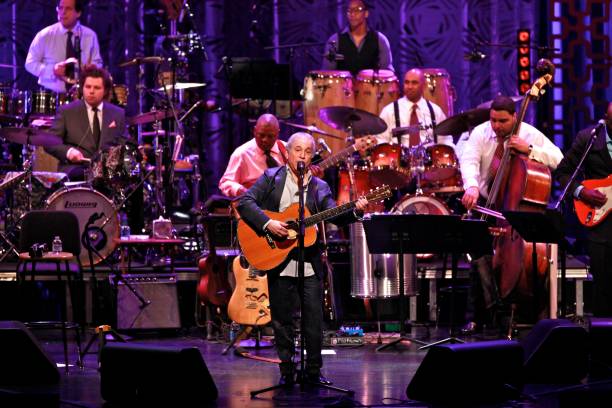
18 april19 april20 april |
New York, USA |
Lincoln Center |
|
MAY 2012 |
|||
02 may |
New York, USA |
Paul Simon Plays Intimate Show At Turkana Basin Institute Fundraiser |
 |
11 may |
New York |
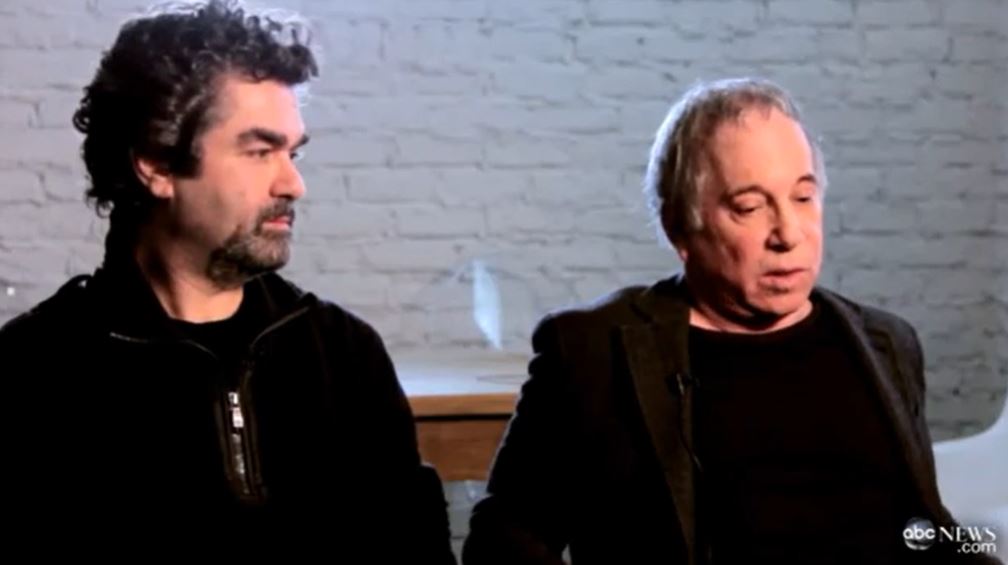
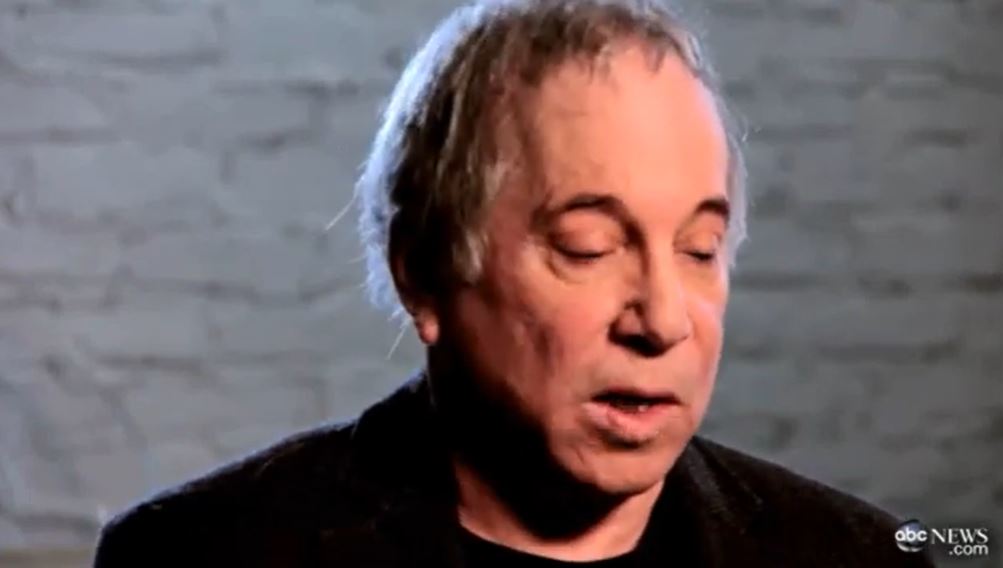
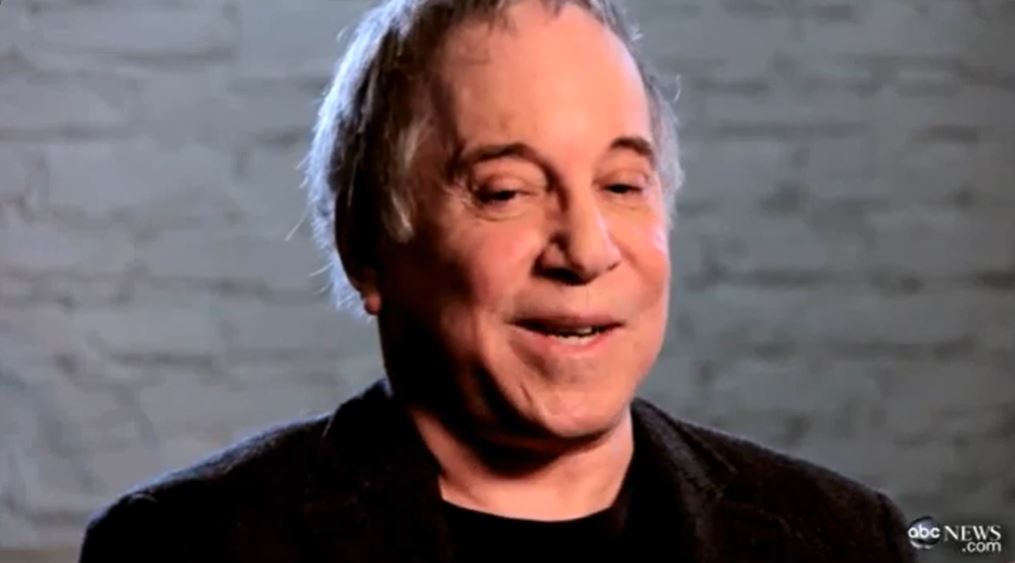
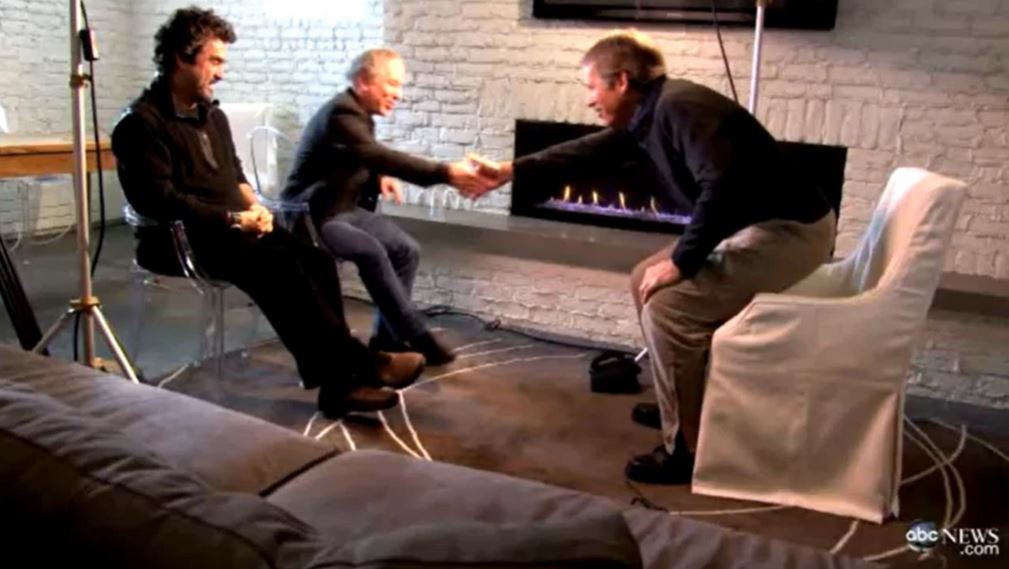
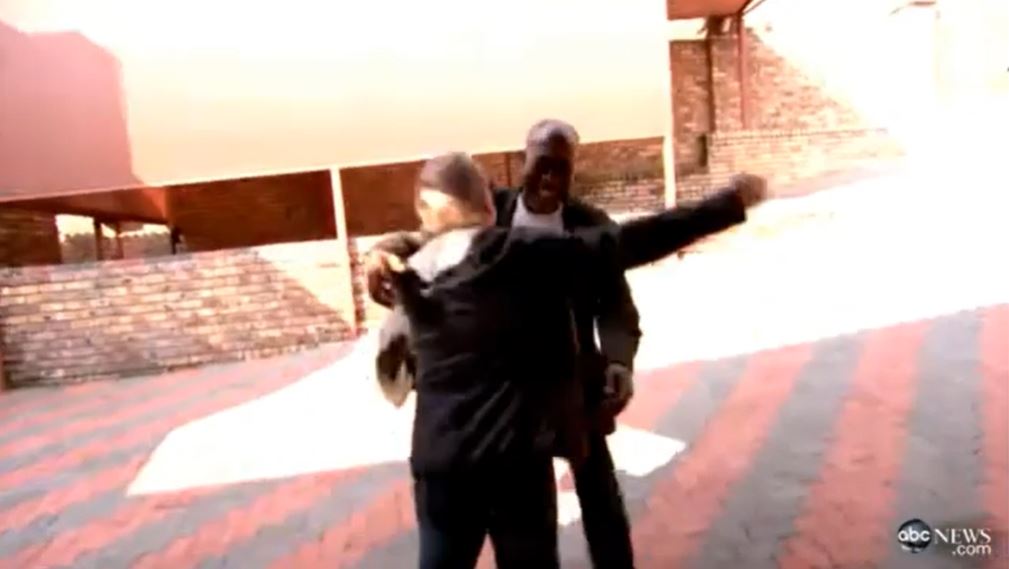
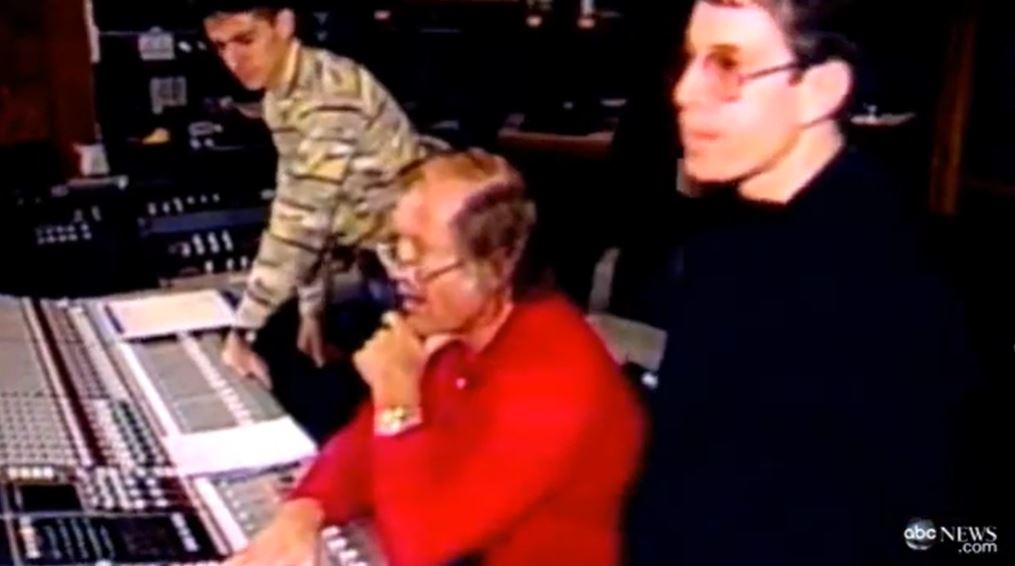
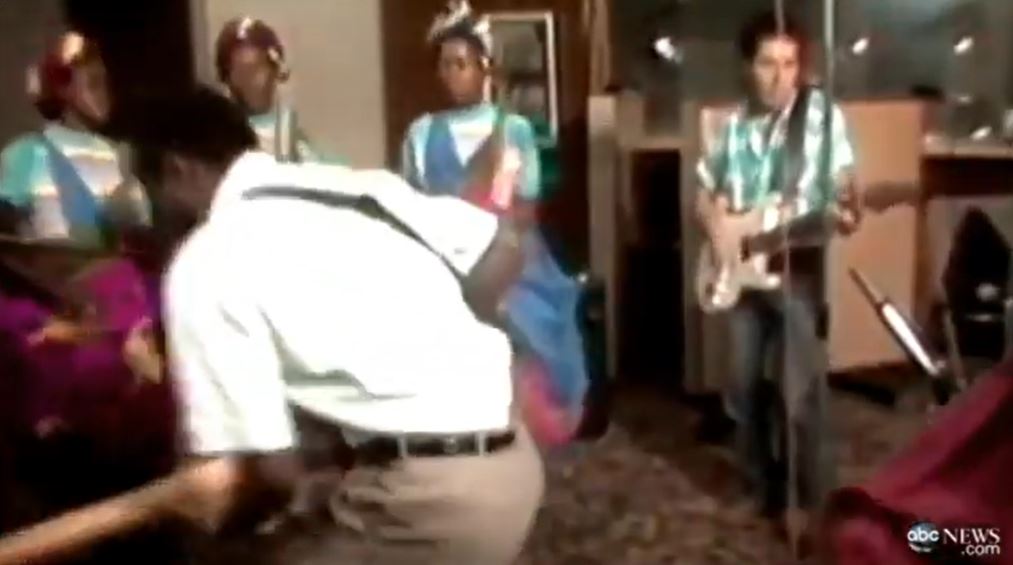
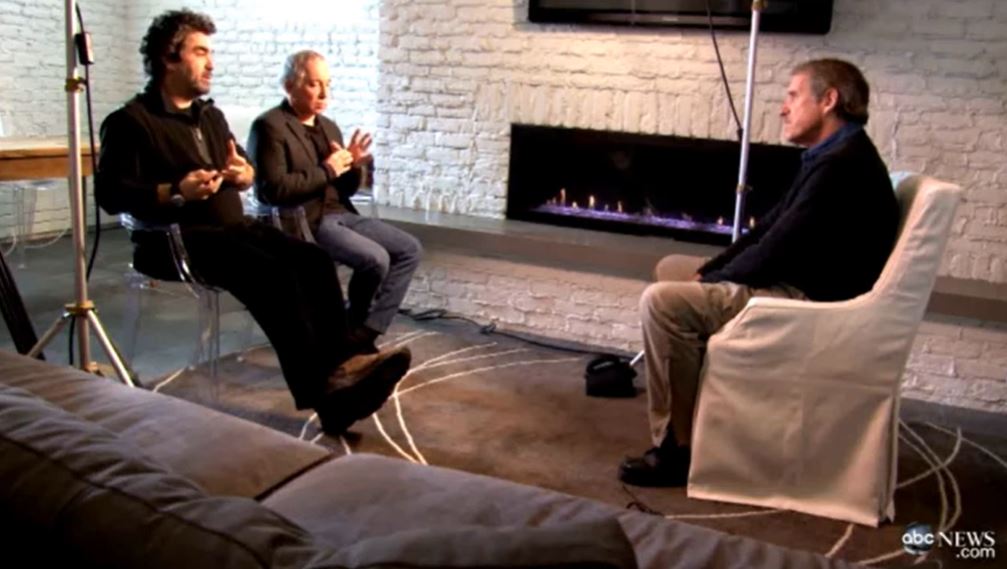
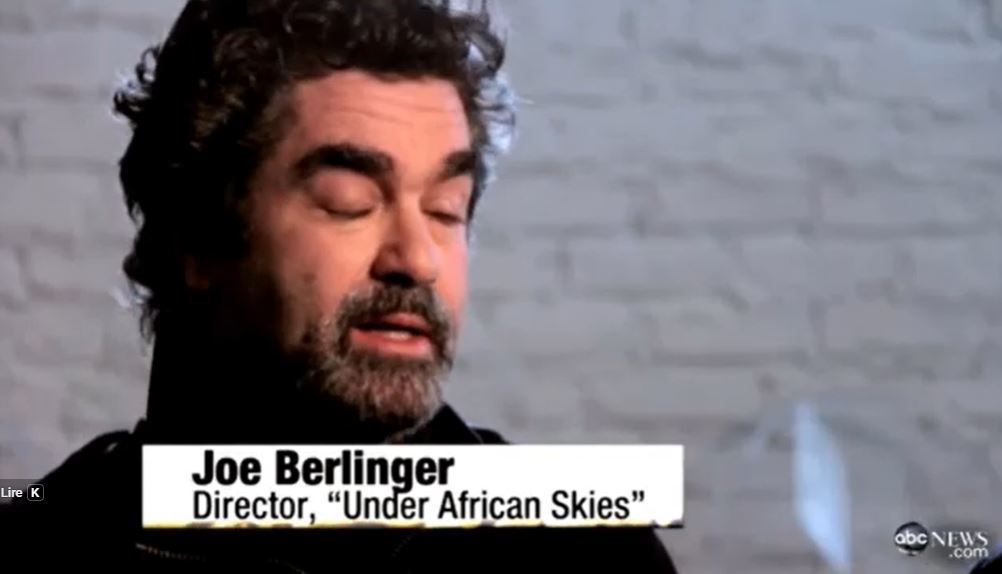
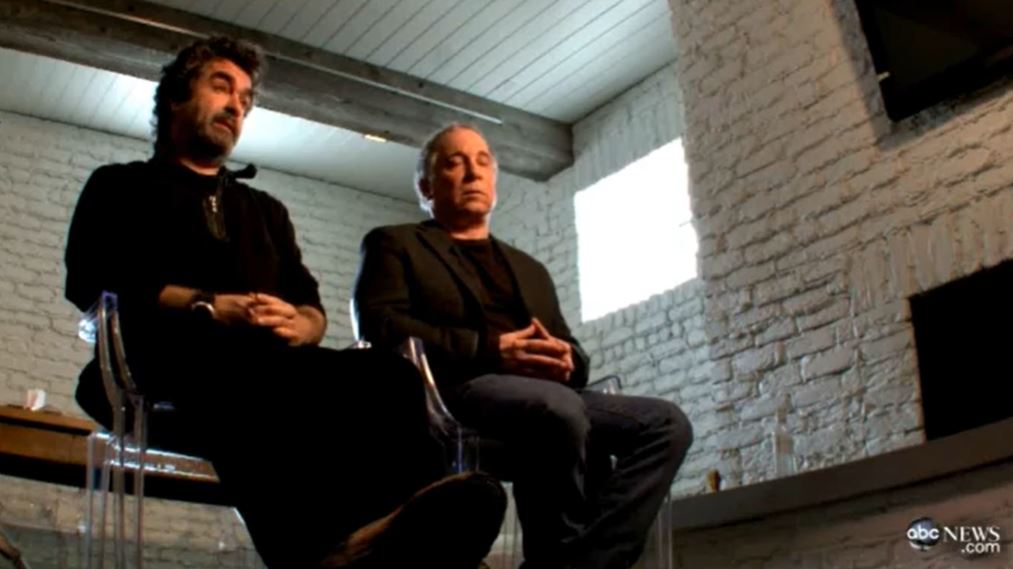
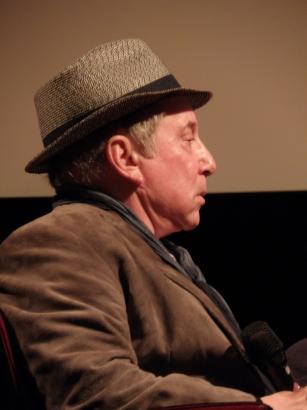
ABC NewsPaul Simon and Joe BerlingerThey discuss why Berlinger made the film: to revisit the story behind Graceland—both the creative process and the political controversy that followed. A central topic is the criticism that Simon broke the cultural boycott during apartheid by collaborating with South African musicians. In response, Simon emphasizes the intent and nature of the project as a musical collaboration with artists rather than support for a regime, while acknowledging how intense and divisive the debate was at the time.Berlinger and Simon frame the documentary as a way to add nuance and historical context, bringing in perspectives from musicians involved in the recordings and voices connected to the period’s political activism. They also highlight the long-term cultural impact of Graceland: its role in introducing South African sounds to global audiences and the way it continues to spark discussion about ethics, cultural exchange, and politics.The interview also touches on the emotional dimension of revisiting this history years later, including Simon’s return to South Africa and reflections on what the collaboration meant for the people involved and for the album’s legacy. |
|
26 may |
Greenwich, Connecticut, USA |
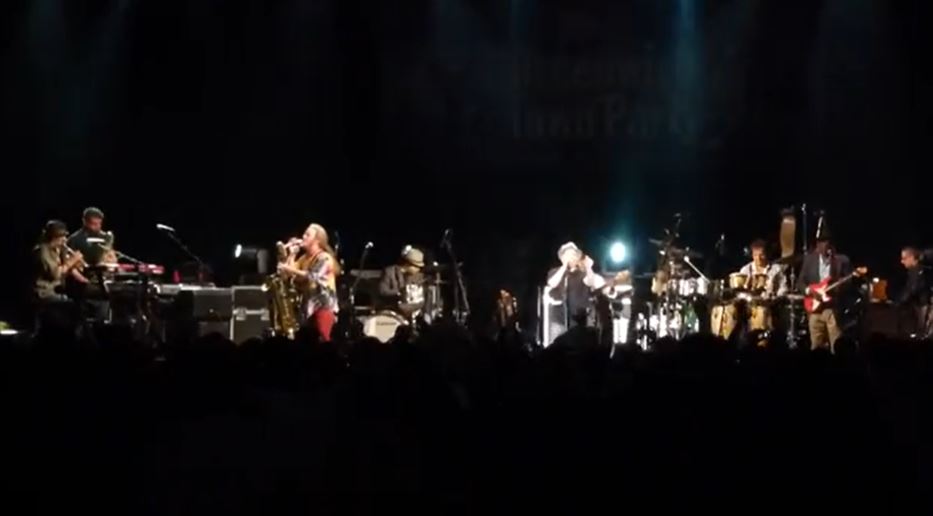
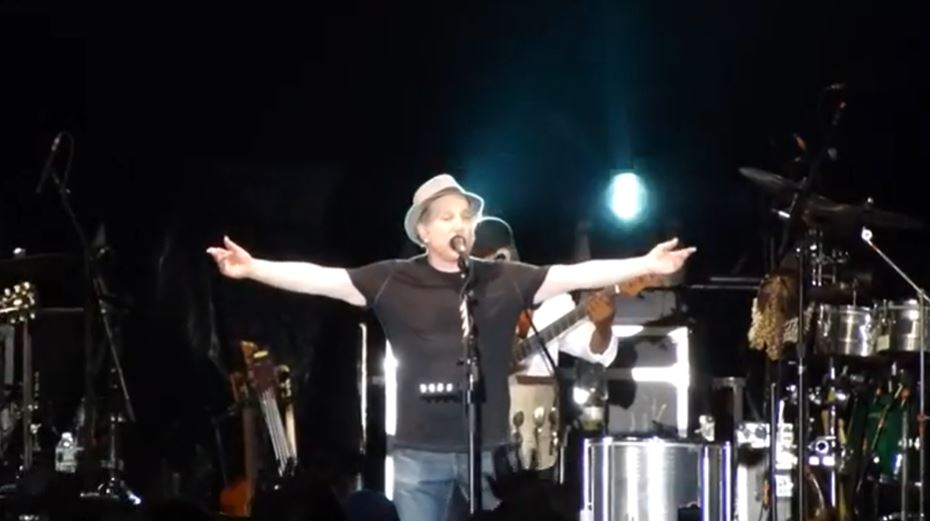
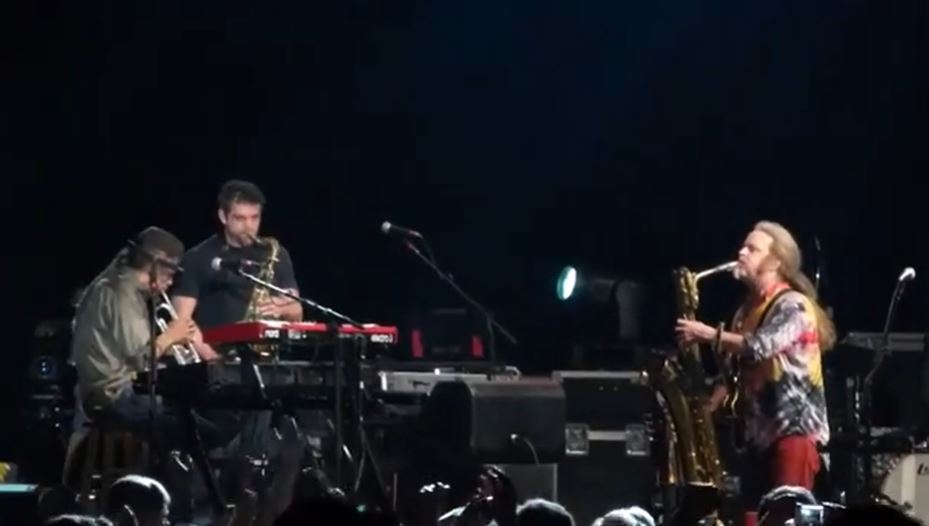
Greenwich Town PartyRoger Sherman Baldwin Park |
|
30 may |
New York |
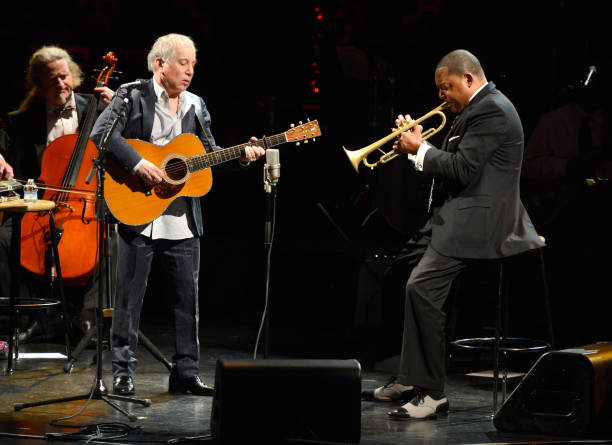
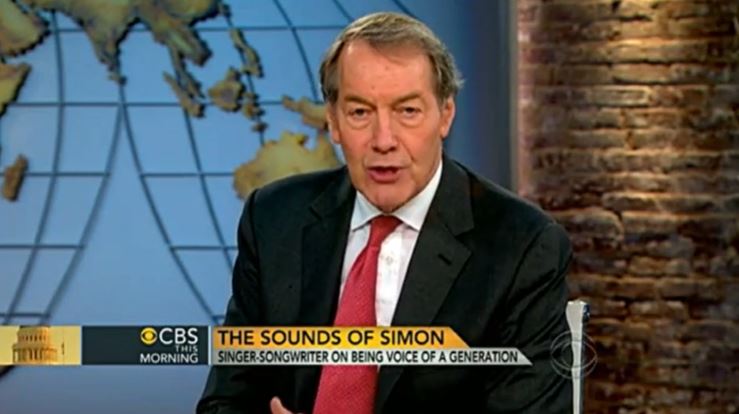
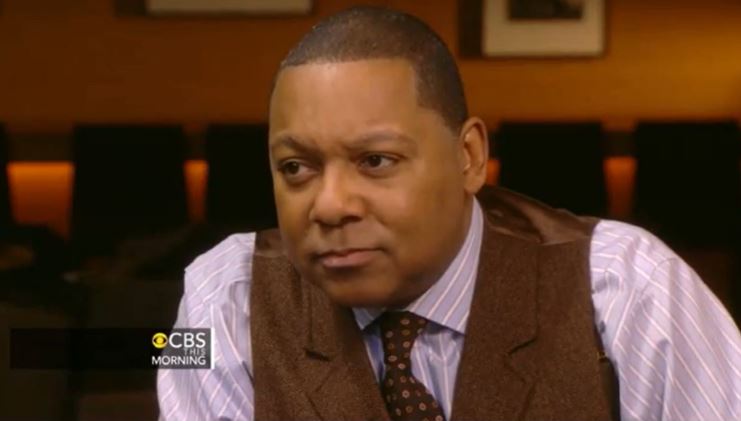
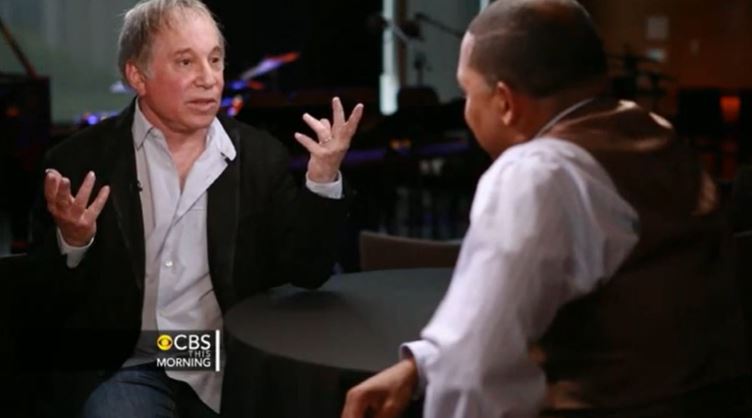
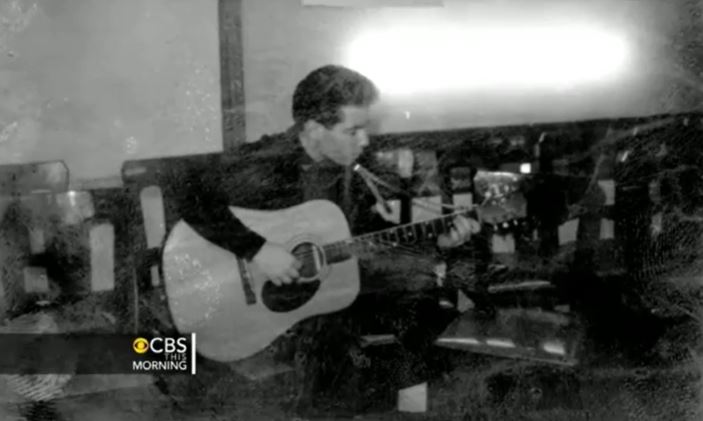
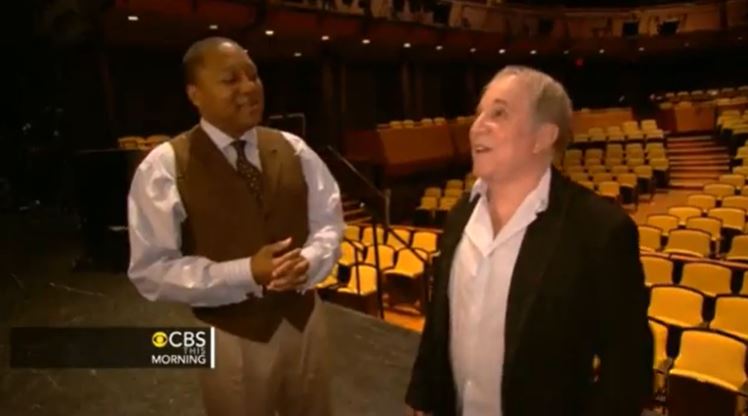
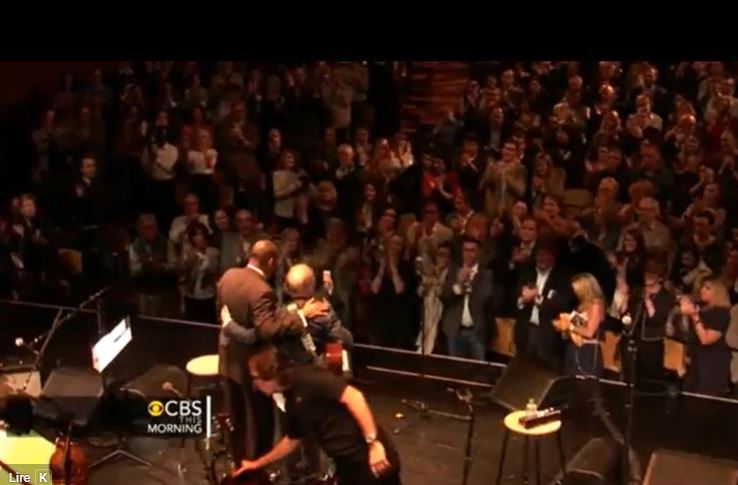
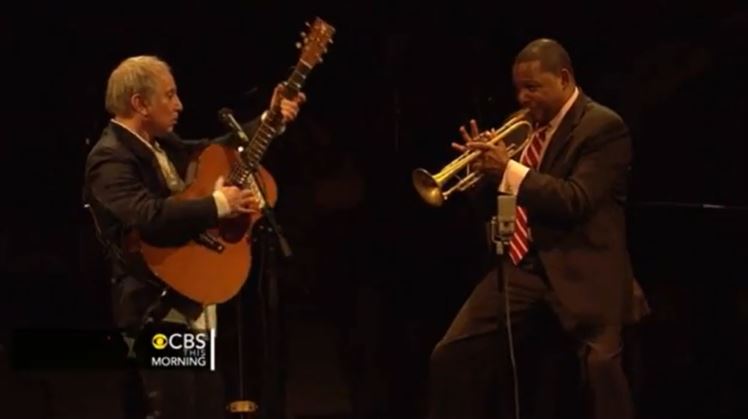
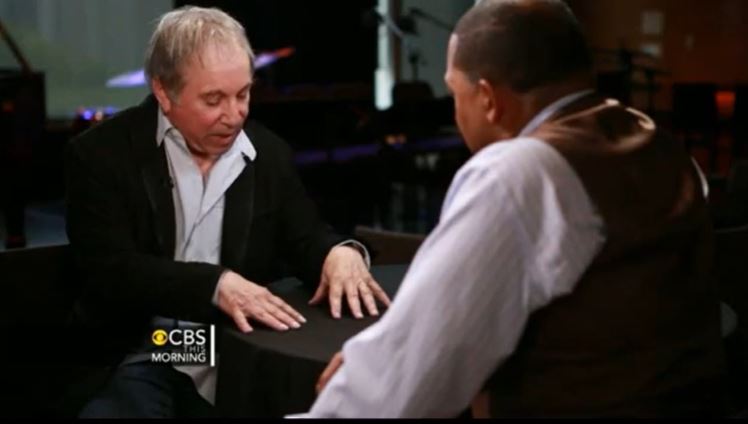
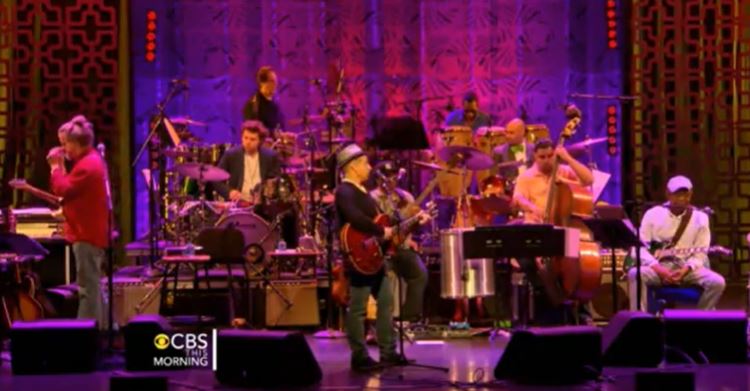
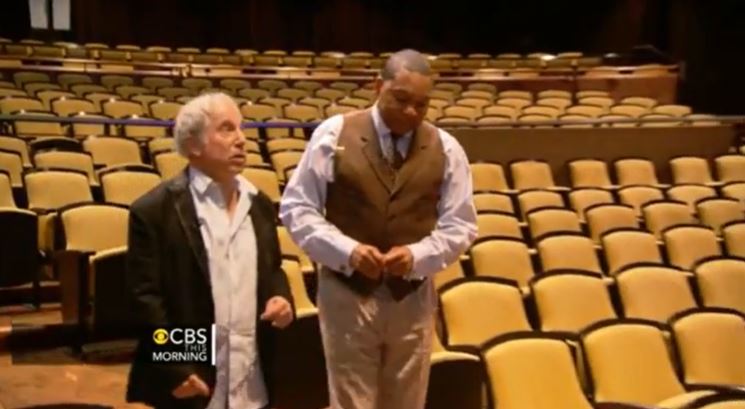
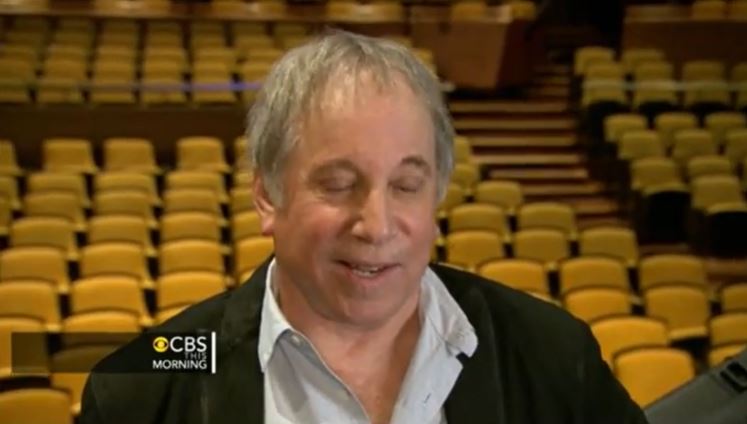
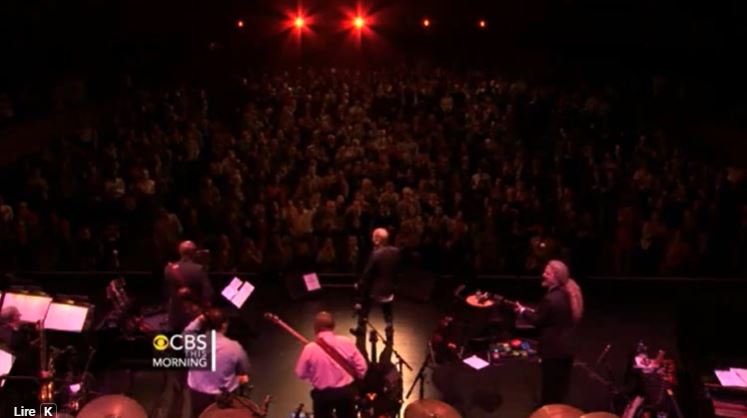
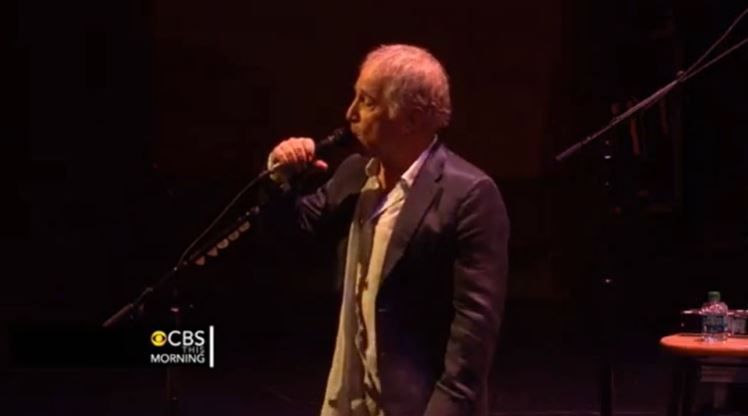
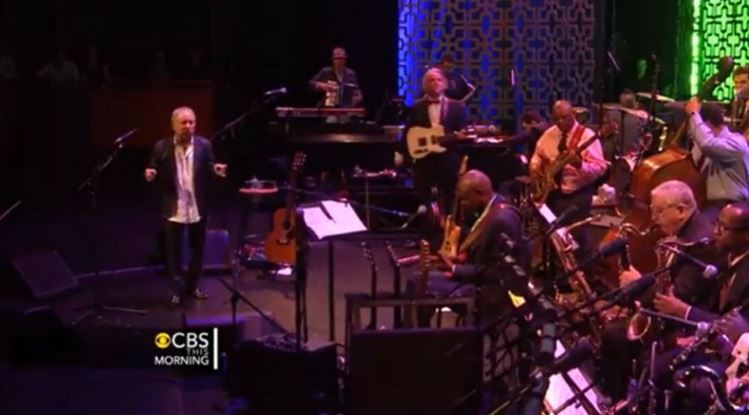
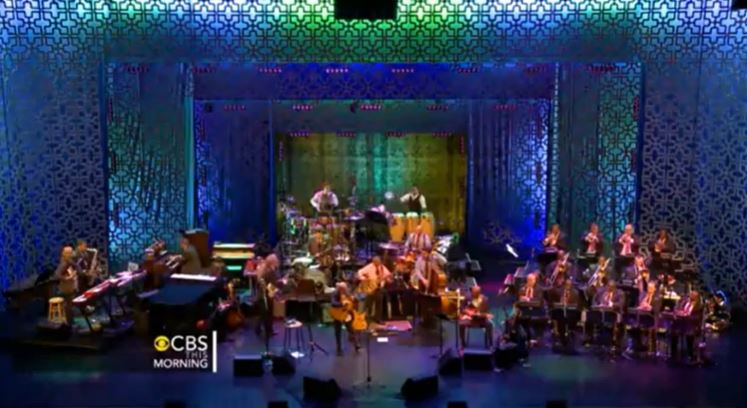
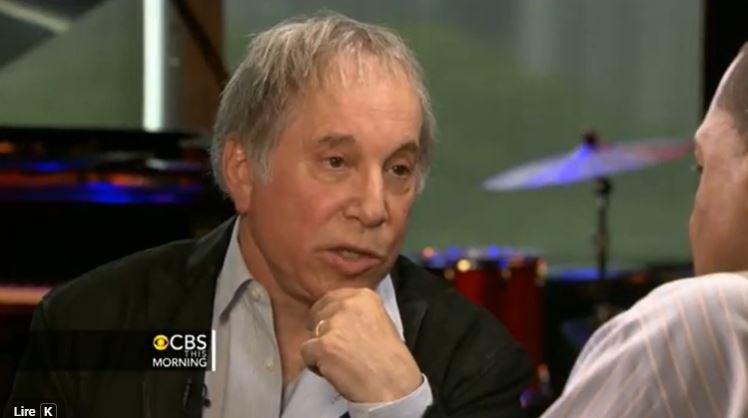
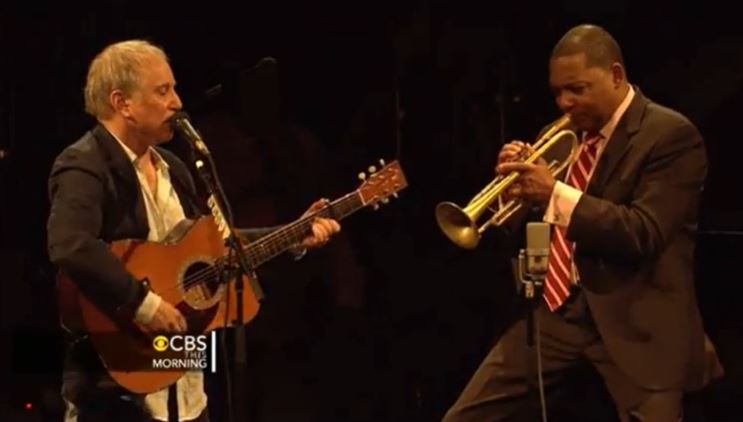
1) A musician-to-musician conversationThe segment is framed as a conversation between two musicians: Wynton Marsalis (CBS cultural correspondent and renowned jazz artist) sits down with Paul Simon to talk about how songs are made and what “inspiration” really means in Simon’s work.Anecdotal flavor: CBS emphasizes that Marsalis approaches Simon as a peer, which gives the exchange a craft-focused tone rather than a typical celebrity interview.2) Simon on how his relationship with “hits” changedThe key idea (quoted in the CBS write-up): Simon says that when he was in his 20s and 30s, he felt that his own internal quality-meter matched the public’s—if he thought something was truly good, people agreed.He then explains that this alignment doesn’t necessarily hold later, but that he’s made peace with it—his focus shifted away from chasing mass approval.3) The core principle: artistic honesty (“without lying”)Simon describes his current priority as what he can make now and how to do it “without lying.”Anecdote/insight: instead of offering a “formula” for a hit, he talks like a craftsman—stressing integrity, clarity of intent, and making something that feels true, even if it doesn’t land as a mainstream smash.4) CBS situates Simon as a maker of modern standardsTo underline why this matters, CBS briefly reframes Simon as a defining American pop songwriter over decades, citing classics such as “The Sound of Silence,” “50 Ways to Leave Your Lover,” and “You Can Call Me Al.”5) “Behind the scenes”: part of a broader set of clipsCBS indicates this was a full CBS This Morning report (with studio context around the interview).There are also related clips from the same Marsalis/Simon material—for example “Paul Simon’s First ‘Hit’”, where Simon discusses an early song (“The Girl For Me”). |
|
30 may |
Greenwich, Connecticut, USA |
Roger Sherman Baldwin Park |
|
JUNE 2012 |
|||
05 june |
NEW YORK, NY |
Under African Skies: Paul Simon's Graceland JourneyJoe Berlinger, Paul Simon and Bob Costas attend "Under African Skies: Paul Simon's Graceland Journey" at Ziegfeld Theater |
|
06 june |
San Francisco, USA |
Davies Symphony Hall (2012 Black and White Ball) |
|
15 june |
New York, USA |
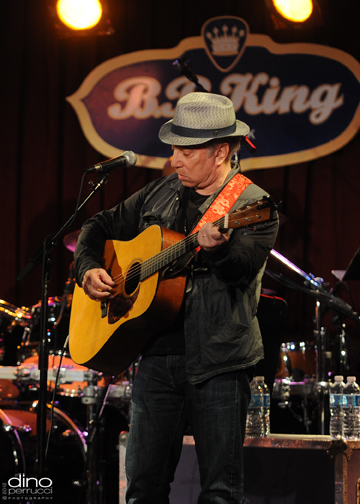
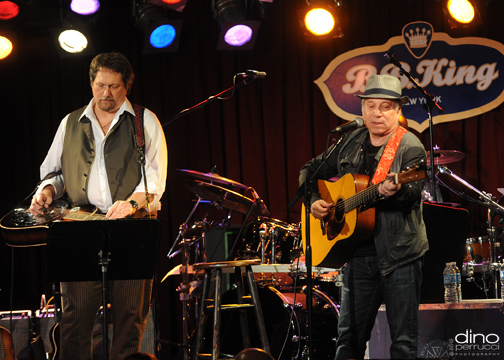
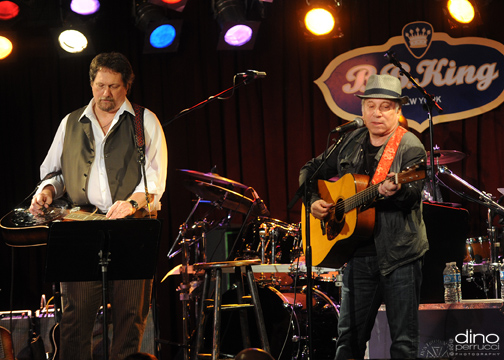
BB King Blues Club (con Jerry Douglas Interpretó"The Boxer") |
 |
05 june |
New York |
Paul Simon attends "Under African Skies: Paul Simon's Graceland Journey" at Ziegfeld Theater |
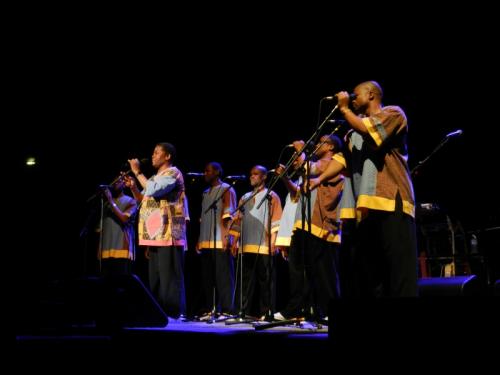
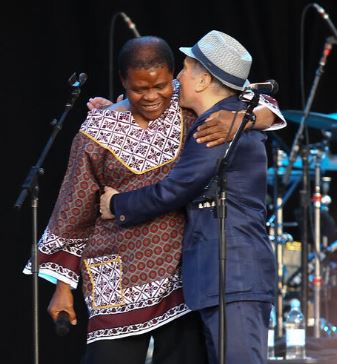
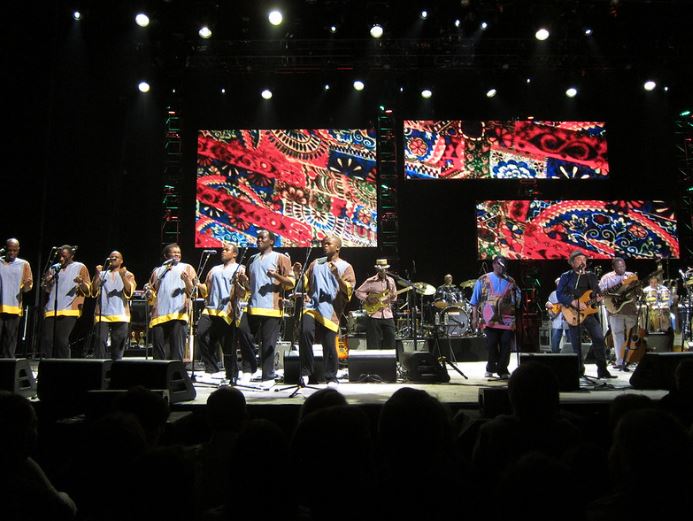
Ladysmith, Paul Simon and Joe Berlinger
|
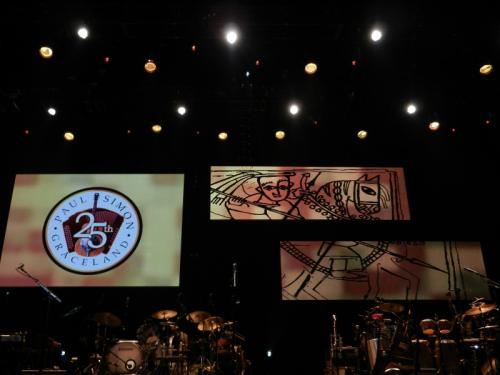
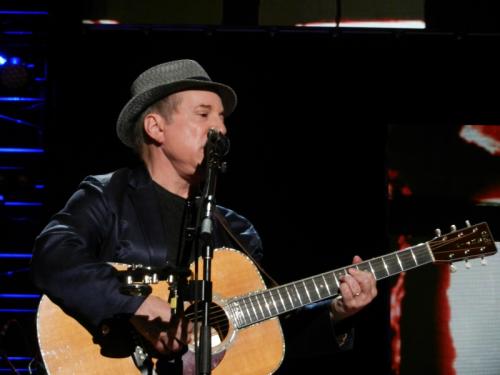
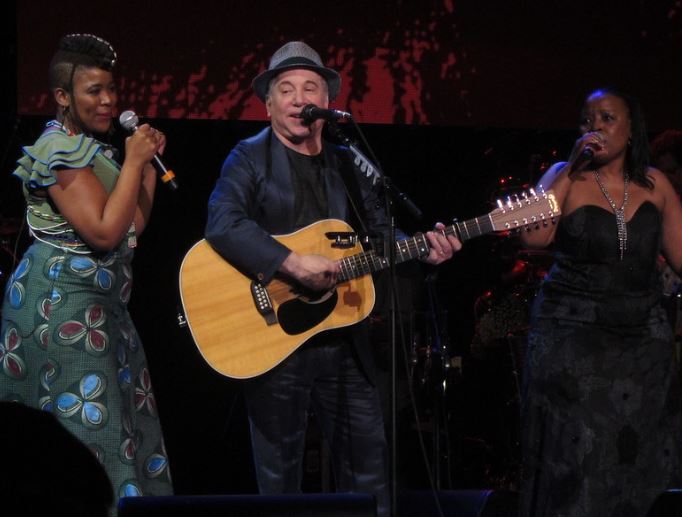
25th Graceland Tour 2012
|
|||
JULY 2012 |
|||
09 july |
Manhattan, New York |
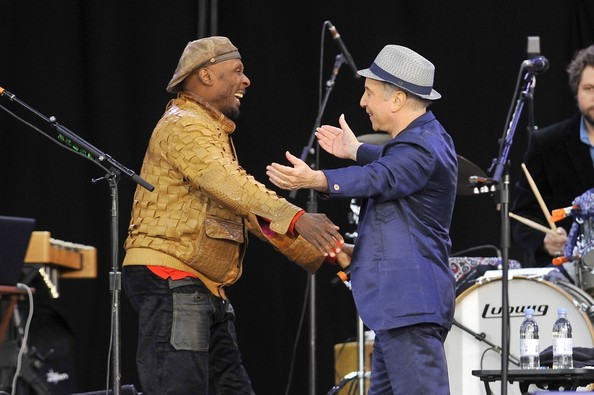
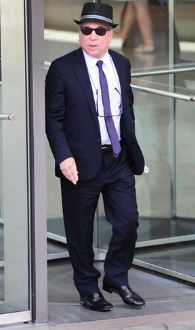
Paul Simon following a memorial service for writer and filmmaker Nora Ephron at Lincoln Center's Alice Tully Hall |
 |
12 july |
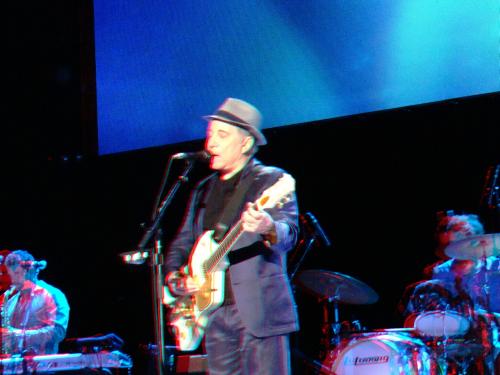
Dublin, Ireland |
|
|
13 july |
Dublin, Ireland |
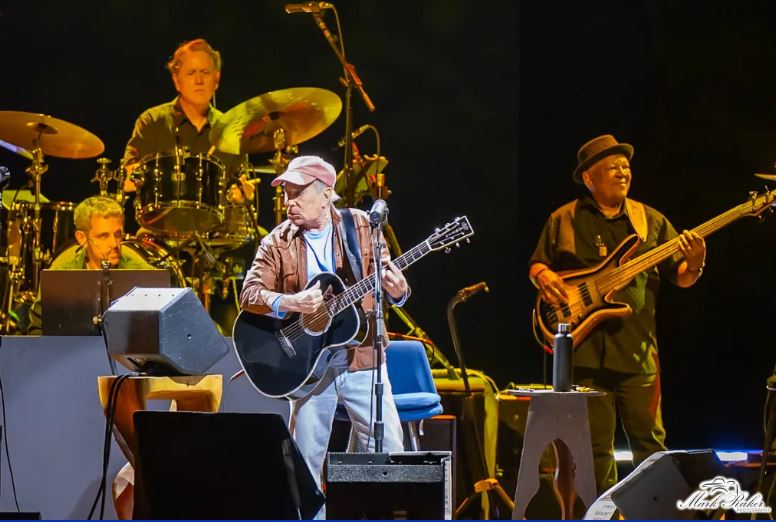
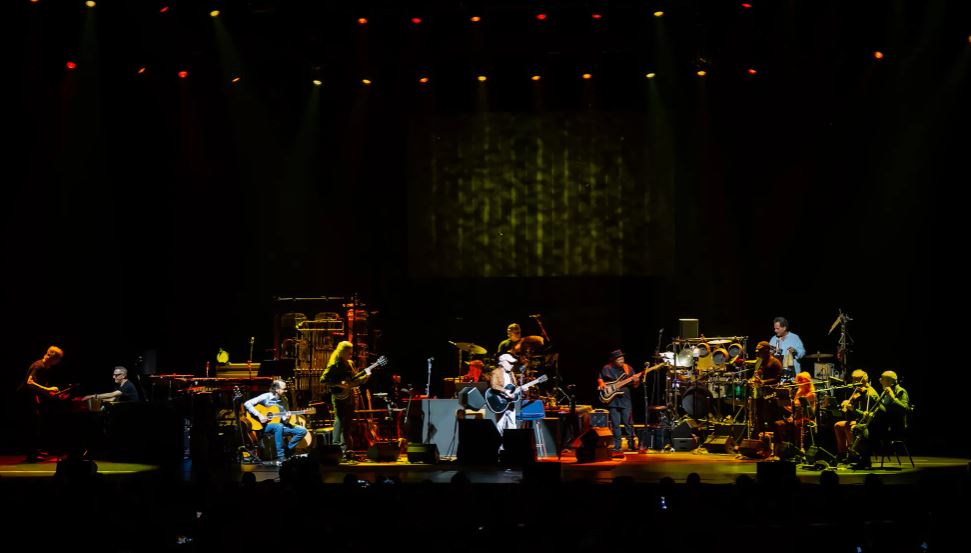
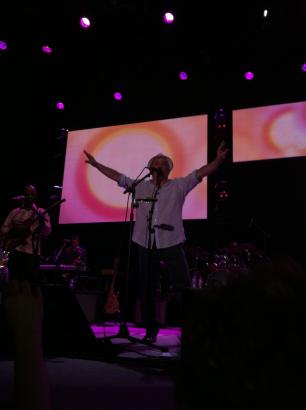
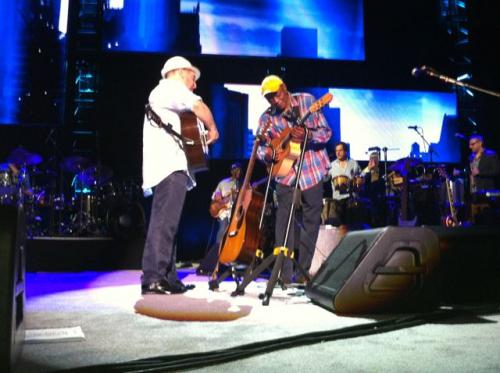
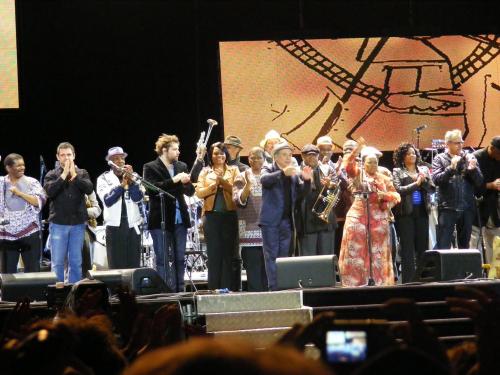
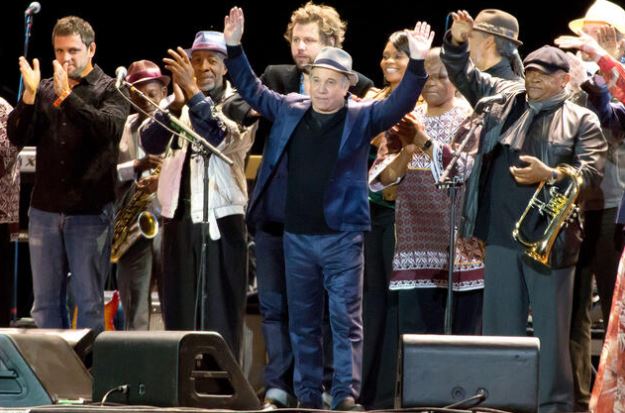
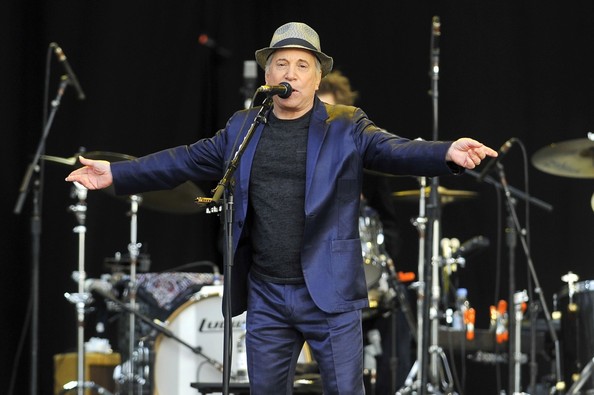
The O2 |
|
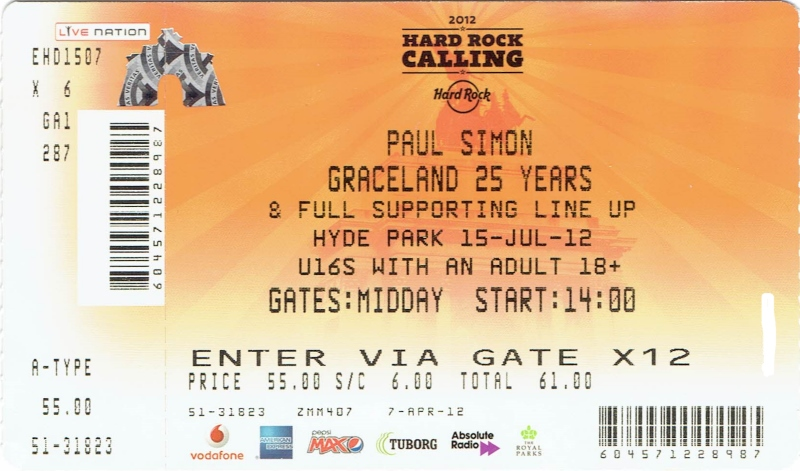
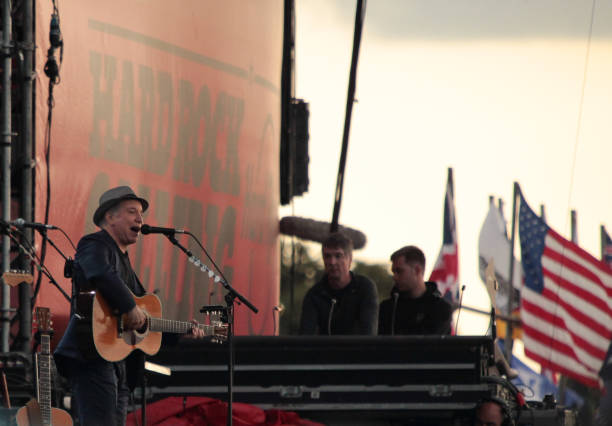
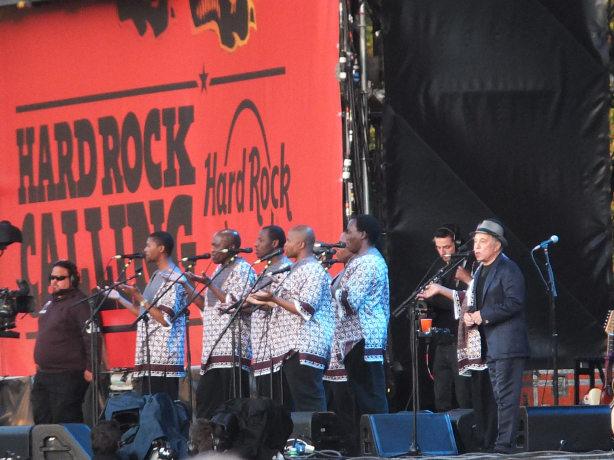
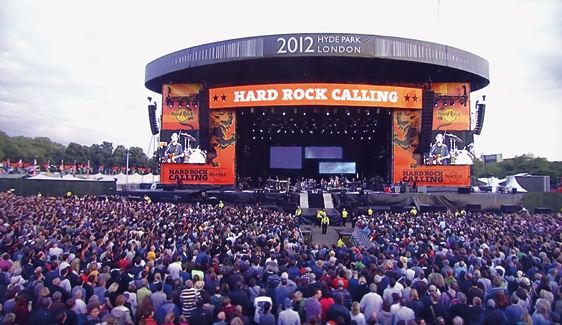
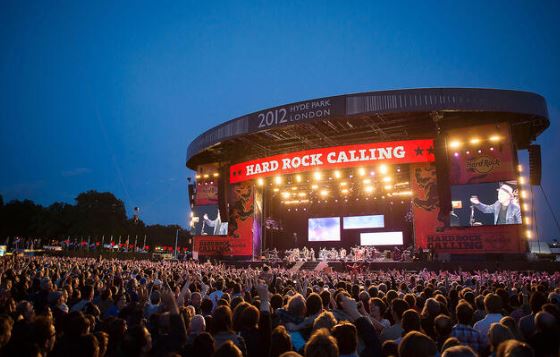
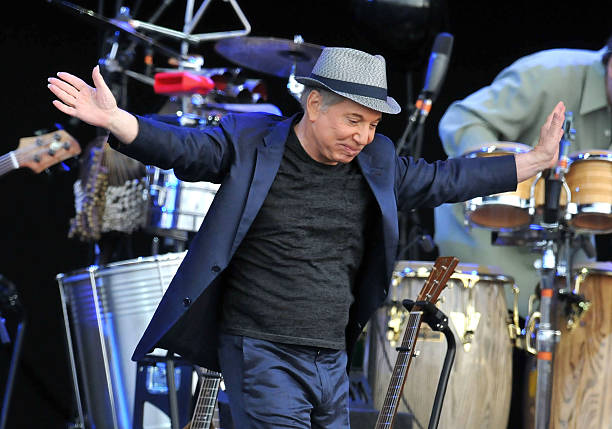
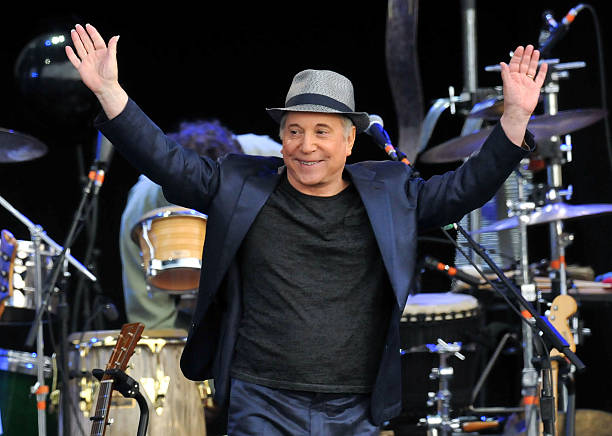
15 july |
London, U.K |
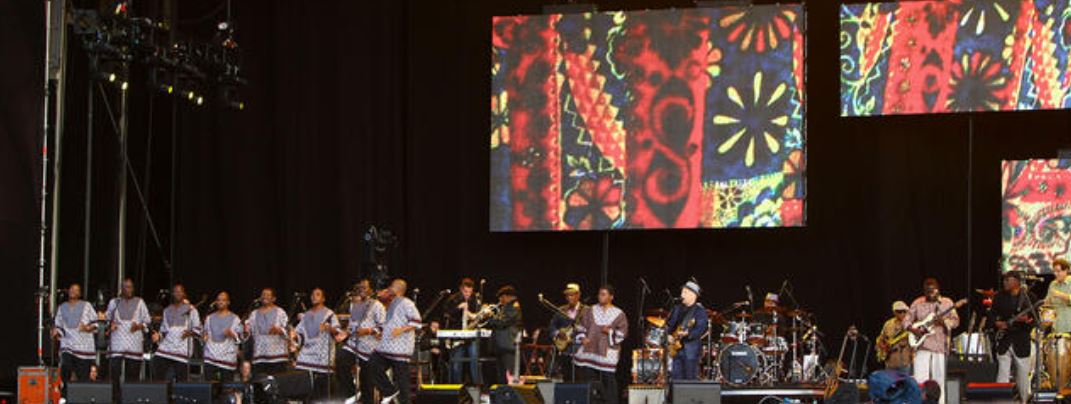
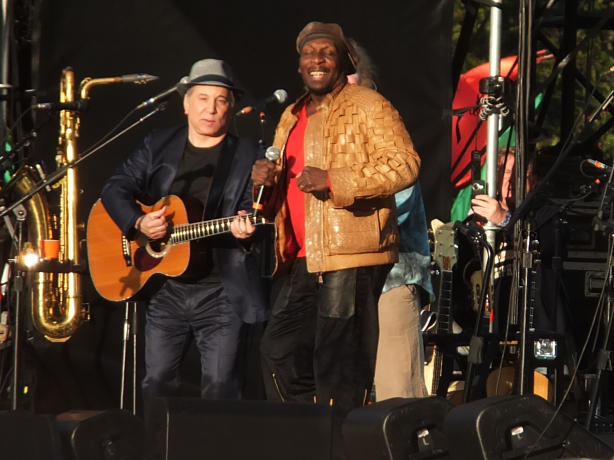
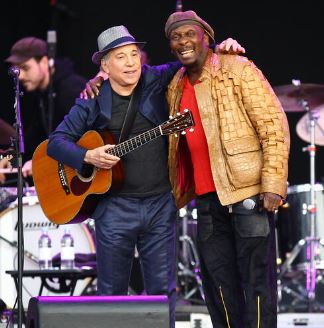
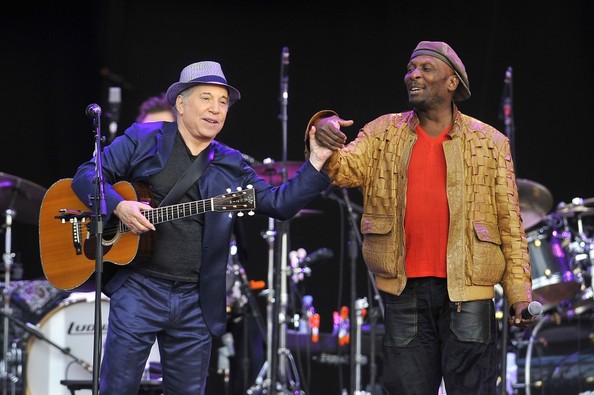
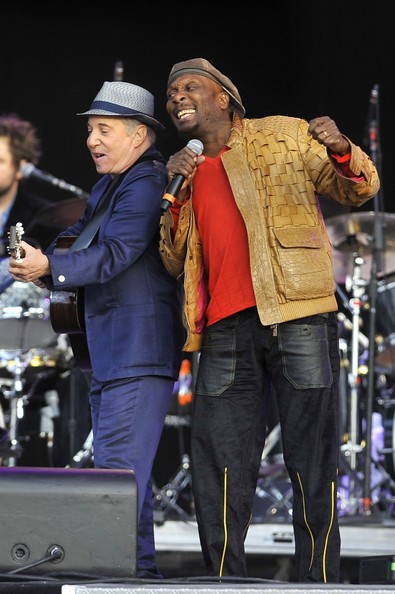
Hyde Park |
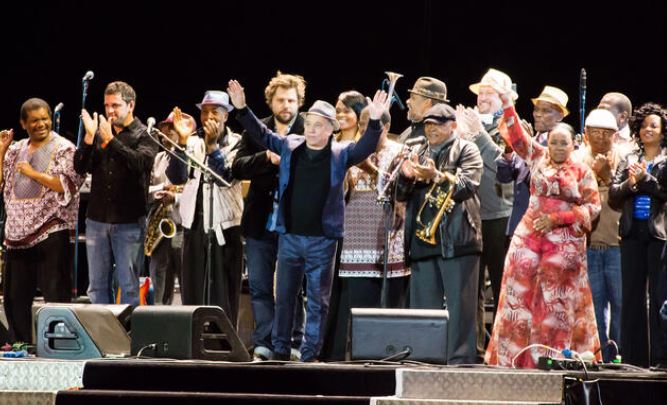
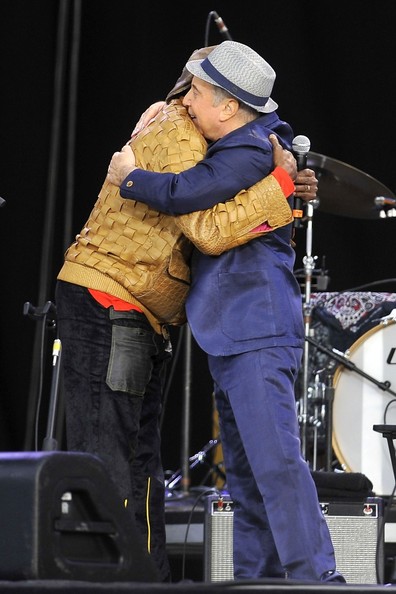
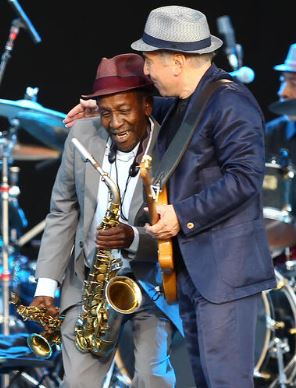
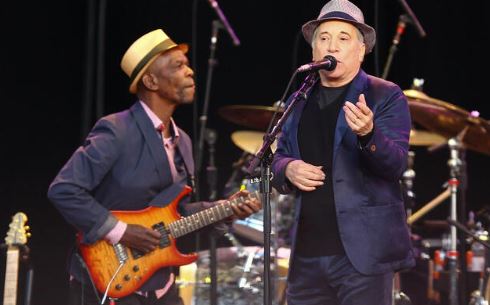
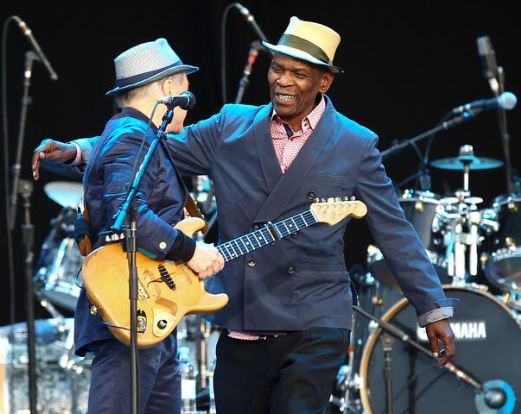
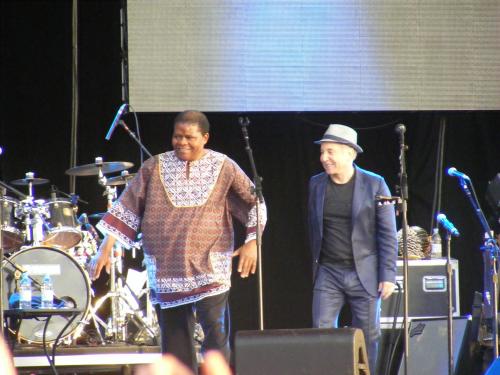
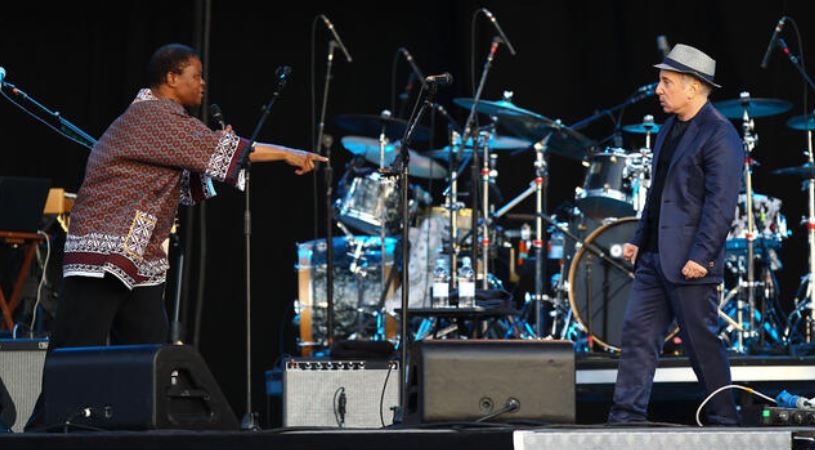
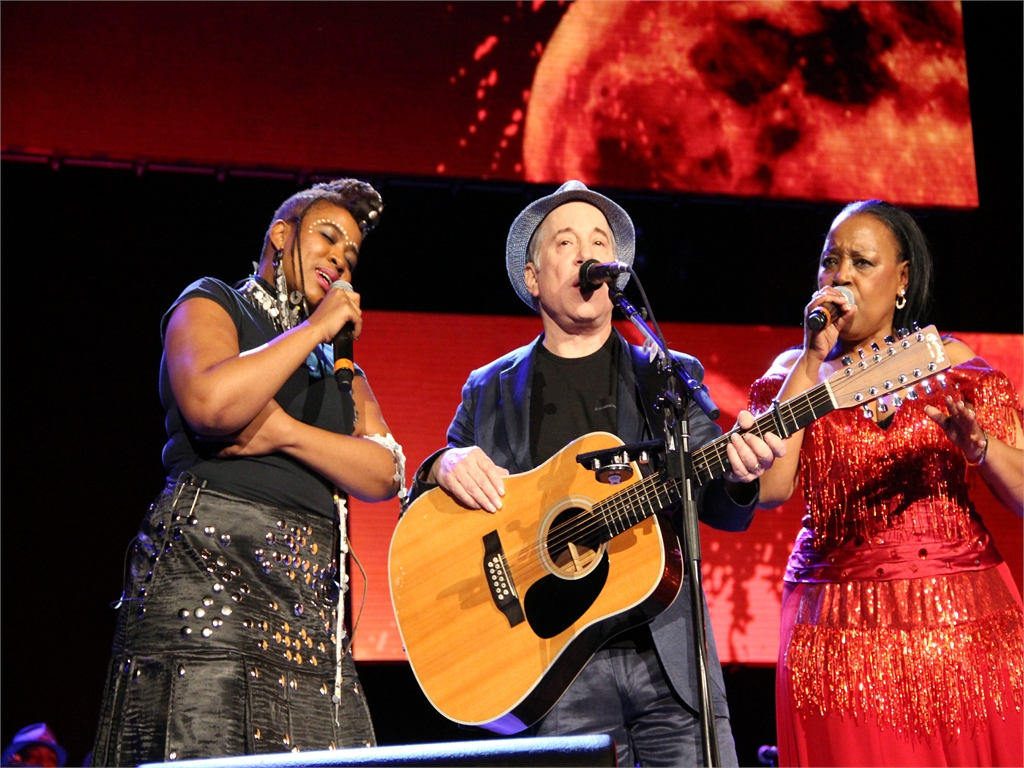
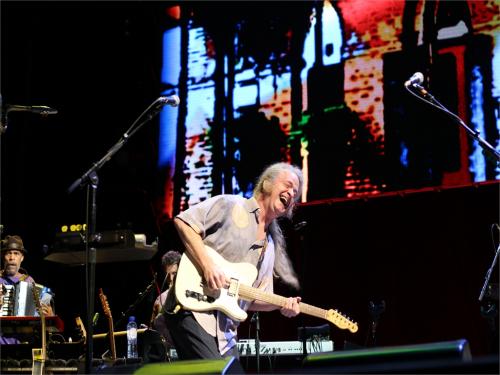
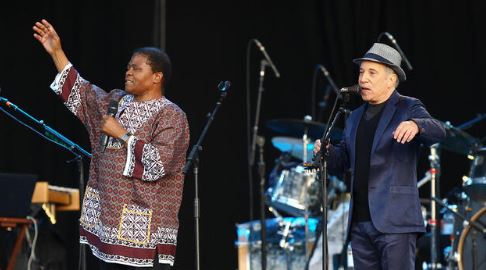
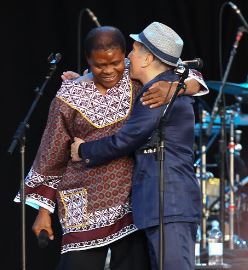
Paul Simon and Ray Phiri
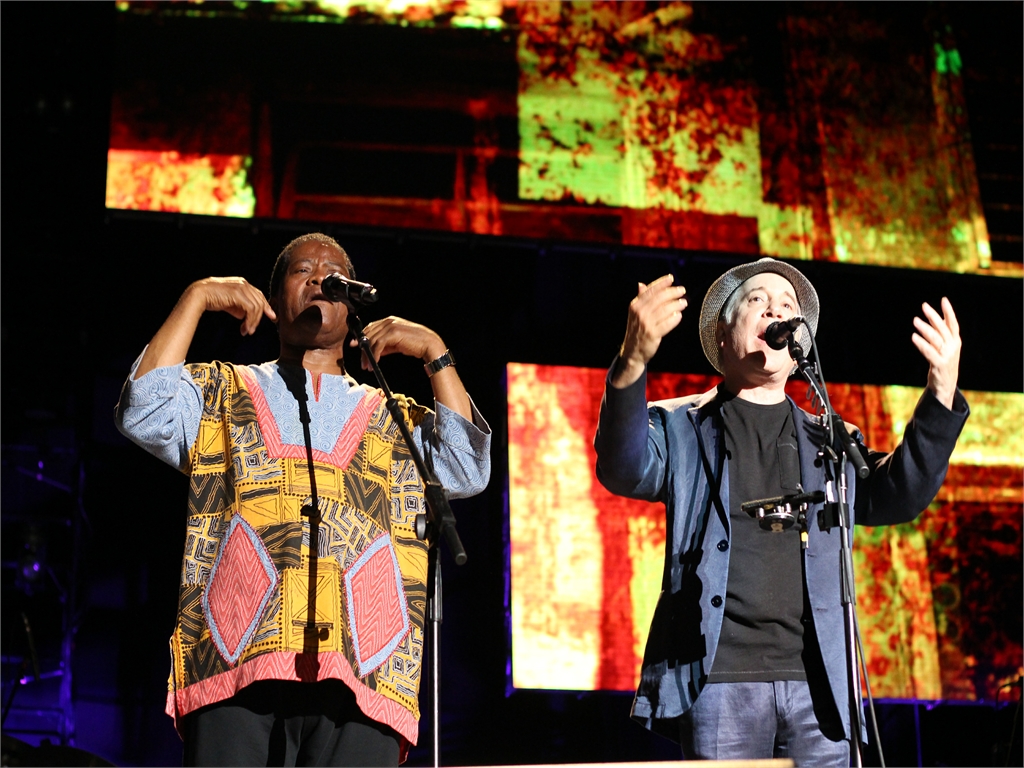
Paul Simon and Joseph Tshabalala |
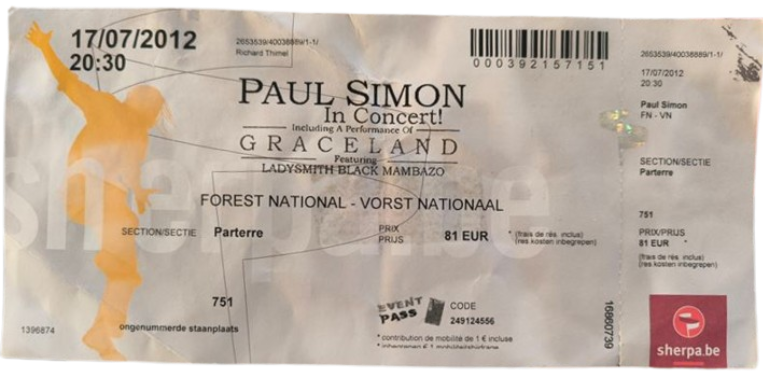
17 july |
Brussels, Belgium |
|
|
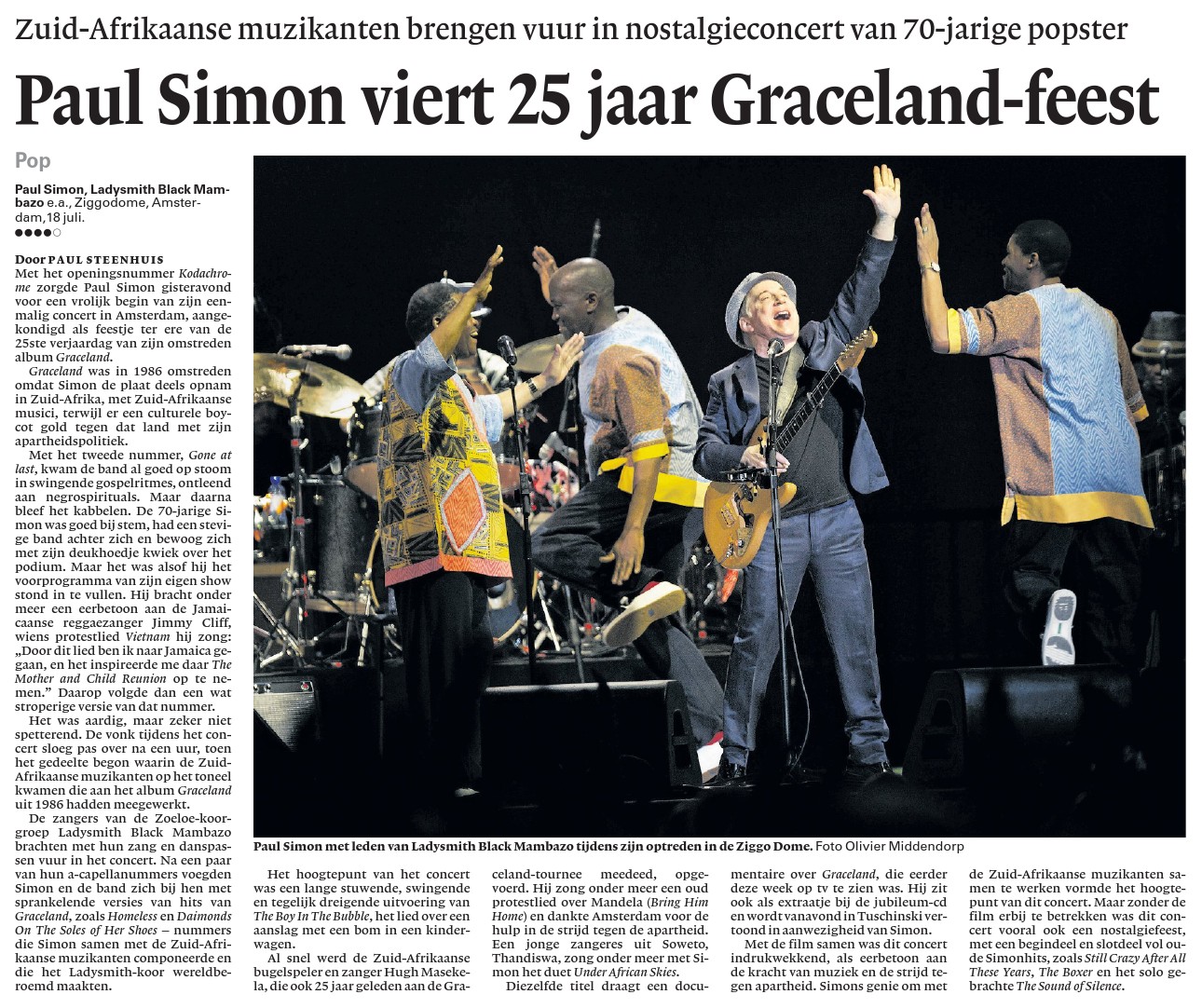
18 july |
Amsterdam, The Netherlands |
|
|
20 july |
Herning, Denmark |
Boxen |
|
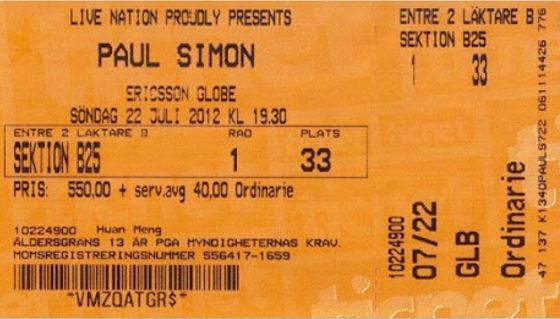
22 july |
Stockholm, Sweden |
The Globe
|
 |
24 july |
Oslo, Norway |
 |
|
26 july |
Bergen, Norway |
||
AUGUST 2012 |
|||
27 aug |
Stockholm |
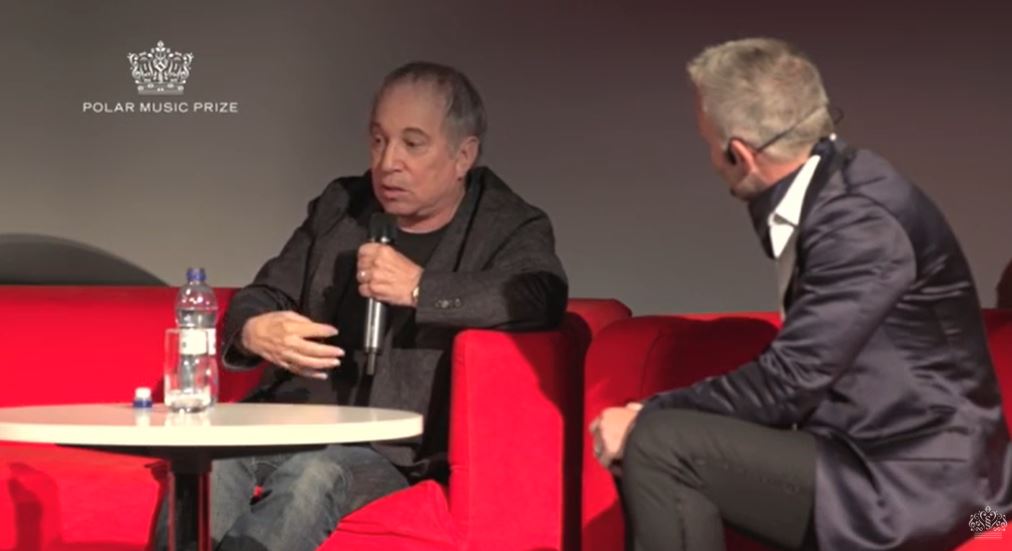
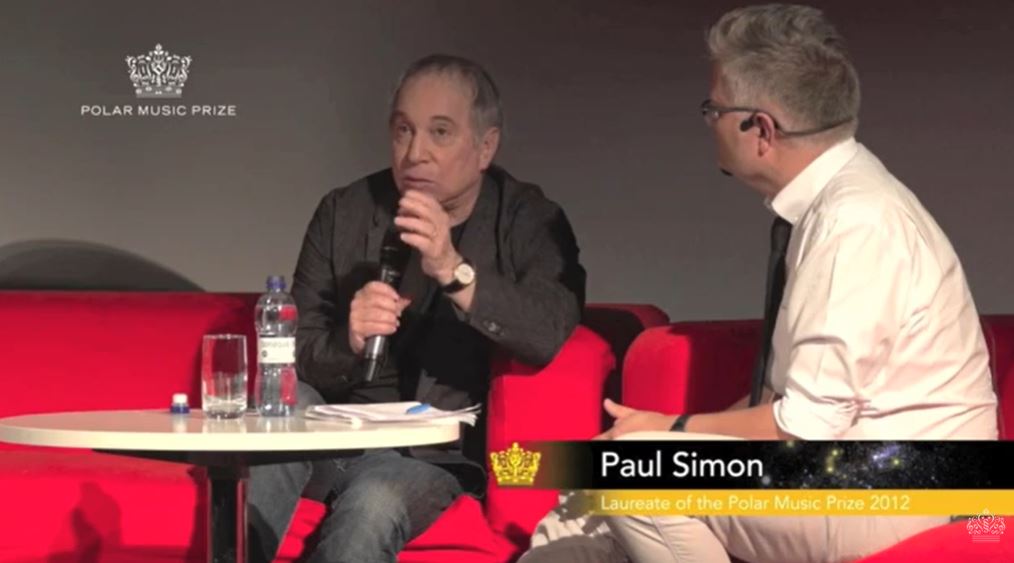
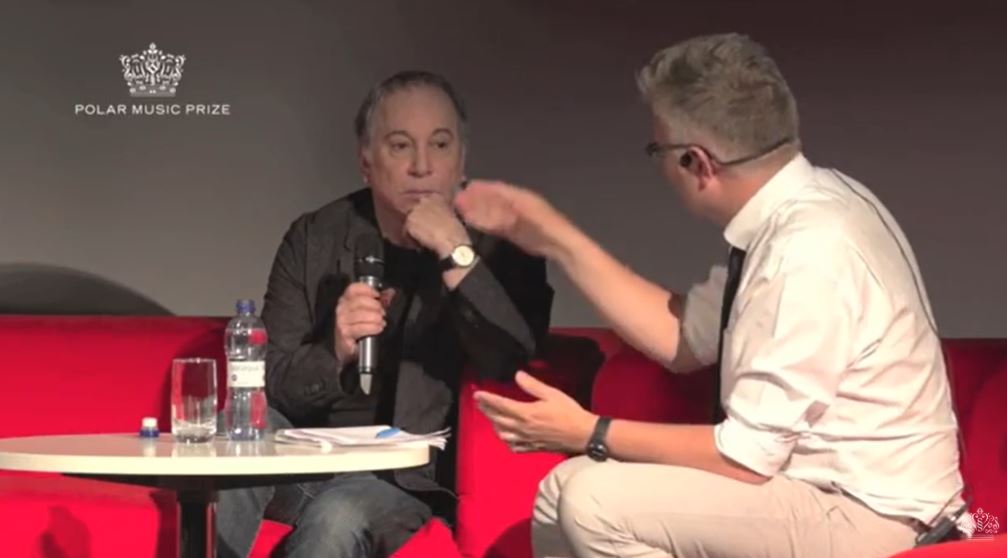
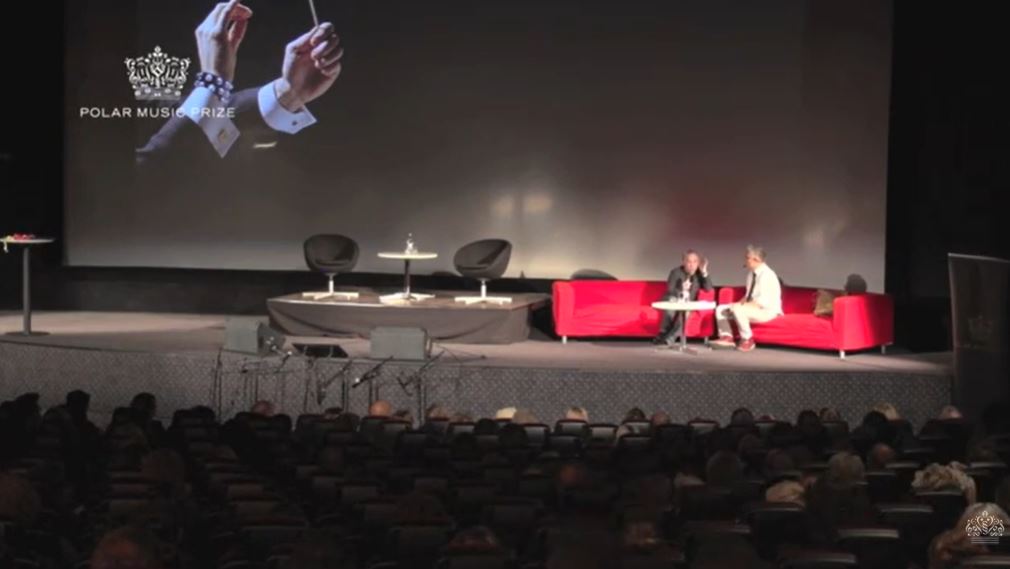
Polar Music Talks and Sessions, cinema RigolettoPaul Simon took place on august 27,2012 at the Rigoletto cinema in Stockholm, interviewed on stage by Jam GradvallThe discussion is structured as a career-spanning conversation that connects Simon’s songwriting craft with the major turning points of his catalog. It begins with his early years in Queens, New York, and his first recordings as the high-school duo “Tom & Jerry” with Art Garfunkel, including their early hit “Hey, Schoolgirl” (1957). From there, it moves into the Simon & Garfunkel period, highlighting how the duo’s harmonies and Simon’s narrative songwriting helped define their sound across five studio albums before the 1970 breakup, and why that work continued to resonate with new listeners over time.A significant portion addresses Simon’s transition into a solo career and the way he developed a more expansive musical palette in the 1970s. Key milestones referenced include his self-titled 1972 album (and “Mother and Child Reunion”), There Goes Rhymin’ Simon (1973; “Kodachrome” and “Loves Me Like a Rock”), and Still Crazy After All These Years (1975; “50 Ways to Leave Your Lover”), which cemented both his commercial success and reputation for meticulous writing and arrangement. The interview also touches on the role of live performance and public milestones such as the 1981 Simon & Garfunkel Central Park concert, along with later reunions and recognitions.The conversation then places Simon’s late-1970s and 1980s work in a broader creative context, including crossover projects (such as One-Trick Pony and related songs like “Late in the Evening”), and leads into the major pivot of Graceland (1986). In this section, the talk emphasizes Simon’s interest in South African music and collaboration with musicians including Ladysmith Black Mambazo, alongside the political controversy tied to apartheid-era cultural boycott debates. The interview frames Graceland as both a landmark artistic achievement and a case study in the complex relationship between art, ethics, and cross-cultural exchange.From there, the discussion traces how Simon continued exploring global rhythmic and sonic influences after Graceland, notably with The Rhythm of the Saints (1990) and later projects that show ongoing experimentation rather than repeating a fixed formula. Later career reference points include The Capeman, touring with Bob Dylan (1999), You’re the One (2000), Surprise (2006, with tracks co-written with Brian Eno), and So Beautiful or So What (2011, produced by Phil Ramone), reinforcing the theme of reinvention across decades.Finally, the interview includes a legacy-and-responsibility dimension, noting Simon’s philanthropic work—especially the Children’s Health Fund (co-founded with Dr. Irwin Redlener) and its mobile-clinic model—as part of the broader public impact associated with his career. |
|
28 aug |
Stockholm |
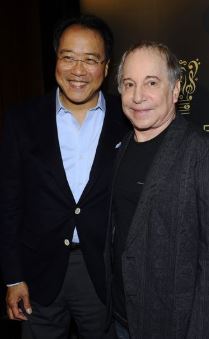
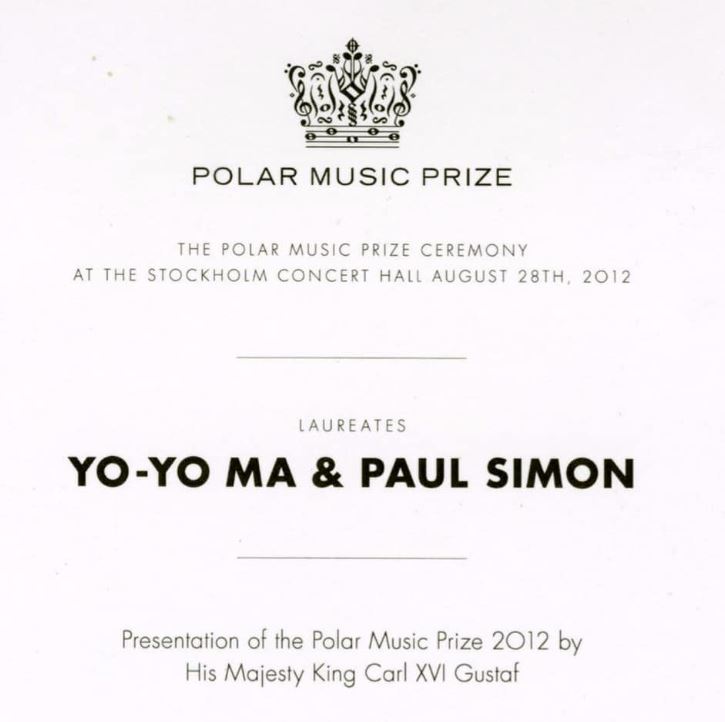
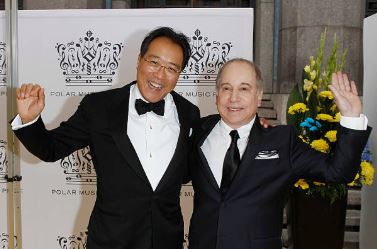
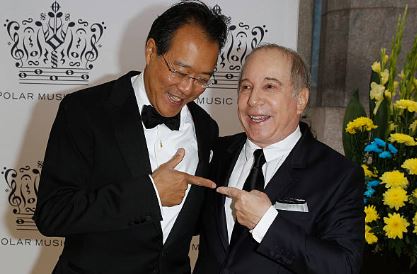
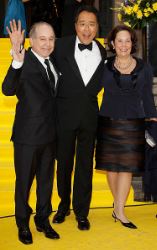
Yo-Yo Ma and artist Paul Simon arrive for the Polar Music Prize at Konserthuset on August 28, 2012 in Stockholm, Sweden. |
|
OCTOBER 2012 |
|||
04 oct |
Nzw York |
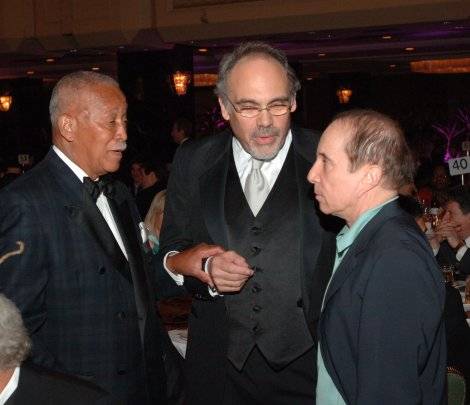
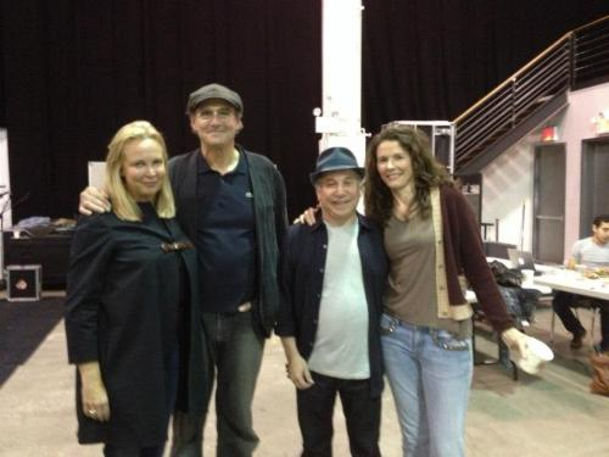
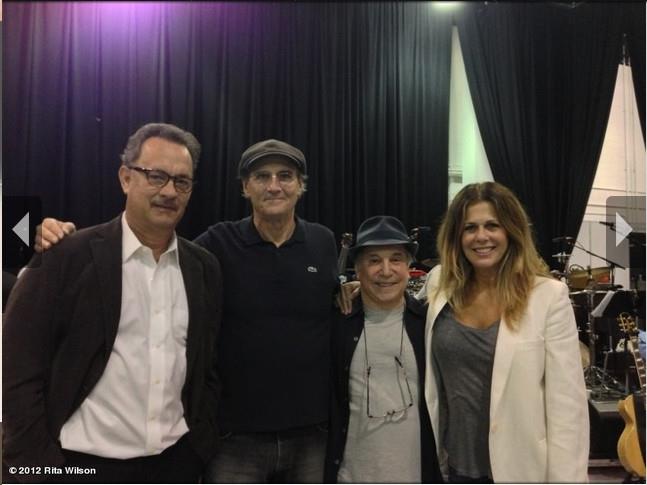
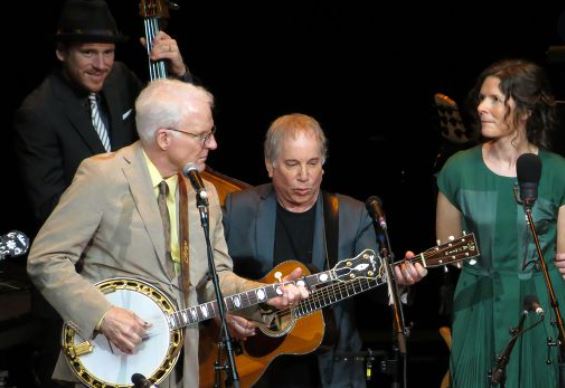
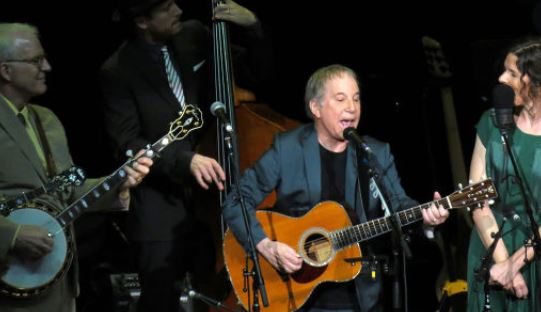
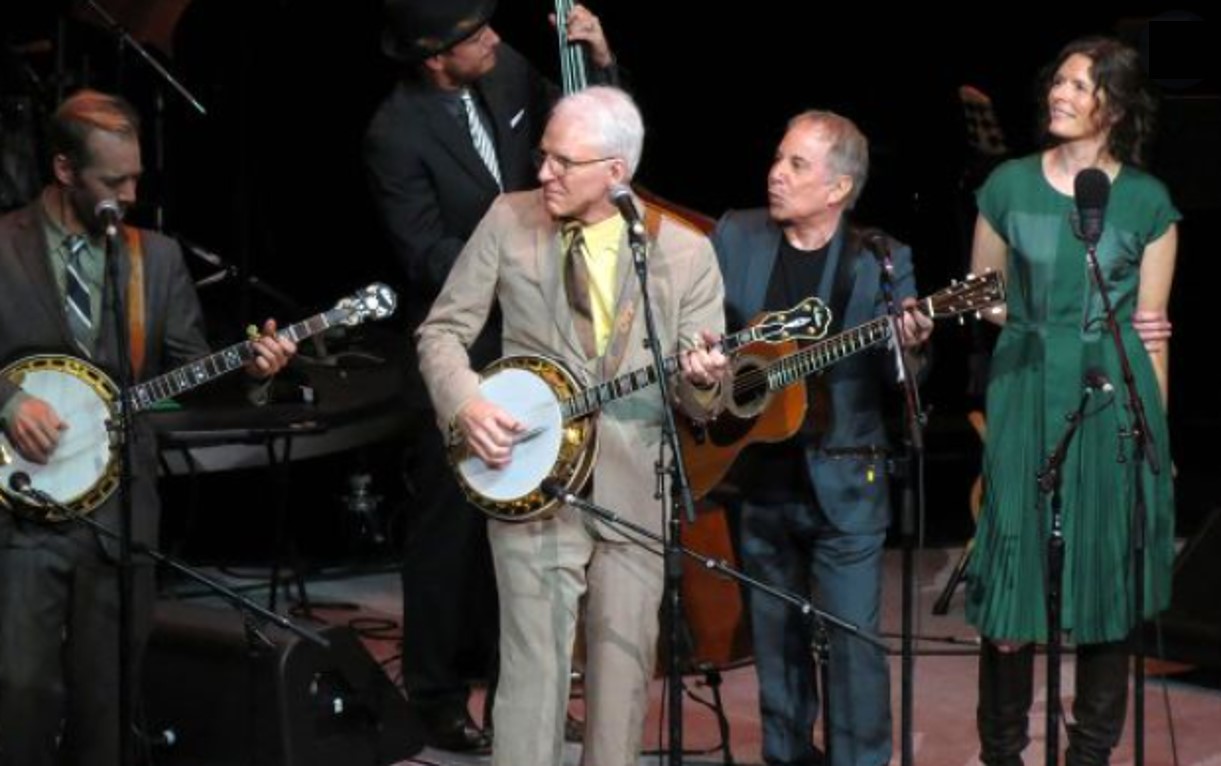
Paul Simon & David Dinkins children health fund dinner |
Jaùes Taylor, Caroline "Kim" Swedvig / Paul Simon and Edie Brickel
Tom Hanks James Taylor Paul Simon
Steve Martins, Paul Simon Edie Brickel
|
18 oct |
Nzw York |
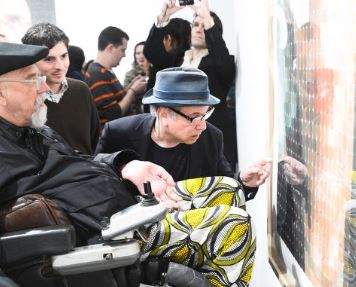
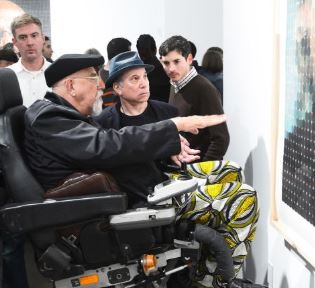
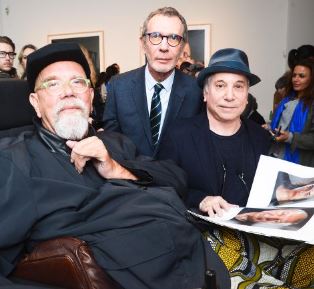
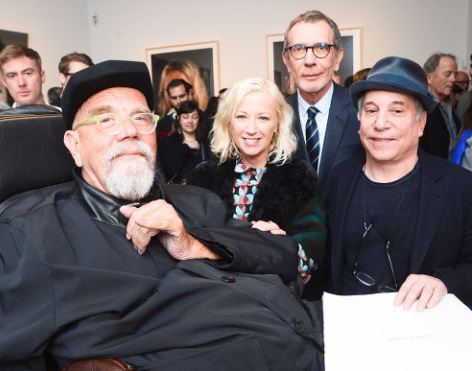
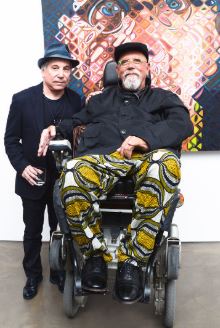
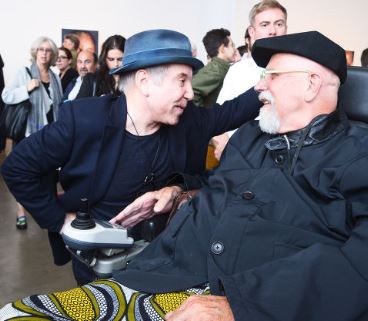
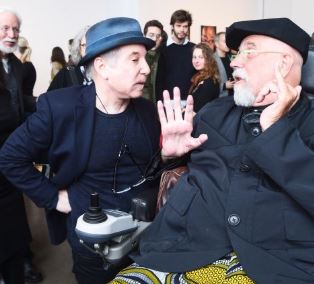
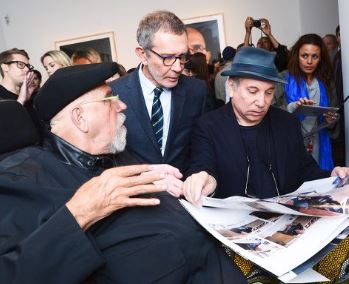
Chuck Close exhibition opening at Pace Gallery, New York |
|
NOVEMBER 2012 |
|||
14 nov |
Amsterdam, The Netherlands |
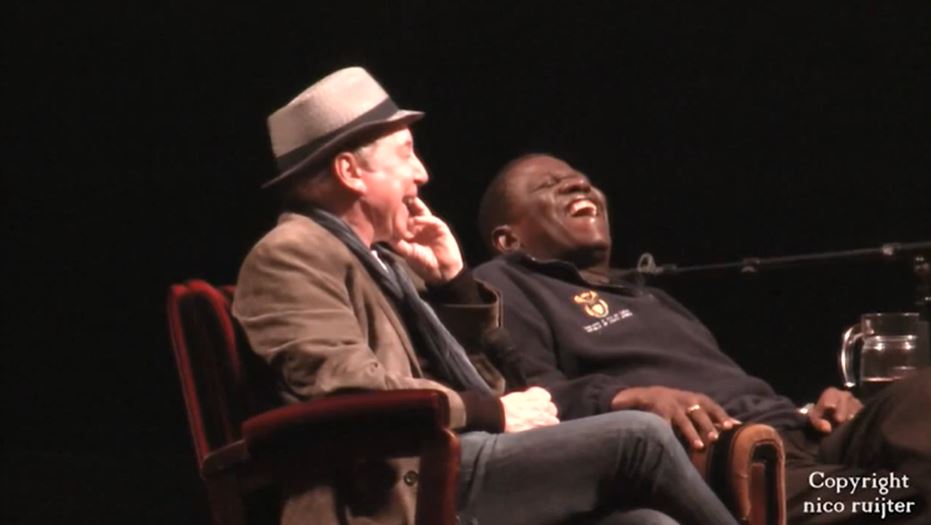
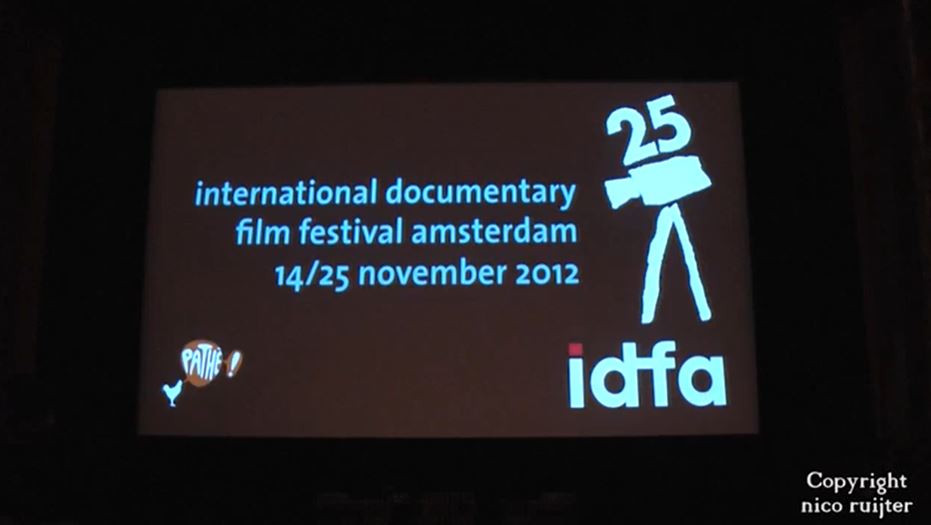
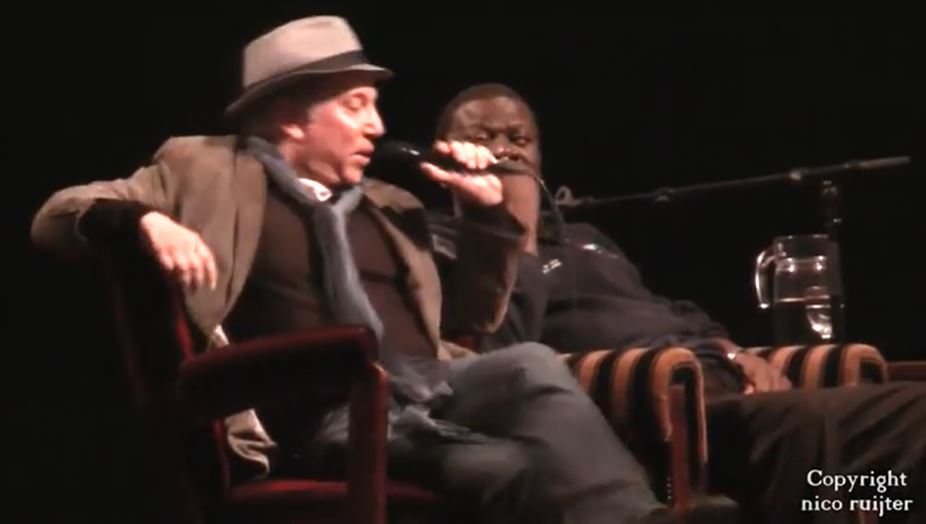
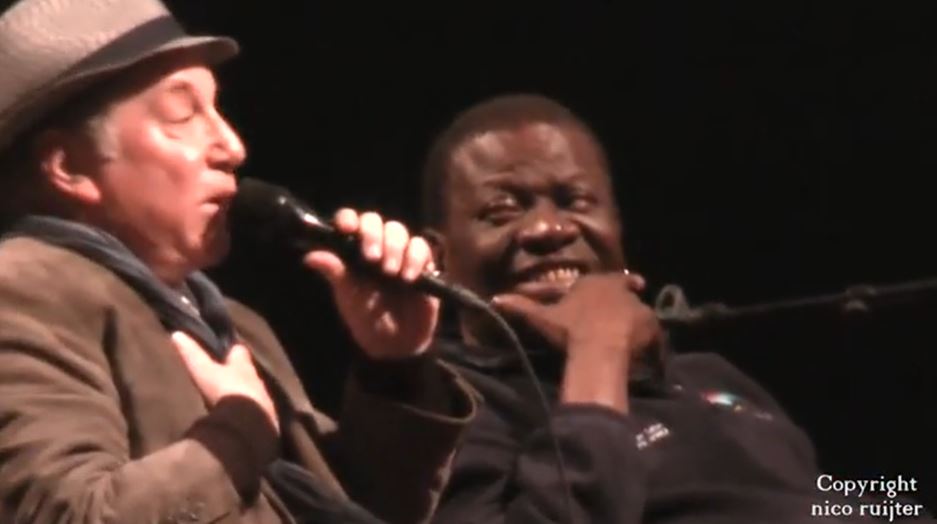
Paul Simon was in Tuschinksky-Pathe Amsterdam, invited by the international documentary film festival amsterdam. There Harrry de Winter had an interview with Paul Simon and he asked him what Nelson Mandela did say about his album Graceland.At the International Documentary Film Festival Amsterdam, Paul Simon speaks mainly about the relationship between music, memory, and storytelling, in connection with a documentary about his life and work.He explains that his songs are not meant to tell linear stories, but rather to function as emotional fragments that gain meaning over time. Music, he says, often communicates more deeply than direct speech because it leaves room for personal interpretation.Simon also discusses his creative process, describing it as slow, demanding, and built on doubt and revision. He rejects the idea of effortless inspiration, presenting himself instead as a craftsman who shapes songs through repeated adjustments and failures.Another key theme is the distance between the artist and the work. Once a song is released, Simon believes it no longer belongs entirely to its creator but to the audience, who gives it new meanings. |
|